By 2026, the way we pay for goods and services is set to change as global carbon pricing initiatives—often referred to as carbon taxes or border adjustment mechanisms—move from theoretical policy to your grocery receipts and energy bills. The most important thing to understand is that while this sounds like a complex government-to-government maneuver, it is designed to shift the “true cost” of carbon emissions onto products, which means that being a savvy, energy-conscious consumer is no longer just about the environment; it is about protecting your bank account.
Three Things You Need to Know
- Carbon pricing is not just a direct tax: It is a mechanism that makes high-emission products more expensive, effectively incentivizing manufacturers to go green.
- The “Border Adjustment” effect: Countries are implementing these taxes to prevent local industries from being undercut by cheaper, high-pollution imports, which will directly impact the price of imported electronics, clothing, and food.
- Efficiency is your best defense: Households that invest in energy efficiency and lower-carbon consumption habits will be better insulated against the inevitable price hikes of 2026 and beyond.
I know what you’re thinking. Between managing the kids’ school schedules, navigating the rising costs of childcare, and just trying to keep the house running, the last thing you want to add to your mental load is another complex macroeconomic concept. I feel that. But as someone who spends way too much time reading policy documents so you don’t have to, I can tell you that this isn’t just “climate talk”—it is a fundamental shift in how global trade works. Think of it like a “pollution surcharge” that will eventually make its way down to the end consumer.

What Exactly Is a Carbon Tax, and Why 2026?
At its simplest, a carbon tax is a fee imposed on the burning of carbon-based fuels (coal, oil, gas). The goal is to make it more expensive to pollute. By putting a price on carbon, governments hope that businesses will switch to cleaner energy sources to avoid paying the tax. If a company can make a product with 50% less carbon, they pay less tax, making their product cheaper for you.
Why 2026? That is the year many major economies, most notably the European Union with its Carbon Border Adjustment Mechanism (CBAM), will begin moving from the “reporting phase” to the “payment phase.” Other nations are watching this closely. If you live in a country that trades with these regions, your local businesses will need to comply to keep selling their goods internationally. This creates a ripple effect. It’s not just about the fuel you put in your car; it’s about the carbon footprint of the sneakers you bought online or the avocado you picked up at the supermarket.
Consider the “hidden carbon” in everyday items. When you buy a plastic toy from overseas, that item has a carbon footprint from its manufacturing, the electricity used in the factory, and the fuel used for shipping. In 2026, companies will have to account for those emissions. If they don’t, they pay a tariff. Guess who eventually pays that tariff? The consumer. This is why understanding the scope of these changes is vital for anyone managing a household budget.
The Impact on Your Household Budget
It is easy to get lost in the jargon, but let’s look at the practical reality. Your household budget will likely see impacts in three primary areas: energy, transport, and imported consumer goods. Let’s break these down systematically.
1. Direct Energy Costs
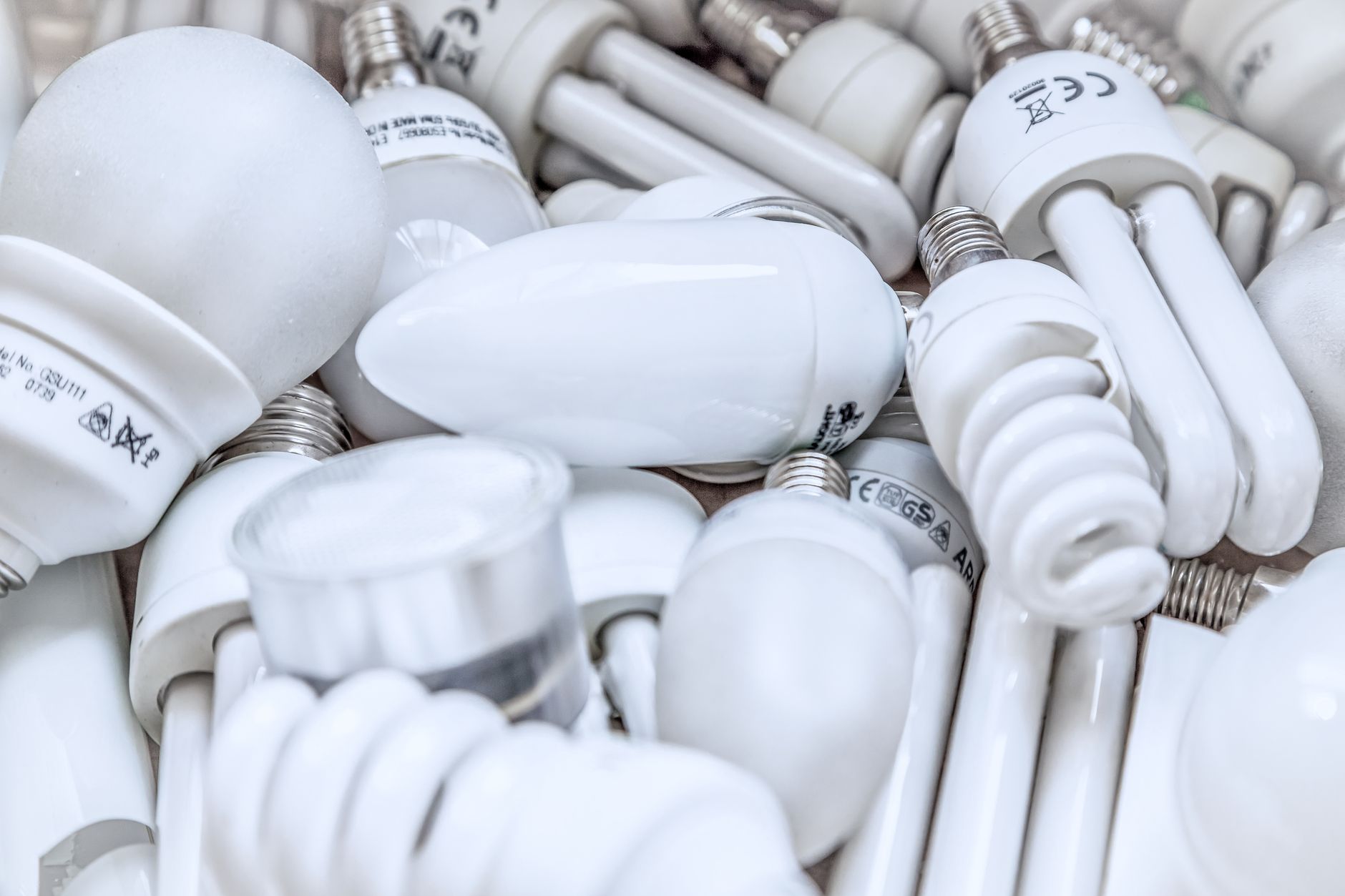
If your local utility provider relies on fossil fuels, they will face higher taxes as carbon pricing scales up. This is usually passed on to the customer. We are already seeing “green surcharges” or “environmental levies” appearing on utility bills in many parts of the world. By 2026, expect these to be more pronounced. The strategy here isn’t to panic but to audit. How much electricity are you actually using? Are your appliances outdated? Even small changes, like upgrading to LED lighting or ensuring your home is properly insulated, can provide a buffer against rising utility costs.
2. The Cost of Goods (The “Invisible” Tax)
This is the trickiest part. When you buy a shirt or a set of headphones, the price tag doesn’t list the “carbon cost.” However, if the manufacturer had to pay a carbon tax to produce that item, the retail price will be higher than it would have been otherwise. You might not see a line item for “Carbon Tax” on your receipt, but you will see a higher base price. This is where being a conscious consumer becomes a financial strategy. Brands that invest in low-carbon manufacturing will eventually become the more cost-effective choice.
3. Travel and Transportation
Air travel and fuel costs for logistics are prime targets for carbon pricing. We have already seen the introduction of “sustainable aviation fuel” mandates in various regions. While this is great for the planet, it makes flying more expensive. If you are planning family travel for 2026 and beyond, you should factor in higher ticket prices and potential carbon offset fees that airlines are increasingly embedding into their pricing models.
How to Prepare Your Finances Without Losing Your Mind
You don’t need a degree in economics to stay ahead. The goal is to move from a reactive state—where you’re surprised by every price hike—to a proactive state. Here is a practical framework for the average household.
| Area | Immediate Action | Long-term Strategy |
|---|---|---|
| Energy | Conduct a home energy audit. | Invest in high-efficiency appliances/heat pumps. |
| Shopping | Prioritize local goods to reduce shipping emissions. | Support brands with transparent carbon-reduction goals. |
| Transportation | Optimize car usage (carpooling, maintenance). | Consider EV or hybrid for the next vehicle purchase. |
The table above isn’t about being perfect; it’s about being informed. For instance, “buying local” is often cited as a way to reduce your footprint, but it also helps you avoid the costs associated with border adjustment tariffs on imports. By shifting your spending toward goods produced closer to home, you are effectively opting out of some of the international carbon-tax premiums that will be applied to imported goods in 2026.
The “Green Premium” vs. Long-Term Savings
There is a concept known as the “Green Premium”—the additional cost of choosing a sustainable option over a traditional one. In the past, this was often a deal-breaker for families on a budget. However, as carbon taxes begin to influence market prices, the gap is closing. A heat pump might be more expensive upfront than a gas furnace, but if carbon taxes make natural gas significantly more expensive by 2028, that heat pump starts to look like a brilliant financial move.
When you are making purchasing decisions for your family—whether it’s a new refrigerator, a car, or even home renovations—look at the “Total Cost of Ownership.” Don’t just look at the price tag. Look at the energy label. Look at the durability. If you buy a product that lasts five years instead of two, you are effectively insulating yourself against the price volatility that carbon taxes will introduce to consumer goods. This is the new standard of “thrifty.”

Addressing Common Misconceptions
There is a lot of noise out there about carbon taxes, and it’s easy to get confused. Let’s clear up a few things that often trip people up.
Misconception 1: “The government is just taking more money.” While taxes are a revenue stream, most carbon pricing mechanisms are designed to be “revenue neutral.” This means the money collected is often returned to households via rebates or used to fund green energy subsidies. Check your local government website to see if your region offers tax credits for energy-efficient upgrades. You might be surprised at what is available.
Misconception 2: “It won’t affect me because I don’t own a business.” Even if you are a salaried employee, you are a consumer. You participate in the global economy every time you swipe your card. The tax is levied at the production or import level, but the price is passed down. You are affected, which is why understanding it matters.
Misconception 3: “I have to stop living my life to make a difference.” This is the most damaging myth. You don’t have to live in a cave to be sustainable. It is about making smarter, incremental choices. If every household in your neighborhood made one small switch—like switching to LED bulbs or choosing one local produce item over an imported one—the cumulative effect is massive. It’s about systemic change through individual choices.
Moving Forward: A Balanced Approach
The 2026 carbon tax initiatives are not the end of the world, nor are they a magic bullet for the climate. They are a market correction. We have spent decades under-pricing the environmental impact of our consumption, and the bill is finally coming due. As a parent in your 30s or 40s, you are in the perfect position to navigate this. You are likely making long-term financial decisions for your family, and incorporating carbon-efficiency into those plans is just good risk management.
Don’t let the anxiety of “what’s coming” paralyze you. Focus on what you can control. Maintain your car, insulate your attic, and be a bit more curious about where your products come from. These aren’t just “green” habits; they are “future-proof” habits. By 2026, when these policies are in full swing, you will be well-positioned to handle the shifts in the market without needing to overhaul your entire lifestyle overnight.
We are all learning how to live in a world that is finally acknowledging the true cost of its footprint. It’s a transition, and like any transition, it requires a bit of patience and a lot of common sense. Stay curious, keep an eye on your local policy updates, and remember that every small step toward efficiency helps your family’s bottom line.
Frequently Asked Questions
Q: Will there be a “Carbon Tax” line item on my credit card statement?
A: Generally, no. Most carbon taxes are applied at the wholesale, manufacturing, or import level. You will see the impact as a gradual increase in the base prices of goods, services, and energy, rather than a separate tax line item.
Q: Are there any immediate financial benefits to preparing for this?
A: Yes. Many governments offer subsidies, tax rebates, or low-interest loans for home energy efficiency improvements (like solar panels, better insulation, or heat pumps). Taking advantage of these now can lower your monthly bills before the market prices of carbon-heavy energy rise further.
Q: How can I tell if a product is “carbon-taxed” or not?
A: It is difficult to tell for individual items. However, look for products manufactured locally or those with clear “sustainability” or “low-carbon” certifications. These are less likely to be subject to the border adjustment tariffs that will target high-pollution imports in 2026.
For more information on the specific policies in your region, check the official resources provided by your national environmental agency or the World Bank’s Carbon Pricing Dashboard: https://carbonpricingdashboard.worldbank.org/. Always verify local tax laws with a professional financial advisor.