The most effective way to improve your sleep quality isn’t by buying a new mattress or expensive supplements, but by systematically lowering your core body temperature and cortisol levels in the two hours before bed.
- The Two-Hour Rule: Transitioning from high-stimulation tasks to low-stimulation ones at least 120 minutes before sleep is essential for melatonin production.
- Temperature Regulation: Your body needs a drop of about 1°C to 2°C in core temperature to signal to the brain that it is time for deep, restorative sleep.
- Cognitive Offloading: Writing down tomorrow’s to-do list acts as a “brain dump,” preventing the “revolving door” of anxious thoughts that often keep parents awake.
If you are in your 30s or 40s, you likely know the specific flavor of exhaustion that comes from balancing a career, managing a household, and perhaps raising children. It’s not just physical tiredness; it’s a constant state of low-level cognitive alertness. You finally reach the sofa at 9:00 PM, and your brain decides that this is the perfect time to review every email you forgot to send or worry about a project due next week. This “revenge bedtime procrastination”—where we stay up late simply to reclaim control over our time—is a common trap, but it leaves us depleted by morning.
The science of sleep has evolved significantly, moving away from simple “don’t drink coffee” advice toward a more nuanced understanding of circadian rhythms and autonomic nervous system regulation. Let’s break down how you can actually hack your wind-down routine without adding another hour of labor to your already packed schedule.
Understanding the Autonomic Nervous System at Night
To understand why we struggle to sleep, we have to look at the autonomic nervous system, which operates in two primary modes: the sympathetic (fight-or-flight) and the parasympathetic (rest-and-digest). Most of us spend our days toggling between these, but by the time we hit 8:00 PM, we are often stuck in a sympathetic loop. We are still processing the day’s stressors, managing family logistics, or checking our devices.
Your goal is to transition your body into a parasympathetic state. This isn’t about “trying” to be calm; it is about mechanical, physiological triggers. Your body relies on cues—light, temperature, and movement—to determine which system to prioritize. If you are sitting under bright overhead lights while scrolling through work emails, your body thinks it is high noon. You are literally fighting your own biology.
The Role of Light and Melatonin
Melatonin is often called the “sleep hormone,” but it is more accurately described as the “darkness hormone.” It is not a sedative; it is a signal. When light hits the retina, it sends a signal to the suprachiasmatic nucleus (SCN) in your brain, which then instructs the pineal gland to suppress melatonin. Even small amounts of blue light—the kind emitted by phones, tablets, and laptops—can significantly delay the onset of melatonin, pushing your sleep window back by an hour or more.
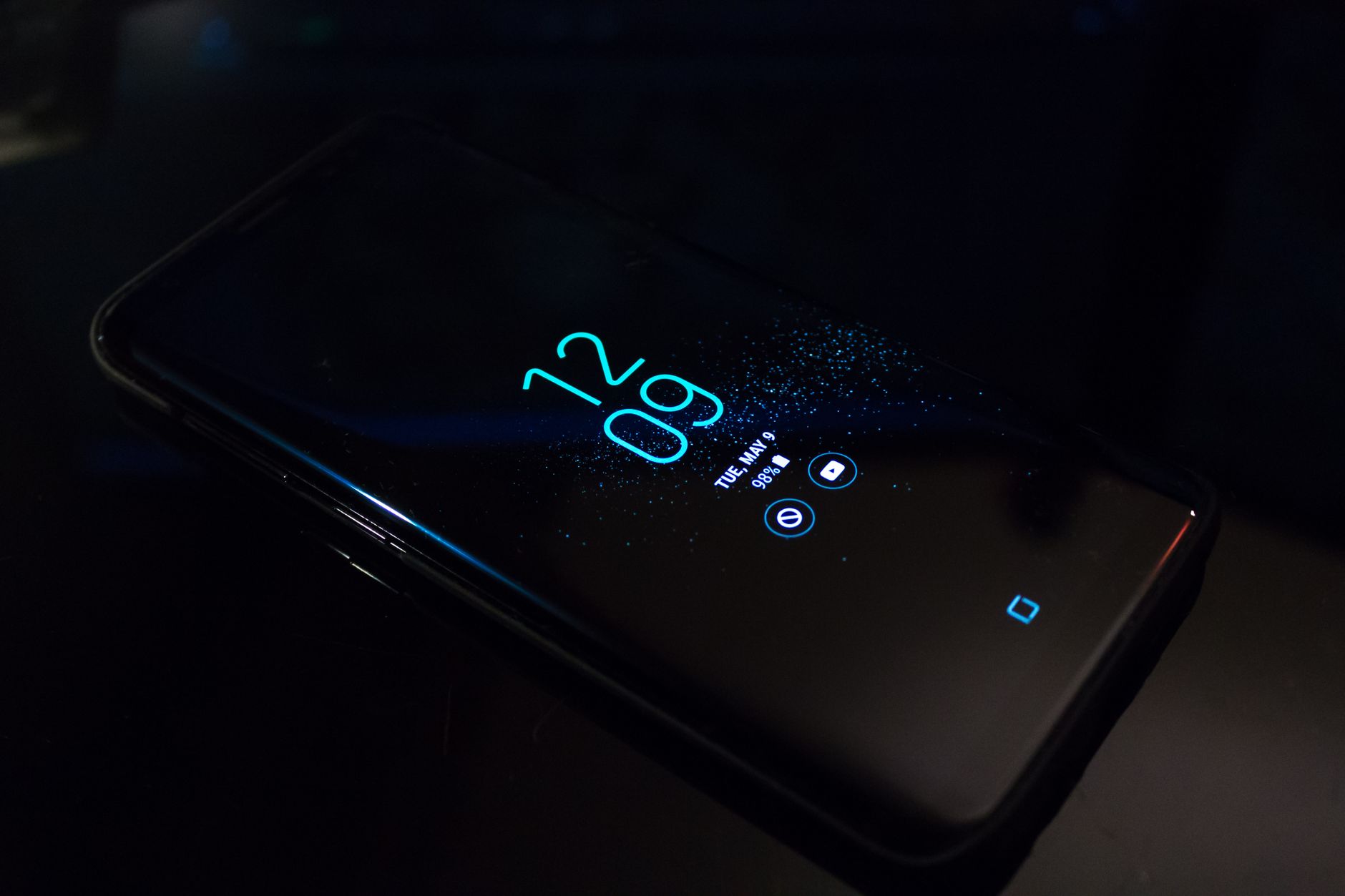
For parents, this is difficult because the evening is often the only time we have to catch up on administrative tasks. However, if you must use devices, you have to mitigate the impact. Use “Night Shift” or “Blue Light Filter” modes, but more importantly, lower the brightness significantly. Better yet, move your tech work to a slightly earlier slot and reserve the final 30 minutes before bed for non-screen activities.

The Science of Thermal Regulation
One of the most under-discussed aspects of sleep hygiene is thermoregulation. Your body’s core temperature needs to drop significantly to initiate the transition into deep sleep. This is why a warm bath or shower before bed is actually a brilliant sleep hack. When you step out of a warm shower, the blood vessels in your hands and feet dilate, allowing heat to escape your core rapidly. This rapid cooling effect acts as a powerful signal to the brain that it is time to shut down.
If you prefer not to shower every night, focus on keeping your bedroom temperature between 16°C and 19°C (60°F to 67°F). While this may sound cold to some, it is the optimal range for sustained sleep. If you find your feet are cold, wearing socks to bed can actually help—the heat causes vasodilation in the feet, which helps dissipate core heat, counterintuitive as it may seem.
Cognitive Offloading: Clearing the Mental Buffer
The “Brain Dump” is not just a productivity buzzword; it is a clinical strategy for managing nighttime anxiety. When we have pending tasks, our brains use “Zeigarnik Effect”—a psychological phenomenon where our minds keep uncompleted tasks at the front of our working memory. It is the brain’s way of saying, “Don’t forget this.”
By writing down your to-do list for the next day, you effectively move the information from your active working memory to an external storage device (paper or an app). This signals to your brain that the information is safe and doesn’t need to be actively monitored while you sleep. Keep a notebook by your bed. If you wake up with a thought, write it down immediately. Do not try to hold it in your head.
Structuring Your Wind-Down: A Practical Timeline
Routine is the enemy of the anxious mind. By creating a predictable sequence of events, you train your nervous system to expect sleep. This sequence should be low-effort and non-negotiable.
| Time | Activity | Physiological Goal |
|---|---|---|
| T-Minus 120 mins | Finish high-focus work | Reduce cognitive load |
| T-Minus 90 mins | Dim household lights | Signal melatonin production |
| T-Minus 60 mins | Warm bath or light stretch | Facilitate core cooling |
| T-Minus 30 mins | Read fiction or journal | Transition to parasympathetic state |

The Trap of “Perfect” Sleep Hygiene
A word of caution: do not let your quest for perfect sleep become a source of stress. This is known as “orthosomnia”—the unhealthy obsession with perfect sleep metrics. If you have a wearable device that tracks your sleep, it can be useful for identifying patterns, but it can also be a source of anxiety. If you have a bad night, don’t obsess over the data the next morning. Your sleep quality will naturally fluctuate based on stress, exercise, and diet. A single bad night does not mean you have “failed” at your routine.
Focus on consistency rather than perfection. If you miss one night, just get back on track the next. The goal is to build a lifestyle that supports rest, not to create a rigid set of rules that you feel guilty about breaking.
Managing Nighttime Interruptions for Parents
If you are a parent, you know that “uninterrupted sleep” is often a luxury. Children wake up, they have nightmares, or they simply decide that 5:00 AM is the start of the day. When these interruptions happen, the most important thing is to minimize your own physiological response. Keep the lights low, speak in hushed tones, and avoid checking your phone. If you get frustrated, your heart rate increases, making it harder to fall back asleep once the child is settled.
Practice “non-sleep deep rest” (NSDR) or yoga nidra techniques if you find yourself struggling to return to sleep after an interruption. These are guided relaxation practices that help lower your heart rate and calm your nervous system without requiring you to actually “try” to sleep, which often backfires.
Building Your Personal Wind-Down Protocol
You don’t need to adopt all these techniques at once. Start by picking one: perhaps it’s the 30-minute tech-free buffer. Once that becomes a habit, add the brain-dumping exercise. The key is to make these actions so simple that they become automatic. When your brain recognizes the cues—the dimming lights, the act of writing in a notebook, the cool air in the room—it will begin to prepare for sleep without you having to force the issue.
Remember, sleep is a biological imperative, not a reward for a productive day. In our 30s and 40s, we often treat sleep as the first thing to sacrifice when the “to-do” list grows. We view it as a luxury, but in reality, it is the foundation upon which your parenting, your work, and your health are built. By investing even 15 to 30 minutes in a deliberate wind-down, you aren’t just sleeping better; you are reclaiming your ability to function, regulate your emotions, and enjoy the life you are working so hard to build.
Frequently Asked Questions
1. Is it okay to use a white noise machine if I have trouble falling asleep?
Yes, white noise machines are generally helpful for blocking out environmental sounds that might otherwise cause micro-awakenings. For many people, a consistent, neutral sound can act as a psychological cue for sleep. Just ensure the volume is kept at a moderate, comfortable level.
2. Does drinking herbal tea really help, or is it just a placebo?
Herbal teas like chamomile or valerian root can have mild sedative effects, but the primary benefit is often behavioral. The ritual of making a hot drink, holding a warm mug, and slowing down for 10 minutes is a powerful signal to your body to transition into a resting state. The liquid intake should be limited to avoid middle-of-the-night bathroom trips.
3. What should I do if I wake up at 3:00 AM and can’t fall back asleep?
The worst thing you can do is stay in bed and stare at the ceiling, as your brain will begin to associate the bed with stress and wakefulness. If you haven’t fallen back asleep after about 20 minutes, get out of bed. Go to a different room, keep the lights extremely dim, and do something boring—like reading a dry book or folding laundry—until you feel sleepy again. Then, return to bed.
For further reading on the science of circadian rhythms and sleep health, consult resources from the National Sleep Foundation and the Centers for Disease Control and Prevention (CDC) Sleep and Sleep Disorders division.