The most effective way to ensure your children eat well while minimizing your environmental footprint is to embrace a “prep-once, use-many” approach to high-protein, plant-forward, or lean-meat lunch planning.
- Protein Density Matters: Prioritize legumes, seeds, and lean proteins to keep kids full and focused throughout the school day.
- Zero-Waste Mindset: Swap single-use plastics for stainless steel or glass containers to reduce daily waste by up to 90%.
- Batch Cooking Efficiency: Dedicate 60 minutes on a Sunday to prep components that can be mixed and matched all week.
If you are anything like me, the morning rush feels less like a smooth transition and more like a tactical mission. Trying to pack a lunch that is nutritious, appealing to a child, and somehow not contributing to the mountain of plastic waste we see in school trash bins is a challenge. It is easy to reach for the pre-packaged, single-serve snacks—they are convenient, after all. But the long-term cost, both to our wallets and the environment, adds up.
Let’s look at how we can shift our habits. It isn’t about being perfect; it’s about making slightly better choices that stick.
The Science of Sustained Energy: Why Protein is the Lunchtime Hero
We often focus on “healthy” without defining what that means for a developing brain. High-protein lunches are not just for gym enthusiasts. For school-aged children, protein is the building block for growth, but more importantly, it provides the satiety—the feeling of fullness—that prevents the “afternoon slump.”
When a child eats a lunch high in simple carbohydrates (think processed white bread and sugary snacks), their blood sugar spikes and then crashes. This crash is usually timed perfectly with their final afternoon class. By integrating proteins like lentils, Greek yogurt, chicken, or eggs, you stabilize that energy release.
Sustainable protein sources, such as chickpeas, black beans, and seeds, also happen to have a much lower carbon footprint than traditional red meats. By rotating these into the lunchbox, you are teaching your children, by example, that sustainability and nutrition go hand-in-hand.
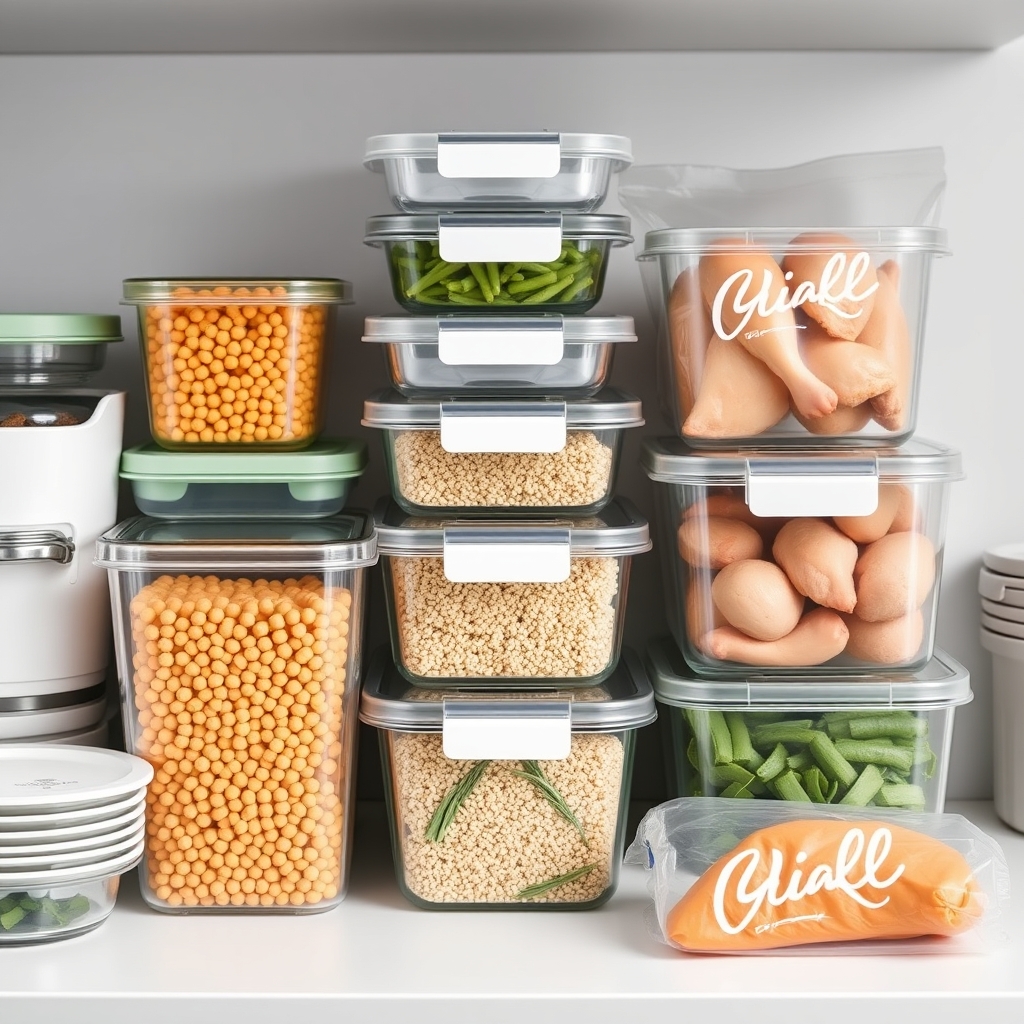
Building the Foundation: The Low-Waste Kitchen Strategy
Before we get to the recipes, we need to address the “waste” part of the equation. Sustainability fails if you are still buying individual yogurt cups or plastic-wrapped cheese sticks. The shift to zero-waste is an upfront investment in equipment, but it pays for itself in just a few months.
| Single-Use Item | Sustainable Swap | Benefit |
|---|---|---|
| Plastic Baggies | Silicone Stasher bags | Washable, durable, leak-proof |
| Plastic Wrap | Beeswax Wraps | Compostable, naturally antibacterial |
| Disposable Juice Boxes | Stainless Steel Water Bottle | Reduces micro-plastic exposure |
The goal is to create a “lunch station” in your kitchen. When you return from the grocery store, wash and prep your fruits and vegetables immediately. If you have to chop a carrot on a Wednesday morning, you probably won’t do it. If it is already sitting in a glass jar in the fridge, it becomes the easiest choice.
7 High-Protein, Low-Waste Recipes
These recipes are designed for modularity. You can prepare these components and mix them up throughout the week.
1. The “Power-Up” Chickpea Salad
Chickpeas are the ultimate sustainable protein. They are shelf-stable, inexpensive, and incredibly versatile. Mash them with a little tahini, lemon juice, and chopped parsley. It’s like a tuna salad but entirely plant-based and much more shelf-stable at room temperature. Serve it with cucumber slices or whole-grain crackers.
2. Lemon-Herb Quinoa Bowls
Quinoa is a complete protein, meaning it contains all nine essential amino acids. Cook a large batch on Sunday. Add chopped roasted chicken or tofu, cherry tomatoes, and a handful of pumpkin seeds for crunch. The seeds add a surprising protein boost that kids often enjoy because of the texture.
3. Deconstructed “Bento” Egg Box
Hard-boiled eggs are the original “convenience food.” Pair two halved eggs with a side of hummus, some carrot sticks, and a few cubes of cheddar cheese. It is simple, requires zero cooking on the day-of, and covers all the major macronutrient bases.
4. Lentil “Meatball” Skewers
Lentils are high in fiber and protein. Mix cooked brown lentils with breadcrumbs, an egg, and Italian herbs. Bake them into small balls. They hold up perfectly for a cold lunch. Thread them onto food-safe wooden skewers with a piece of bell pepper for a fun, easy-to-eat format.
5. Greek Yogurt Parfait Jars
Use a small glass jar to layer plain Greek yogurt, homemade granola, and berries. Greek yogurt has significantly more protein than standard yogurt. By buying the large tub and portioning it into smaller jars, you eliminate the plastic waste of individual cups and save money.
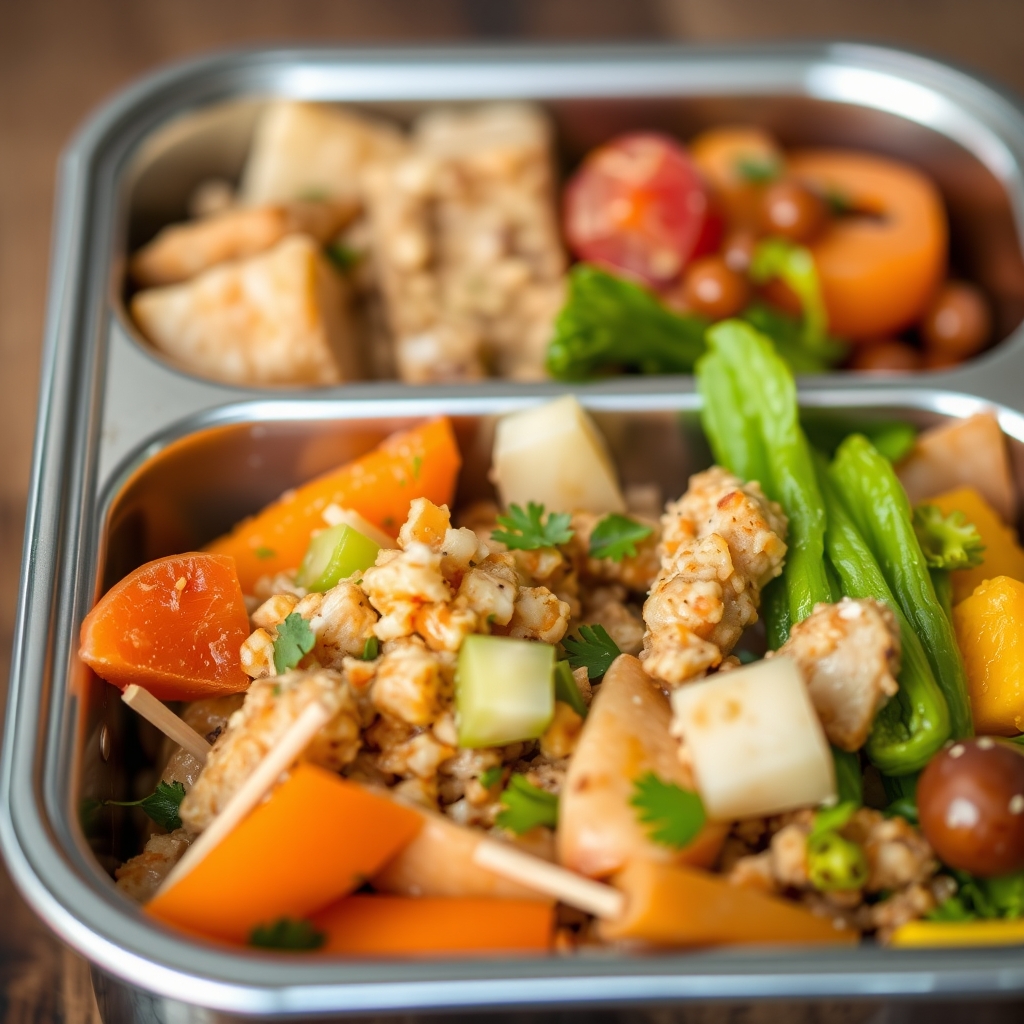
6. Turkey and Hummus Roll-Ups
Instead of a traditional sandwich that can get soggy, use a whole-grain tortilla. Spread a generous layer of hummus (your protein anchor) and add a slice of turkey or roast beef. Roll it up tightly and slice it into “sushi” rounds. It’s bite-sized and visually interesting, which often helps with picky eaters.
7. Black Bean and Corn “Salad Cups”
Mix black beans, corn, and diced red peppers with a lime-cilantro dressing. This is a hearty salad that actually tastes better the next day as the flavors meld. It is naturally gluten-free and packs a serious protein punch.
Managing the “I Don’t Like That” Factor
Even the most sustainable, nutritious lunch is useless if it comes home in the backpack untouched. The secret to getting kids to eat these lunches is involvement. If they help choose the ingredients or help assemble the “Bento” box, they are statistically more likely to eat it. This is known as the “Ikea Effect”—we value things more when we have a hand in creating them.
Also, don’t aim for a complete overhaul on Monday morning. Start by swapping one item at a time. Maybe this week you just swap the plastic bag for a silicone one. Next week, try swapping the processed snack bar for a handful of almonds or pumpkin seeds. Small, incremental changes are the only ones that actually last in a busy household.
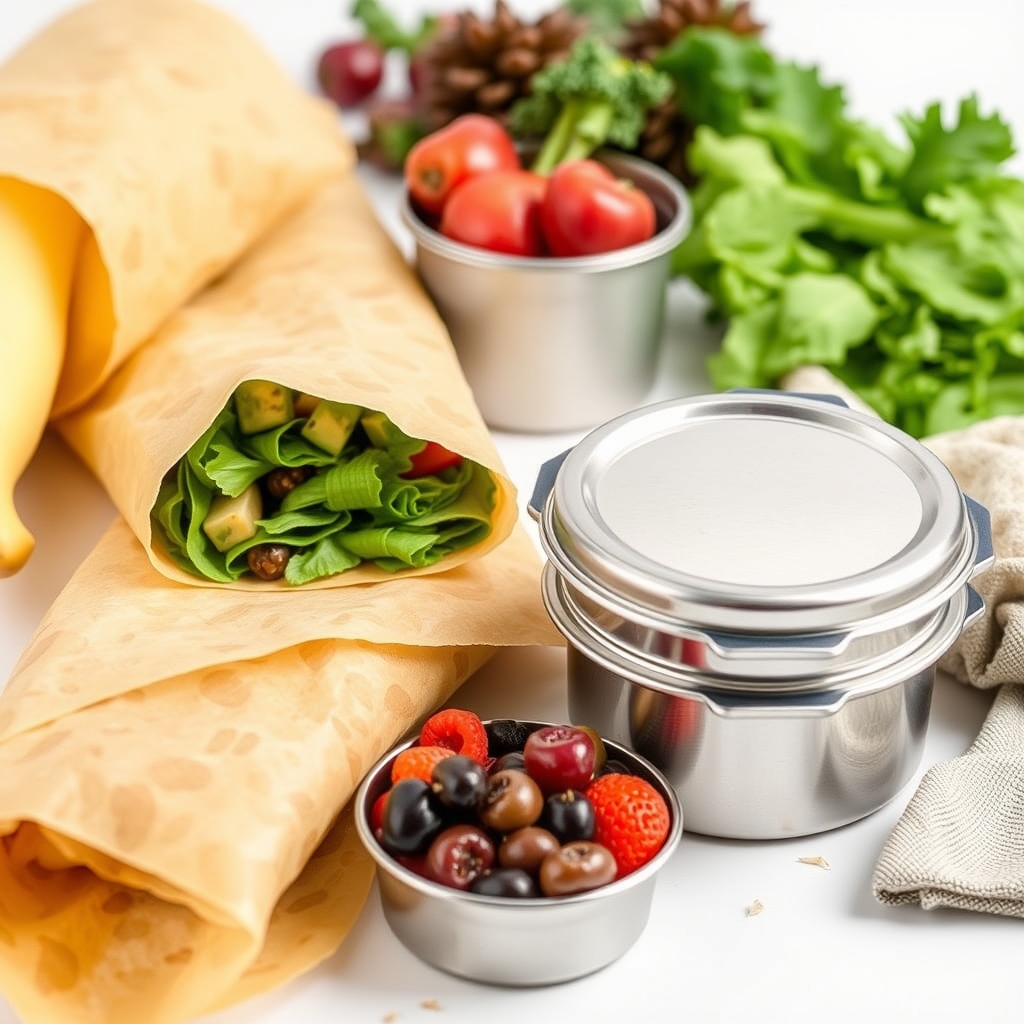
The Logistics of Sustainability
Sustainability often feels like a burden, but it should actually simplify your life. When you stop buying individual, pre-packaged snacks, you are also stopping the endless cycle of “I need to go to the store because we are out of lunch snacks.” By focusing on bulk staples—oats, beans, nuts, seeds, and seasonal produce—you are building a resilient kitchen pantry.
Consider the “Rule of Three” when packing: One protein, one fiber-rich carbohydrate, and one fruit or vegetable. If you have these three elements in your stainless steel container, you have succeeded. Don’t overthink the presentation. A messy, healthy lunch is infinitely better than a perfectly curated, processed one.
Addressing Potential Challenges
What about allergies? Nuts are a common protein source, but many schools are nut-free. If your school has strict policies, swap almonds or walnuts for sunflower seeds or pumpkin seeds (pepitas). They offer a similar protein profile and a satisfying crunch without the allergen risk.
What about food safety? If you are packing meat or dairy, use an ice pack. A stainless steel lunchbox conducts cold better than plastic, so a single small ice pack in an insulated bag will keep everything at a safe temperature until the lunch bell rings.
Conclusion and Next Steps
Transitioning to sustainable, high-protein school lunches is a journey, not a destination. You will have days where you run out of time and reach for a convenient snack, and that is perfectly fine. The goal is to build a rhythm that serves your family’s health and the health of the planet. By focusing on whole, protein-dense foods and reusable gear, you are setting a standard for your household that values quality over convenience.
Start small, stay consistent, and remember that every piece of plastic you choose not to put in a trash bin is a win. You aren’t just feeding your child for the day; you are teaching them how to interact with the world in a more intentional, thoughtful way.
Frequently Asked Questions
- How do I keep my child’s lunch cold without using plastic ice packs?
You can use a small, reusable stainless steel container filled with water and frozen solid the night before. It acts as a natural ice pack and can be used as a drink once it melts. - Are there affordable ways to transition to zero-waste lunch gear?
Yes. You don’t need to buy everything at once. Start by repurposing glass jam jars for snacks and look for high-quality stainless steel containers at thrift stores or during seasonal sales. Often, the money saved by buying in bulk instead of pre-packaged portions covers the cost of the gear within three months. - How can I make sure my child actually eats the high-protein meals?
Focus on “dip-ability.” Many children are more willing to eat protein like chicken, tofu, or veggies if they have a fun dip, such as a homemade hummus, a yogurt-based herb dip, or a mild peanut-free satay sauce.
For further reading on sustainable food systems and nutrition, visit The Food and Agriculture Organization of the United Nations or explore local guidelines on Nutrition.gov for evidence-based healthy eating tips.