The most effective way to teach your children (and yourself) to think three steps ahead isn’t found in a digital app, but in the quiet, tactile world of modern board games that replace random dice rolls with deliberate, strategic choices. If you are tired of games where the winner is decided entirely by the luck of the draw—leaving your evenings feeling like a test of patience rather than a fun challenge—it is time to pivot toward the “Euro-style” board game renaissance.
Key Takeaways:
- Shift from Luck to Strategy: Modern games prioritize decision-making, resource management, and long-term planning over pure chance.
- Cognitive Benefits: Engaging in strategic play improves executive function, patience, and the ability to handle constructive failure.
- The Social Element: Unlike solitary screen time, these games provide a shared language for families to navigate complex problems together.
The Problem with ‘Roll-and-Move’ Games
Most of us grew up with board games that were essentially glorified paths to a finish line. You roll a die, you move your piece, and if you land on a “bad” square, you go back. This format is simple, but it is also frustrating. It teaches children that success is a matter of fortune—a cosmic coin flip—rather than the result of a well-executed plan. When the game ends, the only thing you’ve learned is who was “luckier” that night.
As parents in our 30s and 40s, we know the value of planning. We manage households, careers, and schedules. We know that in the real world, “getting lucky” is rarely a sustainable strategy. By introducing games that force us to evaluate tradeoffs—”Should I take this resource now, or save it for a bigger move later?”—we are actually practicing the same cognitive muscles we use to manage our daily lives. This is the essence of the modern board game revival: it turns the living room into a low-stakes laboratory for strategic thinking.

Understanding the Shift: Why ‘Euro-Games’ Matter
The term “Euro-games” or “German-style games” might sound niche, but they have fundamentally changed how we play at home. Unlike American-style games that often involve player elimination (where you lose and sit out for an hour) or heavy conflict, Euro-games usually focus on “engine building.”
In these games, you aren’t trying to destroy your opponent; you are trying to build the most efficient system. This change in philosophy is crucial. It means every player stays engaged until the very end, and the focus remains on personal growth and optimization. If you lose, it is usually because you didn’t manage your resources as effectively as the winner, which is a much more valuable lesson to learn than “the dice hated me.”
Key Pillars of Strategic Play
When you start looking for games that foster this type of thinking, keep an eye out for these three components:
| Component | What it teaches |
|---|---|
| Resource Management | Prioritization and deferred gratification. |
| Hidden Information | Deduction and predicting competitor behavior. |
| Variable Turn Order | Adaptability and flexibility in the face of changing conditions. |
Building the Family ‘Game Library’
You don’t need to jump straight into complex, hours-long games that require a PhD to understand. The beauty of the modern market is that there is a gradient of complexity. You want to look for games that are “easy to learn, but hard to master.” This is the gold standard for family engagement.
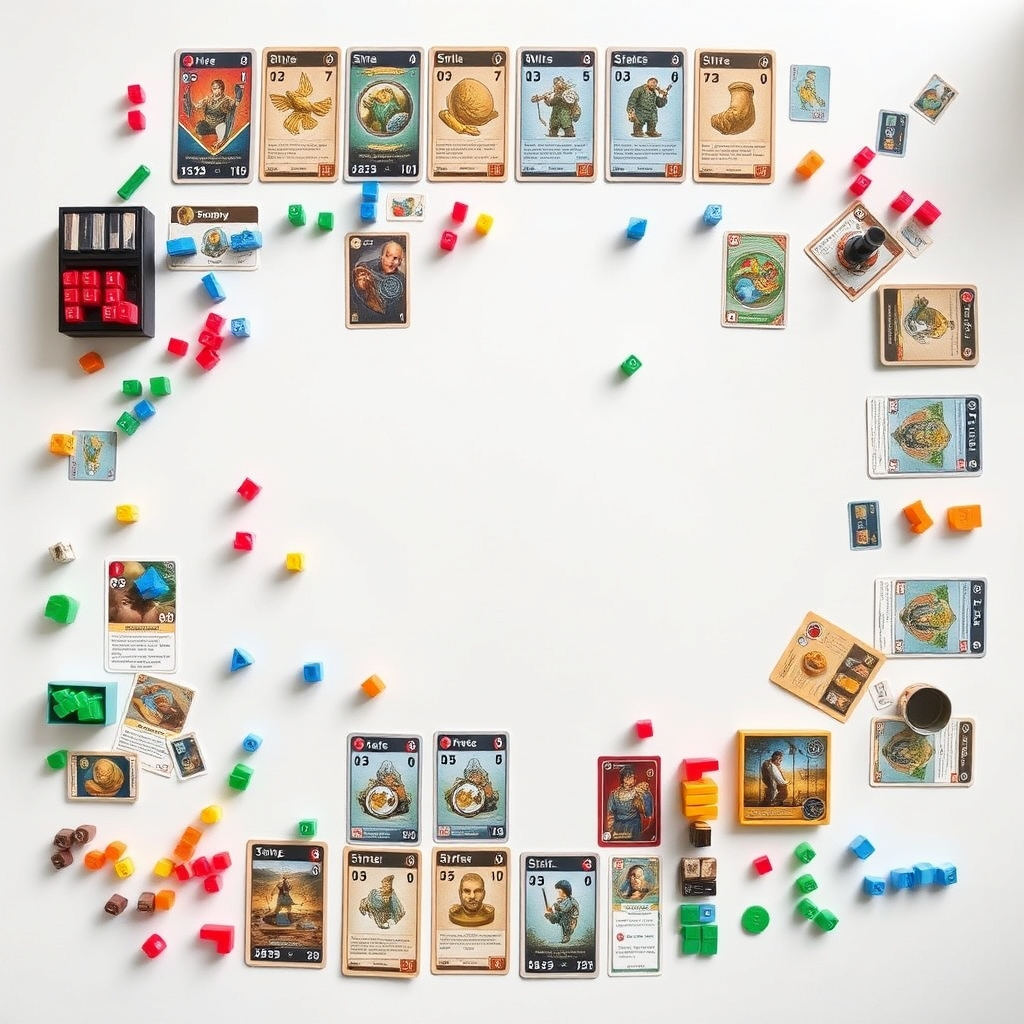
Start with games that have a low barrier to entry. For example, look for games that use a “drafting” mechanic, where players choose one card from a hand and pass the rest to their neighbor. This forces you to watch what others are taking. If you see your child collecting all the “blue” cards, you have to decide whether to contest them for those cards or pivot your own strategy to collect “red” ones. This is active, collaborative, and highly strategic thinking in action.
The Role of Failure in Cognitive Development
One of the hardest parts of parenting is watching our children struggle with losing. In games of pure luck, a loss feels arbitrary and unfair, which often leads to tears or frustration. However, in a strategic game, the loss has a reason. It becomes a diagnostic moment.
“Why did I lose?” becomes “Maybe I spent too much time on this one resource and neglected my defense.” This shifts the conversation from “I’m unlucky” to “I need a better strategy next time.” This is the foundation of a growth mindset.
When you play, model this behavior yourself. If you make a bad move, say out loud, “Oh, I see where I went wrong. I should have prioritized that action earlier.” By vocalizing your own strategic errors, you show your children that failure is not a character flaw, but a data point to be analyzed.
A common mistake is buying a game that is too complex for the age group, which leads to boredom and abandonment of the hobby. Always check the “BGG Weight” (BoardGameGeek weight) or the age recommendations on the box, but take them with a grain of salt. If a game is labeled for ages 10+, a bright 8-year-old can often handle it with a bit of guidance.
The best approach is to have a “ladder” of games. Start with a foundational game where the rules are simple. Once the family has mastered the logic of that game, move up to one that introduces a new mechanic, like “worker placement” (where you place a limited number of pieces to claim specific actions). This slow, steady increase in complexity ensures that the family keeps learning rather than feeling overwhelmed.

Practical Tips for a Successful Game Night
Setting the stage is just as important as the game itself. If you want to foster strategic thinking, you need an environment that allows for focus. Here are a few ways to make it work:
- The ‘No-Phone’ Rule: This applies to parents, too. If we want our kids to focus, we have to model that focus.
- Collaborative Setup: Let the kids help with the setup. It builds ownership and gets them familiar with the pieces before the first turn is even taken.
- The ‘Post-Game Debrief’: Spend two minutes after the game asking, “What was the coolest move you made?” or “What would you do differently next time?” This cements the strategic lessons.
- Keep Sessions Short: For families, 45 to 60 minutes is the sweet spot. Anything longer, and the “strategic fatigue” sets in, turning a fun activity into a chore.
Common Pitfalls to Avoid
Don’t fall into the trap of “quarterbacking.” This happens when one player (usually the parent) tells everyone else what to do. It is tempting to guide your child toward the “best” move, but that defeats the purpose. The goal is for them to discover the strategy themselves. If they make a sub-optimal move, let them. They will learn more from seeing the consequence of that move than from being told what to do.
Also, avoid the temptation to let them win. Kids are remarkably perceptive; they know when you are pulling your punches. Winning feels hollow when it isn’t earned. It is far more respectful to play your best and then talk about why you won—perhaps you focused on a specific long-term goal that paid off at the end. That is a lesson they can take with them.
The Long-Term Impact
What are we actually building here? Beyond just a fun way to spend a Friday night, we are building a toolkit for decision-making. The ability to weigh options, anticipate consequences, and pivot when things don’t go as planned are skills that transfer directly to school, sports, and eventually, the workplace.
In a world that is increasingly fast-paced and digital, the slow, thoughtful nature of a board game is an act of defiance. It forces us to slow down, look at each other, and engage with a physical, tangible problem. It is a space where we can practice being human, being smart, and—perhaps most importantly—being okay with not knowing the outcome until the very last turn.
FAQ
1. How do I know if a game is ‘too hard’ for my child?
Look for games that have a high level of “iconography” rather than heavy text. If a child can understand the symbols on the board without needing you to read every card to them, they will feel much more empowered. If you find yourself explaining the rules for more than 15 minutes, it’s likely too complex for a first session.
2. What if my family just wants to have fun and not think too hard?
That is perfectly fine! The goal isn’t to turn every game night into a logic exam. There is a place for “filler games”—fast, light, and fun games that act as a palate cleanser. You can mix these in with the more strategic ones to keep the mood light.
3. Where can I find reliable reviews for family games?
BoardGameGeek (BGG) is the industry standard for ratings and discussions. For more family-oriented content, look for channels or blogs that focus specifically on “gateway games”—games designed to transition players from classic games like Monopoly into the world of modern strategy.
Sources and Further Reading:
- BoardGameGeek (BGG) – The definitive database for board game reviews, rankings, and mechanics.
- Psychology Today: The Cognitive Benefits of Board Games
Remember, the goal of this “revival” isn’t to turn your living room into a competitive tournament space. It’s about creating a shared experience where everyone is engaged, learning, and above all, interacting with each other in a meaningful way. Start small, stay curious, and enjoy the process of discovering the strategy together.