The most effective way to reclaim your sanity this summer isn’t booking a flight to a crowded tourist hotspot, but rather rediscovering the vibrant, hyper-local festivals happening right in your own backyard or neighboring towns.
- Reduced Friction: Hyper-local festivals eliminate the stress of long-haul travel, airport security, and complex itineraries, making them ideal for parents of young children.
- Cost-Efficiency: By avoiding expensive flights and accommodation, you can allocate your budget toward higher-quality local food, local crafts, and supporting small businesses.
- Community Connection: These events foster a sense of belonging and provide a structured, safe, and engaging environment that is often more rewarding than generic tourist attractions.
If you are in your 30s or 40s, you know the specific brand of exhaustion that comes with planning a “vacation.” There is the frantic search for flights that don’t land at 3:00 AM, the endless debate over hotels versus vacation rentals, and the inevitable moment at the airport where you realize you forgot the one toy that keeps your toddler from melting down. For many of us, the traditional summer vacation has shifted from a period of rest to a logistical marathon.
Lately, there has been a noticeable pivot toward “hyper-local” tourism. This isn’t just about saving money, though that is a massive benefit. It is about a fundamental shift in how we view leisure time. Instead of trying to “consume” a new city, we are finding that participating in the local culture of our own region—or a town just an hour away—offers a more sustainable, relaxing, and frankly, more enjoyable experience.
What Exactly is a “Hyper-Local” Festival?
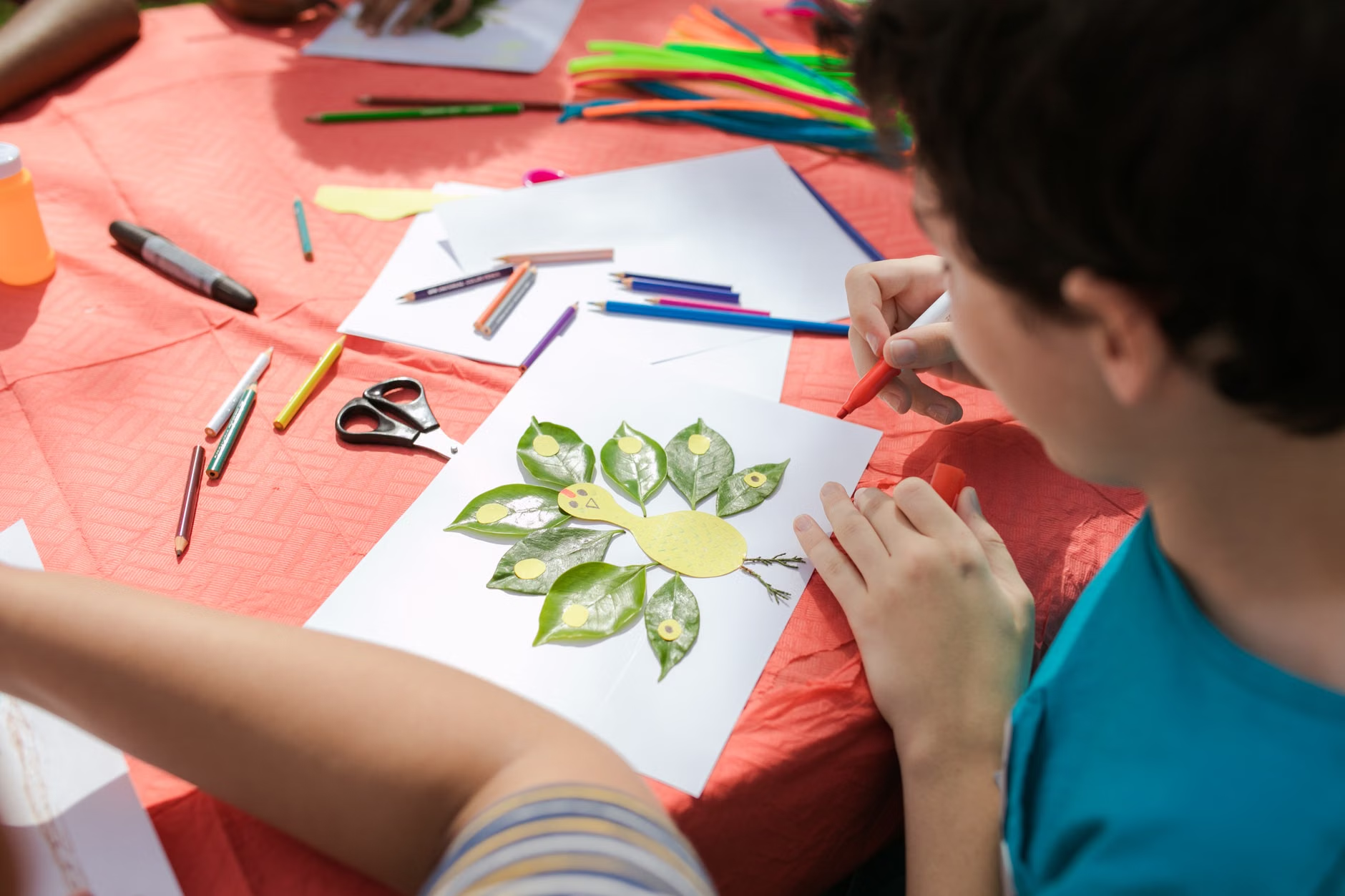
When we talk about hyper-local festivals, we aren’t referring to massive, international music events that require camping in a mud pit for four days. We are talking about the town-square craft markets, the neighborhood strawberry festivals, the local heritage days, and the pop-up evening concerts in the park. These events are designed for the immediate community, which means they are inherently more accessible and far less pretentious than major tourist traps.
These festivals often have a specific “flavor.” It might be an annual tradition celebrating a local crop, a historical anniversary, or simply a seasonal celebration of the weather. Because they are run by locals, the food is often better (because it’s sourced nearby), the crowds are manageable, and the pace is decidedly slower. For a parent, this means you aren’t rushing to beat a queue for a museum or stressing about navigating public transit in a foreign language.
Why the Shift is Happening Now
The trend toward staying closer to home isn’t just a whim; it’s a response to several converging factors. The rising cost of living has made luxury travel feel less like a break and more like a financial burden. Furthermore, the “travel fatigue” of the post-pandemic years has left many people craving simplicity. We want to be out and about, but we don’t want the cognitive load of navigating a new, unfamiliar environment.
For parents in their 30s and 40s, the “hyper-local” approach solves the “planning paralysis” problem. You don’t need a spreadsheet to attend a local festival. You don’t need to arrange pet sitters for two weeks. You can go for an afternoon, head home for nap time, and return in the evening for the fireworks. It allows for a modular approach to vacationing, where you can “dip in and out” of the fun without the pressure to make every moment of a week-long trip “count.”
The Financial Reality: Calculating the “Hidden Costs” of Travel
When you compare a traditional vacation to a local festival season, the math is staggering. A typical family vacation involves airfare, which is often the largest expense, followed by lodging, car rentals, and the “tourist premium” paid for dining and entertainment. Local festivals, by contrast, are often free to enter, and the money you do spend goes toward supporting your own community or neighboring ones.
| Expense Category | Traditional Vacation | Hyper-Local Festival |
|---|---|---|
| Transportation | High (Flights/Rental Car) | Low (Local Driving/Transit) |
| Accommodation | High (Hotel/Airbnb) | Zero (Home) |
| Food | High (Eating out 3x/day) | Moderate (Treats/Stalls) |
| Stress Levels | High (Logistics/Packing) | Low (Flexibility) |
How to Curate Your Own “Festival Summer”
If you’re ready to trade the airport lounge for the park bench, you need a strategy. You can’t just wait for something to happen; you have to be proactive. Most local governments and tourism boards publish their event calendars in late spring. Start by bookmarking the websites of neighboring municipalities. Look for events that align with your family’s interests—whether that’s live music, gardening, history, or food.
A great way to approach this is to create a “Festival Bucket List.” Include 3-4 events that you are genuinely excited about. Don’t overbook. The beauty of this approach is that if you have a rainy weekend, you haven’t lost a thousand dollars in non-refundable bookings. You simply stay home and try again the following weekend.
Practical Tips for Success
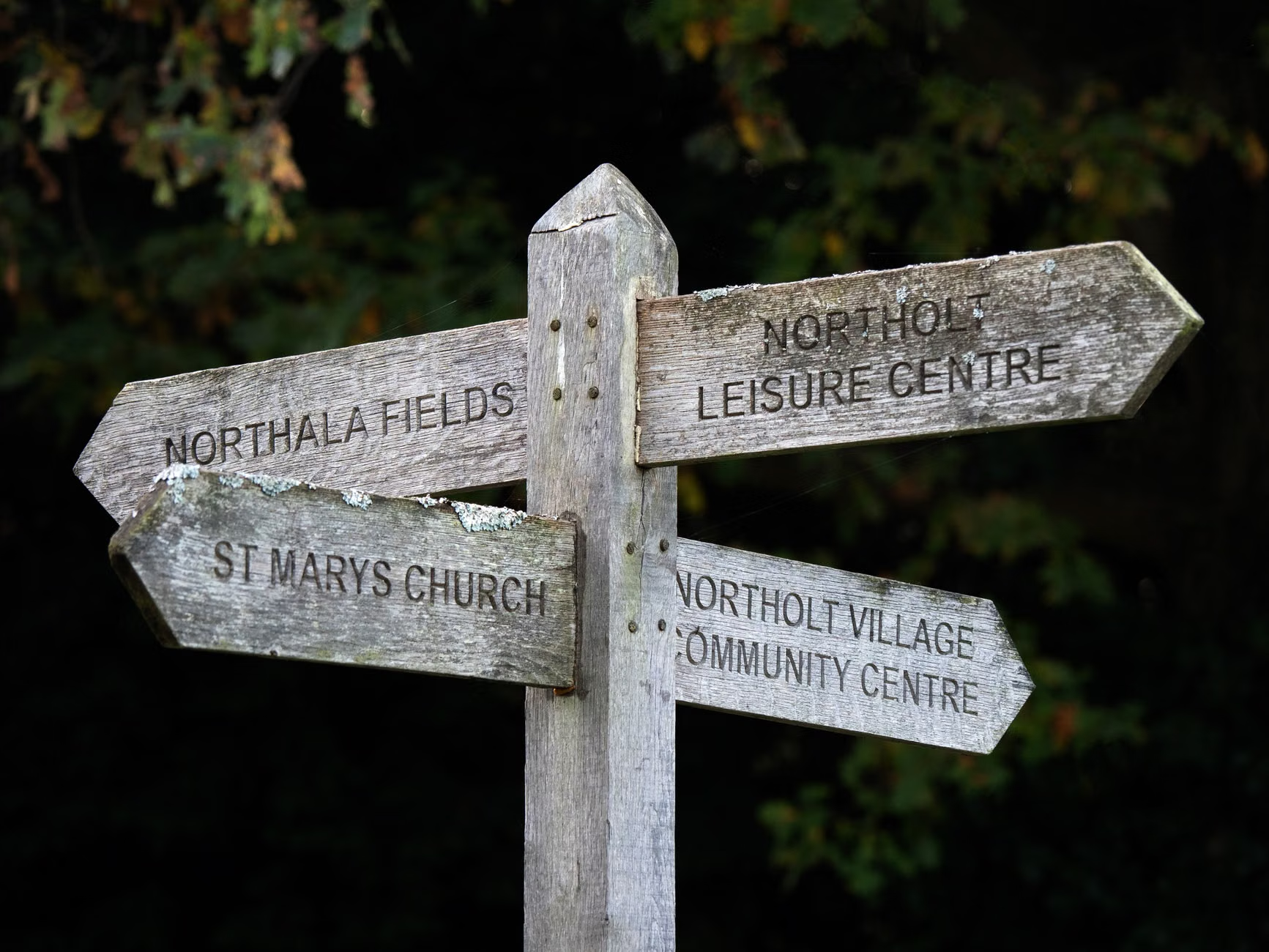
- Check the Logistics Early: Even local events have parking issues. Check the event website for shuttle information or parking maps before you leave.
- Bring the Essentials: Don’t rely on being able to buy everything you need at the festival. Bring portable seating, sunscreen, bug spray, and refillable water bottles.
- Engage with the Vendors: The best part of these festivals is the people. Take the time to talk to the local farmers or craftspeople. It transforms a simple transaction into a social experience.
- Manage Expectations: Remind the kids that it’s not Disneyland. It’s a community event. It might be smaller, but it’s real, and that’s the point.
The “Slow Travel” Philosophy Applied to Your Backyard
The concept of “slow travel” has been around for a while, usually associated with spending weeks in a remote European village. But “slow travel” is really a mindset, not a geography. It’s about being present, engaging with your surroundings, and rejecting the urge to rush. When you apply this to a local summer festival, you stop looking for the next “big thing” and start appreciating the small details: the way the local band interacts with the crowd, the specific way a local vendor prepares their food, or the way the town square lights up at dusk.
This is where the “30s and 40s” demographic finds the most value. We are at a stage where our lives are often segmented into “work,” “chores,” and “parenting.” A hyper-local festival acts as a bridge. It’s an activity that is appropriate for children, yet interesting enough for adults. It provides a shared experience that creates memories without the baggage of long-distance travel stress.
Of course, nothing is perfect. The main drawback of hyper-local festivals is that they can be weather-dependent and occasionally disorganized. You aren’t dealing with a professional event management team; you’re dealing with a local committee. Sometimes the music is too loud, or the food line is too long. The key here is to maintain that 30% wit—laugh off the hiccups and keep the focus on the experience rather than the perfection.
If you find that your local area is lacking in events, consider looking slightly further afield. A “micro-trip”—a drive of one to two hours—can feel like a major getaway if you frame it correctly. Stay in a local B&B for one night, hit the festival, and return home the next day. It’s the perfect compromise between a staycation and a major holiday.
Building a Community Connection
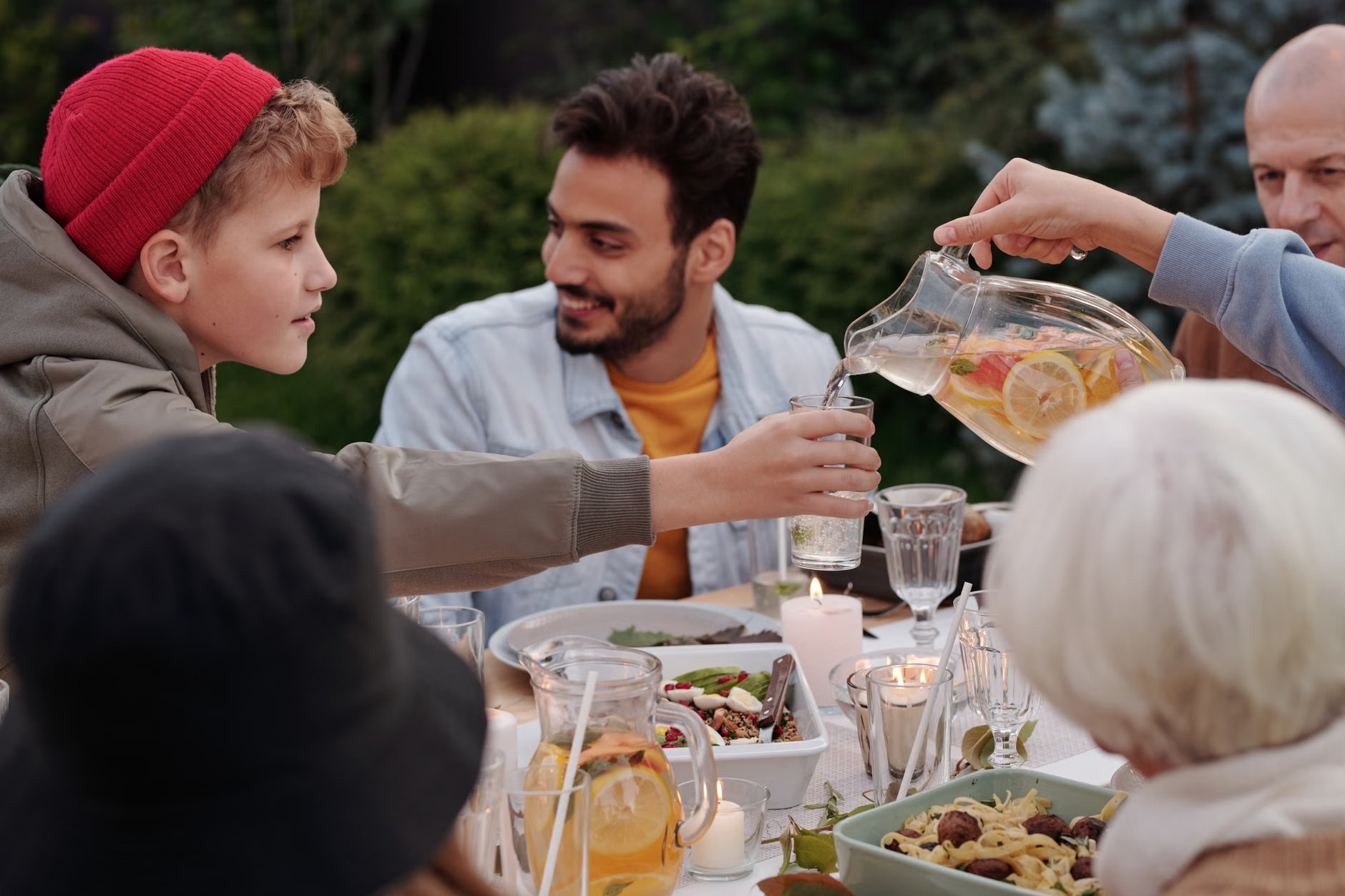
Beyond the personal enjoyment, there is a civic benefit to this shift. When we participate in local festivals, we are literally investing in our own neighborhood’s economy. We are helping local small businesses survive and thrive. In an era where online shopping and digital entertainment are isolating us, these physical, local gatherings are essential for social cohesion.
For your children, this is a lesson in community. It shows them that their home base is a place of activity and celebration, not just a place where they sleep and do homework. It builds a sense of pride in their local area that can last a lifetime.
Final Thoughts on Your Summer Strategy
As you plan your summer, consider the “less is more” approach. You don’t need a massive, expensive vacation to have a meaningful break. By embracing the hyper-local festival scene, you are choosing a path that prioritizes your well-being, your budget, and your community. It’s a way to reclaim your time, reduce your stress, and actually enjoy the season with the people who matter most.
Start small. Pick one event this month, go in with an open mind, and see what happens. You might find that the best part of your summer wasn’t a flight to a distant beach, but a warm evening in your own region, surrounded by neighbors and the simple, authentic joy of a local celebration.
For more information on local event planning and community tourism, you can explore resources from the Tourism Review or your local municipal government’s official community engagement pages.
Frequently Asked Questions
1. How can I find the best hyper-local festivals in my area?
Most towns have a “Parks and Recreation” or “Community Events” page on their official government website. Additionally, social media platforms like Facebook Events or local neighborhood apps are often the best places to find smaller, grassroots festivals that don’t have a big marketing budget.
2. Is a hyper-local festival really a “vacation”?
It depends on your definition. If your goal is to “get away,” you can combine a local festival with a one-night stay at a nearby boutique hotel or bed and breakfast. This provides the “vacation” feeling of sleeping in a new place without the logistical nightmare of long-distance travel.
3. What if the festival I choose turns out to be a disappointment?
That’s the beauty of the hyper-local approach: the stakes are low. If it’s not great, you haven’t wasted thousands of dollars. You can simply leave, grab a nice dinner nearby, or head home. Always have a “Plan B,” like a local park, a nice bookstore, or a favorite ice cream shop nearby, to salvage the day.