Key Takeaways for Parents
- Friendship shifts are natural: Changing interests and cognitive development mean that early elementary bonds often evolve or dissolve by middle childhood.
- Validate, don’t fix: Your child needs to feel heard and understood, not rescued from every minor social friction.
- Focus on building social resilience: Teach your child how to initiate play, resolve conflicts, and find value in multiple social circles rather than relying on a single “best friend.”
The most important thing to remember when your child comes home crying because their “best friend” decided to play with someone else is that this isn’t a tragedy—it is a developmental milestone. As parents in our 30s and 40s, we often project our own adult social anxieties onto our children. We want them to be popular, we want them to be included, and we want them to be happy. But the reality is that elementary school is a laboratory for social experimentation, and those experiments come with plenty of failed results.
When our kids hit the ages of seven to ten, their brains are rapidly moving from the “parallel play” of early childhood toward the complex, hierarchy-driven social structures of adolescence. This transition period is rarely smooth. It is marked by shifting alliances, “you can’t play with us” moments, and the sudden realization that a friend who loved Pokémon yesterday now only wants to talk about Minecraft. It is frustrating for the parent, heartbreaking for the child, and entirely normal.
Why Elementary Friendships Are Designed to Change
If you look at the research, child psychologists often point to the concept of “social cognition.” In early elementary years, a friend is essentially anyone who is physically nearby and willing to share a toy. It is transactional and situational. As children approach the age of eight or nine, their criteria for friendship shift toward shared interests, personality compatibility, and emotional support.
This shift is the primary driver of the “friendship fallout” we see in the third and fourth grades. A child who was best friends with a neighbor because they both had the same brand of scooter might suddenly find that they have nothing in common when they start developing different hobbies, academic interests, or social temperaments. This is not a failure of parenting; it is a sign that your child is developing an identity independent of their peer group.
Moreover, the classroom environment forces children into proximity with peers they might not choose on their own. When they start having the autonomy to choose their own playmates during recess, the social landscape changes overnight. The “best friend” from kindergarten may be replaced by a peer who shares a specific, niche interest. This can feel like a betrayal to a child who values stability, but it is actually a crucial step in learning how to navigate diverse social environments.
The “Best Friend” Trap
Many parents encourage the idea of a “best friend” because it sounds secure. We like the idea that our child has one person they can rely on. However, the “best friend” model is inherently fragile. When the entire social world of a child hinges on one person, a single disagreement or a minor shift in interest can feel catastrophic. It creates a “zero-sum game” where the child feels they have nowhere else to turn if that one relationship falters.
Instead, we should be encouraging our children to build a “social portfolio.” Much like diversifying an investment, having a variety of friends—some for sports, some for academic projects, some for neighborhood play—provides a buffer against the inevitable changes in any single relationship. If your child is struggling, ask them: “Who else in your class do you enjoy sitting with at lunch?” or “Who did you have fun working with on that project last week?” This helps them broaden their scope and realize that their social value isn’t tied to one specific peer.
How to Support Without Hovering
The urge to step in is powerful. When we hear about our child being excluded or having a falling out, we want to call the other parent, talk to the teacher, or organize a playdate to “fix” it. Resist that urge. Unless there is clear evidence of bullying or systemic exclusion, your child needs to learn how to navigate these waters themselves.
Think of yourself as a consultant rather than a manager. A manager steps in, takes the reins, and dictates the outcome. A consultant listens to the situation, asks probing questions, and helps the child identify their own potential solutions. Here is a framework for those conversations:
| Strategy | Actionable Step |
|---|---|
| The “Listen First” Rule | Let them vent for 10 minutes without interrupting. Don’t offer advice yet. Just validate the emotion: “That sounds like it really hurt.” |
| De-escalation | Ask, “Is this a ‘big deal’ (someone was hurt/bullied) or a ‘small deal’ (someone didn’t share/changed their mind)?” |
| Role-Playing | Ask, “What do you think you could say next time to let them know you want to play?” |
| Broadening Scope | Encourage them to join a new club or activity where they can meet kids who aren’t in their immediate social circle. |
By providing this space, you are building your child’s social resilience. They learn that they can handle discomfort, that they can articulate their feelings, and that relationships are dynamic rather than static. This is a skill set that will serve them far better in middle school, high school, and their professional life than having a parent who smooths over every bump in the road.

When to Step In: Identifying the Line Between Conflict and Bullying
While most friendship changes are a natural part of growth, we must be vigilant about the difference between a falling out and bullying. Bullying is characterized by a power imbalance and repetition. If your child is being systematically excluded, harassed, or threatened, that is the moment to stop being a consultant and start being an advocate.
Look for these warning signs:
- Physical symptoms: Frequent stomach aches or headaches specifically on school mornings.
- Avoidance: A sudden, intense refusal to go to school or participate in activities they previously loved.
- Mood shifts: Persistent anxiety, irritability, or a drop in academic performance that coincides with social changes.
- Direct evidence: Messages, notes, or consistent reports of targeted, repetitive mean-spirited behavior.
If you suspect bullying, document the incidents with dates and details. Contact the teacher or school counselor with a fact-based, non-accusatory approach: “I’ve noticed some changes in my child’s behavior and wanted to share what they’ve reported to me. I’d love to get your perspective on what is happening in the classroom.” This keeps the school as an ally rather than an adversary.
The Role of Digital Interaction in Elementary Friendships
Even for kids in the 7-10 age range, the digital world is starting to bleed into their social lives. Whether it’s through shared gaming platforms like Roblox or Minecraft, or even just texting on a shared family device, social dynamics are no longer confined to the playground. Digital communication lacks tone, body language, and context—the three things children are currently struggling to learn in person.
A misunderstanding that might be resolved with a “sorry” on the playground can escalate into a massive conflict when it happens over a chat platform. The “black and white” thinking common in elementary kids can lead to them blocking a friend over a minor disagreement. As a parent, you need to be aware of what platforms your child is using. If they are interacting with friends digitally, treat these interactions with the same level of guidance you would give their in-person play.
Set clear boundaries: “If you wouldn’t say it to their face, don’t type it.” Also, encourage them to take a break from the screen if they feel frustrated. A digital “time-out” is often the best way to prevent a minor social hiccup from turning into a full-blown friendship ender.
Fostering Empathy and Perspective-Taking
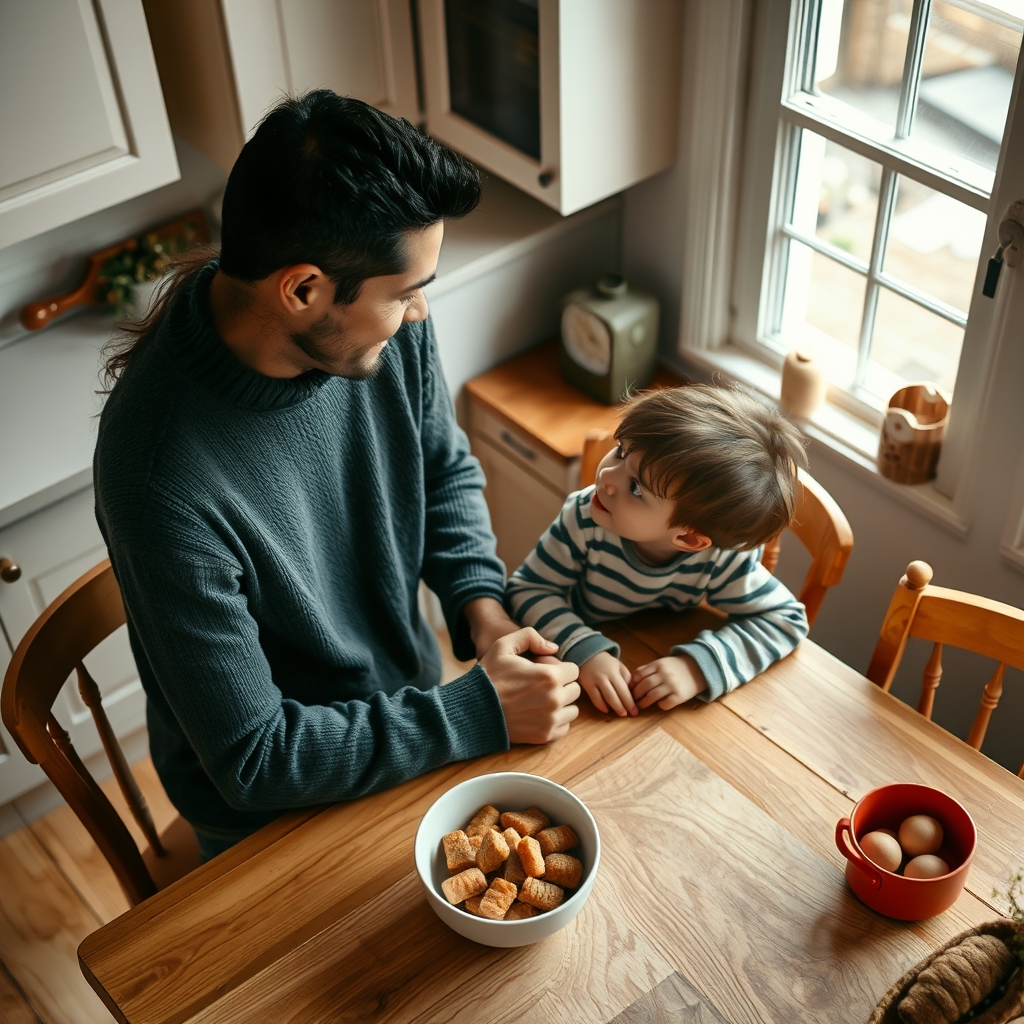
One of the most effective ways to help a child navigate friendship changes is to foster their ability to see things from another person’s perspective. It is easy for a child to feel like the victim: “They left me out!” But it is a much more advanced skill to ask, “Why do you think they wanted to play with someone else today? Do you think they were trying to learn a new game?”
This is not about making excuses for bad behavior. It is about understanding that other children are also struggling with their own social anxieties and developmental shifts. When a child realizes that their friend’s actions are likely about the friend’s own needs rather than a personal attack, the sting of rejection is significantly reduced.
Try using books or movies to discuss these themes. When a character in a story faces a social challenge, ask your child: “How do you think that character felt? What would you have done if you were in their shoes?” This creates a safe, low-stakes environment to practice emotional intelligence.
The Importance of Extracurriculars
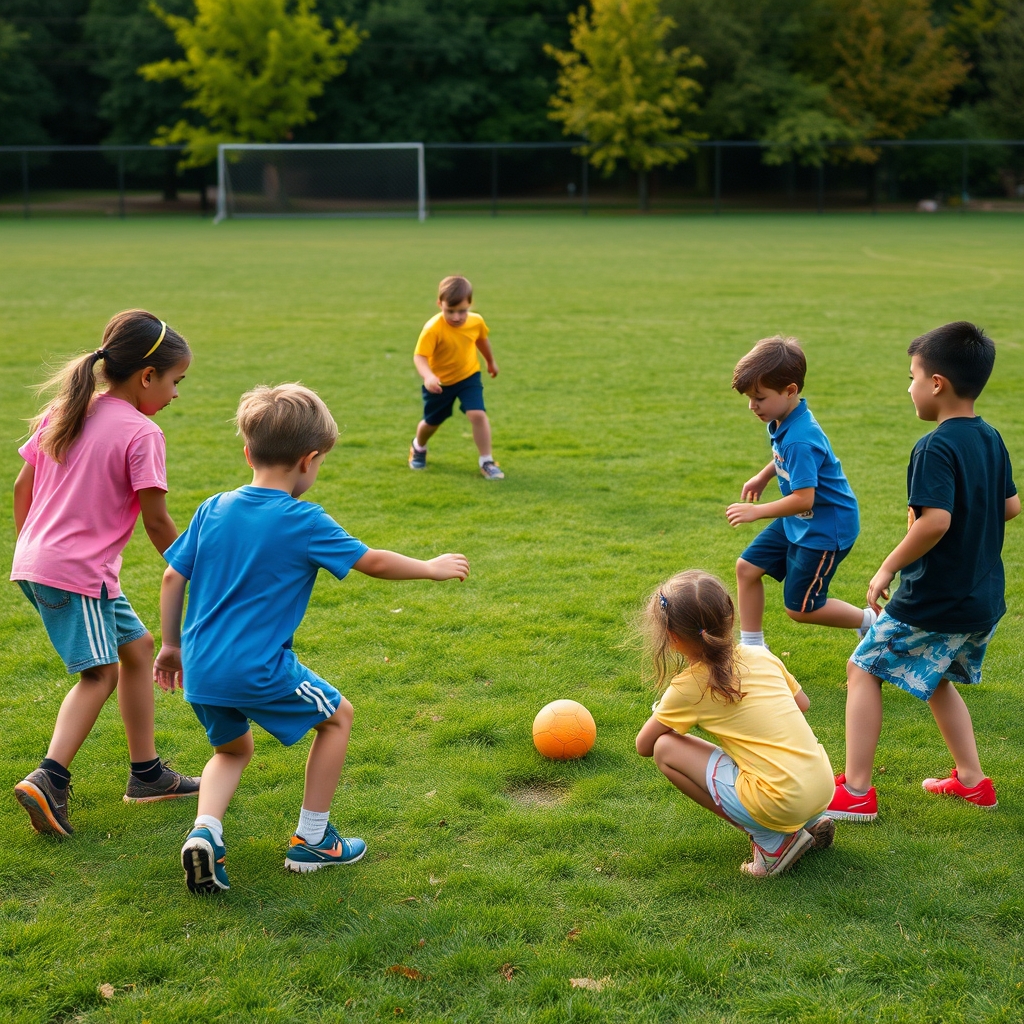
If your child’s social world at school is feeling particularly volatile, having a “third space”—an environment outside of school—can be a lifesaver. Whether it is a soccer team, a coding club, a pottery class, or a scouting group, these activities provide a fresh start. In these environments, children are often grouped by interest rather than by the arbitrary sorting of a classroom roster.
Being part of a team or a group with a common goal (like winning a game or building a project) naturally forces children to cooperate. It shifts the focus from “who is my friend?” to “what are we doing together?” This can be incredibly liberating for a child who feels socially “stuck” at school. It also gives them a chance to show different facets of their personality, which may attract a new, more compatible group of friends.
We’ve all been there: you are friends with the parents of your child’s best friend. When the kids have a falling out, it creates an awkward, often stressful, situation for the adults. The temptation to “fix” the kids’ relationship so you can keep hanging out with your friends is strong. However, this is a recipe for disaster.
First, it puts immense pressure on the children to stay friends, even if they have outgrown each other. Second, it can lead to resentment if the kids don’t “behave” the way you want them to. Keep your adult friendships separate from your child’s social life as much as possible. If the kids aren’t getting along, it is perfectly okay for you to continue your friendship with the parent while letting your child find their own path.
If you find that your child’s social life is completely dictated by your own social circle, it might be time to step back and give them more autonomy. Let them choose their own playdates, even if those friends aren’t the ones you would necessarily pick. You might be surprised to find that they gravitate toward children who are a much better fit for their evolving personality.
The Long-Term View: Building a Foundation
Ultimately, these elementary school years are the training ground for the relationships they will form for the rest of their lives. If we protect them from every disappointment, we deny them the chance to learn how to recover. If we over-manage their interactions, we deny them the chance to learn how to initiate and maintain relationships on their own terms.
The goal isn’t for them to have a perfect social life with no conflicts. The goal is for them to have the tools to handle those conflicts with grace, the emotional intelligence to understand their own needs and the needs of others, and the self-confidence to know that their worth is not defined by who they are sitting with at recess.
Be the steady, calm presence in their life. Be the person they can come home to when the world feels messy and confusing. By remaining the “safe harbor,” you give them the courage to sail out into the often-choppy waters of elementary friendships. They will stumble, they will be hurt, and they will grow. And in the end, they will be better prepared for the complex social realities of adulthood.
If you are feeling particularly overwhelmed, remember that you are not alone. Almost every parent of an elementary-aged child has sat in their car, staring at the school gate, wondering how to help their child navigate a social maze. It is a shared experience. Take a deep breath, keep the lines of communication open, and trust that your child is developing the resilience they need—even if it doesn’t look like it on the playground today.
Frequently Asked Questions
My child says they have no friends at school. How much should I worry?
It is important to determine if this is a perception or a reality. Sometimes, a child who is introverted or who has had a recent falling out will say “I have no friends” when what they mean is “I don’t have a best friend right now.” Ask specific questions: “Who do you sit near?” or “Who did you talk to during art?” If they genuinely seem isolated, focus on facilitating structured social opportunities like clubs or sports where the interaction is guided by an activity, which can be less intimidating than free-form recess.
Should I reach out to the other child’s parent if my child is upset?
Generally, no. Reaching out to another parent often complicates the situation and can make your child feel like you are interfering in their autonomy. Unless there is a safety issue or a specific incident that requires adult mediation (like property damage or clear-cut bullying), it is better to coach your child on how to handle the situation themselves. If you feel you must reach out, keep it brief and focused on the facts, not on “fixing” the kids’ relationship.
Shyness is a temperament, not a character flaw. Focus on “low-stakes” social practice. Encourage them to do small tasks that require interaction, like asking a librarian for help or ordering their own food at a cafe. At school, suggest they find one “bridge” person—someone who is also quiet or who shares a niche interest. You don’t need to be the loudest kid on the playground to have meaningful friendships; you just need to find the right peer group.
For more information on supporting healthy social-emotional development in children, you can refer to resources from the American Psychological Association (APA) or the Child Mind Institute, both of which offer evidence-based guidance for parents navigating the complexities of childhood development.