The secret to a successful family vacation that includes your furry companion isn’t just about finding a hotel that allows pets—it is about meticulous coordination between your children’s needs and your pet’s comfort.
- Vet Verification: Always carry a digital and physical copy of your pet’s vaccination records, especially if crossing state or international borders.
- Routine Consistency: Maintain your pet’s feeding and exercise schedule as closely as possible to reduce travel-induced anxiety.
- Pre-Trip Desensitization: Take your pet on short, positive trial car rides or walks with their crate before the actual departure date.
You have finally managed to get the kids packed, the itinerary sorted, and the house locked up. But then you look at the family dog, who is tilting his head, wondering why he is being left behind or, alternatively, looking slightly panicked by the sudden shift in household energy. We have all been there. Traveling with children is an exercise in managing logistics; adding a pet into the mix turns that exercise into a complex, multi-layered puzzle.
For parents in their 30s and 40s, the goal of a vacation is often to break the monotony of the school run and the 9-to-5 grind. However, leaving the pet at a kennel can be costly and emotionally difficult. Bringing them along is a growing trend, but it requires more than just finding a “pet-friendly” sign on a booking website. Let’s break down how to actually pull this off without losing your sanity.
Understanding the “Pet-Friendly” Fine Print
The term “pet-friendly” is remarkably subjective in the travel industry. To one hotel, it means they have a designated area for dogs to relieve themselves. To another, it might mean they provide a luxury bed, gourmet treats, and a concierge who knows the best local hiking trails. You must look past the marketing language.
Before you book, you need to verify specific policies. Does the property charge a “pet fee” or a “pet deposit”? A fee is usually non-refundable, while a deposit might be returned if there is no damage. Furthermore, check for weight limits and breed restrictions. Many chain hotels have strict weight caps, often around 40 to 50 pounds. If you have a larger dog, you might find yourself checking into a hotel only to be told they cannot accommodate your specific breed or size at the front desk.
Another often overlooked detail is the “unattended pet” policy. Many hotels prohibit leaving a pet alone in the room, even if they are crated. If you plan on going to a museum or a restaurant that isn’t pet-friendly, this policy can derail your entire afternoon. Always call the property directly to confirm these details rather than relying solely on third-party booking sites, which often use generic, outdated information.

Mastering the Logistics of Transit
Whether you are driving or flying, the transit phase is where most problems occur. Driving is generally the easiest option for pets, but it requires a strategic approach to safety. A pet roaming freely in a car is a significant distraction and a safety hazard in the event of an accident.
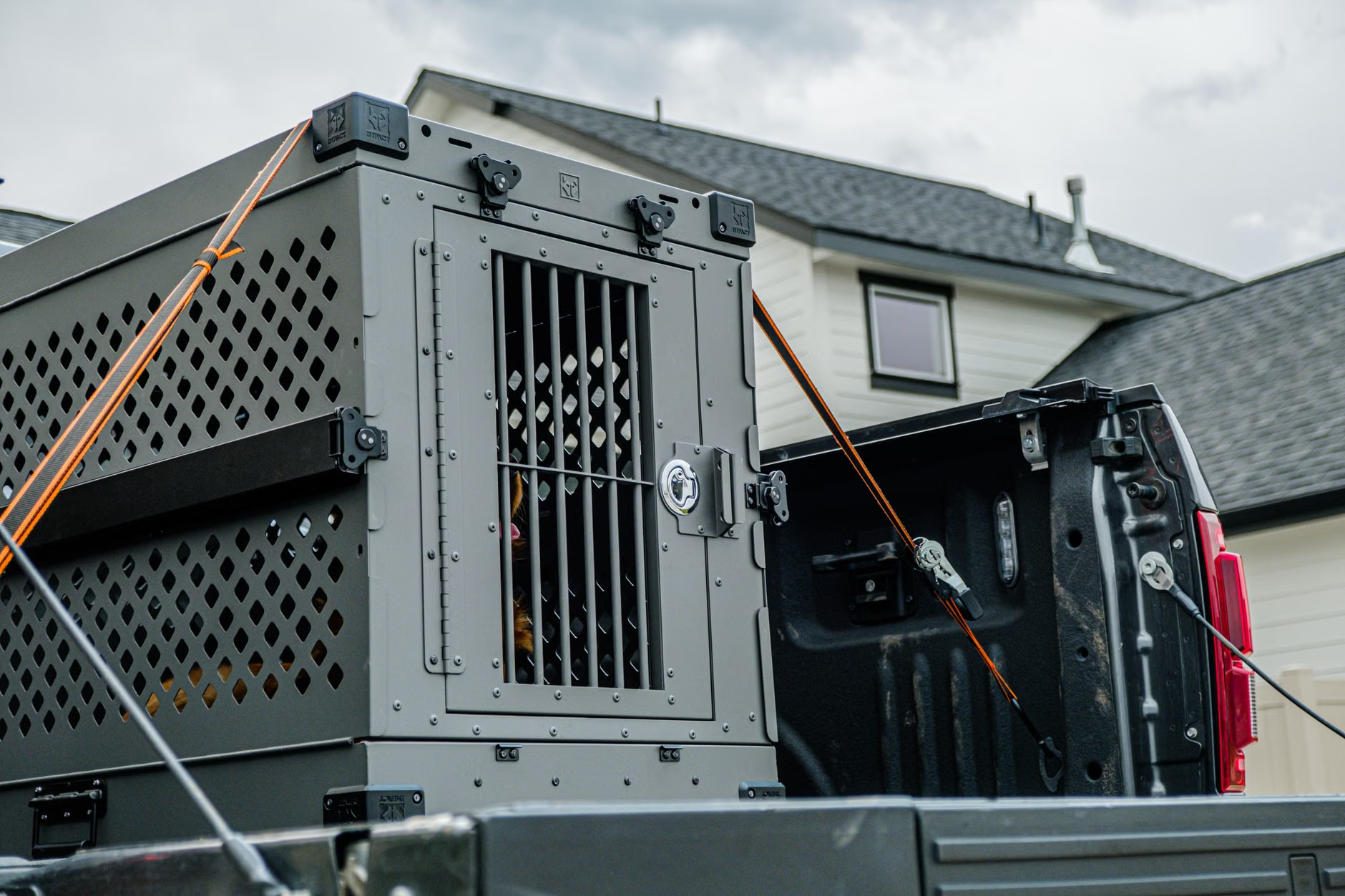
For children, we use car seats; for pets, we should use crash-tested harnesses or secure crates. If you are using a crate, ensure it is large enough for the pet to stand up and turn around in comfortably. If you have a long drive ahead, plan for stops every three to four hours. Use this time not just for the pet to relieve themselves, but to allow your children to burn off energy as well. It’s a “double-win” strategy that keeps everyone’s mood elevated.
| Category | Essential Item | Why it Matters |
|---|---|---|
| Safety | Crash-tested harness/crate | Prevents injury and driver distraction. |
| Health | Recent vaccination records | Required for hotels and emergency care. |
| Comfort | Familiar bedding/toys | Reduces anxiety in new environments. |
| Hygiene | Travel-sized cleaning kit | Essential for accidental spills or accidents. |
If you are flying, the complexity increases exponentially. Research the airline’s specific pet policy, which varies wildly between carriers. Some allow small pets in the cabin, while others require them to travel in the cargo hold—an option that many pet owners find stressful. If you must fly, look for direct flights to minimize the time your pet spends in transit. Always consult your veterinarian before flying, especially if your pet is older or has respiratory issues, as cabin pressure can affect them differently than humans.
Managing the Pet’s Psychological Comfort
Pets are creatures of habit. When you uproot them, it is common for them to exhibit signs of stress, such as pacing, panting, or changes in eating habits. Your children will likely be excited, loud, and energetic, which can add to a pet’s confusion. To mitigate this, keep the pet’s “home base” consistent.
Bring the same bed they use at home. The familiar scent acts as a security anchor. If your pet is crate-trained, bring the crate and use it as their designated “safe zone” in the hotel room or vacation rental. When the room becomes too chaotic with the kids playing, the crate provides a quiet, protected space where the pet can retreat.
Don’t forget the power of exercise. A tired dog is a well-behaved dog. Before heading out for a day of sightseeing, ensure your pet has had a long morning walk or a significant play session. This helps them burn off the adrenaline that comes with travel and makes them more likely to rest quietly while you are out or relaxing in the evening.
The Importance of Health and Legal Documentation
It might feel like overkill, but carrying a folder with your pet’s medical history is non-negotiable. If you are traveling across state lines or internationally, you may be legally required to provide a Certificate of Veterinary Inspection (CVI), also known as a health certificate, issued by a licensed veterinarian. This document confirms that your pet is healthy and up-to-date on vaccinations, particularly rabies.
Keep a digital copy of these documents on your phone and a hard copy in your bag. If you end up at an emergency vet clinic in an unfamiliar town at 2:00 AM, having the medical history ready will save precious time and likely prevent unnecessary, repetitive treatments. It is also wise to ensure your pet’s microchip information is updated with your current mobile number, not your home phone, so you can be reached immediately if they get separated from you.

Strategic Planning for Daily Activities
When planning your daily itinerary, you have to be realistic about the “pet gap.” You cannot bring your pet everywhere. National parks, for instance, often have strict rules about where pets can go, usually limiting them to paved roads and campgrounds. If you plan to visit a major attraction, check their website for a “pets” section. If they don’t have one, assume pets aren’t allowed.
Use the “divide and conquer” method if you are traveling as a couple. One parent can take the kids to a non-pet-friendly museum or attraction while the other takes the dog for a hike or a local park visit. Then, swap. This ensures that everyone gets to see the sights while the pet remains cared for. Alternatively, look into local pet daycare centers in your destination city. Many cities have high-quality “doggy daycares” where you can drop your pet off for the day while you explore areas that are off-limits to animals.
Handling the “What-Ifs” and Emergency Scenarios
No matter how well you plan, things will go wrong. Maybe your dog gets an upset stomach from local water, or your child accidentally leaves the hotel door ajar and the pet slips out. These are the moments where preparation pays off.
First, identify the nearest 24-hour emergency veterinary clinic in your destination before you even leave home. Bookmark the address and phone number on your map app. Second, pack a “pet first-aid kit.” This should include basic bandages, antiseptic wipes, a thermometer, and any daily medications your pet requires, plus a little extra in case your return trip is delayed. If your pet has a sensitive stomach, bring their regular food for the entire trip rather than relying on finding the same brand at a local store.
If you are staying in a rental property, be extra vigilant about damage. Pets can be nervous in new spaces and may scratch at doors or chew items they wouldn’t touch at home. Do a “pet-proofing” sweep as soon as you arrive: tuck away loose electrical cords, ensure no toxic plants are within reach, and check for small items that could be choking hazards. Being proactive about the environment protects both your security deposit and your pet’s health.
The Value of Patience and Flexibility
Finally, the most important tip is to lower your expectations regarding productivity. Traveling with a family is already slow-paced; adding a pet makes it even slower. You will have to stop more often, you will have to navigate around pet-friendly areas, and you might have to skip that one trendy restaurant that didn’t allow dogs. That is okay.
The goal is to create shared memories. If that means a slightly shorter sightseeing list but a much more relaxed, inclusive trip where your pet is part of the experience, then you have succeeded. The kids will likely remember the time they played fetch with the dog on a beach in a new state far more than they will remember the specific architecture of a museum you didn’t quite make it to.
Start with short, local trips to test your routine before attempting a cross-country journey. Observe how your pet handles the hotel environment, how the kids manage the added responsibility of looking after the animal, and where the gaps in your planning are. You will learn more from one weekend trip than from any amount of online research. Treat the process as a learning curve, stay flexible, and keep the focus on the joy of having your whole family together.
For more specific guidelines on pet travel regulations, you can check the following official resources:
Frequently Asked Questions
1. Can I leave my pet alone in a hotel room if I use a “Do Not Disturb” sign?
Most hotels explicitly prohibit leaving pets unattended, even with a sign. The risk of the pet barking, causing damage, or escaping when housekeeping enters is too high. Always clarify the hotel’s specific policy before booking, as some may allow it only if the pet is crated and you provide a cell phone number for emergencies.
2. What should I pack in a pet travel emergency kit?
Your kit should include a copy of medical/vaccination records, a recent photo of your pet, a leash, a collapsible water bowl, a first-aid kit (gauze, antiseptic, tweezers for ticks), and enough of their regular food and medication for the duration of the trip plus an extra 48 hours in case of travel delays.
3. How can I help my pet stay calm in a new environment?
Consistency is key. Bring items that smell like home, such as their bed, a blanket, or a favorite toy. Try to maintain their normal feeding and walking schedule as closely as possible, and provide them with a “safe zone,” such as a crate or a specific corner of the room, where they can retreat when they feel overwhelmed by the change in their surroundings.
Traveling with the whole family is a significant undertaking, but with the right preparation, it can be a rewarding way to bond. Keep your plans realistic, prioritize the safety and comfort of your pet, and remember that the best part of the trip is simply being together.