The secret to surviving a theme park trip with your sanity—and your bank account—intact is not about arriving earlier or running faster; it is about choosing dates that everyone else is busy ignoring. By shifting your travel window to the “off-peak” shoulder seasons, you can effectively cut your wait times by over 60% and significantly reduce the total cost of your family vacation.
Key Takeaways
- The Calendar is King: Avoiding school holidays, long weekends, and local festivals is the single most effective way to guarantee shorter lines.
- Cost Optimization: Off-peak travel typically correlates with lower hotel rates and reduced dynamic ticket pricing, saving families hundreds of dollars.
- Manageable Pacing: Lower crowds allow for a more relaxed itinerary, meaning you can actually enjoy the atmosphere rather than sprinting from one attraction to the next.
We have all been there. You spend months saving up, you book the flights, you pack the snacks, and you arrive at the gates with high hopes. Then, reality hits. The queue for the most popular ride is already 120 minutes long, the air is thick with humidity, and your youngest child is currently staging a protest because they cannot get a front-row seat to the parade. It is the classic “vacation fatigue” that hits parents in their 30s and 40s particularly hard. We are no longer the college students who can sleep on a bus or survive on caffeine and adrenaline. We need a strategy that prioritizes comfort, efficiency, and actual enjoyment.
Understanding the Mechanics of Peak vs. Off-Peak
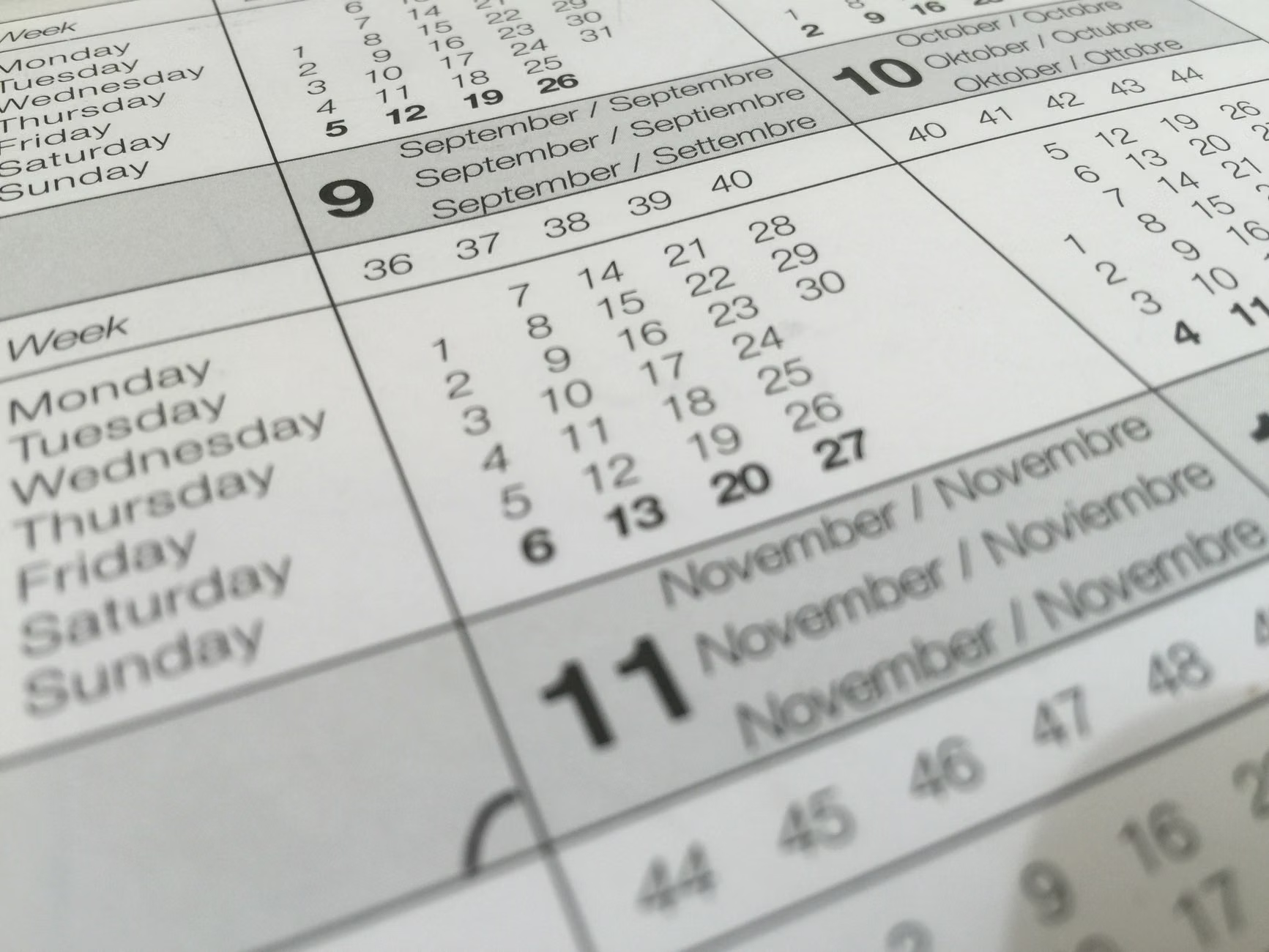
To master the off-peak strategy, you first need to understand why crowds exist in the first place. Theme park attendance is dictated by a rigid rhythm: the school calendar. When kids are in school, parks are generally quieter. When school is out, the parks are packed. However, it is not just about the academic year. You also have to account for regional holidays, spring break windows, and local events that draw large crowds.
Peak periods are defined by high demand. During these times, parks employ “dynamic pricing,” which means your ticket costs more because the park knows they can sell out regardless. Hotels near the park also spike their rates, and food services are stretched to their limits. You aren’t just paying more; you are paying more for a lower-quality experience, characterized by long lines and limited seating.
Off-peak periods, conversely, are the “shoulder seasons.” This is usually the time immediately following a major holiday or the weeks just before a school break begins. For many major parks, this means mid-to-late January, early February, late April, early May, September (after Labor Day), and early November. During these times, the park infrastructure is designed to handle the influx, but the influx never arrives. The result is a park that feels manageable, where you can actually walk from A to B without weaving through a sea of strollers.
The Financial Advantage of Strategic Timing
Let’s talk numbers. Many major theme park operators have moved toward date-based ticketing. This means a one-day ticket on a Saturday in July might cost 40% more than a Tuesday in February. If you are a family of four, that difference alone can cover the cost of a nice dinner or a souvenir haul.
Beyond the ticket price, accommodation is the biggest variable. Hotels near popular theme parks use complex algorithms to adjust room rates based on occupancy. When you travel off-peak, you are often booking when hotels are desperate to fill rooms. This gives you significant leverage. You can often find “stay longer, save more” deals that are simply not available during the busy summer months. Furthermore, many parks offer bundled packages—hotel plus tickets—that are heavily discounted during these quiet periods to incentivize attendance.
Another often overlooked financial benefit is the reduction in “impulse spending.” When you are stressed, hot, and waiting in a two-hour line, you are much more likely to buy overpriced snacks, extra drinks, and unnecessary merchandise just to keep the kids happy. When the lines are short and you have time to relax, you are more in control of your spending. You can plan your meals, carry your own water bottles, and take breaks at your hotel, which drastically lowers your daily incidental costs.
Executing the Strategy: A Step-by-Step Guide
Planning an off-peak trip isn’t just about picking a random Tuesday in November. It requires a bit of detective work. Here is how you can build your own strategy for success.
1. Audit the Regional Calendar
Before you commit to a date, look beyond your own school calendar. Check the local school district calendars for the city where the park is located. If the local kids are on fall break, the park will be busy, even if your own kids are still in school. Additionally, check for major conventions or sporting events in the area. A massive tech conference or a regional cheerleading competition can fill up every hotel room within a 20-mile radius, driving up prices even if the park itself is relatively quiet.
2. The “Tuesday-to-Thursday” Rule
If you can swing it, always target mid-week travel. Weekend crowds are inevitable because they include locals who visit on their days off. By traveling Tuesday through Thursday, you avoid the “weekend warrior” traffic. If you must travel on a weekend, aim to make it the Friday or Monday of a long weekend, as many people travel on the Saturday/Sunday and leave early.
3. Use Historical Crowd Trackers
There are several reputable websites that track historical park attendance. While they cannot predict the future with 100% accuracy, they provide a very reliable baseline based on years of data. Look for trends. If the data shows that the third week of September has consistently low crowds for the last five years, it is a safe bet for your planning.

Common Mistakes and How to Avoid Them
Even with the best intentions, parents often fall into traps that can ruin a perfectly good off-peak trip. Here are a few things to watch out for:
| Mistake | Why it happens | The Fix |
|---|---|---|
| Ignoring Refurbishment Schedules | Parks perform maintenance during slow periods. | Check the official park website for ride closures before booking. |
| Over-scheduling | The temptation to “do everything” because lines are short. | Stick to a “must-do” list of 3-4 items; keep the rest flexible. |
| Underestimating the Weather | Off-peak often means “off-season” weather. | Pack layers; look for rain-ready gear if traveling in “shoulder” months. |
The biggest mistake is the “FOMO” (Fear Of Missing Out) mindset. Just because the lines are short doesn’t mean you need to run yourself ragged. The joy of the off-peak strategy is the ability to take a slow morning, enjoy a leisurely lunch, and head back to the hotel for a swim. If you treat an off-peak trip with the same intensity as a peak-season sprint, you will return home just as exhausted as if you had gone during the busiest week of the year.
Technical Tools for the Modern Parent
In our 30s and 40s, we have the benefit of technology to help us manage these trips. Most major theme parks now have official apps that provide real-time data. During your trip, use these apps to monitor wait times throughout the day.
Even in the off-peak season, there will be “peaks” within the day. Mid-day (11:00 AM to 3:00 PM) is almost always the busiest time as day-trippers arrive. Use your app to identify which areas of the park are less crowded during these hours. Often, moving to the “back” of the park or visiting indoor shows during the heat of the day can save you hours of standing in line.
Don’t be afraid to use third-party planning tools as well. Some services provide “touring plans” that use algorithms to suggest the most efficient route through the park. While you don’t need to follow them religiously, they offer a great framework for understanding the flow of the park. They can teach you the “rope drop” strategy (getting to the park at opening) versus the “late arrival” strategy. Generally, in the off-peak season, the rope drop is less critical than in peak season, which means you can actually sleep in a little and still have a great day.

The Importance of Managing Expectations
Let’s be real for a moment. Even with the perfect strategy, things will go wrong. A ride will break down, a child will have a tantrum, or it will rain. The goal of the off-peak strategy is not to create a “perfect” vacation, but to create a “manageable” one.
When you are in your 30s and 40s, you are likely balancing work, parenting, and a dozen other responsibilities. A vacation should be a reset, not another project to manage. By choosing off-peak times, you are essentially reducing the number of “friction points” in your day. Fewer crowds mean less physical maneuvering, less waiting, and less stress. This allows you to focus on the moments that actually matter: seeing your child’s face light up when they meet a character, or enjoying a quiet moment with your partner while the kids are occupied.
If you find yourself getting stressed, stop. Take a breath. Look at the data again, or better yet, put the phone away. The beauty of the off-peak strategy is that you have the time to be flexible. If a ride line is longer than you’d like, you don’t have to force it. You can come back later, or skip it entirely. You are no longer held hostage by the pressure of “getting your money’s worth” in a single, high-stress day.
Addressing Potential Downsides
It is only fair to mention that the off-peak strategy is not perfect. There are trade-offs. The most significant is the reduction in park hours and entertainment. During the off-peak season, parks often close earlier. You might miss out on nighttime spectaculars or parades that only run on weekends or peak days. Furthermore, some seasonal attractions or dining options may be closed for maintenance.
You have to weigh these factors against the benefit of shorter lines. If your child’s absolute favorite part of the trip is the nighttime fireworks, then an off-peak trip during a time when those shows are canceled might not be the right choice for your family. Always check the park’s operational calendar for the specific dates you are considering to ensure that the “must-haves” for your family are still being offered.
Additionally, off-peak weather can be unpredictable. If you choose early November or late April, you are in the shoulder season, which is often beautiful but can also bring sudden temperature swings or rain. Being prepared with the right gear—ponchos, layers, and comfortable, waterproof walking shoes—is essential. Do not let a little rain ruin the trip; often, a light rain shower is the best thing that can happen to an off-peak day, as it drives away the remaining crowds, leaving the park wide open for those who stay.
Final Considerations for Your Next Trip
Ultimately, the off-peak strategy is about reclaiming your time and your energy. It is a shift from “survival mode” to “enjoyment mode.” By being deliberate about when you go, you are making a conscious decision to prioritize your family’s experience over convenience or conventional wisdom. It requires a bit more research and a willingness to step off the beaten path, but the rewards—a calm, fun, and affordable vacation—are well worth the effort.
Take the time to look at the upcoming year. Look for those quiet windows. Talk to your family about what they really want out of the trip, and build your plan around those goals. Remember that the best vacations aren’t measured by how many rides you conquered, but by the memories you made without the stress of constant waiting.
For more information on planning, always refer to the official websites of the theme parks you intend to visit. They provide the most accurate information regarding hours, ticket pricing, and refurbishment schedules. Staying informed is your best defense against the unexpected.
Good luck with your planning. May your lines be short and your coffee be strong.
Frequently Asked Questions
Does “off-peak” mean the park will be empty?
Not necessarily. “Off-peak” means the park will be significantly less crowded than during holidays or summer breaks. You will still see other guests, but you will find that queues for major attractions are manageable, and navigating the park becomes much easier. It is a relative term, not an absolute one.
Is it worth going if some rides are closed for maintenance?
It depends on your priorities. If you or your children have a “must-ride” attraction, always check the maintenance schedule before booking. However, many families find that the trade-off—fewer crowds and lower costs—is well worth skipping one or two rides that are under repair, especially since you will likely get to ride everything else twice.
How far in advance should I book to get the best off-peak rates?
For most major theme parks, booking 3 to 6 months in advance is the sweet spot. This allows you to track pricing trends and secure hotel rates before they start to climb as the date approaches. Sign up for newsletters from the parks or travel sites you use; they often send notifications about promotional windows that align with off-peak travel.
Sources and further reading: