The secret to a thriving balcony garden isn’t a green thumb—it’s stopping the fight against your local climate by choosing plants that are already adapted to your specific bio-region. Most urban gardeners fail because they treat their balcony like a generic greenhouse rather than an extension of the local ecosystem, leading to constant plant replacement, wasted money, and unnecessary stress for busy parents.
- Bio-regional selection: Focus on plants native to your specific latitude and climate zone to ensure they thrive with minimal intervention.
- Micro-climate mapping: Your balcony has its own unique weather patterns—map your sun, wind, and water exposure before buying a single seed.
- Container physics: Use high-quality, lightweight potting mixes and self-watering reservoirs to mitigate the rapid moisture loss inherent in elevated urban spaces.
If you have ever spent a small fortune at a garden center, only to watch your expensive, non-native ferns wilt within a week of being placed on a windy tenth-floor balcony, you aren’t alone. It is the classic urban gardening trap: we want the aesthetic of a lush, tropical jungle, but our balconies are often harsh, exposed, and disconnected from the ground-level environment. By shifting your perspective toward bio-regional gardening, you aren’t just saving money—you’re creating a resilient space that actually supports local pollinators and requires far less of your limited time.
What is Bio-Regional Gardening and Why Your Balcony Needs It
Bio-regionalism is, at its heart, the practice of living in accordance with the natural features and characteristics of your immediate geographical area. In a gardening context, this means choosing plants that have evolved to handle your region’s specific rainfall patterns, temperature fluctuations, and soil composition. When you work with your region rather than against it, your plants aren’t just surviving; they are doing the heavy lifting for you.
For a parent in their 30s or 40s, the appeal is practical: a native plant, once established, is inherently more resistant to local pests and diseases. It doesn’t need the constant chemical fertilizers or intensive watering schedules that “exotic” varieties demand. If you live in a Mediterranean climate, planting lavender or rosemary is a bio-regional choice that thrives on neglect. If you try to grow high-humidity tropical orchids in that same spot, you are signing yourself up for a lifetime of misting bottles and constant anxiety.
The Trade-off: You might lose the “Instagram-perfect” look of a tropical oasis, but you gain the peace of mind that comes with a low-maintenance, flourishing balcony. The goal is to build a garden that fits your life, not a life that revolves around your garden’s demanding schedule.
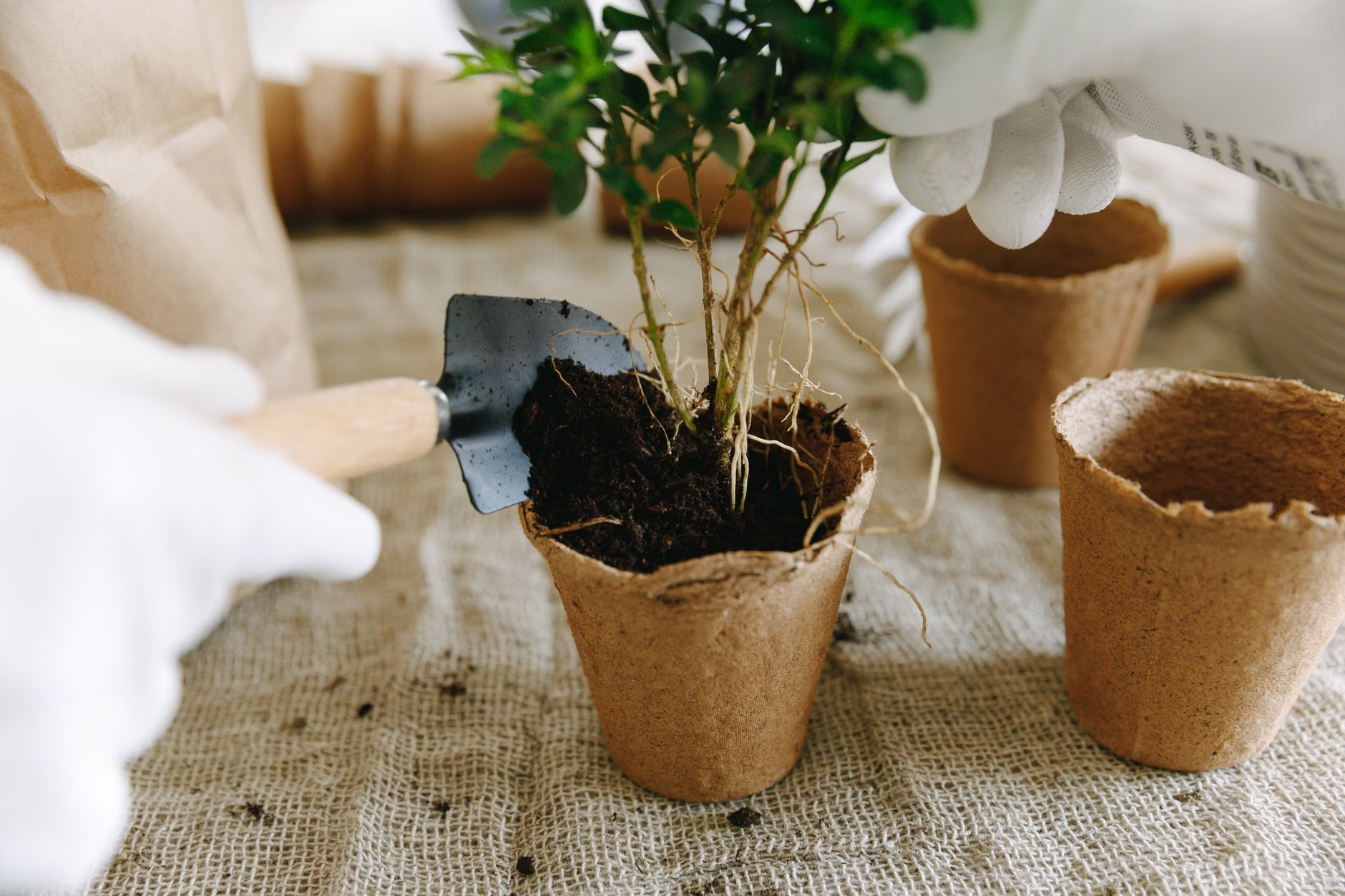
Mapping Your Balcony’s Unique Micro-Climate
Before you buy a single plant, you need to understand that your balcony is a micro-climate. Even two apartments in the same building can have vastly different growing conditions based on their orientation. A south-facing balcony in the Northern Hemisphere is a sun-drenched furnace, while a north-facing one is a shaded, cool retreat. You must audit your space to understand what it can actually support.
The Four Pillars of Balcony Assessment
| Factor | What to Observe | Why It Matters |
|---|---|---|
| Sun Exposure | Hours of direct light per day | Determines if you can grow sun-lovers (tomatoes, peppers) or shade-dwellers (ferns, hostas). |
| Wind Velocity | Is it a wind tunnel? | High winds desiccate plants rapidly; you may need wind-hardy shrubs or to install temporary screens. |
| Weight Load | Capacity of your balcony slab | Wet soil is heavy. Don’t risk structural issues; use lightweight, high-quality potting mixes. |
| Water Access | Proximity to a tap | If you have to carry buckets, you will stop watering. Invest in a long hose or a self-watering system. |
A common mistake is assuming that “full sun” always means the same thing. In an urban environment, reflectiveness matters. If you have white walls or glass windows adjacent to your balcony, you are effectively doubling the intensity of the sun through reflection. This can scorch plants that might be perfectly happy in a field, but miserable on your balcony. Always observe your space for a full 24-hour cycle before committing to a plant list.
Selecting Plants Based on Your Local Ecosystem
Once you know your conditions, look to the plants that thrive in the wild spaces around your city. If you live in a coastal city, look for salt-tolerant, hardy perennials. If you are in a high-altitude urban area, look for plants that can handle rapid temperature swings between day and night.
Avoid the “big box store” trap where they sell whatever is currently in bloom, regardless of whether it fits your local season or climate. Instead, search for “native plant nurseries” near you. These establishments are usually run by experts who can tell you exactly which species are native to your specific county or province. When you choose native, you are supporting local biodiversity, which is a great talking point for teaching children about the environment.
Decision Rule: If a plant requires a dedicated fertilizer schedule, constant pruning, or protection from basic local weather, it is not a good candidate for a low-maintenance balcony. If it has been growing in your region for hundreds of years without human help, it is likely the perfect candidate for your pots.
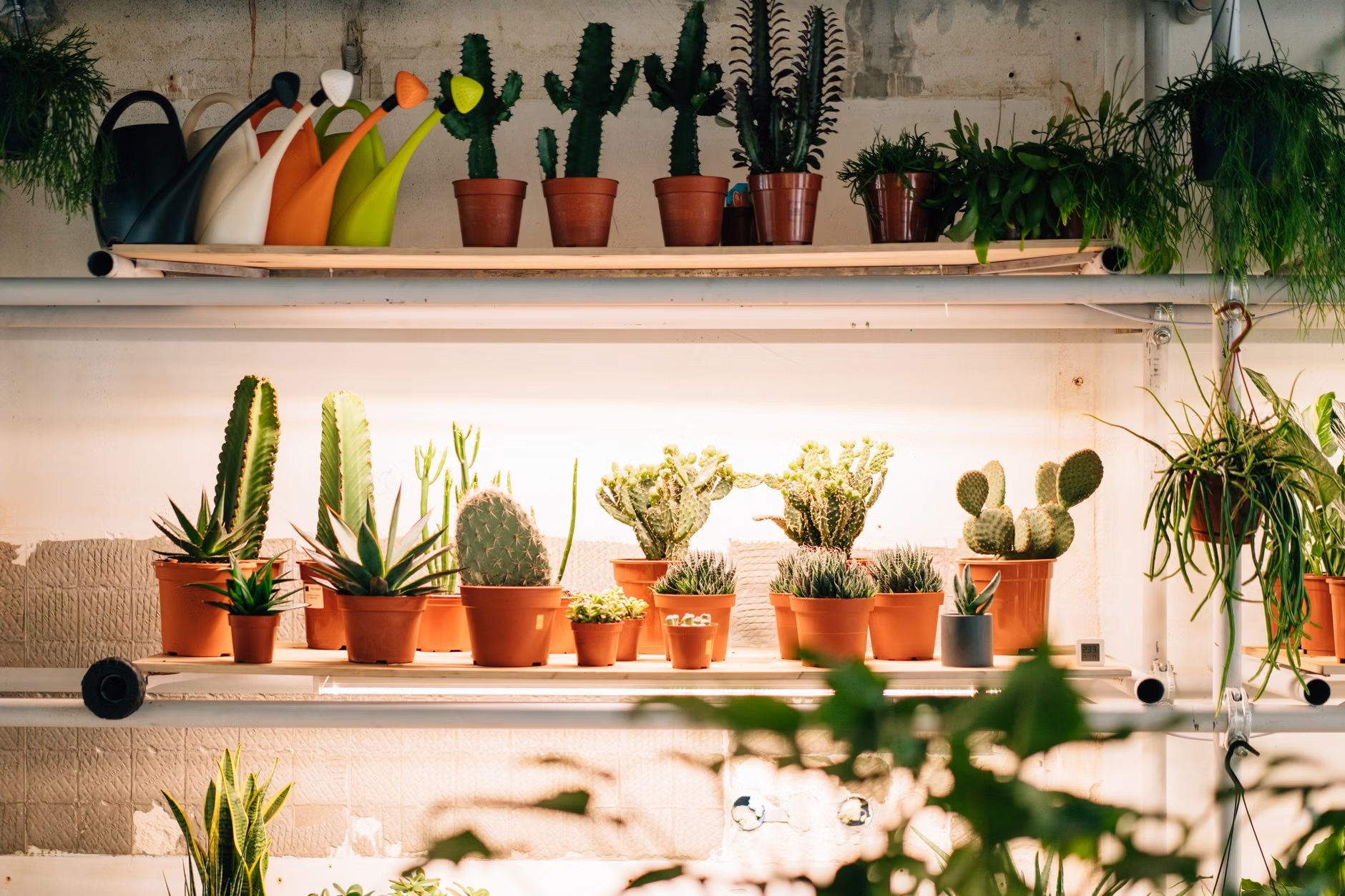
The Physics of Container Gardening
In the ground, plants have access to a vast reservoir of moisture and nutrients. In a pot, they are entirely dependent on your intervention. This is why “bio-regional” doesn’t mean “throw it in any old dirt.” You must master the container environment to succeed.
Choosing the Right Medium
Standard garden soil is a disaster for containers. It compacts, drains poorly, and can harbor soil-borne diseases. Use a high-quality, peat-free potting mix that includes perlite or vermiculite for drainage. For the eco-conscious, look for coconut coir-based mixes, which are a sustainable alternative to peat moss.
The Irrigation Reality
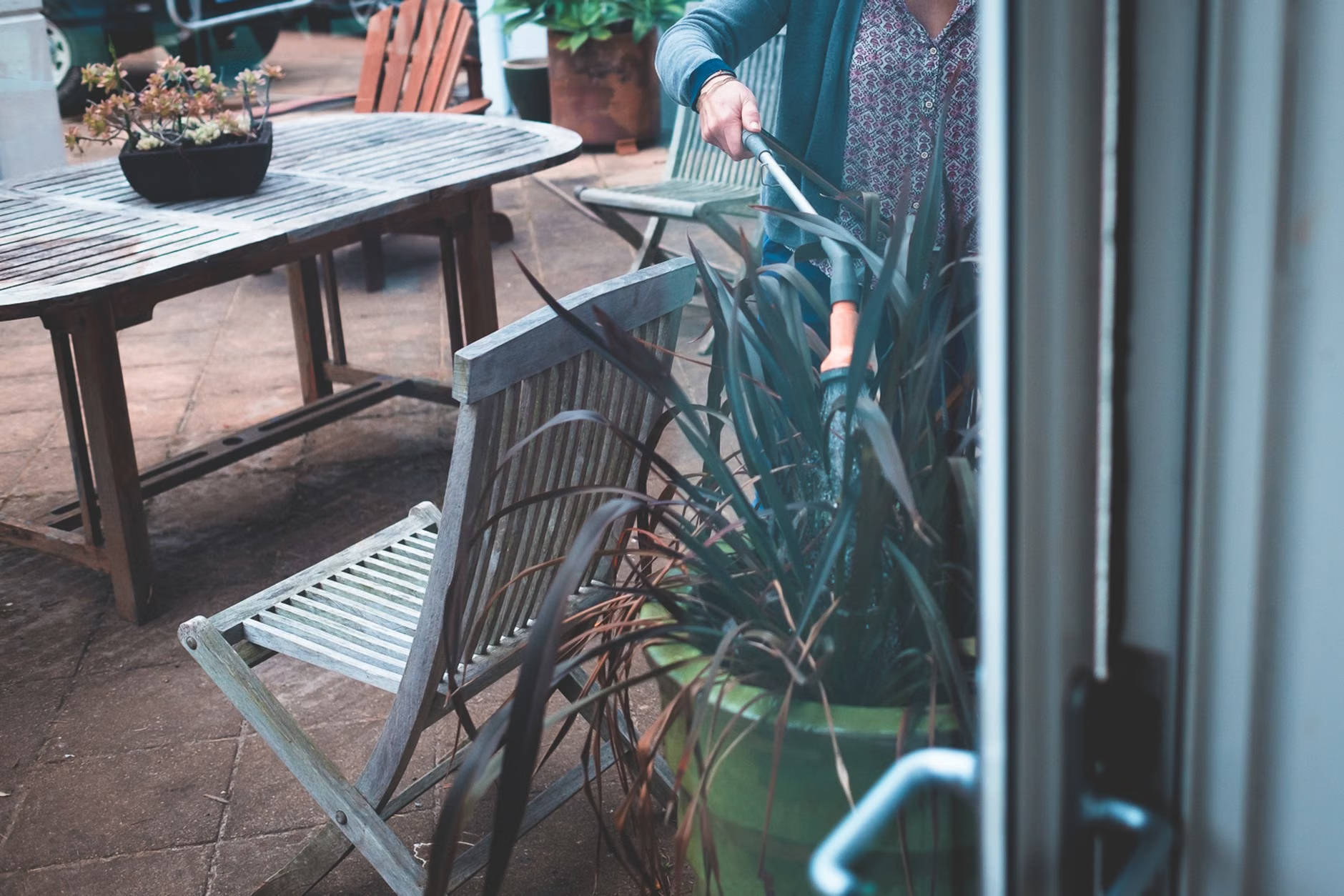
The biggest cause of failure for urban gardeners is irregular watering. If you have a busy life, you cannot rely on manual watering alone. Consider installing a simple, gravity-fed drip irrigation system or using self-watering planters. These containers have a reservoir at the bottom, allowing the plant to draw up water as needed. This prevents the “cycle of death”—where the plant dries out completely and then gets flooded, leading to root rot.
Pro-tip for parents: Involve your kids in the watering schedule. Using a simple moisture meter (a small device you stick into the soil to check humidity) turns a chore into a science experiment. It teaches them that plants have specific needs, rather than just being decorative objects that “magically” stay alive.
Common Misconceptions and Hidden Costs
One of the most persistent myths is that “organic” means “zero maintenance.” While organic gardening is better for the environment, pests don’t care about your philosophy. Aphids, spider mites, and scale will still find your balcony. The difference is in how you manage them. A bio-regional approach means encouraging natural predators (like ladybugs or lacewings) to visit your balcony. If you have a diverse, native-plant-heavy balcony, you are more likely to have a balanced ecosystem that keeps pests in check without you needing to reach for the spray bottle.
The Hidden Cost of Aesthetics: We often buy heavy ceramic pots because they look beautiful. However, on a balcony, weight is a critical constraint. Before installing heavy planters, check your building’s structural guidelines. Often, a large, lightweight resin pot that mimics the look of stone is a smarter, safer, and more cost-effective choice. It’s also easier to move if you need to reorganize your space for the season.
Establishing Your Long-Term Maintenance Rhythm
You don’t need to spend hours every weekend on your balcony. The goal is to build a “rhythm” that fits into your existing routine. For many, this is a Sunday morning coffee ritual. While you have your coffee, you do a quick check: are the leaves drooping? Is there any sign of pests? Do the pots need a top-up of water?
If you treat your garden like a chore, you will eventually stop doing it. If you treat it like a 10-minute mental reset, it becomes a habit. Use the “rule of three”: if a plant fails three times despite you providing the right light and water, stop trying to grow it. It doesn’t belong in your specific micro-climate. Replace it with something more resilient. Gardening isn’t about proving you can control nature; it’s about participating in it.
Frequently Asked Questions
What if my balcony gets zero direct sunlight?
You can still have a thriving garden. Focus on shade-loving native ferns, mosses, and certain types of forest-floor plants. These environments are often cooler and hold moisture better than sunny balconies, so you’ll actually spend less time watering. Avoid the temptation to buy flowering plants that require full sun, as they will only become leggy and eventually die.
Is it safe to grow food on a balcony in a busy city?
Generally, yes, but be mindful of air quality. If your balcony faces a major, high-traffic road, there may be concerns about particulate matter settling on your produce. In such cases, focus on growing crops where you eat the fruit (like tomatoes or peppers) rather than the leaves (like lettuce or kale), and always wash your produce thoroughly. You can also install a simple screen to act as a barrier against street dust.
How do I deal with the wind if I live on a high floor?
High-altitude wind is a significant stressor. Use sturdy, low-profile pots that won’t tip over, and group your plants together. When plants are grouped, they create their own little “micro-ecosystem” that shields individual stems from the worst of the wind. Consider installing a trellis or a decorative screen on the windward side to create a buffer zone for your more delicate plants.
Final Thoughts
Gardening on an urban balcony is an exercise in adaptation. By focusing on bio-regional principles—understanding your light, your wind, and your local native species—you move away from the frustration of constant failure. You aren’t just decorating your home; you’re creating a small, living piece of your region that can survive and even thrive despite the constraints of city living. Start small, observe what works, and stop fighting the climate you’re in. Your balcony, and your schedule, will thank you for it.
For more information on identifying native plants in your specific area, you can visit the National Wildlife Federation’s Native Plant Finder or your local government’s agricultural extension office website, which often provides regionally specific guides for urban gardening.