- Safety First: Prioritize farms with gated animal zones and clear, documented sanitation protocols for toddlers.
- Curriculum vs. Play: Choose locations that offer “passive education” (observation) over rigid schedules to prevent toddler burnout.
- Infrastructure Matters: Ensure the facility provides toddler-specific amenities like high chairs, cribs, and non-slip surfaces to reduce your packing load.
The most successful farm-stay experiences for toddlers aren’t the ones that pack the day with scheduled “classes,” but the ones that allow for unstructured, sensory-rich discovery in a safe environment. If you’ve been looking for a way to break the cycle of screens and indoor play centers, an educational farm-stay is a compelling alternative. However, the reality of traveling with a child under four requires a shift in mindset: it’s less about the “curriculum” and more about the environment.
For parents in their 30s and 40s, the appeal is obvious. You want your child to understand where their food comes from, to develop empathy for animals, and to burn off energy in the fresh air. But the logistics—nap times, dietary needs, and safety hazards—can make the planning process feel like a second job. Let’s break down how to evaluate these stays so you actually get a break while your child learns.
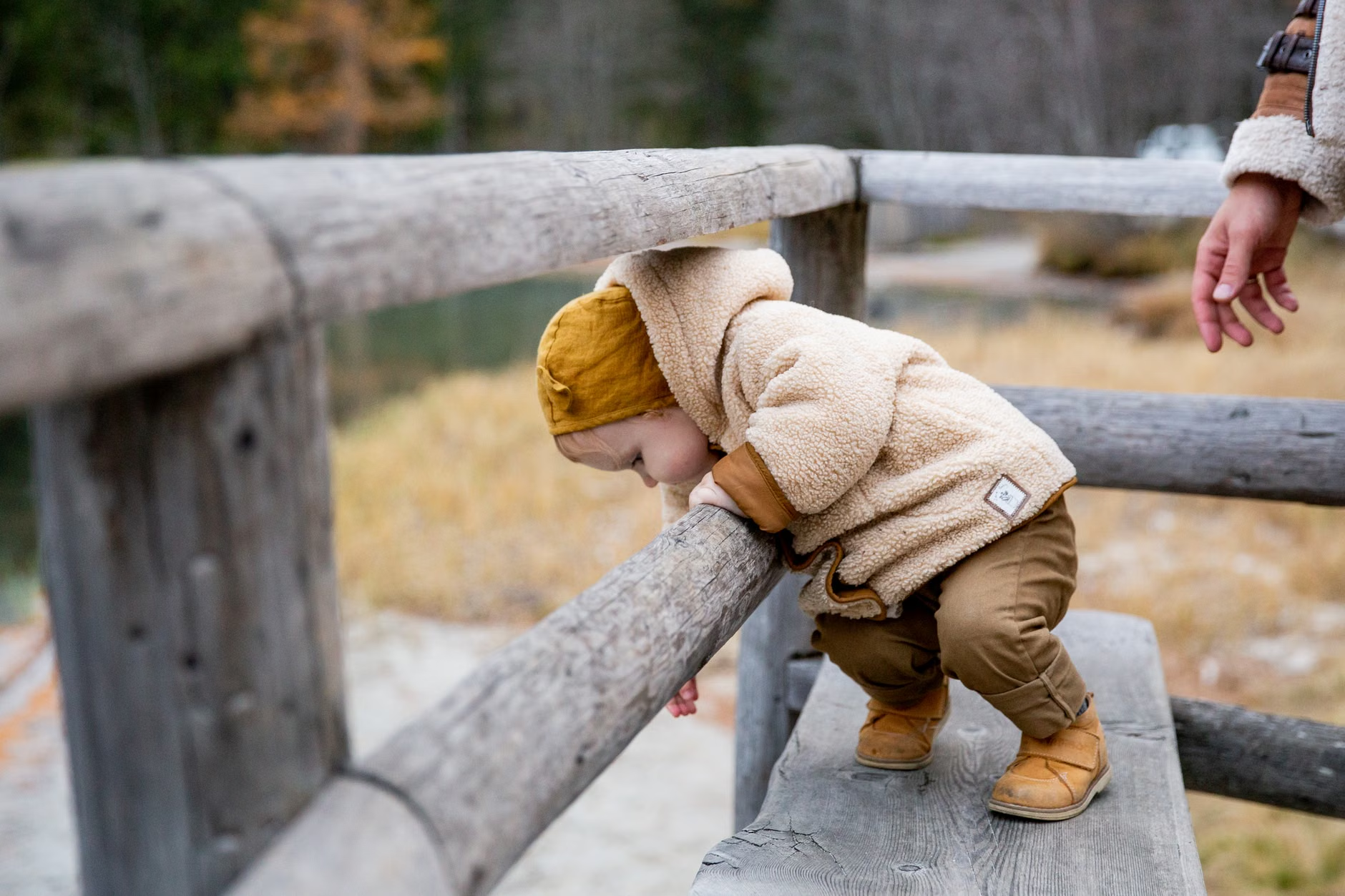
Why “Educational” Doesn’t Have to Mean “Structured”
When searching for farm-stays, you will often encounter marketing terms like “immersive agricultural workshops” or “certified junior farmer programs.” For a toddler, these are often red flags. A toddler’s educational capacity is rooted in sensory experience—touching soil, hearing the cluck of a chicken, or smelling fresh hay. They do not need a lecture on photosynthesis or animal husbandry.
The best educational farms are those that provide passive engagement. This means the farm is designed so that the child can explore safely while under your supervision, without needing to follow a strict itinerary. Look for farms that offer “open-gate” policies where children can wander through designated safe zones. This removes the pressure from you to be a tour guide and allows your toddler to lead their own discovery.
If a farm requires you to sign up for three 90-minute “learning sessions” a day, you are likely going to end up with a tired, cranky child and a frustrated schedule. Instead, prioritize farms that offer a “rhythm of the day.” This might include a morning egg collection (which is tactile and exciting) and an afternoon vegetable harvest, leaving the middle of the day open for naps and quiet play.
The Essential Checklist for Toddler-Friendly Farm Infrastructure
Not all farms are created equal when it comes to toddler safety. A working farm is, by definition, a place with heavy machinery, uneven terrain, and potential allergens. When contacting a potential host, don’t be afraid to ask for specific details about their infrastructure. If they can’t answer these questions, it’s a sign they aren’t truly prepared for the toddler demographic.
| Feature | Why It Matters for Toddlers |
|---|---|
| Gated Animal Zones | Keeps children away from large livestock (cows, horses) that can be unpredictable. |
| Sanitation Stations | Easily accessible hand-washing sinks with soap near animal enclosures to prevent zoonotic infections. |
| Fenced Play Areas | Allows parents to sit and have coffee while the child plays within a defined, safe radius. |
Beyond the physical safety of the animals, look at the accommodation itself. Is the flooring non-slip? Are there stairs without gates? A “rustic” stay can quickly become a high-stress environment if you are constantly chasing a toddler away from a fireplace or a steep drop-off. Always request photos of the interior, specifically the kitchen and bathroom areas, to ensure they meet your family’s baseline needs.
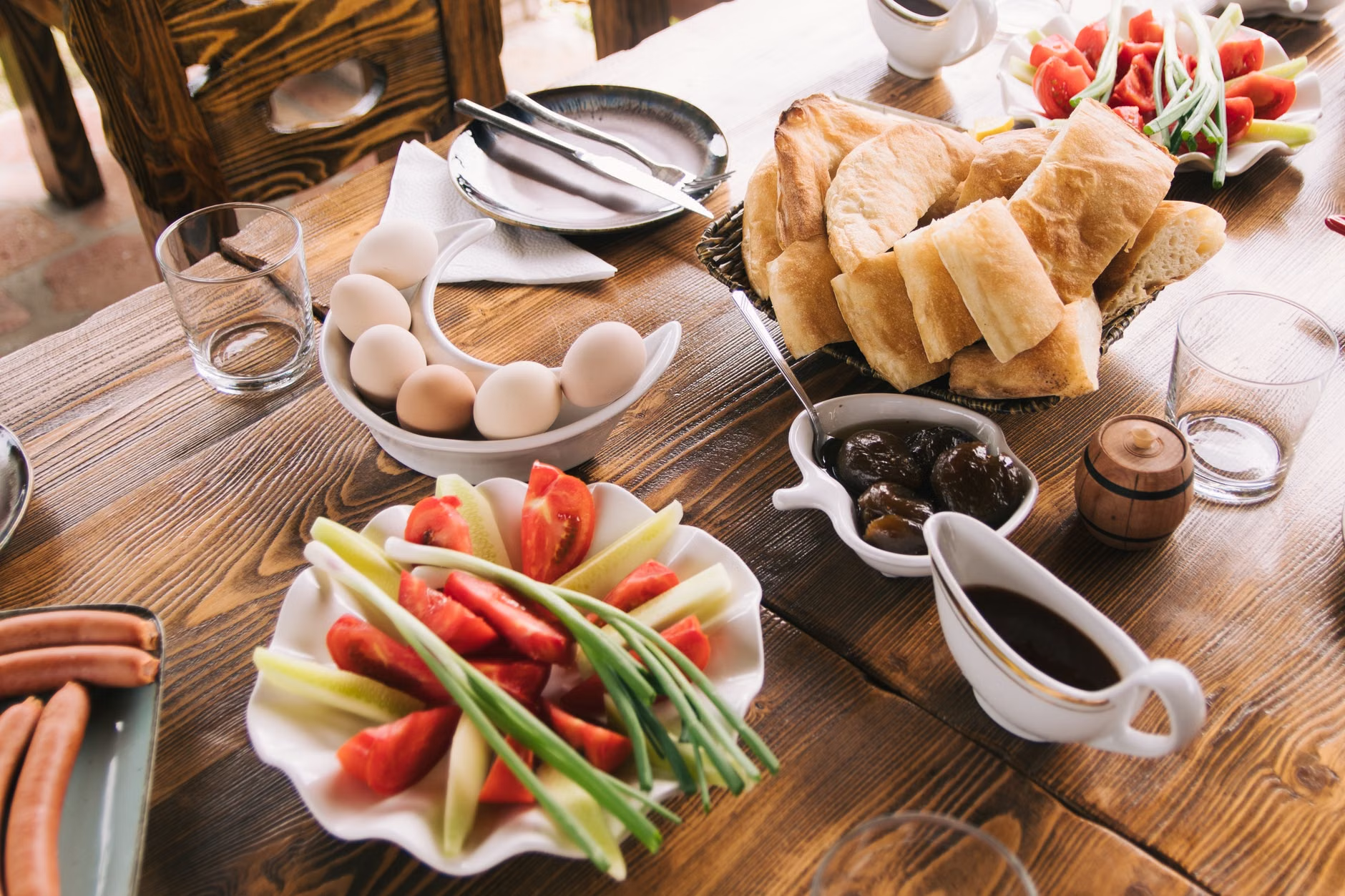
Evaluating the “Farm-to-Table” Experience
One of the biggest draws of a farm-stay is the food. However, for a parent of a toddler, this can be a double-edged sword. If the farm provides meals, you need to know exactly what is on the menu. A farm that prides itself on “authentic, locally sourced rustic cuisine” might serve hearty stews or complex salads that a picky toddler will refuse to eat.
The “Self-Catering” Compromise: For families with toddlers, I strongly recommend choosing a farm-stay that offers a self-catering kitchen. This allows you to bring the “safe foods” your child is familiar with while supplementing them with fresh eggs, milk, or berries sourced directly from the farm. It eliminates the stress of mealtime battles in a new environment.
If the farm provides breakfast as part of the stay, ask if they can accommodate toddlers with simple staples like plain yogurt, fresh fruit, or whole-grain bread. The goal is to integrate the farm’s bounty into your child’s existing diet, rather than forcing a total diet shift that might cause digestive issues or behavioral pushback while you are away from home.
The Hidden Costs and Logistics of Agritourism
When booking, consider the “hidden” labor involved. Some farm-stays are essentially bed-and-breakfasts, while others are “participatory” farms where you are expected to help with chores. For a parent in your 30s or 40s, you are likely already exhausted. Be very clear about whether you are a guest or a volunteer.
Common Mistake: Signing up for a “hands-on” farm experience without checking the distance between the accommodation and the work zones. If you have to trek half a mile with a toddler in tow every time you want to see the animals, you will find yourself staying in the room more than you intended. Look for sites that offer “homestead-style” layouts where the living quarters are integrated into the garden or animal areas.
Also, factor in the “mud factor.” Toddlers love mud, and farms have plenty of it. Pack more changes of clothes than you think you need—ideally, clothes that you don’t mind getting stained permanently. Bringing a dedicated pair of waterproof toddler boots is not just a suggestion; it’s a requirement. If your child is constantly told “don’t get dirty,” the educational value of the trip is essentially neutralized.
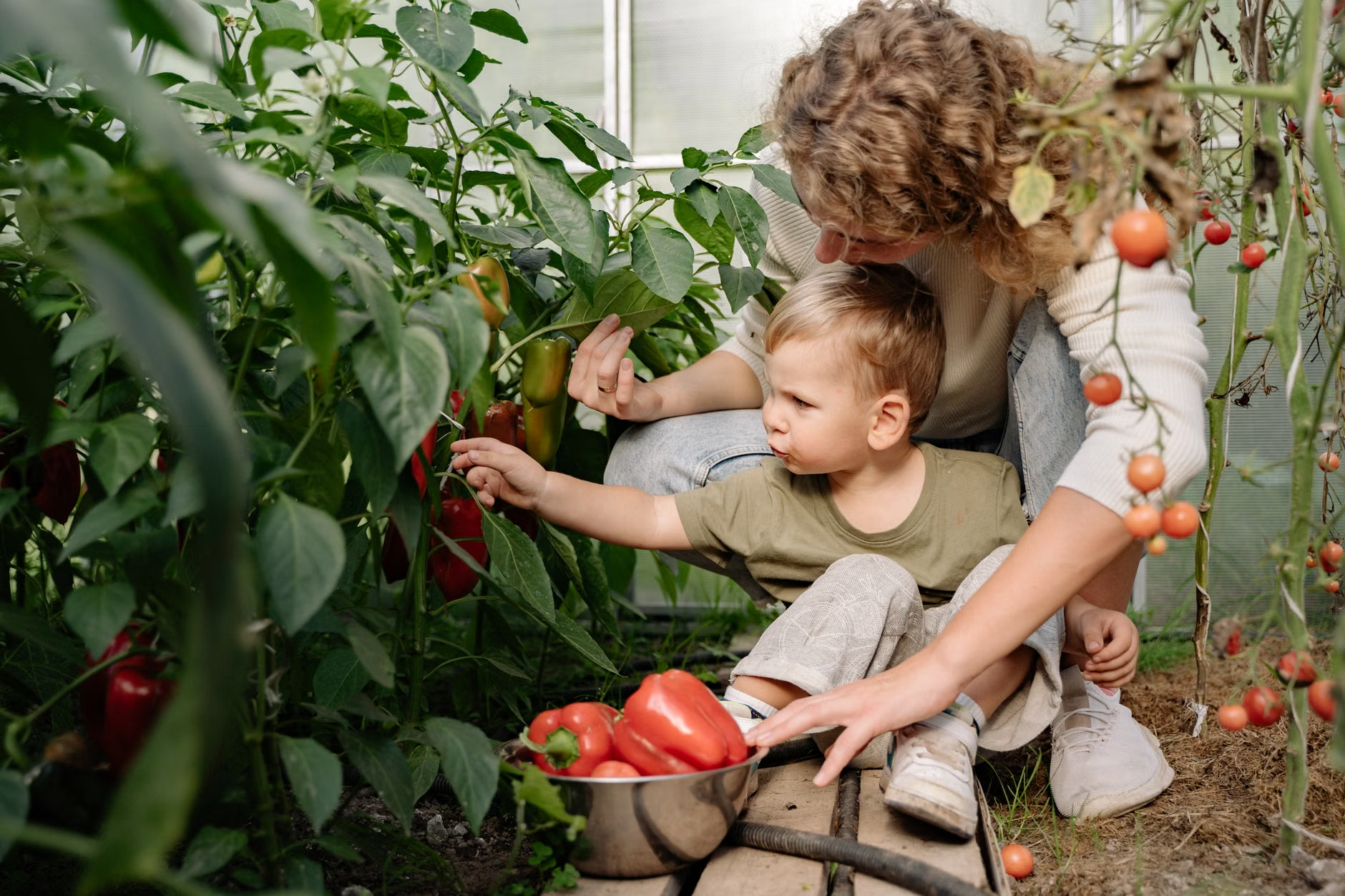
How to Manage Your Own Expectations
It is easy to look at Instagram photos of children peacefully picking strawberries and imagine that will be your reality. The reality is that your toddler might be terrified of a goat, refuse to eat the farm-fresh eggs, or decide that the only thing they want to do is play with the gravel in the driveway. This is perfectly normal.
The success of the trip should be measured by your child’s exposure to a different pace of life, not by their performance as a “farmer.” If your toddler spends 20 minutes just watching a worm move through the soil, that is a successful educational moment. Do not feel pressured to move from the garden to the barn to the orchard in a single morning. Following the child’s lead is the most “educational” approach you can take.
Furthermore, ensure you have a “backup” environment. If the weather turns, does the farm have a clean, dry indoor space for children? A rainy day on a farm can be miserable if you are confined to a small bedroom. Look for hosts who provide a dedicated playroom or a covered porch area. This single feature can be the difference between a relaxing getaway and a logistical nightmare.
Actionable Steps for Your Next Booking
When you are ready to book, follow this decision-making framework to filter your options:
- Verify the “Safety Radius”: Ask the host, “Is there a fenced area where my toddler can play independently while I am within sight?” If the answer is no, move on.
- Check the Proximity: Ask for a map or a description of the layout. You want the living space to be within 50 meters of the main activity areas to minimize walking fatigue.
- Review the Meal Policy: If you are self-catering, check the nearest grocery store distance. If you are not, ask for a sample menu and inquire about toddler-friendly alternatives.
- Clarify the “Participation” Level: Confirm that you are not expected to perform physical labor unless you explicitly want to.
By treating the farm-stay as a controlled environment for discovery rather than an “educational program,” you keep the stakes low and the potential for enjoyment high. You aren’t just taking your child to see a cow; you are taking them to experience a world where life moves at the speed of nature—a refreshing change for both you and your toddler.
Frequently Asked Questions
What is the ideal age to start farm-stay trips with a toddler?
While children of all ages can enjoy farms, the “sweet spot” is usually between 2.5 and 4 years old. At this age, they are mobile enough to walk the grounds and have the cognitive development to start making connections between animals and the food they eat. Before 2.5, the experience is largely sensory, which is fine, but requires significantly more parental carrying and supervision.
Zoonotic diseases (illnesses passed from animals to humans) are a real consideration on farms. The most effective mitigation is strict hand hygiene. Always carry a travel-sized hand sanitizer that is safe for toddlers and teach them to wash their hands immediately after touching any animal or animal-related surface (like fences or feed buckets). Avoid letting toddlers put their hands in their mouths while in the barn areas.
Should I prioritize “Organic” certified farms for educational purposes?
While organic certification is a great indicator of environmental stewardship, it doesn’t necessarily mean the farm is more “educational” or safer for a toddler. In fact, some small, non-certified family farms provide a more intimate and welcoming educational experience than large, certified commercial organic farms. Prioritize the quality of the host’s interaction and the safety of the facilities over the specific agricultural certification label.
For further information on agritourism safety, you can consult resources from local agricultural extension offices or the CDC’s guidelines on visiting farms to ensure you have the most up-to-date health precautions for your family.