- Prioritize Complexity Over Sugar: Avoid the “mocktail trap” of simply mixing juices; focus on bitter, acidic, and botanical profiles that mimic the structure of wine and spirits.
- Cultural Sensitivity is Key: When hosting a multicultural group, avoid beverages that contain hidden animal products or ingredients that might conflict with dietary or religious restrictions.
- The “Progression” Model: Treat zero-proof drinks like a multi-course wine pairing, moving from light, effervescent starters to complex, tannin-forward drinks that complement the main course.
The most successful dinner party isn’t defined by the vintage of the wine, but by the level of care taken to ensure every guest feels included, respected, and delighted. If you are in your 30s or 40s, you have likely noticed a shift: more people are choosing to skip alcohol, whether for health, fitness, religious, or personal reasons. Hosting a “zero-proof” dinner party is no longer just a trend; it is a sophisticated way to host that acknowledges the diverse needs of a modern, international social circle.
The challenge is moving beyond the “soda and lime” or “sweet mocktail” phase. When you have guests from different cultural backgrounds, the stakes for your drink menu rise. You aren’t just avoiding alcohol; you are creating a beverage experience that stands on its own merits. Let’s break down how to curate a menu that feels intentional, not like an afterthought.
Why “Zero-Proof” Hosting Matters in a Multicultural Context
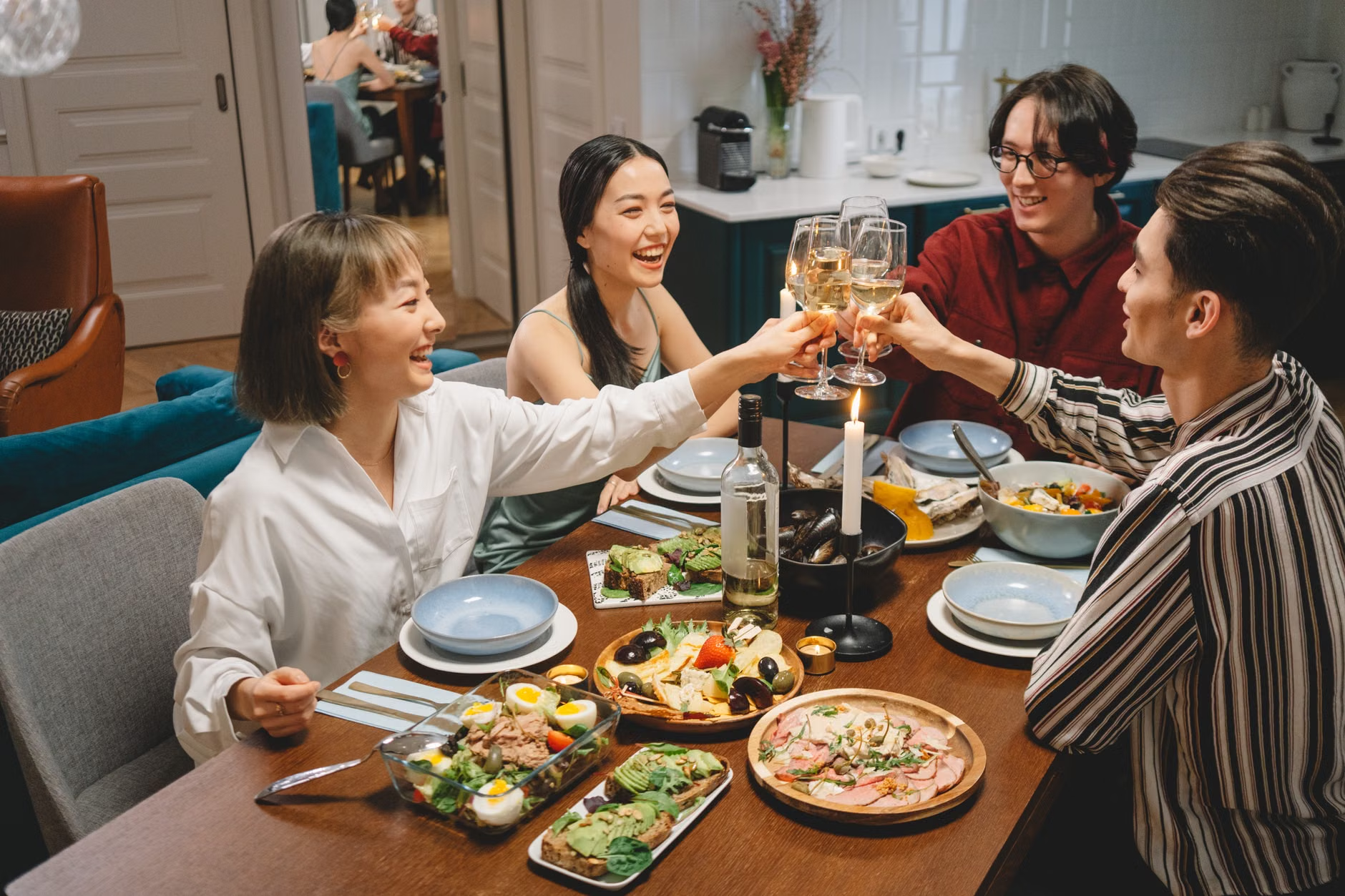
In many cultures, the act of sharing a drink is a ritual of hospitality. However, “drinking” doesn’t have to mean “alcohol.” When you invite friends from various backgrounds, you are often navigating a web of dietary restrictions. For example, some guests may avoid alcohol for religious reasons, while others may be choosing a “sober-curious” lifestyle for wellness. By focusing on non-alcoholic, complex beverages, you remove the social pressure of the “why aren’t you drinking?” conversation.
This approach levels the playing field. When everyone is holding a glass of something equally complex—whether it’s a chilled sparkling tea, a house-made shrub, or a non-alcoholic botanical spirit—the focus shifts from the absence of alcohol to the presence of flavor. This is inclusivity in action. It’s about building a space where the conversation flows because the beverage is a conversation piece, not a barrier.
The Anatomy of a Sophisticated Zero-Proof Drink
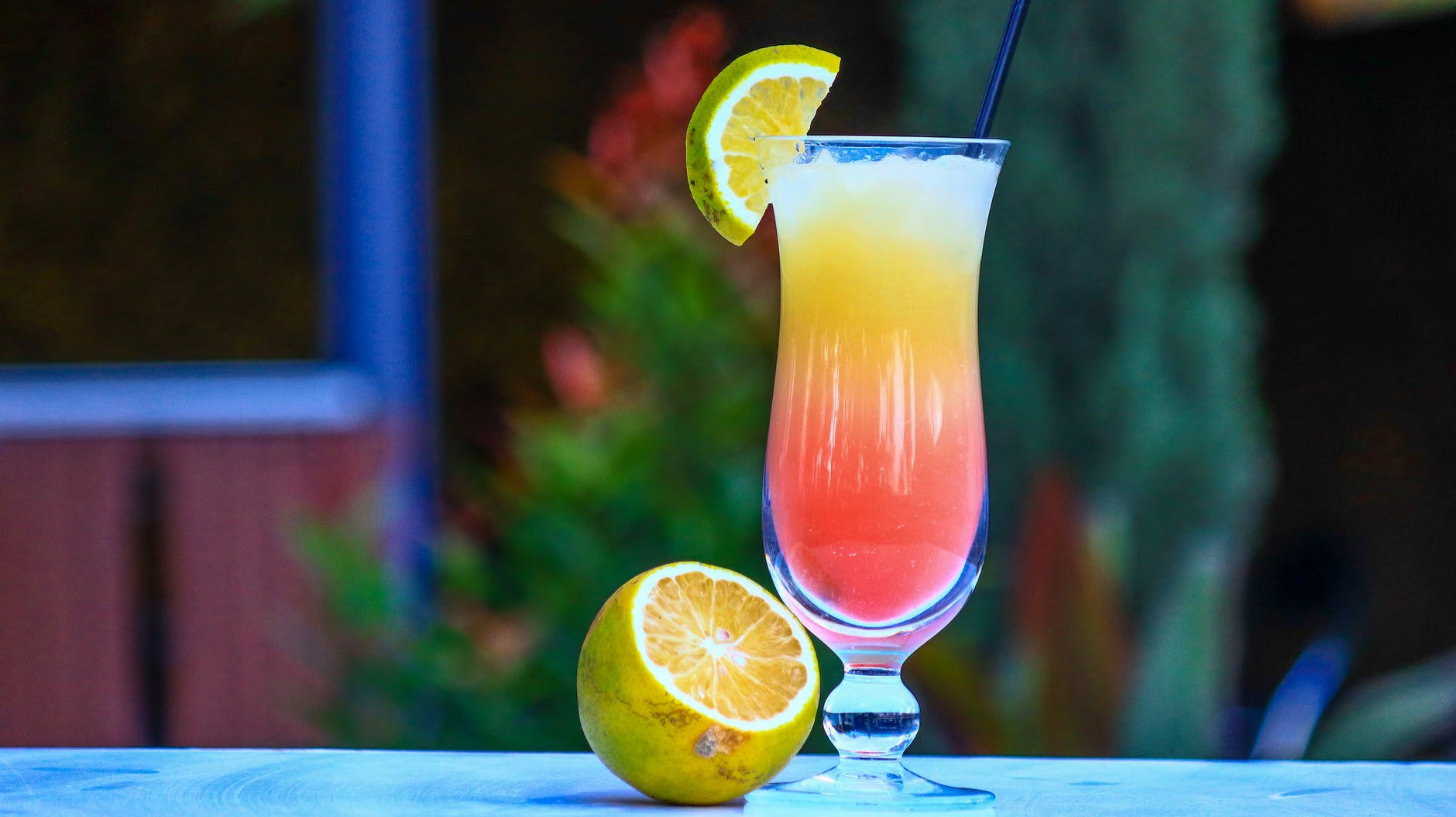
The biggest mistake most hosts make is creating drinks that are essentially “fruit punch.” To host like a pro, you need to understand what makes a drink feel “grown-up.” It comes down to three elements: Bitterness, Acidity, and Tannins. These are the elements that give wine and spirits their structure. Without them, a drink is just sugar and water.
To replicate this, you need to look at ingredients that provide that “bite.” Think of non-alcoholic bitters (which use botanicals like gentian root), verjus (the juice of unripened grapes, perfect for acidity), and high-quality teas (like lapsang souchong for smoke or sencha for grassy, tannic notes). When you build a drink, ask yourself: Does this have a finish? A good drink should leave a lingering, complex taste on the palate, just like a fine wine.
The Comparison: Mocktail vs. Zero-Proof Pairing
| Feature | The “Mocktail” Approach | The “Zero-Proof” Approach |
|---|---|---|
| Primary Flavor | Sweet, fruit-heavy | Botanical, acidic, bitter |
| Complexity | Low; one-dimensional | High; layered, evolving |
| Food Pairing | Difficult; clashes with savory | Seamless; enhances food |
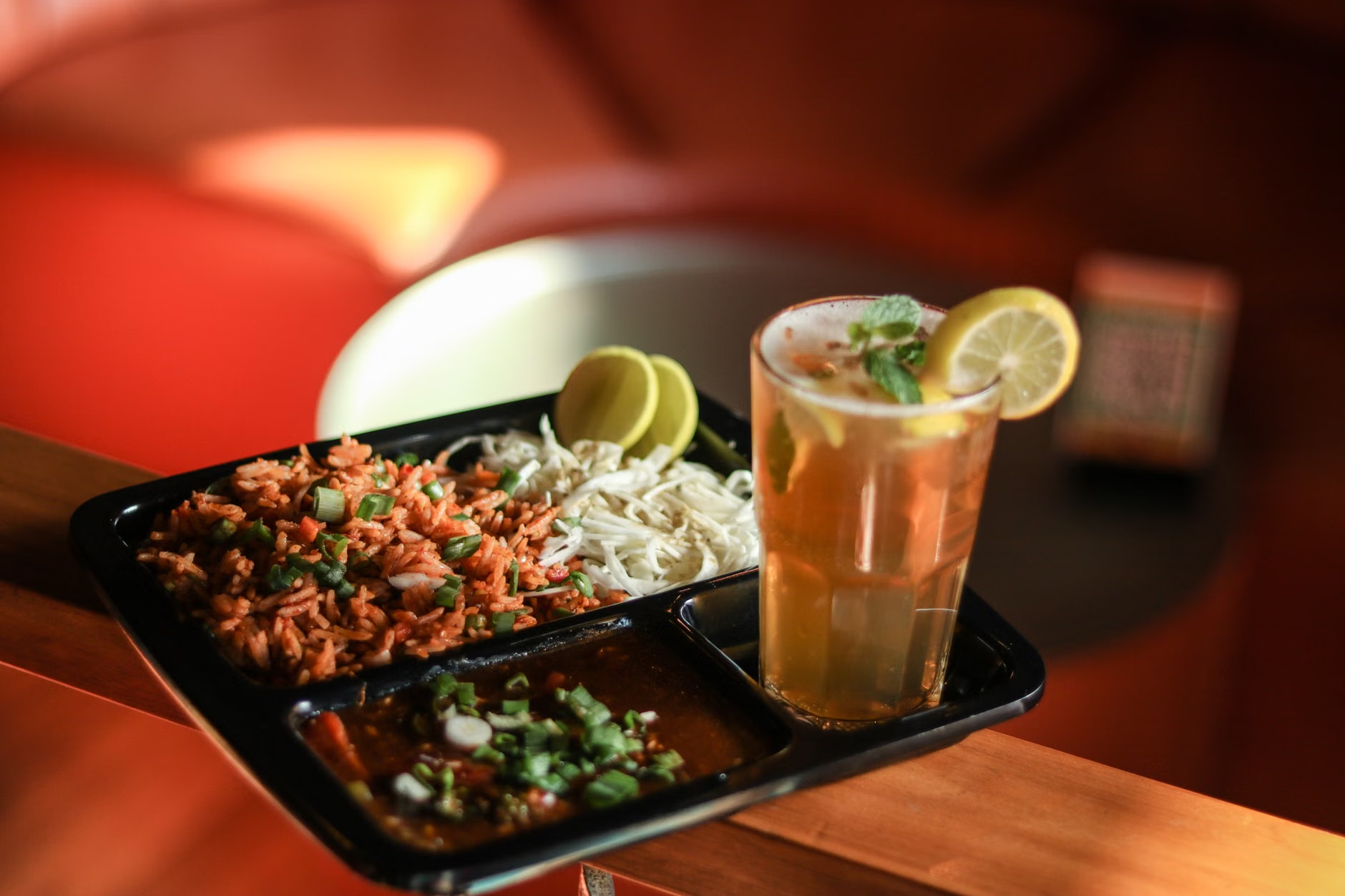
As you can see, the zero-proof approach is designed to be a culinary companion. If you are serving a spicy Thai curry, a syrupy sweet mocktail will only make the heat more aggressive. A cold-brewed jasmine tea with a touch of verjus, however, will cut through the coconut cream and cool the palate.
Practical Steps to Curate Your Menu
You don’t need to be a chemist to pull this off. Start by planning your menu first, then work backward to the drinks. If you are serving a multi-course dinner, you can treat your beverage menu like a wine flight. Here is a simple framework to get you started:
- The Aperitif (The Wake-Up Call): Serve something sharp, bitter, and effervescent. A tonic water infused with high-quality cinchona bark or a sparkling shrub made from apple cider vinegar and fresh herbs works perfectly to stimulate the appetite.
- The Main Event (The Pairing): Match the intensity of the dish. If you are serving a roast, you need something with “weight.” Consider a non-alcoholic red blend or a strong black tea infusion with oak chips (yes, you can buy food-grade oak chips to infuse teas!).
- The Digestif (The Closer): After the meal, offer something warm or deeply aromatic. A spiced hibiscus tea or an espresso-based tonic with a hint of orange peel can provide a sophisticated end to the night.
Common Mistake: Do not use store-bought “non-alcoholic” spirits without tasting them first. Many are highly concentrated and taste medicinal if not diluted correctly. Treat them as a base, not as a finished drink. Always add a splash of soda, a twist of citrus, or a sprig of fresh herbs to ground the flavor.
Cultural Considerations and Hidden Variables
When hosting a multicultural group, there are “hidden” factors that can derail a good evening. First, check your ingredients. Some “non-alcoholic” wines or spirits may contain trace amounts of alcohol (less than 0.5% ABV). While this is technically non-alcoholic, it may not be suitable for guests who avoid alcohol for religious reasons or health conditions. Always read the label and communicate this to your guests if you are unsure.
Another factor is the use of animal products. Some clarified drinks or complex syrups use gelatin or honey. If you have vegan guests or guests with specific dietary laws, clarify your ingredients. It’s a simple gesture that shows you care about their comfort.
Finally, consider the temperature of your drinks. In many cultures, room-temperature water or tea is preferred over ice-cold beverages, which are thought to disrupt digestion. Providing a range of temperatures—perhaps a chilled botanical soda and a warm, spiced tea—is a sign of a thoughtful host.
Refining Your Hosting Strategy: Beyond the Basics
If you want to take your hosting to the next level, start a “shrub” library. Shrubs are a combination of fruit, sugar, and vinegar. They are incredibly easy to make and keep for months. They provide that essential acidity that makes a drink feel “adult.” A strawberry-balsamic shrub mixed with sparkling mineral water is infinitely more interesting than a mass-market soda.
Another tip: invest in glassware. The psychological experience of drinking is tied to the vessel. If you serve a sophisticated zero-proof drink in a plastic cup, it loses its elegance. Use your best wine glasses or crystal tumblers. It signals to your guests that their beverage is just as important as a vintage bottle of wine.
Decision Rule: What should I serve?
If you are feeling overwhelmed, use this decision rule: Match the “mood” of the cuisine.
- Mediterranean/Italian: Go for herbal, citrus-forward, and acidic (e.g., rosemary and lemon-infused sparkling water).
- Asian/Fusion: Go for floral, tea-based, and umami-rich (e.g., cold-brewed oolong or ginger-infused pear juice).
- Hearty/Western: Go for deep, tannic, and spiced (e.g., black tea with cloves or a non-alcoholic dark grape reduction).
The beauty of this approach is that it is sustainable. You aren’t buying expensive bottles that go bad; you are buying ingredients you can use in your daily cooking (vinegar, tea, fruit). It’s a low-waste, high-impact way to host.
The Takeaway: Why Intentionality Wins
Hosting without alcohol isn’t about “finding a substitute.” It’s about curating an experience that honors the effort you put into your food and the diversity of your guests. By focusing on complexity, structure, and inclusivity, you create a memory that lasts longer than the buzz of a glass of wine ever could.
Start small. Next time you host, pick one “signature” zero-proof drink that complements your main course. Don’t worry about being perfect—worry about being intentional. Your guests will notice the effort, and more importantly, they will feel seen.
For further reading on the science of flavor pairings, you might find the The Flavor Bible (by Karen Page and Andrew Dornenburg) a useful resource for understanding how to pair ingredients like tea, herbs, and acids to create depth without alcohol.
Frequently Asked Questions
1. How do I handle guests who might find a zero-proof menu “boring”?
The key is presentation and “the build.” If you serve a drink in a beautiful glass with a complex garnish—like a scorched orange peel or a fresh sprig of thyme—it instantly feels like a special event. Focus on the sensory experience, not just the liquid.
2. Are non-alcoholic spirits worth the investment?
They can be, but only if you use them as a base. If you are a frequent host, one bottle of a high-quality non-alcoholic botanical spirit can last for several dinners. If you are an occasional host, stick to shrubs, teas, and high-quality tonics to avoid having half-empty bottles cluttering your pantry.
3. How do I explain my zero-proof menu to guests who are expecting alcohol?
Don’t apologize for it. Frame it as a “curated beverage experience.” You can say, “I’ve put together a special menu of botanical pairings that I think go perfectly with tonight’s dinner.” Most guests will be excited to try something new and thoughtful.
Note: All hosting advice provided is for informational purposes. Always check the specific dietary needs and allergies of your guests prior to the event. For more on food safety and alcohol-free living, refer to official health guidelines regarding alcohol consumption and food handling practices.