By 2027, the way you buy groceries, store your leftovers, and manage your household trash is set for a massive overhaul due to the legally binding UN Global Plastics Treaty. While international negotiations often sound like distant political theater, this treaty is designed to force manufacturers to move away from the cheap, single-use plastics that currently dominate your kitchen pantry and bathroom cabinets.
- The End of Convenience Packaging: Expect a rapid decline in non-recyclable multi-layer plastics, meaning more products will shift to glass, aluminum, or paper-based alternatives by 2027.
- Upfront Costs vs. Long-term Savings: While sustainable packaging may initially cause a slight uptick in grocery prices, it forces a shift toward bulk-buying and refillable models that could lower costs for families over time.
- Waste Management Evolution: Sorting your recycling is about to get more complex, as governments will likely mandate stricter compliance with circular economy standards, penalizing households that don’t participate in organized waste streams.
Why the 2027 Treaty is Different from Previous Recycling Pledges
If you have spent the last decade feeling like your “recycling” efforts were a drop in the ocean, you aren’t alone. Most previous environmental agreements were voluntary, meaning companies could choose to reduce plastic if it was convenient or profitable. The 2027 Global Plastics Treaty, currently being hammered out by the UN Intergovernmental Negotiating Committee (INC), changes the game by proposing legally binding global rules.
For a parent juggling school runs, work deadlines, and grocery shopping, this means that the “plastic problem” is moving from the shelf to the manufacturing floor. Instead of asking you to figure out if a yogurt cup is recyclable, the treaty mandates that producers must design packaging that is actually capable of being recycled—or face severe production limits. This is a supply-side shift, not just another “reduce, reuse, recycle” campaign aimed at the consumer.
Why does this matter for your 30s and 40s? Because this is the decade where household consumption hits its peak. Between diapers, bulk-buying snacks for school lunches, and the constant flow of Amazon boxes, the average household is a plastic magnet. The treaty aims to make that plastic “disappear” by forcing it out of the production cycle entirely.
The Shift in Grocery Packaging: What Changes for Your Shopping List
When you walk into a grocery store in 2027, the aesthetic of the aisles will likely look different. We are moving away from the “plastic wrap for everything” era. Manufacturers are already pivoting toward materials that are easier to recycle, such as mono-materials (packaging made of only one type of plastic, which is easier to process) and fiber-based alternatives.
The Real-Life Impact of Packaging Changes
You’ve likely noticed that some brands have already started swapping plastic windows in cardboard boxes for clear-cut holes, or replacing plastic meat trays with compostable pulp. Under the treaty, these aren’t just “green marketing” tactics; they are becoming the new baseline. Here is how your shopping experience will likely shift:
| Product Category | Current Plastic Problem | Expected 2027 Shift |
|---|---|---|
| Fresh Produce | Pre-packaged plastic bags/clamshells | Loose produce or home-compostable nets |
| Pantry Staples | Multi-layer, non-recyclable pouches | Paper-based or infinitely recyclable aluminum |
| Household Cleaning | Single-use plastic bottles | Concentrate refills and reusable glass/metal dispensers |
The trade-off here is shelf life. Many plastics were designed to keep food fresh for weeks. As we move toward more sustainable packaging, you may find that certain fresh items require more frequent, smaller trips to the store, or that you need to invest in better home-storage containers (like glass jars or silicone bags) to maintain the freshness of your groceries.
Managing the New “Waste Hierarchy” at Home
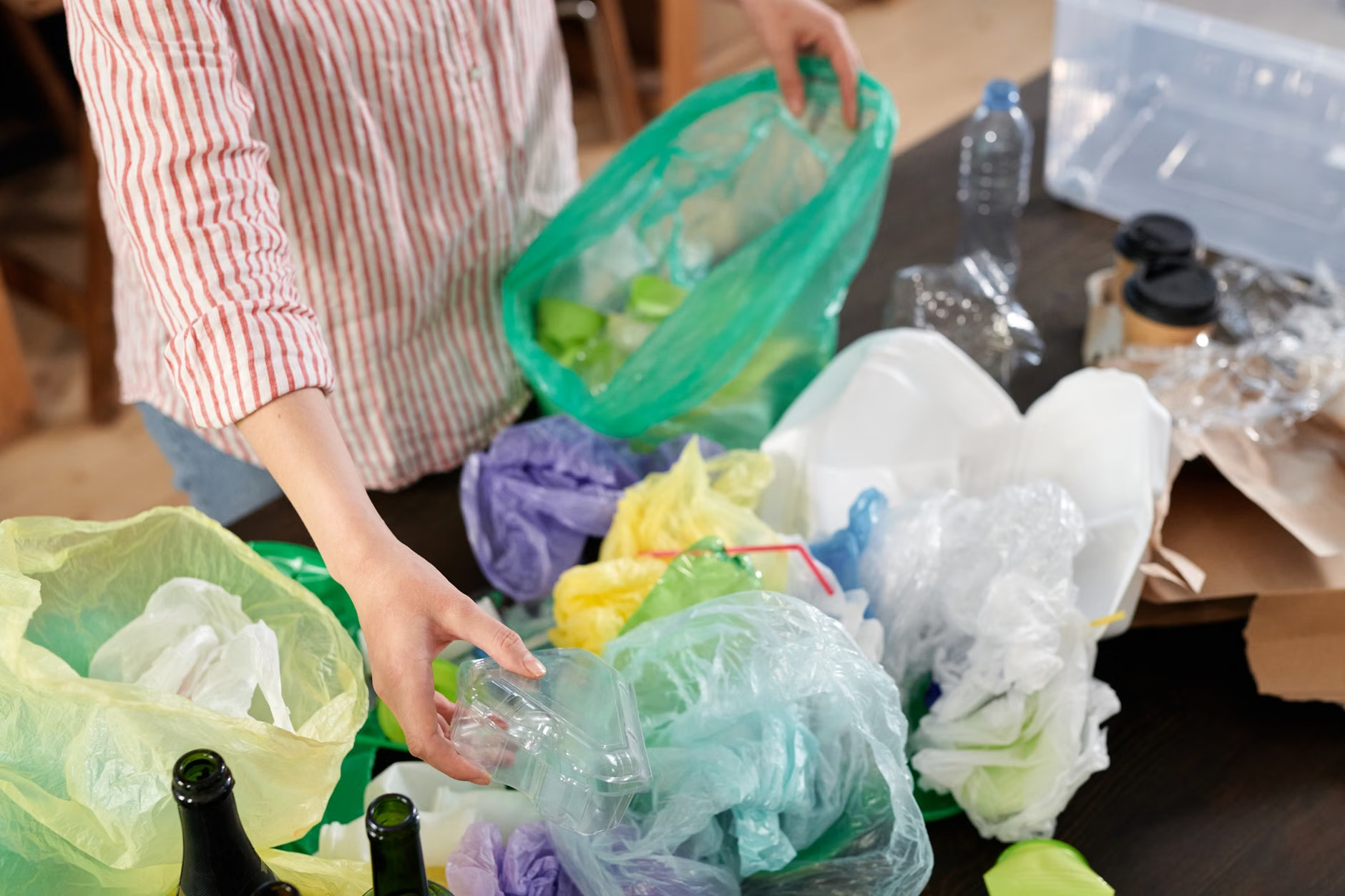
As governments tighten their grip on plastic production, they are also tightening the rules on disposal. By 2027, many regions will have moved beyond simple “blue bin” recycling. You should prepare for more granular sorting requirements. In many parts of Europe and North America, this already involves separating food waste from plastics and paper, but the next step is the separation of plastic types.
Common Mistake: Many people believe that putting “any plastic” in the recycling bin is helpful. In reality, it often contaminates the entire batch, leading to the whole load being sent to a landfill. Under the new treaty mandates, local municipalities will likely implement “smart bin” technology or stricter fines for contaminated recycling streams.
To stay ahead, start practicing “clean stream” habits now. Rinse every container thoroughly. If you aren’t sure if a plastic is recyclable in your specific area, check the number (the resin identification code). Generally, #1 (PET) and #2 (HDPE) are the “gold standard” for recyclability. Everything else, especially soft, crinkly films (like bread bags or snack wrappers), is becoming increasingly difficult to recycle and will likely be phased out or heavily taxed by 2027.
Financial Implications: Are You Paying for Sustainability?
There is a persistent fear that the transition away from plastic will make everything more expensive. It is a valid concern. Plastic is cheap because it is subsidized by the fossil fuel industry and because the cost of cleaning up the resulting pollution is externalized—meaning the public, not the manufacturer, pays for it through taxes and environmental health costs.
The 2027 treaty aims to internalize these costs. This means companies will pay more for the packaging they use, and that cost will inevitably trickle down to the grocery shelf. However, there is a silver lining. As sustainable packaging becomes the standard, the economies of scale will eventually drive down the price of glass, aluminum, and paper alternatives.
How to Mitigate Price Hikes
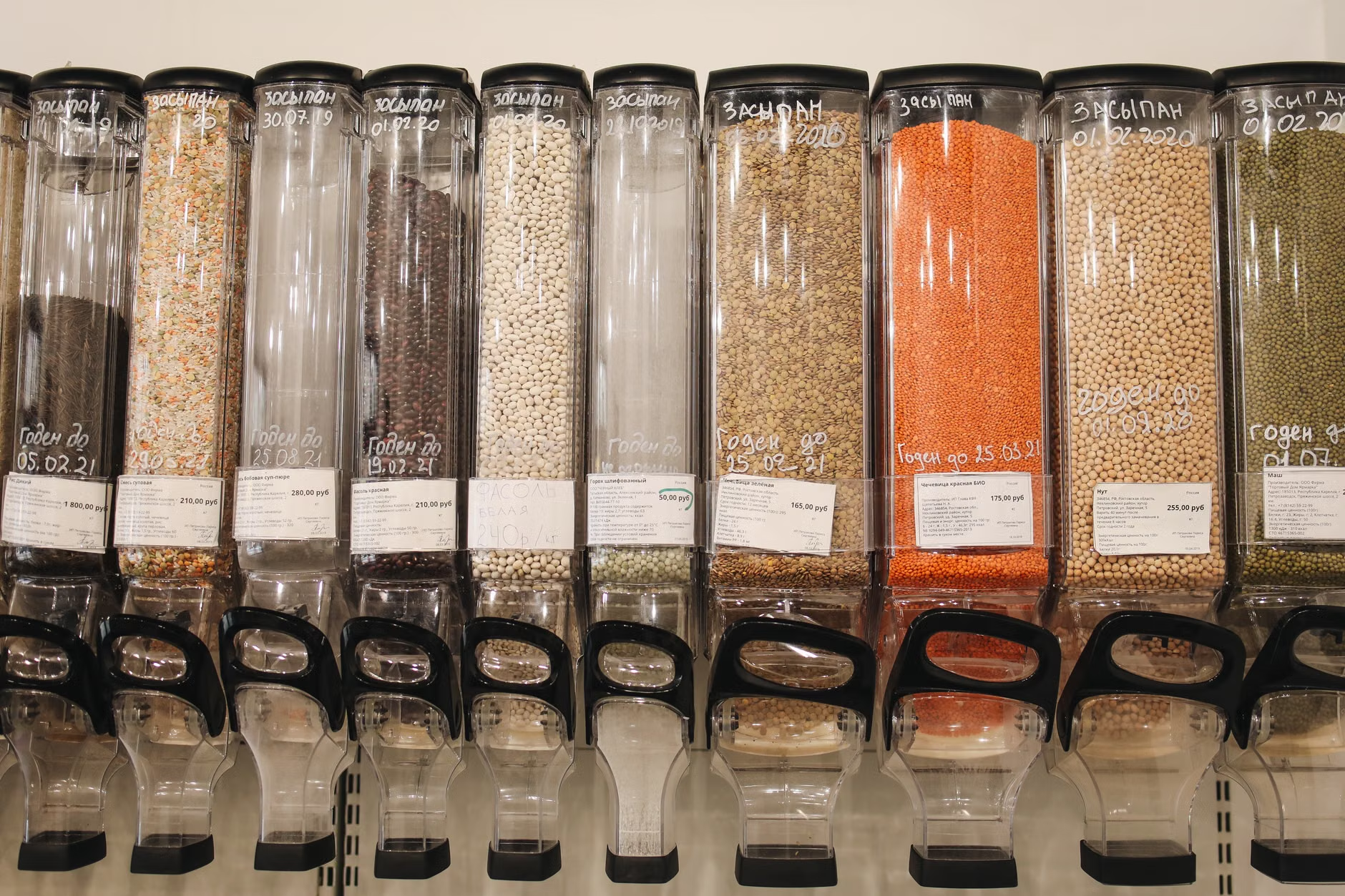
If you are worried about your grocery budget inflating, the best strategy is to lean into the “refill economy.” Many retailers are already testing “refill stations” where you bring your own container for soap, laundry detergent, and dry goods like rice or pasta. By 2027, expect these to be much more common. By switching to a refill model, you aren’t just saving the planet; you are paying for the product, not the packaging. For a family, this can actually lead to significant long-term savings.
The “Hidden” Plastic in Your Home: Beyond the Kitchen
While we focus on groceries, the 2027 treaty also targets “problematic and avoidable” plastics in other areas of the home. This includes things like synthetic clothing fibers, certain personal care products, and household gadgets. If you are in your 30s and 40s, you are likely the generation that grew up with the rapid rise of “fast fashion” and cheap, plastic-heavy appliances.
The treaty is going to push for better “Right to Repair” laws and longer product lifespans. This means that the cheap plastic blender that breaks after two years might become a thing of the past, replaced by more durable, modular products that can be repaired. When shopping for home goods, start prioritizing modular design. Can you replace the battery? Can you replace the blade? If the answer is no, it is likely a product that will become increasingly difficult to justify or even find on the market in a few years.
Step-by-Step Action Plan for Your Household
You don’t need to wait for 2027 to start aligning your home with the coming changes. The goal is to reduce your reliance on single-use plastics so that when regulations tighten, you aren’t caught off guard.
- Audit Your Bin: Spend one week looking at what you throw away the most. Is it yogurt cups? Snack wrappers? Amazon packaging? Identifying your specific “plastic footprint” is the first step.
- The “One-In, One-Out” Rule for Containers: Stop buying new plastic storage containers. Invest in a set of high-quality glass jars. They don’t stain, they don’t hold odors, and they will outlast any plastic equivalent.
- Prioritize Concentrates: Start buying cleaning products as concentrates. You buy the bottle once, and then you just buy the small refill packets or tablets. This reduces shipping weight (less carbon) and eliminates the need for bulky plastic bottles.
- Support Local/Bulk: If your area has a farmers’ market or a bulk store, make it a part of your routine. Bringing your own bags and containers is a skill that takes practice, but it becomes second nature within a few weeks.

Why This Matters for Your Children
It’s easy to get cynical about international treaties, but the 2027 deadline is a significant marker for the next generation. If you have kids, the world they inherit will be shaped by the decisions made regarding plastic production today. By making these changes in your own home, you are not just managing your trash; you are modeling a different way of existing in the world for your children. You are teaching them that convenience isn’t the highest value—sustainability and durability are.
The transition will be bumpy. There will be times when you forget your bags, or when you accidentally buy something wrapped in excessive plastic. That is okay. The goal is not perfection; it is a shift in mindset. As the global economy pivots, your household will be better prepared, more organized, and ultimately less reliant on the disposable culture that has defined the last thirty years.
Frequently Asked Questions
1. Will all plastic be banned by 2027?
No. The treaty focuses on phasing out “problematic and avoidable” single-use plastics. Essential plastics—such as those used in medical equipment or certain food safety applications—will remain, but the industry will be forced to use more sustainable, circular materials for everything else.
2. Should I stop recycling now if the rules are going to change anyway?
Absolutely not. Even if the rules are evolving, recycling remains a vital part of the waste management system. The best thing you can do is to “recycle right” by checking your local municipal guidelines and ensuring your recyclables are clean and dry, which prevents the contamination of entire batches.
3. Will my grocery bill definitely go up because of these changes?
It is possible to see a short-term increase in prices as companies transition to more expensive, sustainable materials. However, by adopting a “refill and reuse” mindset now, you can offset these costs by buying in bulk and reducing the amount of pre-packaged, single-use items you purchase.
For more information on the ongoing negotiations and how they impact global policy, you can follow the progress through the official UN Environment Programme (UNEP) updates. Being informed is your best defense against the confusion that often accompanies major regulatory shifts.
Sources and Further Reading:
UNEP Intergovernmental Negotiating Committee on Plastic Pollution
OECD: Global Plastics Outlook
Note: The information provided is based on current international policy trends and UN negotiations. As with any major global treaty, the specific implementation details may vary by country and region. Always check your local municipal waste management website for the most accurate guidelines in your area.