- Smart-grid integration is not just for homeowners: You can optimize your energy usage by using smart TRVs (Thermostatic Radiator Valves) and smart plugs that communicate with local utility price signals, even without a full heat pump installation.
- Negotiation is your best tool: Landlords are often incentivized by energy efficiency tax credits and higher property values; propose “smart” upgrades as a cost-sharing model that lowers your utility bills and improves their asset’s appeal.
- Focus on the “Smart” layer: If you cannot replace the boiler, focus on the control layer. Smart thermostats are portable and can be taken with you when you move, making them a low-risk, high-reward investment.
If you are a renter, you have probably spent a winter shivering in a drafty apartment or a summer dreading the electricity bill from a window-mounted air conditioner. The term “smart-grid heat pump” usually appears in articles written for homeowners with six-figure renovation budgets. But here is the reality: you do not need to own the building to participate in the energy transition or to slash your monthly utility costs through smart technology.
The core of the issue for renters is the “split incentive” problem. Landlords often have little motivation to invest in high-efficiency heat pumps because the tenant pays the electricity bill. Meanwhile, tenants are hesitant to sink money into permanent infrastructure that they will leave behind in a year or two. However, the rise of “smart-grid” technology—devices that communicate with your utility provider to shift energy usage to cheaper, off-peak hours—has created a new middle ground for those of us who do not hold the deed to our homes.
The Reality of Smart-Grid Integration for Non-Owners
Let’s clarify what “smart-grid integration” actually means for a regular person. It is not about you controlling a massive industrial heat pump; it is about your home’s climate control system “talking” to the power grid. When the grid is stressed (usually during peak hours in the late afternoon), electricity prices spike. A smart system automatically adjusts your set temperature by a degree or two, or delays a heating cycle, to avoid paying those premium rates.
For a renter, you are likely not going to be retrofitting an entire HVAC system. Instead, your entry point is smart control. If your apartment has an existing heat pump, electric baseboard heaters, or a boiler, you can likely attach a smart gateway or an intelligent thermostat. These devices act as the brain of your climate system, allowing you to participate in demand-response programs without needing to own the hardware that generates the heat.
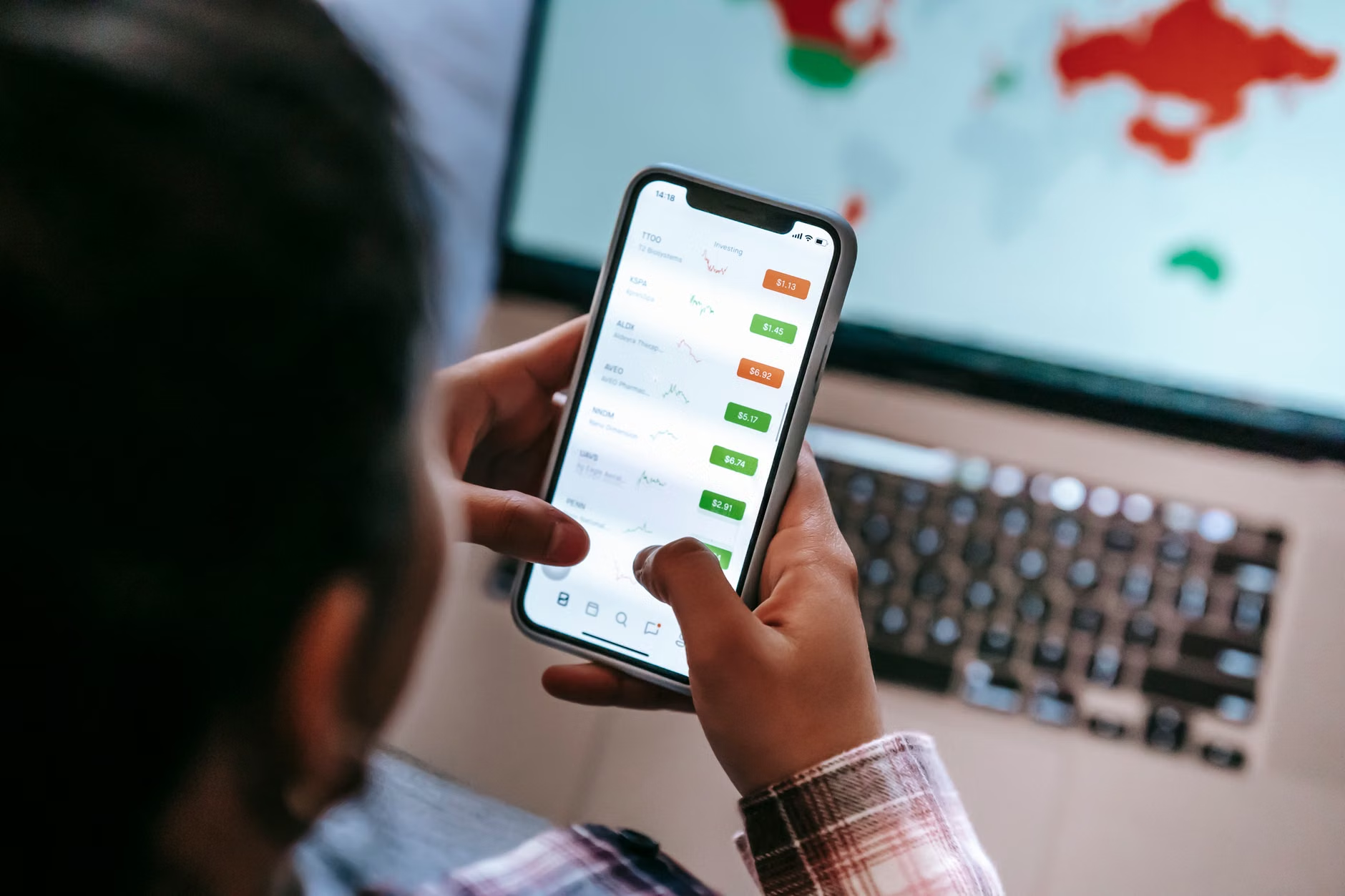
Why does this matter in your 30s and 40s? Because your time is a finite resource. You don’t have time to manually adjust thermostats every time the price of electricity changes. Automation is the only way to achieve meaningful savings without sacrificing the comfort your children or your household needs. When the system handles the “grid-load shifting” in the background, you get the lower bill without the mental load of monitoring energy markets.
How to Negotiate Smart Upgrades with Your Landlord
Since you cannot legally overhaul the infrastructure of a rental property, you must approach your landlord as a partner in efficiency. Most property owners are concerned about two things: maintenance costs and property value. If you can frame a smart-grid installation as a way to protect their equipment, they are much more likely to listen.
Consider this scenario: You want to install a smart thermostat system that manages your apartment’s aging heat pump. Rather than asking, “Can I change the heater?”, try this approach: “I’ve noticed that our current thermostat is quite old and doesn’t allow for efficient scheduling. I’d like to install a smart control unit that will reduce the strain on the heat pump and lower the electricity bill. I’m happy to pay for the device if we can agree on a shared installation cost or if I can take the device with me when I move.”
Landlords are often swayed by the “smart home” trend. An apartment that is advertised as “Smart-Grid Ready” or “Energy-Efficient Climate Controlled” is significantly more attractive to prospective tenants. You are essentially offering to improve their property for free. To make this work, you must ensure that the installation is non-destructive. Use wireless protocols like Zigbee or Z-Wave, which require no new wiring and can be removed in ten minutes when your lease ends.
The Technical Hierarchy of Rental-Friendly Upgrades
Not all smart upgrades are created equal. Depending on your current heating setup, you have different tiers of intervention available. It is important to match the technology to your specific rental setup to avoid wasted effort.
| Technology Type | Best For | Complexity | Portability |
|---|---|---|---|
| Smart Thermostat (e.g., Ecobee, Nest) | Apartments with central HVAC/Heat Pump | Low/Medium | High |
| Smart Radiator Valves (TRVs) | Apartments with hot water radiators | Low | High |
| Smart Plug/Controller for Baseboards | Electric baseboard heaters | Medium | Low |
If you have central air or a heat pump, a smart thermostat is the gold standard. It is the most portable and effective tool. If you live in an older building with radiators, you are looking at smart TRVs. These replace the manual knob on your radiator and allow you to set specific temperatures for every room. This is a massive “hidden” energy saver—why heat the bedroom to 22°C all day when you only use it at night?
Common Mistakes to Avoid When Modernizing Your Rental
The most common mistake renters make is buying “smart” devices that do not communicate with the grid or with each other. A thermostat that just follows a schedule is not a smart-grid device. To truly save money, you need a device that can integrate with your local utility’s Time-of-Use (TOU) rates.
Check if your utility company has an app or a program that offers rebates for smart thermostats. In many regions, the utility will actually pay you to use a smart thermostat because it helps them manage peak loads. If you buy a unit that is compatible with their “Demand Response” program, you might find that the device pays for itself within the first year through direct bill credits.
Another mistake is ignoring the “gateway” requirement. Some smart devices require a proprietary hub to communicate with the internet. If you move into a place with poor Wi-Fi or limited space for hardware, this can become a headache. Always opt for devices that use universal protocols like Matter or Thread. These are the current gold standards for interoperability, ensuring that your investment isn’t “bricked” the moment a company decides to stop supporting an old app.
Understanding the Economics of Peak-Load Shifting
Why does the grid care when you turn on your heat pump? The electricity grid is like a highway. At 6:00 PM, everyone is “driving” (using energy), and the highway is congested. This forces utility companies to fire up “peaker plants”—older, dirtier, and more expensive power plants—just to meet the demand. When you use a smart-grid integrated device, you are essentially choosing to “drive” at 2:00 AM when the highway is empty.
For you, the benefit is financial. Many utilities offer Time-of-Use (TOU) pricing. Electricity might cost 30 cents per kWh at 6:00 PM but only 8 cents per kWh at 2:00 AM. A smart-grid heat pump controller will automatically pre-heat your apartment during the cheap hours and then turn off or throttle down during the expensive peak hours. You stay warm, but your bill looks significantly different at the end of the month.
This is not just about saving a few pennies. Depending on your local utility rates, you could reduce your heating bill by 15% to 25% annually. For a family in their 30s or 40s, that is a few hundred dollars a year—enough to cover a significant portion of a travel fund or a child’s extracurricular activity fees. It is one of the few “set it and forget it” financial optimizations that actually works.
Privacy, Data, and the “Smart” Trade-off
We cannot talk about smart-grid integration without addressing the elephant in the room: data privacy. When you connect your home to the grid, you are sharing information about your habits. When you wake up, when you leave for work, when you are home with your kids—the utility and the device manufacturer can see all of this.
As a renter, you have a bit more protection because you are a customer of the utility, not the owner of the infrastructure. However, you should always check the privacy settings of your smart devices. Look for options that allow “local control.” This means the device talks to your hub at home, not a cloud server in another country. It is a slightly more technical setup, but it keeps your family’s daily routine private.
Furthermore, be wary of “free” smart devices offered by utilities. While they are tempting, they often come with strict terms that allow the utility to control your temperature settings more aggressively than you might like. Always read the “participation agreement.” If you want more control, buy your own device and opt into the utility’s program manually. This gives you the right to opt out at any time if you decide that a specific temperature setting is too cold for your family.
Actionable Steps for the Next 30 Days
If you want to start this process, don’t try to do everything at once. Follow this logical sequence to minimize risk and maximize returns:
- Audit your utility bill: Look at your electricity provider’s website. Do they offer Time-of-Use rates? Do they have a list of “approved” smart thermostats that come with a rebate? This is your starting point.
- Identify your hardware: Check your thermostat or radiator valves. Are they standard 24V (for thermostats) or standard thread (for radiators)? This determines what you can actually buy.
- Check with the landlord: Send a polite, professional email. Mention the energy savings and the fact that the installation is non-destructive. If they are hesitant, offer to have a professional HVAC technician handle the install to ensure it meets building standards.
- Install and Calibrate: Once installed, spend the first week “training” the system. Most smart controllers need to learn how your apartment retains heat. Don’t be surprised if the first few days feel a bit off; the algorithm is gathering data.
- Monitor and Adjust: After a month, look at the energy reports provided by the app. If you notice the system is shifting usage into peak hours, check your settings. You are the boss of the algorithm, not the other way around.
Remember that you are building a habit of efficiency. Even if you move out in a year, you now possess the knowledge of how to optimize a home’s energy profile. That knowledge is portable, and it will serve you well when you eventually move into a home of your own. The goal is to stop being a passive consumer of energy and start being an active participant in your home’s performance.
Addressing the Common Misconception of “Comfort Loss”
A common fear among parents is that “smart” heating will mean a cold house for the kids. This is a misunderstanding of how thermal mass works. Your apartment walls, furniture, and floors hold heat. A smart-grid system is not going to turn the heat off for three hours while you are sitting in the living room. It works by “pre-conditioning” the space. It will heat your apartment slightly above your target temperature during the cheap, off-peak hours, using the building’s thermal mass to “store” that warmth.
When the expensive peak hours arrive, the system throttles back. Because the room is already warm, the temperature will drop very slowly—often so slowly that you won’t even notice. By the time the room cools down to a point where you might feel it, the peak period is usually over, and the system kicks back in. It is a sophisticated dance of thermodynamics that keeps you comfortable while protecting your wallet.
If you have specific needs—for example, if you have a newborn who needs a constant temperature—you can always set “override” periods in the app. Smart systems are not rigid; they are flexible. You can create a “nursery zone” that never participates in grid-load shifting, ensuring that your most important room remains exactly as you need it, while the rest of the apartment does the heavy lifting for your energy savings.
The Future of Rental Living
As we move toward a more electrified future, the gap between renters and homeowners in terms of energy access will only grow. However, the technology is also becoming more democratized. We are seeing a move toward “portable smart infrastructure” where the intelligence is in the software, not the heavy machinery. This is a massive win for the renter.
You don’t need to be an engineer to make this work. You just need to be a bit more curious about the systems that run your home. The next time you get a utility bill that makes you wince, look at the “peak” section. That is where your money is going. By reclaiming those hours through smart technology, you are not just saving money; you are taking control of your domestic environment. It’s a small, practical step, but in the context of a busy life, it is a significant victory.
Start with the thermostat or the radiator valves. You will be surprised at how much control you can exert over your living space with a single, well-placed piece of technology. And remember: the best time to start is before the next heating season hits. Get your hardware set up while the weather is mild, so you have time to learn the system before the real cold sets in.
For more information on energy-saving programs and smart home compatibility, check your local utility provider’s official website. Many also provide guides specifically for tenants to help navigate the installation process with landlords. For broader context on how smart grids function, the U.S. Department of Energy’s Office of Electricity offers excellent explainers on how these systems integrate with consumer technology.
Frequently Asked Questions
1. Can I install a smart thermostat if my apartment uses old-fashioned electric baseboard heaters?
Standard smart thermostats designed for HVAC systems (24V) will not work directly with baseboard heaters (which often use 120V or 240V). However, you can purchase “line-voltage” smart thermostats specifically designed for baseboards. These are easy to install, but always turn off the circuit breaker before touching any wires. If you aren’t comfortable with electrical work, it is a simple job for a professional.
2. What if my landlord refuses to let me change the thermostat?
If the landlord is resistant, focus on “plug-in” solutions. Smart plugs can manage portable heaters or air conditioners, and smart TRVs (for radiators) do not require any electrical wiring or landlord permission to install. They simply unscrew the existing manual knob and screw on the smart valve. You can swap them back to the original knobs in seconds when you move out.
3. Will smart-grid integration actually save me money, or is it just a marketing gimmick?
It is definitely real, but the savings depend entirely on your utility’s rate structure. If you are on a flat-rate plan where electricity costs the same 24 hours a day, smart-grid features won’t save you money on usage charges. However, they will still save you energy by ensuring you aren’t heating an empty home. If you are on a Time-of-Use (TOU) plan, the savings can be substantial, often paying for the device in under a year.