- Financial Savings: Circular logistics allow retailers to sell “imperfect” or near-expiry food at significant discounts via apps, directly lowering your weekly grocery bill.
- The “Last Mile” Shift: Cities are moving away from heavy delivery trucks toward micro-hubs and e-bike fleets, meaning your groceries are likely to arrive fresher and with a smaller carbon footprint.
- Smart Inventory: By integrating digital tracking with your own kitchen management, you can prevent the “buy, forget, toss” cycle that accounts for nearly 30% of household food waste.
If you have ever cleared out your refrigerator on a Sunday night only to find a bag of wilted spinach and a container of yogurt that expired three days ago, you are already intimately familiar with the primary problem of modern food supply chains: the “linear” model. We buy, we use (or forget), and we throw away. It is expensive, it is inefficient, and frankly, it is exhausting to manage while trying to get the kids to school and meet a work deadline.
The “Circular Food” logistics model is the industry’s attempt to fix this. Instead of a straight line from farm to trash bin, it aims to create a loop where surplus is redistributed, waste is minimized through data, and the logistics of getting food to your door are radically reshaped. For those of us in our 30s and 40s, this isn’t just an abstract environmental goal—it is a transformation that will change how we shop, eat, and save money.
Why the Current Food Logistics Model is Failing Your Wallet
The traditional food supply chain is built for mass volume, not for precision. Supermarkets prioritize aesthetic perfection—that “picture-perfect” apple—because that is what they believe we want. However, this focus on aesthetics results in massive amounts of perfectly edible food being discarded before it even hits the shelf. When we add the “last mile” of delivery—getting that food from a giant warehouse to your apartment—the system becomes even more bloated and prone to waste.
For the average household, this inefficiency manifests as higher prices. When a retailer loses 10% of their inventory to spoilage, they don’t just absorb that cost; they pass it on to you through higher shelf prices. Circular logistics seeks to reclaim that lost value. By using real-time data, retailers are starting to track the “shelf-life” of items more accurately, allowing them to discount items as they approach their expiration date rather than throwing them away.
Think of it like a dynamic pricing model for your dinner ingredients. If a grocery store knows they have 50 units of organic chicken that must be sold within 24 hours, they can push a notification to your phone offering a 40% discount. You get a cheaper meal, the store avoids a disposal fee, and the food stays in the circular economy. This is not just a trend; it is a fundamental shift in how inventory is treated.
The Rise of Micro-Hubs and Electric Cargo Delivery
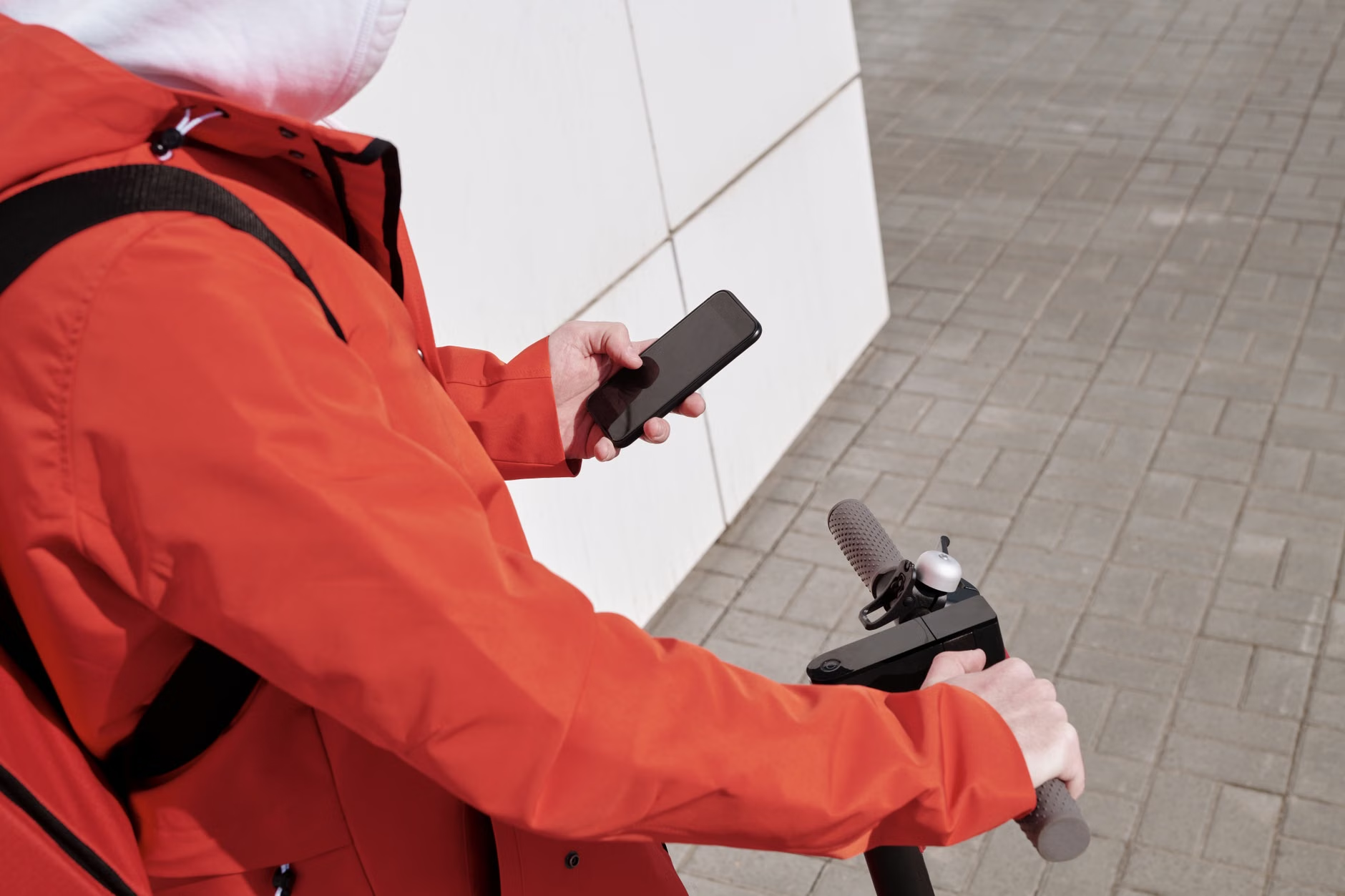
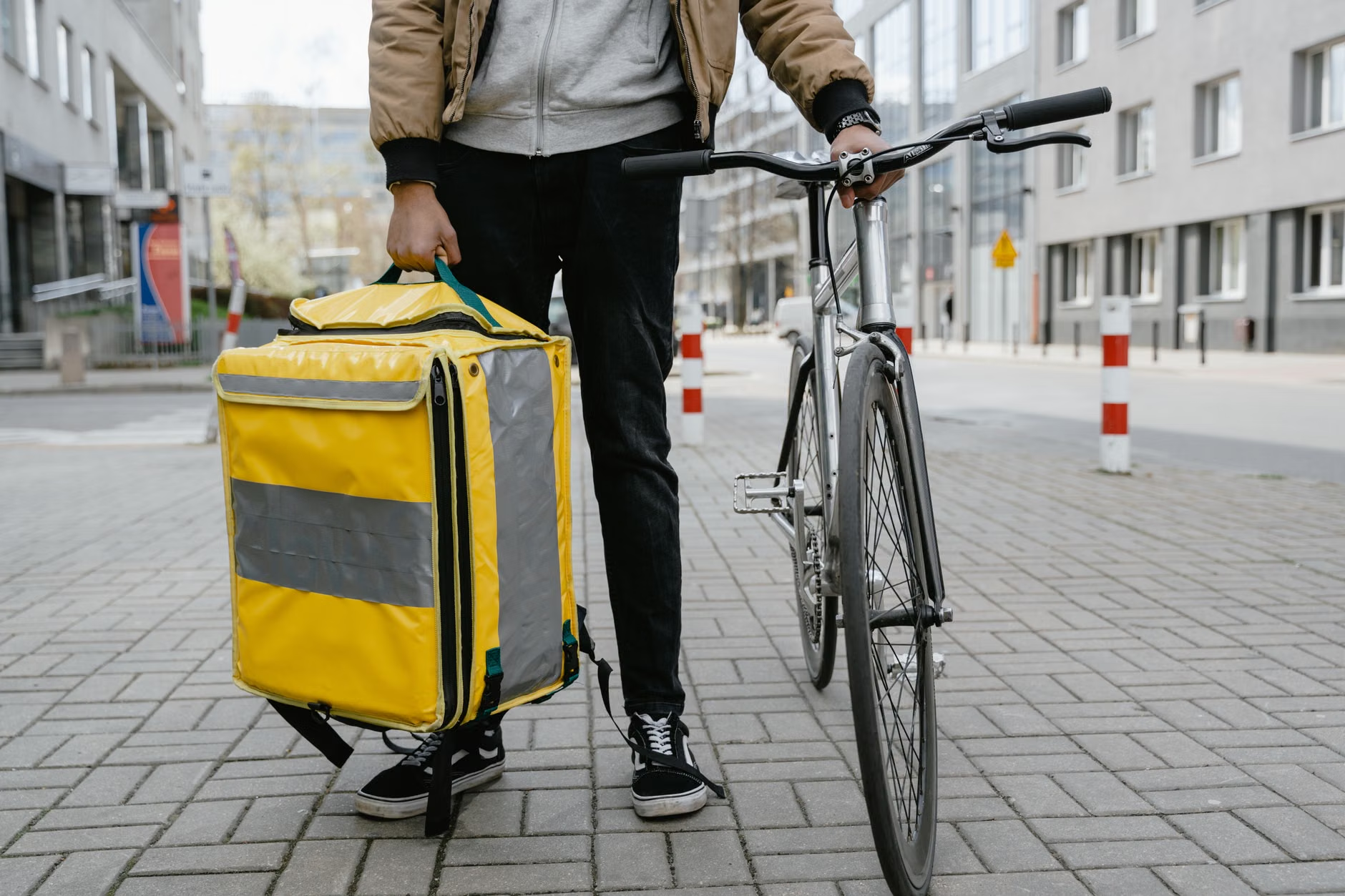
One of the most visible changes in urban centers is the disappearance of the massive delivery truck. In dense cities like London, Amsterdam, and Tokyo, we are seeing the rise of “micro-hubs.” These are small, hyper-local storage facilities that receive bulk shipments and then distribute them via e-bikes or small electric carts.
Why does this matter for your daily life? Because traditional trucks are often stuck in traffic, leading to delayed deliveries and temperature fluctuations that reduce the quality of your fresh produce. E-bikes, by contrast, can navigate urban congestion with ease. The result is a more reliable delivery window and, crucially, a shorter time between the warehouse and your front door.
When your groceries arrive via an e-bike from a micro-hub, they have spent less time in transit. This might seem like a minor detail, but for perishable items like berries, leafy greens, or dairy, those extra few hours of transit time can be the difference between a product that lasts a week in your fridge and one that spoils in two days. This is the “logistical freshness” factor—the idea that the speed of the supply chain directly impacts the shelf life of the food in your home.
How to Participate in the Circular Food Economy
You don’t need to be a sustainability expert to benefit from these changes. In fact, the most effective way to engage with circular logistics is to adopt a “data-first” approach to your own kitchen. Many of the tools used by retailers are now available to consumers.
| Tool/Strategy | How It Works | Primary Benefit |
|---|---|---|
| Surplus Apps | Apps that connect you to local stores selling end-of-day surplus food at deep discounts. | Significant grocery bill savings. |
| Smart Inventory | Using basic digital apps to track expiry dates of items in your fridge. | Reduced household food waste. |
| Local Micro-Hubs | Choosing delivery services that utilize e-bike fleets for “last mile” delivery. | Fresher produce and lower carbon footprint. |
The table above highlights that “circularity” is not just about recycling; it is about inventory management. The most common mistake people make is buying in bulk for convenience, only to have the items spoil before they can be consumed. In a circular model, the emphasis shifts toward “just-in-time” procurement. Instead of a massive weekly shop that results in a fridge full of clutter, try smaller, more frequent deliveries that utilize the surplus-discount features now offered by many major grocery delivery platforms.
The Hidden Costs and Trade-offs
It is important to be realistic about the trade-offs. While circular logistics promise efficiency, they also require a higher degree of digital engagement. If you are not comfortable using apps to track inventory or manage your grocery orders, you might find it difficult to capture the financial benefits. Furthermore, these systems rely on a robust digital infrastructure. In areas where internet connectivity is spotty or the “gig economy” delivery network is thin, the benefits of circular logistics may be slower to materialize.
Another point to consider is the “convenience vs. cost” trade-off. Some circular services require you to be more flexible with your meal planning. If you are buying “surplus” food, you cannot always dictate exactly what vegetables or proteins you will get. This requires a level of culinary flexibility—the ability to look at a bag of slightly misshapen carrots and a discounted cut of meat and instantly visualize three different dinner options. If you prefer rigid meal plans and precise grocery lists, the circular economy might feel more like a chore than a benefit.
Step-by-Step: Integrating Circular Habits into Your Routine
If you want to start reaping the benefits of these logistics shifts, follow this simple framework. It is designed to minimize the mental load, which we know is already high for parents and professionals in their 30s and 40s.
- Audit Your Waste: For one week, keep a simple note of what you throw away. Is it produce? Dairy? Leftovers? Knowing your “waste profile” is the first step in fixing it.
- Download One Surplus App: Start with one platform that operates in your city (like Too Good To Go or similar local variants). Set your preferences to your neighborhood and check it during your commute home.
- Prioritize “Micro-Delivery”: When ordering groceries, look for retailers that specify their delivery methods. If they offer an e-bike or local hub option, choose it. You are not only supporting a more sustainable model, but you are also likely getting fresher goods.
- Adopt a “First-In, First-Out” System: It sounds like restaurant management, but it works at home. When you unpack groceries, move older items to the front of the fridge. It is a simple habit that prevents the “hidden” waste at the back of the shelf.
The Future of Your Kitchen
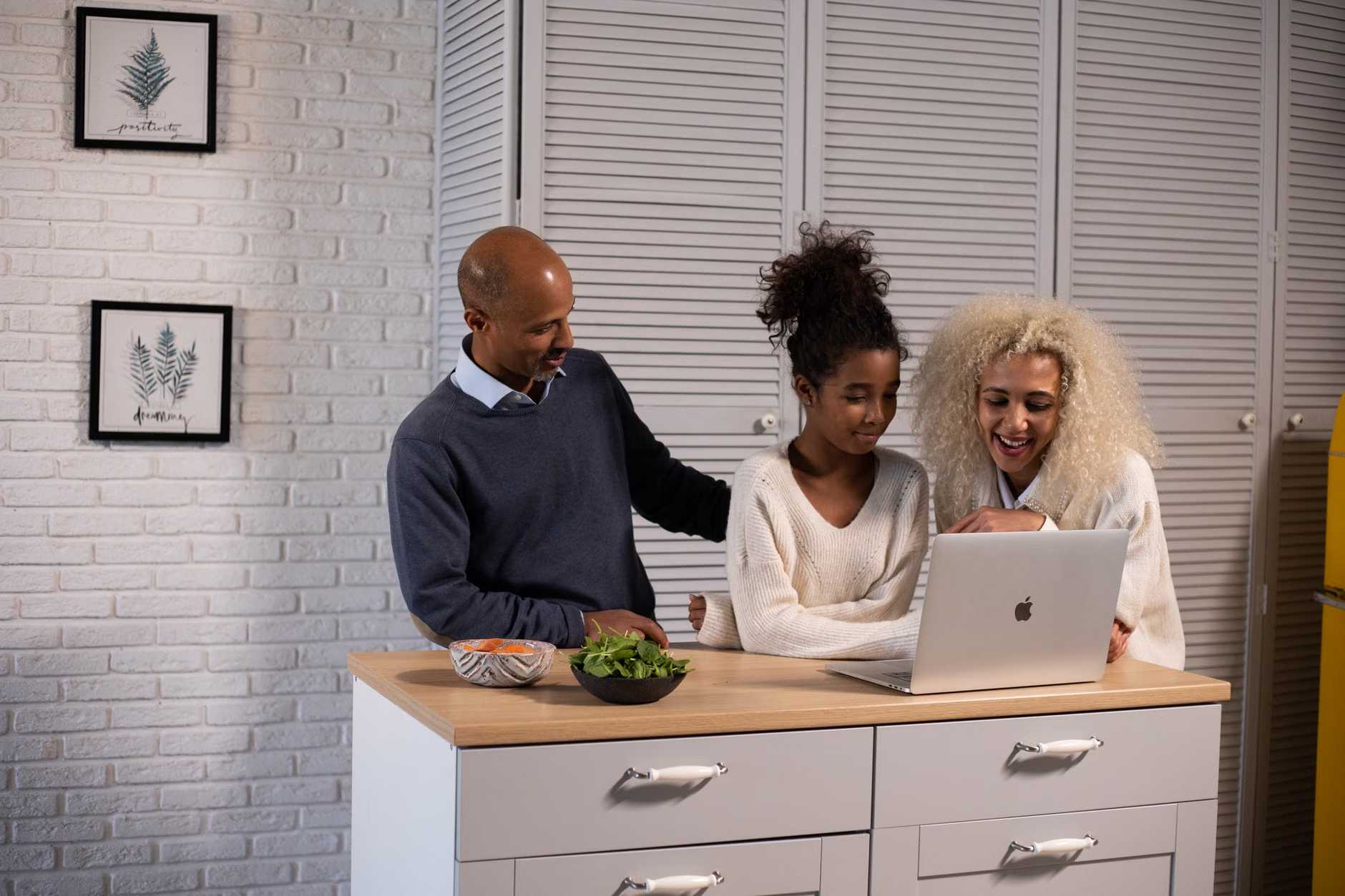
In the coming years, we can expect to see even more integration between our smart appliances and the logistics chain. Imagine a refrigerator that automatically detects when your milk is low and places an order for a fresh carton from a local micro-hub, or an app that suggests recipes based on the items in your fridge that are closest to their “best before” date. This is the logical conclusion of circular logistics: a system that manages itself so you don’t have to.
However, we are currently in the transition phase. The technology exists, but the habits are still catching up. The most important thing you can do right now is to stop viewing “waste” as an inevitable part of grocery shopping. Every time you throw away food, you are effectively throwing away money. By leaning into the tools of the circular economy, you are reclaiming that value and helping build a more efficient, less wasteful urban environment.
The shift is happening whether we notice it or not. The trucks are getting smaller, the apps are getting smarter, and the options for buying “surplus” are increasing. For the busy parent or professional, this is a rare win-win: you save money, you reduce your environmental impact, and you end up with a more organized, efficient kitchen. The next time you are tempted to buy that bulk bag of produce, take a second to consider whether a circular approach—buying exactly what you need, when you need it—might be the better path forward.
Frequently Asked Questions
1. Is “surplus” food safe to eat?
Yes, absolutely. Most surplus food sold through reputable platforms is perfectly safe. It is usually discounted because it is reaching its “best before” date, is slightly misshapen, or is simply overstocked. “Best before” dates are indicators of quality, not safety. Always use your senses—sight, smell, and touch—to assess food quality, just as you would with any other grocery item.
2. How does the circular economy help with rising food costs?
By reducing the amount of inventory that goes to waste, retailers can operate more profitably without needing to inflate prices across the board. Furthermore, by purchasing items that are marked down due to their status as “surplus,” you are directly accessing lower price points that would otherwise be lost to the landfill. It turns a retailer’s loss into your gain.
3. Are these services available in all cities?
While the infrastructure for circular logistics is growing rapidly, it is currently most advanced in major metropolitan areas with high population density. If you live in a smaller town or a rural area, you may find fewer options for “last-mile” e-bike delivery or surplus apps. However, the core principles—buying local, minimizing waste, and inventory management—are universal and can be applied anywhere.
For further reading on the development of urban food systems, you can consult resources from the Ellen MacArthur Foundation, which provides extensive research on the circular economy, or check your local government’s sustainability portal for city-specific initiatives regarding food waste reduction.