If you are looking for a vacation that balances the need for genuine family connection with the desire for environmental responsibility and minimal logistical stress, an eco-catamaran charter is currently your best bet.
- Stability and Space: Catamarans provide a dual-hull design that significantly reduces seasickness and offers separate “zones” for adults and children, essential for multi-generational harmony.
- The Eco-Advantage: Newer electric and solar-powered catamarans eliminate the constant hum of diesel engines, creating a quiet, carbon-conscious environment that connects you directly to nature.
- Logistical Reality: Booking for a group requires a “skippered” charter if you lack sailing credentials, and the true cost often lands 20-30% higher than a standard land-based resort when factoring in fuel, mooring fees, and provisioning.
For parents in their 30s and 40s, the “perfect family vacation” often feels like a paradox. You want adventure, but you need safety. You want to disconnect from technology, but you need a reliable way to manage a toddler’s nap schedule or a grandparent’s mobility needs. You want to teach your children about the planet, but you don’t want to spend your entire holiday worrying about the logistics of your own carbon footprint.
This is where the shift toward eco-conscious catamaran sailing comes in. It isn’t just about “being green”; it is about the design of the experience. By moving away from the crowded, high-consumption resort model, you gain control over your environment, your pace, and your impact.
Why the Catamaran Model Outperforms Traditional Resorts for Families
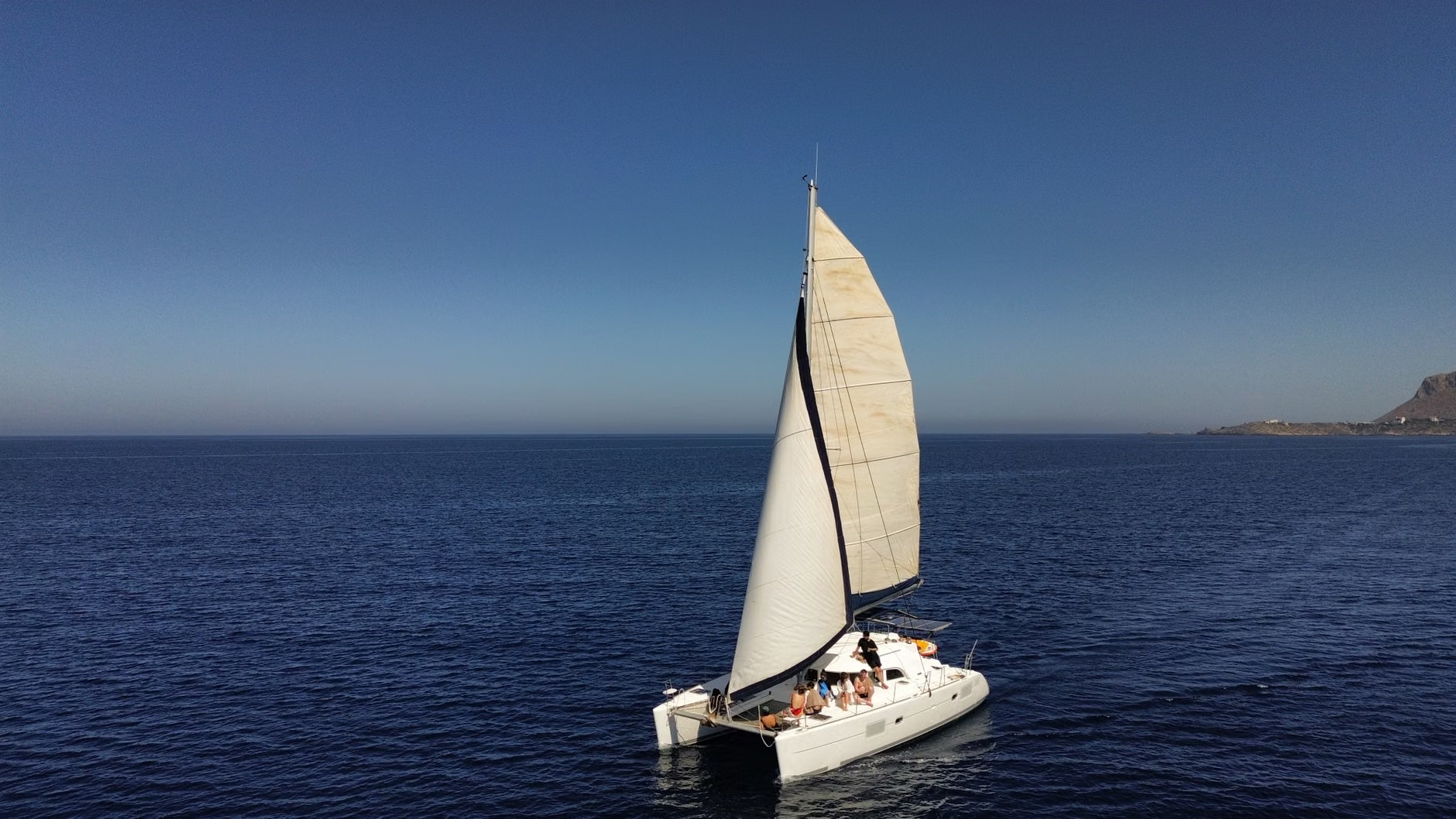
The primary reason catamarans are becoming the go-to for multi-generational travel is the physics of the boat itself. Unlike a traditional monohull sailboat, which leans with the wind, a catamaran sits flat on the water. For a grandparent with limited mobility or a toddler just finding their feet, this stability is a game-changer.
But beyond the physics, there is the “spatial psychology.” In a hotel room, everyone is condensed into a tight space. On a catamaran, you have the cockpit for communal meals, the trampoline (the netting between the two hulls) for sunbathing and play, and the individual cabins for quiet time. This creates a natural rhythm where you can be together without being on top of each other.
The “Eco” Factor: Beyond Just Reducing Fuel
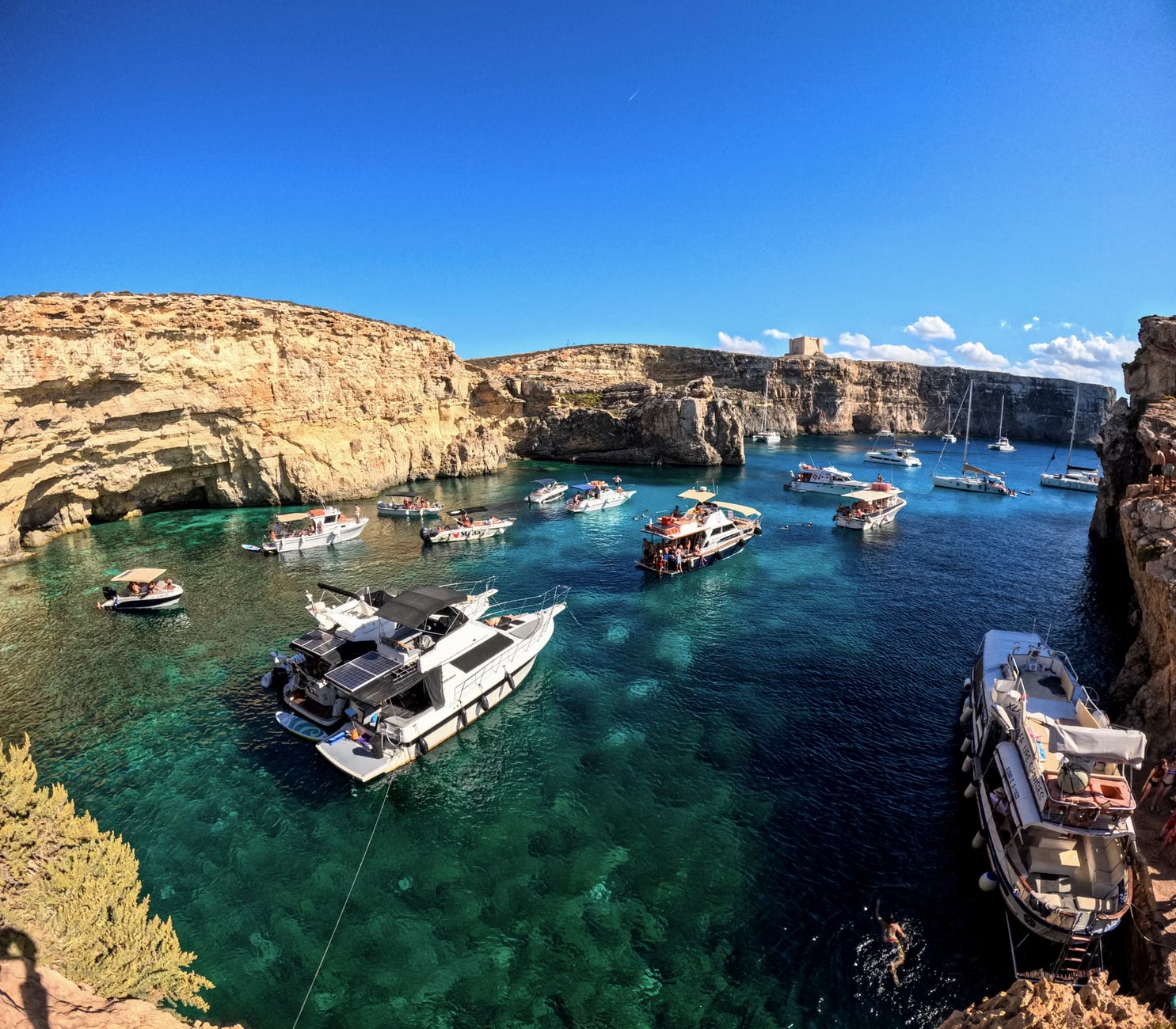
When we talk about “eco-catamarans,” we aren’t just talking about a marketing buzzword. We are talking about vessels equipped with solar arrays, electric propulsion systems, and water desalination units that allow for longer periods of “off-grid” living. For a family, this matters because it changes the itinerary. You are no longer tethered to busy, polluting marinas every night to plug in for electricity or refill water. You can drop anchor in a secluded, protected bay, teach your kids about the local marine life, and experience silence—a rare commodity in the modern world.
Real-life scenario: Imagine a typical vacation day. You wake up on the water in a quiet cove. Instead of rushing to a hotel breakfast buffet, you make coffee on the boat while the children play safely in the netted bow area. By 10:00 AM, you are already swimming in clear water. Because you are using solar power, you aren’t running a noisy generator. The only sound is the water lapping against the hull. This isn’t just “sustainable”; it’s a higher quality of life.
Financial Planning: Decoding the True Cost of Your Trip
One of the biggest misconceptions about private sailing is that it is strictly for the ultra-wealthy. While it is certainly a premium experience, it becomes surprisingly competitive when you divide the cost among a multi-generational group—say, two parents, two children, and two grandparents.
However, you must look past the “base charter fee.” Here is how the costs actually break down:
| Expense Item | Estimated Impact | Notes for Families |
|---|---|---|
| Base Charter | 60-70% of total | Price varies wildly by season; shoulder season (May/June or Sept/Oct) is 30% cheaper. |
| Skipper Fee | $200 – $350 per day | Mandatory if no one in your group has a valid RYA/ASA license. |
| Provisioning | $50 – $100 per person | Buying local and cooking on board is cheaper than eating out every night. |
| Mooring & Fuel | $300 – $800 per week | Eco-boats reduce fuel costs, but mooring fees in popular areas can be high. |
The Hidden Variable: Many families forget to budget for the “security deposit” and the “end-of-charter cleaning fee.” Also, consider the cost of “provisioning.” A common mistake is attempting to cook elaborate, restaurant-style meals while at sea. Stick to local, simple ingredients—fresh bread, local cheeses, fruits, and grilled fish. It’s better for the planet, better for your stress levels, and much easier to manage in a smaller galley.
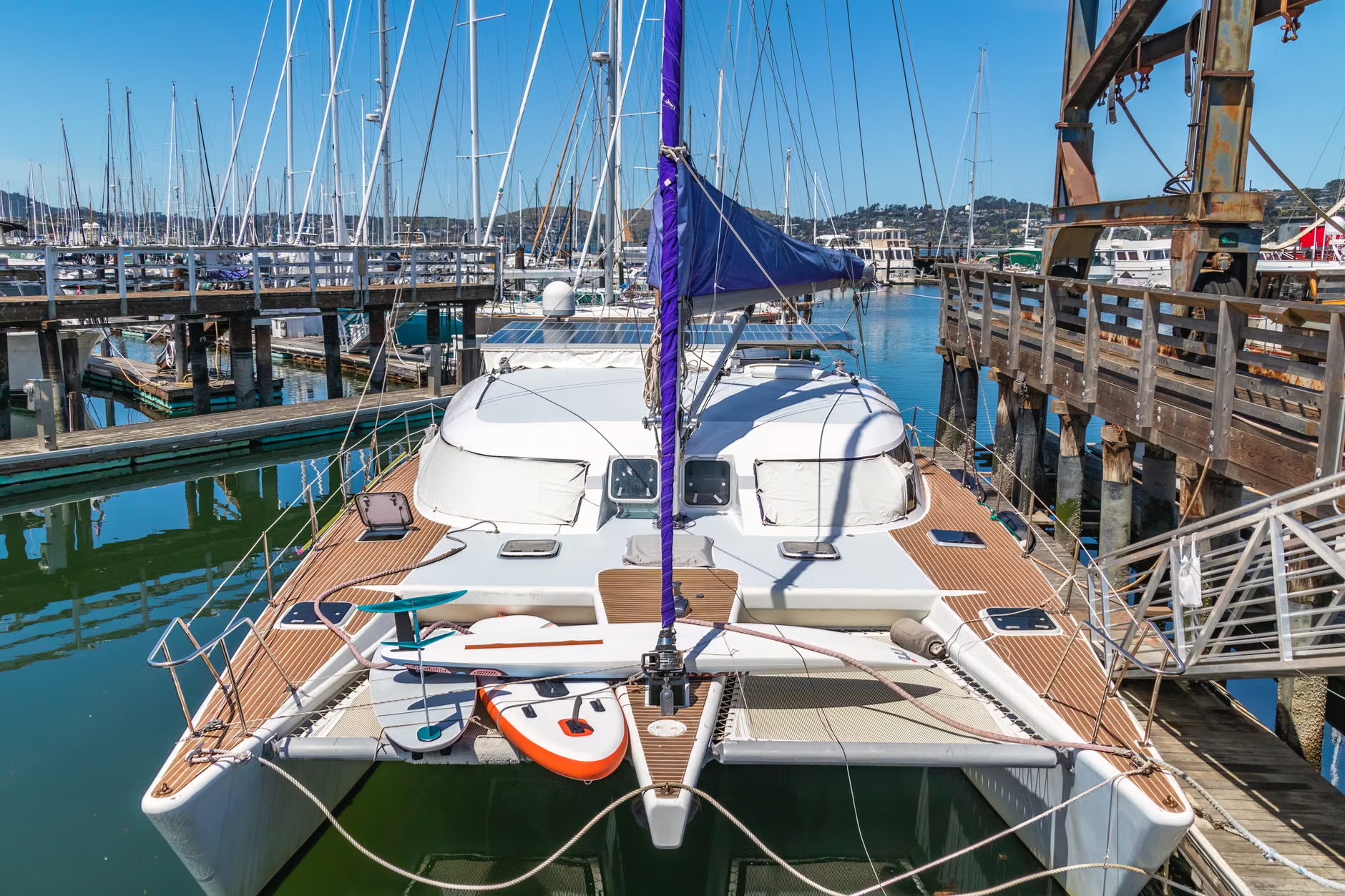
If you are traveling with children under 10 or seniors over 70, your choice of boat is critical. Not all catamarans are created equal. When researching, look for “family-friendly” charters that explicitly mention safety nets (the netting around the perimeter of the boat) and high-quality life jackets that are actually comfortable to wear.
The “Skippered” Versus “Bareboat” Decision
Unless you are an experienced sailor, do not attempt a “bareboat” charter (where you captain the boat yourself). For a family trip, hiring a professional skipper is the best “insurance” you can buy. They know the weather patterns, the best spots for swimming, and most importantly, they know how to handle the boat in a way that minimizes motion sickness for the passengers.
Common mistake: Assuming that because you are on a boat, you will be “sailing” all day. In reality, a great family catamaran trip involves short hops—perhaps 2 to 3 hours of movement per day—followed by long afternoons at anchor. This prevents the kids from getting restless and ensures the grandparents don’t get exhausted.
Sustainable Travel: What You Are Actually Protecting
The “eco” aspect of eco-catamarans is not just about the solar panels. It is about the philosophy of the travel itself. By choosing a charter company that utilizes electric motors, you are reducing noise pollution, which is a major disruptor for marine mammals. By using eco-friendly cleaning products on board (which many modern charters now provide), you are preventing harmful chemicals from entering the delicate ecosystems of the bays where you anchor.
Insight: The most impactful “green” action you can take as a tourist is to support local businesses in the small harbors you visit. Instead of stocking your boat with imported goods from a large supermarket at the base port, buy your produce and fish from the small ports you visit along the way. It reduces the carbon footprint of your supplies and keeps your travel dollars within the local economy.
Essential Checklist for Your First Charter
If you are planning your first trip, follow this sequence to ensure success:
- Select the Region: For beginners, the Mediterranean (Greece or Croatia) or the Caribbean (the British Virgin Islands) are the gold standards due to the high density of quiet bays and professional infrastructure.
- Check the “Eco-Certification”: Look for charters that are part of initiatives like the Blue Flag program. These companies have verified standards for waste management and environmental protection.
- The “Trial” Night: If you are unsure if your family will enjoy the lifestyle, book a 3-day “mini-charter” before committing to a full week.
- Communication is Key: Before you leave, have a meeting with all participants. Establish the “rules of the boat,” such as water usage (short showers are a must) and the importance of keeping the deck clear of toys to prevent tripping hazards.
The beauty of this vacation style is that it forces you to slow down. You cannot “rush” a boat to its destination if the wind isn’t cooperating or if the sea is choppy. This lack of control is actually a relief for parents who spend their daily lives micro-managing schedules. When you are on the water, you adapt to the conditions. It is a powerful lesson for both adults and children in flexibility and patience.
Final Thoughts: Is It Worth the Effort?
Is an eco-catamaran vacation more work than booking an all-inclusive resort? Yes. You have to be more involved in the planning, the shopping, and the daily rhythm. But the payoff is a level of intimacy and connection that you simply cannot replicate in a hotel. You are together in a way that feels intentional rather than forced. For families in their 30s and 40s who are looking for a way to bridge the gap between their desire for adventure and the reality of raising a family, there is no better classroom than the open sea.
Start small, research your charter company’s environmental policies, and focus on the quality of your time together rather than the number of miles you cover. The goal is to return home not just with photos, but with a deeper appreciation for the environment and a stronger bond with the people who matter most.
Frequently Asked Questions
Q: Will my young children be safe on a catamaran?
A: Modern charter catamarans can be equipped with “safety netting” that runs along the lifelines of the boat, effectively creating a playpen. However, the most important safety measure is the constant supervision of children while on deck. Always ensure that children wear life jackets whenever they are outside the cabin, especially when the boat is in motion.
Q: How do we handle seasickness for the whole family?
A: Catamarans are inherently more stable than monohulls, which greatly reduces the risk. However, if you are prone to motion sickness, the best strategy is to stay in the cockpit (the center of the boat) rather than going below deck, and to keep your eyes on the horizon. Consult your doctor about over-the-counter motion sickness patches or bands before you leave, and keep the sailing legs of your trip short.
Q: What happens if the weather turns bad during our trip?
A: This is where a professional skipper is indispensable. They monitor marine weather reports constantly. If a storm is forecasted, they will adjust your itinerary to ensure you are tucked into a safe, sheltered harbor well before the weather arrives. Flexibility is the golden rule of sailing; never build an itinerary that is so rigid that it doesn’t allow for a day or two of “weather-bound” time in a safe port.
Useful Resources: