Key Takeaways
- Cost and Crowd Control: Secondary cities typically offer 30–50% lower daily costs compared to major hubs like Bangkok or Singapore, with significantly fewer tourist crowds.
- Authenticity over Amenities: While you may sacrifice high-end international chain luxury, you gain deeper cultural immersion and a more manageable pace for children.
- Logistical Strategy: The most successful trips use a “Hub and Spoke” approach, flying into a major international airport and taking a short, pre-booked private transfer or domestic flight to the secondary destination.
If you have spent your 30s and 40s dragging a stroller through the sweltering, shoulder-to-shoulder crowds of a major tourist capital, you know the specific brand of exhaustion that comes with “family vacationing” in a hotspot. You pay premium prices for the privilege of waiting in line, and your children are often too overstimulated to enjoy the culture you traveled thousands of miles to show them.
The “secondary city” movement in Southeast Asia isn’t just a trend for backpackers looking for a cheap beer. It is a strategic pivot for working parents who want a high-quality experience without the logistical nightmare of mega-metropolises. By choosing destinations that exist just outside the shadow of the primary tourist magnets, you aren’t just saving money; you are reclaiming your time and sanity.
Why Secondary Cities Are the Secret Weapon for Mid-Career Parents
In our 30s and 40s, our travel priorities shift. We aren’t looking for the “must-see” list that requires a 5:00 AM alarm to beat the tour buses. We are looking for a rhythm that respects our need for rest and our children’s need for space. A secondary city—think cities like Ipoh in Malaysia, Da Lat in Vietnam, or Chiang Rai in Thailand—offers a distinct advantage.
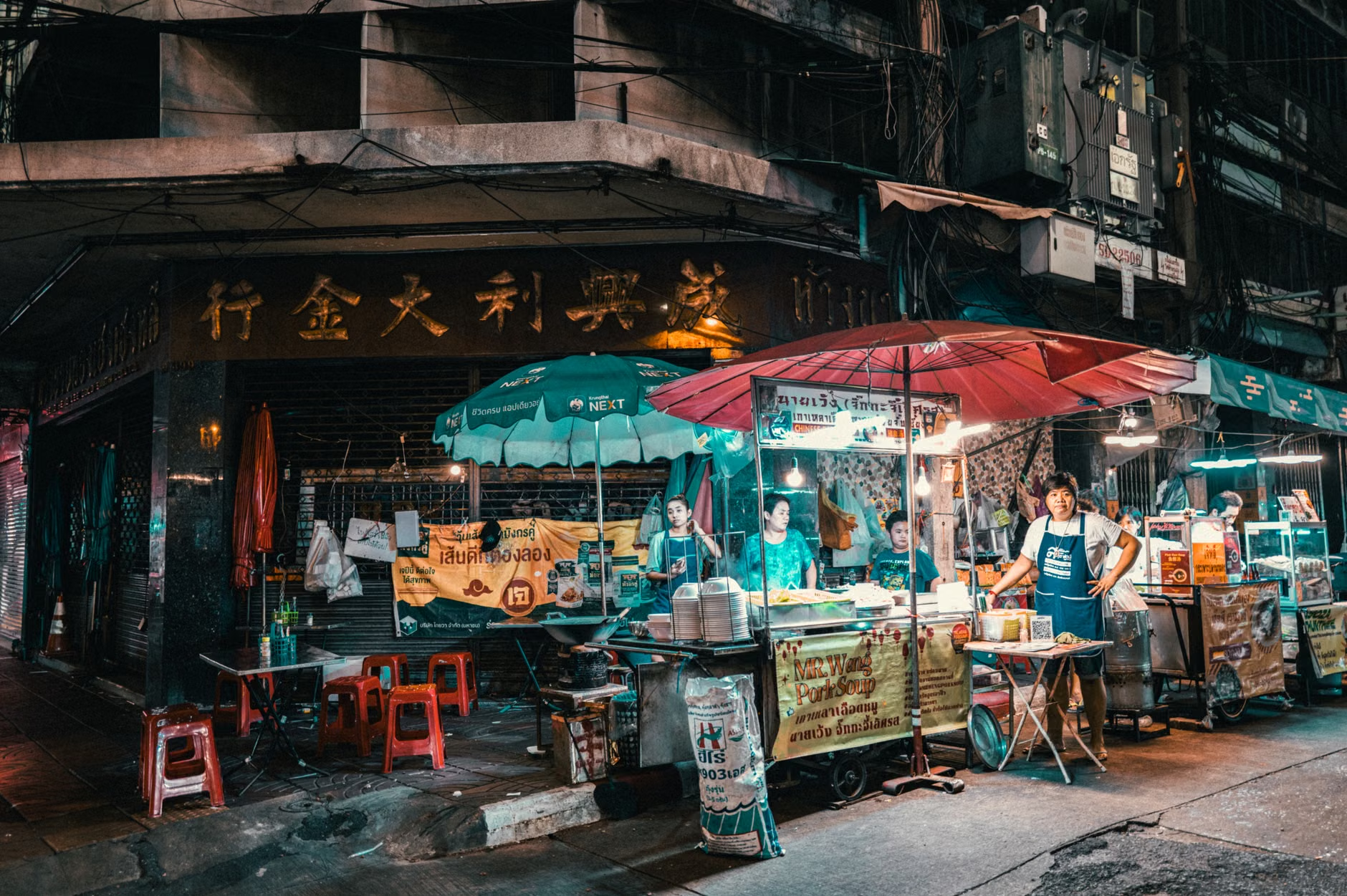
The primary benefit is the pace. Major hubs like Phuket or Bali are designed for high-volume tourism. The infrastructure is built to process you as efficiently as possible, which often feels like being on a conveyor belt. Secondary cities, by contrast, are built for the people who live there. They offer a “lived-in” feeling that is fundamentally more relaxing. When you walk down the street in a place like Ipoh, you aren’t fighting for sidewalk space with a dozen other tour groups. You are observing a community, which is, at its core, what travel is supposed to be.
The financial delta is also substantial. While prices in major cities have surged due to post-pandemic demand, secondary cities have remained relatively stable. You can often secure a high-quality boutique villa or a spacious family-friendly apartment for the price of a cramped, mid-range hotel room in a major city center. This allows you to extend your trip duration or upgrade your dining experiences without blowing your annual travel budget.
The “Hub and Spoke” Logistics Model
The biggest hesitation parents have regarding secondary cities is accessibility. “Is it going to take me three days just to get there?” The answer is almost always no, provided you use the Hub and Spoke model. This is the gold standard for efficient family travel in Southeast Asia.
Step 1: The Hub. Book your international flight into a major, well-connected airport (e.g., Kuala Lumpur, Bangkok, Ho Chi Minh City, or Singapore). Do not attempt to find a flight directly into a smaller regional airport; the layovers are often longer and the prices are significantly higher.
Step 2: The Spoke. Once you arrive at the hub, treat it as a transit point. You have two options here: a short, low-cost carrier flight or a pre-booked private car transfer. For families, the private car transfer is often superior. It removes the stress of airport security, baggage claim, and taxi haggling. A three-hour drive through the countryside is often more scenic and child-friendly than a one-hour flight that requires three hours of airport lead time.
Common Mistake: Many parents try to combine two or three major cities in one trip. This leads to “transit fatigue.” Instead, choose one hub for arrival, and one secondary city for the duration of your stay. This allows you to unpack, establish a routine, and actually get to know the neighborhood barista or the local grocer.
Assessing Infrastructure: The Trade-offs You Must Accept
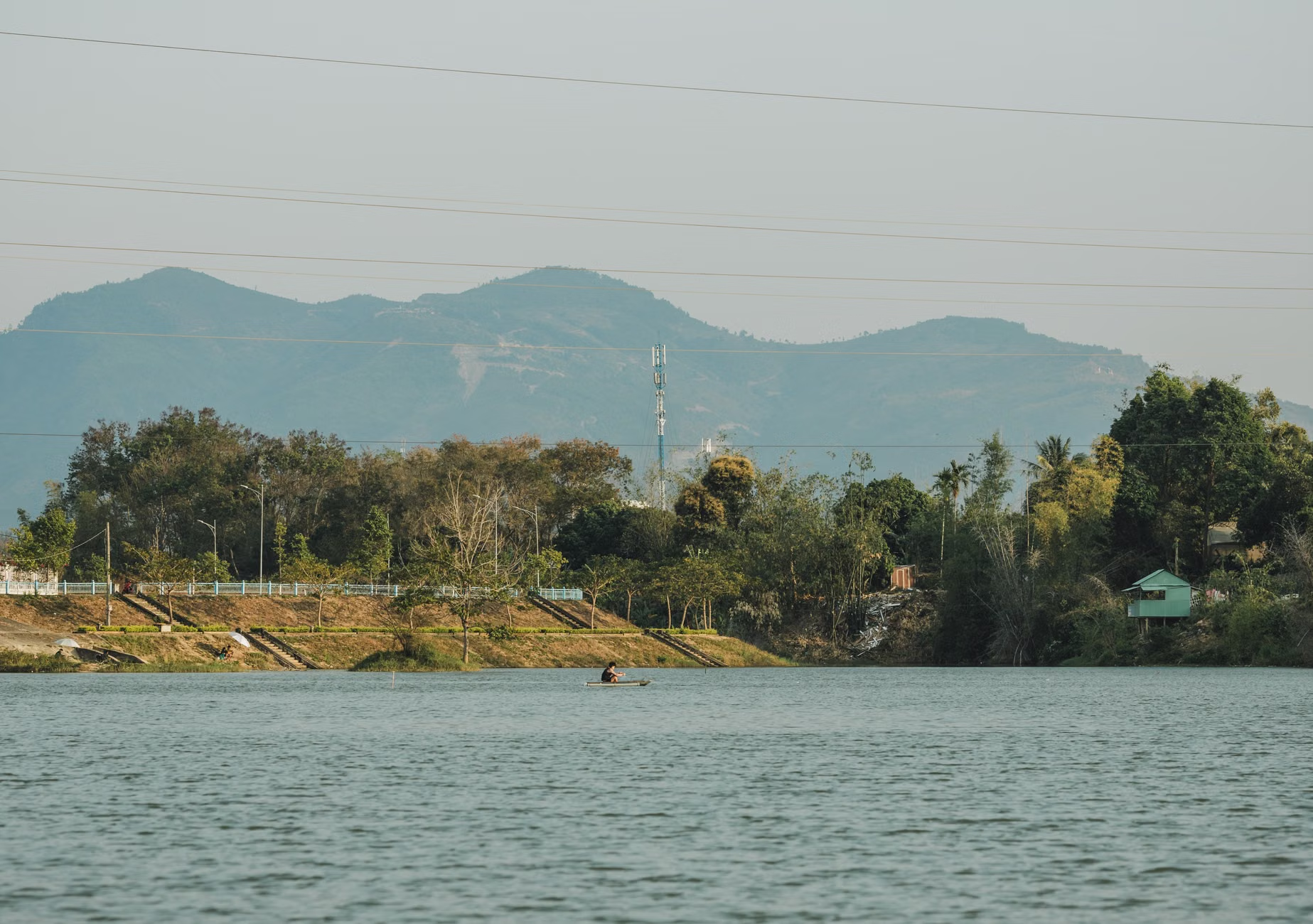
Before you commit to a secondary city, it is important to be realistic about what you are trading. You are trading high-end convenience for a more authentic, manageable experience. Here is a breakdown of how to evaluate if a city meets your family’s baseline needs.
| Feature | Major Tourist Hub | Secondary City |
|---|---|---|
| Healthcare Access | International-grade hospitals | Regional clinics; check distance to nearest major hospital |
| Food Variety | Global franchises, diverse international cuisine | Local specialties, limited “western” comfort food |
| Transportation | Abundant ride-sharing, public transit | Limited ride-sharing; may require hotel-arranged transport |
| English Proficiency | High across all service sectors | Lower; use translation apps for basic needs |
Healthcare is the non-negotiable variable. For parents, the proximity to a reputable hospital is the most important factor. Before booking, use Google Maps to search for “International Hospital” or “Emergency Room” in your target city. If the nearest facility is more than an hour away, you need to decide if that aligns with your risk tolerance. Most secondary cities in Southeast Asia are within a reasonable distance of a city with adequate medical facilities, but you should verify this specifically.
The “Western Comfort” factor. If your children are picky eaters, secondary cities can be a challenge. You won’t find a McDonald’s or a Starbucks on every corner. However, this is also a chance to expand their palate. In cities like Ipoh, the food culture is legendary. Instead of looking for familiar brands, look for the local “must-eats.” Bring a small stash of familiar snacks from home, but treat the lack of chain restaurants as a feature, not a bug.
Actionable Steps for Planning Your First Secondary City Trip
If you are ready to pivot, don’t jump blindly. Follow this decision-making framework to ensure you pick the right spot for your family’s specific needs.
1. Define Your “Non-Negotiables”
Sit down with your partner and list the three things that would ruin your vacation if they were missing. Is it a pool? Reliable Wi-Fi for remote work? Air conditioning? Proximity to a playground? Once you have these, filter your potential cities. If a city doesn’t have a hotel with a pool that meets your standards, discard it immediately. Don’t try to “make it work.”
2. The One-Week Test
Don’t book a month in a secondary city right away. Start with a one-week stay. This is long enough to settle in but short enough that if the city doesn’t suit your family’s personality, you aren’t stuck for a month. Use this week to test the local transport, the food, and the overall vibe.
3. Leverage Local Connections
Before you arrive, reach out to your hotel or rental host. Ask them specific questions: “What is the best way to get from the airport?” “Is there a local pediatrician nearby?” “Do you have a recommended local driver for day trips?” Their answers will tell you more about the city’s readiness for family travel than any travel blog ever could.
4. Embrace the “Slow Travel” Mentality
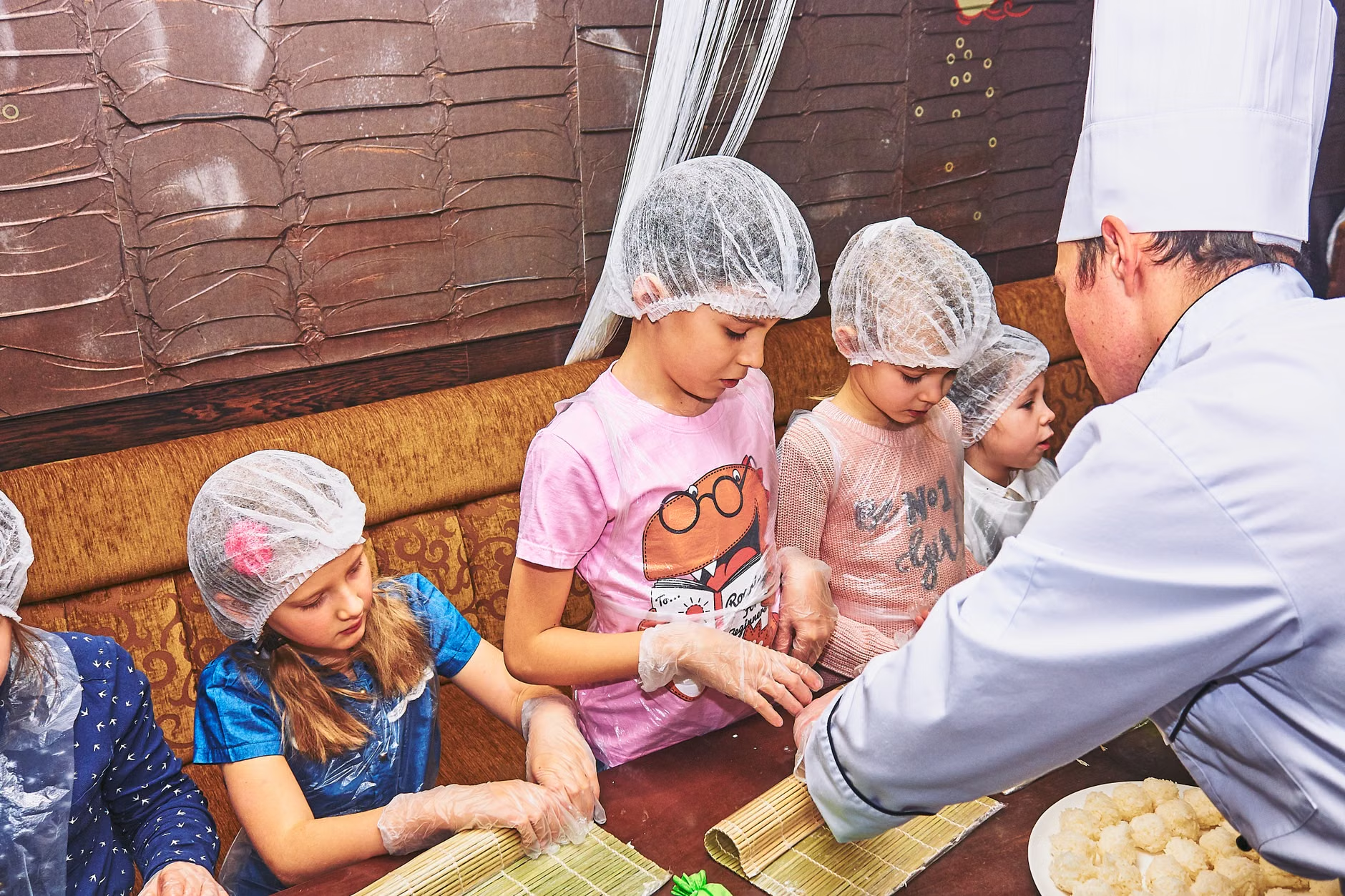
The goal of a secondary city is to do less, not more. Don’t pack your itinerary with museums and tours. Plan for one “activity” per day—a trip to a park, a cooking class, or a local market visit—and leave the rest of the day open. This reduces the stress of planning and gives you time to handle the unexpected, which is part of the charm of traveling off the beaten path.
Why This Matters for Your Long-Term Travel Habits
We often think of travel as a “break” from our real lives. But as we age, we realize that the stress of a high-intensity vacation often leaves us needing a vacation from our vacation. By choosing secondary cities, you are adopting a model of travel that is sustainable. You are teaching your children that the world is bigger than the tourist brochures and that value isn’t just about how much you pay for a hotel.
Furthermore, the skills you learn in a secondary city—navigating a place where you don’t speak the language fluently, finding your way without a massive tourism infrastructure, and trusting local recommendations—are skills that make you a more confident traveler. You stop being a “tourist” and start being a “visitor.”
A final word of caution: Do not fall into the trap of trying to replicate the “major city” experience in a secondary city. You won’t find the same level of luxury or the same variety of high-end amenities. If you go in looking for the Ritz-Carlton experience in a provincial town, you will be disappointed. If you go in looking for a quiet, authentic, and affordable base to explore a new culture, you will find exactly what you need.
The best travel memories aren’t usually the ones where you stood in a massive line at a famous monument. They are the moments where you were sitting in a quiet local cafe, watching the world go by, while your kids were laughing at something they found in a local market. Those moments are much easier to find when you aren’t fighting the crowds.
Frequently Asked Questions
1. How do I know if a secondary city is safe for my family?
Safety in Southeast Asia is generally high, even in smaller cities. However, the biggest risks are usually traffic and road safety. Check the U.S. State Department’s travel advisories (or your home country’s equivalent) for the specific region. More importantly, prioritize booking accommodation in central, well-lit areas and use reputable transport services, which your hotel or host can almost always arrange for you. Avoid renting scooters if you are not experienced, as this is the most common cause of travel-related injuries for tourists.
2. What should I do if my children have medical needs while traveling?
Always travel with a copy of your children’s medical records and a list of any regular medications, including the generic names (as brand names vary by country). Before you leave, check if your travel insurance covers medical evacuation. Many “secondary cities” are a short drive from major cities with world-class private hospitals. If your child has a chronic condition, prioritize cities that are within 90 minutes of a major urban center with a reputable international hospital.
3. Will I struggle with the language barrier in secondary cities?
While English is widely spoken in major tourist hubs, it is less common in secondary cities. However, this is rarely a barrier to a successful trip. Most essential services (hotels, transport, restaurants) have at least one English-speaking staff member. Download Google Translate with the offline language pack for your destination. It allows you to point your camera at menus or signs for instant translation, which is a lifesaver. A smile and a polite gesture go a long way in Southeast Asia, and you will find that people are generally very helpful even when language is a challenge.
For further research on regional safety and travel guidelines, consult the official Australian Smartraveller or the U.S. Department of State Travel site. Always check local embassy websites for the specific countries you are visiting for the most up-to-date entry requirements and health advisories.