- Book in Advance: Heritage lines often operate on limited capacity; securing seats 3–6 months ahead is mandatory for popular coastal routes.
- Prioritize Comfort Over Speed: Heritage rail is about the experience, not the destination; plan for “slow travel” and allow for 2–3 hours of buffer time for each transfer.
- Pack for Microclimates: Coastal weather changes rapidly; layering is essential, even if the forecast looks sunny at your departure point.
If you have ever tried to drag a stroller, a diaper bag, and a restless four-year-old through a crowded modern transit hub, you know that travel often feels like a tactical military operation. But there is a different way to see the world: the heritage-rail coastal route. These lines, often restored by enthusiasts or preserved as living history, offer a slower, more deliberate pace that actually fits the rhythm of a family trip rather than fighting against it.
Planning a trip on a heritage railway is fundamentally different from booking a high-speed intercity train. You are not just buying a seat from Point A to Point B; you are curating an experience. If you are in your 30s or 40s and looking for a way to show your children the beauty of the coast without the stress of constant driving, this guide will walk you through the logistics, the hidden costs, and the decision-making process to ensure your trip is memorable for the right reasons.
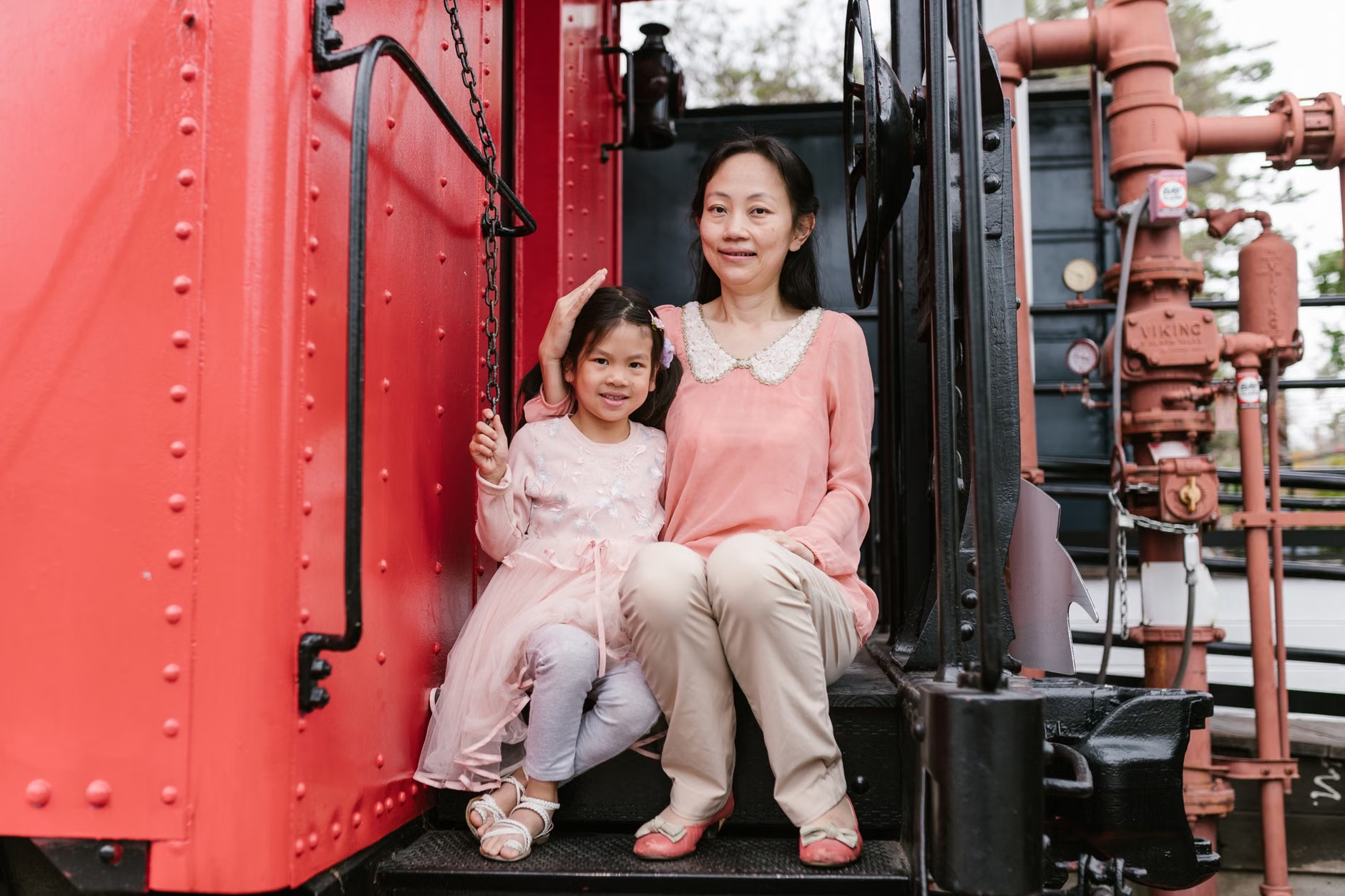
Why Heritage-Rail Coastal Routes Are the Ultimate “Slow Travel” Choice
The appeal of heritage rail lies in the intentionality of the journey. Modern travel is obsessed with efficiency—getting you to your destination as quickly as possible. Heritage rail does the opposite. It forces you to slow down. When you are traveling along a coastal cliffside in a carriage that might be 70 or 80 years old, the “time” spent on the train isn’t wasted time; it is the main event.
For parents, this is a massive psychological shift. In a car, you are constantly checking mirrors, navigating traffic, and listening to “are we there yet?” from the backseat. On a heritage train, the scenery changes, the motion is rhythmic, and there is space to move around. You can walk to the buffet car, look out of different windows, and actually engage with your children.
However, “slow travel” does not mean “unplanned travel.” In fact, heritage lines require more logistical foresight than commercial ones. Many of these lines are operated by non-profit trusts or dedicated heritage societies. They have limited rolling stock, strictly scheduled maintenance days, and sometimes, they only run on weekends or during specific seasons. If you miss a connection on a modern rail network, there is usually another train in 30 minutes. On a heritage line, there might not be another train until tomorrow.
Step-by-Step: How to Build Your Coastal Itinerary
Building a successful heritage-rail itinerary requires a “hub and spoke” approach. Do not try to pack too many different lines into one week. Instead, pick one primary heritage route and build your family activities around the towns at either end of the line.
1. Researching the Rolling Stock and Schedule
Before you commit, check the operator’s website for the specific type of train running on your chosen dates. Are they pulling a steam locomotive or a heritage diesel? While steam is iconic, it can be loud and produce soot—which might be an issue for children with asthma. Diesel railcars are often quieter and offer better visibility for kids. Most official sites, such as the Heritage Railway Association (for UK-based routes) or similar national bodies, provide detailed operational calendars.
2. The “Buffer Zone” Strategy
When planning transfers from national rail to heritage rail, always build in a two-hour buffer. Heritage stations are often located in rural or coastal areas where taxis are scarce and ride-sharing apps might not have full coverage. If your main train is delayed, you need that cushion to avoid missing your heritage departure.
3. Selecting Your Seating Category
Many heritage railways offer different classes of service. In a family context, “First Class” often provides a private compartment. This is a game-changer. Having a dedicated, door-closing space means you can let the kids play, change a diaper, or have a snack without worrying about bothering other passengers. The price difference is usually modest compared to the value of having a “home base” for the duration of the trip.

Managing the Hidden Costs of Heritage Travel
It is easy to look at the ticket price and think you have a handle on the budget. But heritage rail travel comes with hidden costs that can surprise even seasoned travelers. Understanding these variables will help you avoid “sticker shock” once you are on the ground.
| Expense Category | Budget Impact | How to Mitigate |
|---|---|---|
| Last-mile transport | High | Pre-book local taxis or check if a local bus connects the station to your accommodation. |
| On-board catering | Moderate | Prices are often premium; bring your own snacks and water, but buy a coffee on board to support the line. |
| Station parking | Moderate | Heritage stations often have limited, paid parking. Check if daily passes are available. |
| Souvenirs | Variable | Set a “souvenir budget” with the kids before entering the station shop. |
The most significant hidden cost is often the “opportunity cost” of the timetable. Because heritage lines run infrequently, you may find yourself forced to stay an extra night in a town you hadn’t planned on, or having to pay for a private transfer if you miss the last train of the day. Always have a “Plan B” accommodation option in the town where the train terminates.
Essential Gear for Coastal Railway Trips
Coastal weather is notoriously fickle. Even in the middle of summer, a sea breeze can drop temperatures by 10 degrees in an hour. When you are on a train, you are often moving between sheltered carriages and exposed platforms. Layering is not just a fashion choice; it is a comfort necessity.
The “Heritage Rail Kit” Checklist:
- Windbreakers: Essential for platform waiting. The wind off the ocean can be biting even in July.
- Noise-canceling headphones: If you are on an older steam train, the mechanical noise can be intense for young children.
- Portable power banks: Older carriages rarely have modern power outlets. Keep your devices charged for photos and maps.
- Physical activity books: Digital screens can be hard to see in the glare of a coastal window. Bring coloring books or card games that don’t require a table.
Common Mistakes to Avoid
The most common mistake parents make is over-scheduling. You might want to visit three different coastal towns in one day. On a heritage line, this is impossible. The train will likely only run a few times a day, and the travel time between stations is intentionally slow to maximize the experience. If you try to rush, you will spend your entire trip on a platform waiting for the next service.
Another common mistake is ignoring the accessibility constraints. Heritage trains were built in an era before ADA compliance or modern accessibility standards. Many carriages have narrow doors, high steps, and small bathrooms. If you are traveling with a bulky stroller, you may find it impossible to navigate the aisles. Use a baby carrier if possible, or check with the railway operator about their policy for storing strollers in the luggage van.
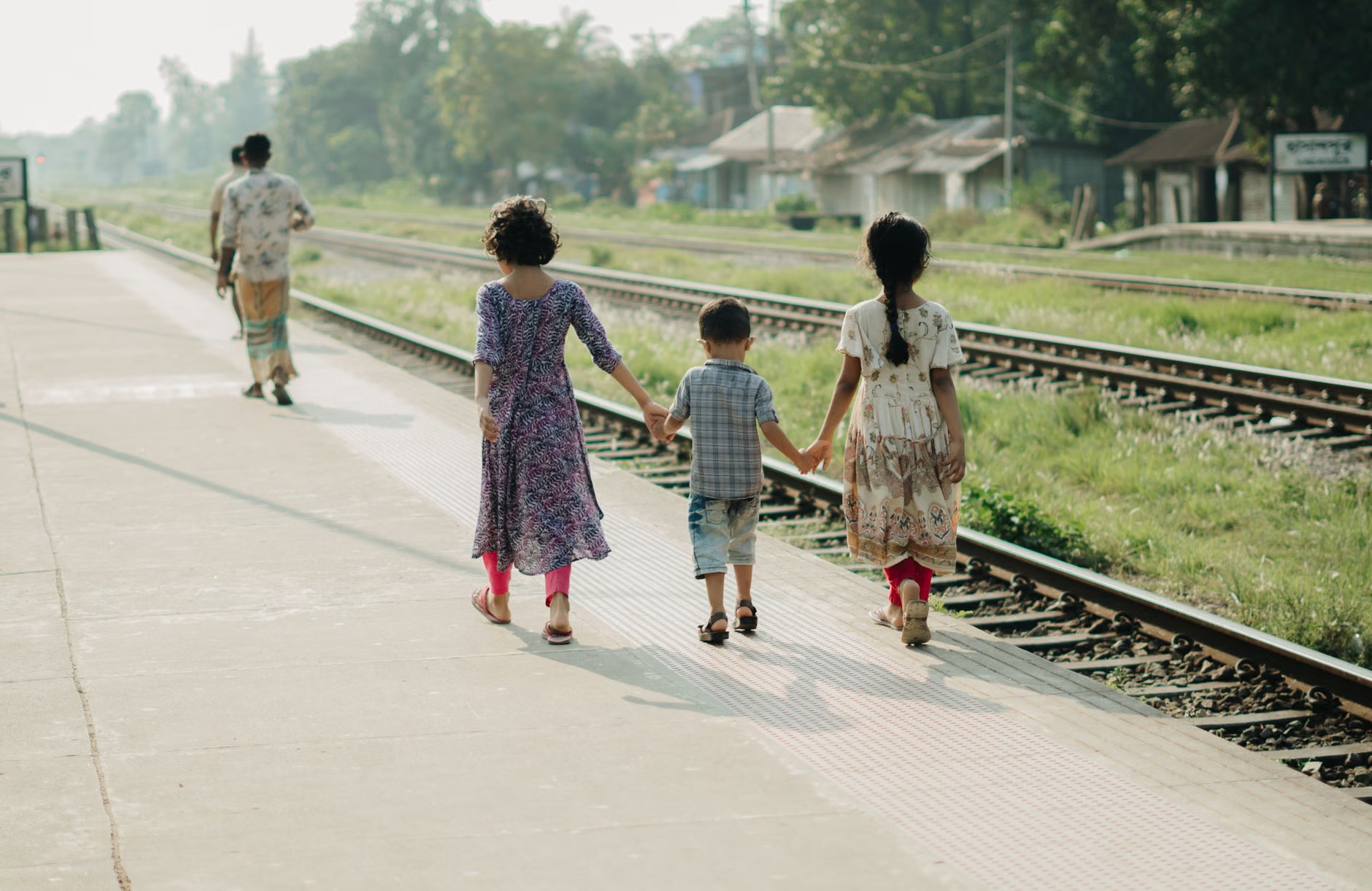
The “Slow Travel” Mindset: Why it Matters for Your Family
Why go through all this effort? Why not just drive the coast? Because driving is functional, but riding the rails is experiential. When you drive, you are part of the traffic. When you ride a heritage train, you are part of the landscape. You see the back gardens of the coastal houses, the hidden coves that aren’t visible from the highway, and the way the light hits the cliffs at a different angle.
For children in their formative years, this creates a different kind of memory. They aren’t staring at the back of a headrest; they are watching the world go by. They are learning that travel is about the journey, not just the arrival at a theme park or a beach. This is a subtle but powerful lesson in patience and observation.
Furthermore, heritage railways are often the heart of the communities they serve. By choosing to travel on these lines, you are directly supporting the maintenance of historical technology. You are helping to ensure that these pieces of living history remain for the next generation. It is a form of sustainable tourism that feels deeply rewarding.
If you are planning a trip in the UK, look into the National Rail connections to heritage lines. Many heritage routes are now “tucked” into the ends of national lines, making them easier to reach than ever. In the United States, heritage rail is often more spread out, and you may need to look at state-specific tourism boards (such as the National Park Service for lines like the Cumbres & Toltec Scenic Railroad) to find routes that offer the coastal scenery you crave.
In Europe, the situation is different again. Many “heritage” lines are actually just older, scenic regional lines that have been preserved. These often have better accessibility and more frequent service than the private heritage trusts found in the UK or North America. Always check the operator’s specific website for their “Accessibility” or “Facilities” page before booking.
Decision Rule: If you have children under 3, prioritize routes with modern, enclosed carriages and on-board restrooms. If your children are 7+, you can be more adventurous and look for open-air carriages or steam-only routes where the novelty factor is higher.
Practical Troubleshooting
What happens if the train is canceled? It happens. Weather, mechanical issues, or track maintenance can interrupt service. Always have a “Plan B” that doesn’t involve the train. This could be a local museum, a beach walk, or a pre-researched bus route. If you treat the train as a “bonus” rather than the only way to reach your destination, you will never be left stranded.
Also, check the refund policy. Many heritage railways are non-profit and have strict “no-refund” policies for weather-related cancellations. Consider travel insurance that covers “trip interruption” if you are booking an expensive, multi-day heritage rail package.
Final Thoughts on Your Coastal Adventure
Planning a heritage-rail coastal route is an investment in time and coordination, but the payoff is a unique family experience that modern travel simply cannot replicate. You are stepping out of the frantic pace of everyday life and into a rhythm that rewards curiosity and patience. By focusing on the details—booking the private compartment, planning for the coastal wind, and keeping a flexible schedule—you can turn a simple trip into a core family memory.
Start by identifying one region you want to explore, check the local heritage railway schedule, and build your itinerary around that single anchor point. Don’t let the logistics intimidate you; they are just part of the adventure. Once you are on that train, watching the ocean roll by while your kids are pressed against the glass, you will know exactly why you put in the effort.
Frequently Asked Questions
1. Can I bring a standard full-size stroller on a heritage train?
Generally, no. Most heritage rail carriages were built decades ago and have narrow aisles and steep steps. It is highly recommended to use a lightweight, umbrella-style stroller that can be folded quickly, or better yet, a baby carrier for younger children. Always call the railway’s customer service line to ask about their specific policy on “pram storage” before you book.
2. Are heritage trains equipped with modern amenities like changing tables or Wi-Fi?
Most heritage trains do not have modern amenities. You should expect a lack of Wi-Fi, and changing tables are rarely available in the small, original-style bathrooms. Prepare by bringing a portable changing mat and downloading all your media or games to your devices before you board. Think of it as a “digital detox” for the family.
3. How far in advance should I book my tickets?
For popular coastal routes, especially during school holidays or summer weekends, you should aim to book at least 3 to 6 months in advance. These lines often have limited seating capacity, and the “premium” carriages (like private compartments) sell out very quickly. If you are planning a trip during the off-season, you might get away with booking a few weeks in advance, but it is always safer to secure your seats early.
Note: Always verify the current operational status of any railway line via their official website before finalizing your travel plans, as maintenance schedules can change without notice.