The upcoming 2027 Heritage-Rail sleeper train initiative represents the most significant shift in overnight rail travel in decades, offering a viable, lower-carbon alternative to short-haul flights for families looking to maximize their vacation time without the stress of airport security or cramped cabin seats.
- Time Efficiency: By traveling overnight, you effectively turn transit time into rest time, arriving at your destination refreshed and ready for the day.
- Economic Reality: While sleeper cabins command a premium, the cost often offsets the combined price of a hotel night and airport transfers.
- Strategic Booking: 2027 routes are projected to operate on high-demand corridors; booking 6–9 months in advance will be essential for securing family-sized compartments.
If you are in your 30s or 40s, you probably remember the “romance” of train travel from movies, but your current reality involves packing for four, hunting for snacks, and trying to keep the kids entertained in a confined space for hours. The 2027 Heritage-Rail project isn’t just about nostalgia; it’s a calculated response to the growing demand for “slow travel”—the idea that the journey should be as restorative as the destination. But is this right for your family, or is it just another trend that looks better on social media than it does in practice?
Why the 2027 Rail Shift Actually Matters for Your Schedule
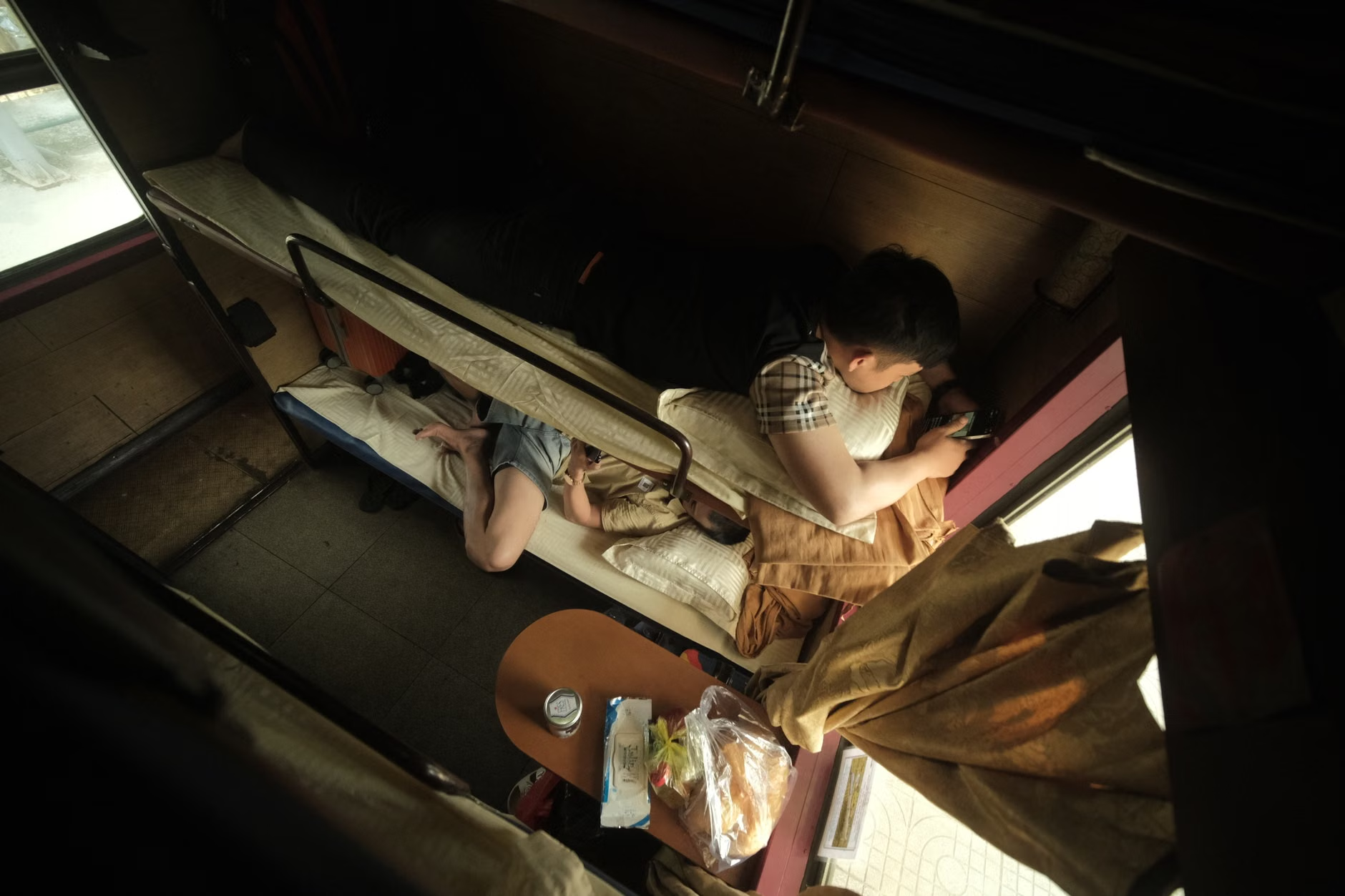
For most parents, a trip begins with the “airport anxiety” phase: arriving three hours early, managing liquid restrictions, and the inevitable mid-flight meltdown. The Heritage-Rail concept aims to eliminate this by centralizing the transit experience. You aren’t just moving from point A to point B; you are moving your “hotel room” while you sleep.
The math is simple: if you board at 8:00 PM and wake up at 7:00 AM, you have effectively traveled 500+ miles while your children were asleep. This isn’t just a convenience; it is a fundamental shift in how you manage your limited vacation days. Instead of spending a full day traveling, you spend an evening transition, ensuring your arrival day is a full day of activity rather than a recovery day from jet lag or flight fatigue.
The Trade-off: Space vs. Speed
We need to be clear about the trade-offs. A train is not a plane. You will not reach your destination in two hours. However, the 2027 standards for these sleepers prioritize “modular living.” This means cabins are designed to be converted from day-seating to night-sleeping configurations with ease. The common mistake many families make is booking a standard cabin without confirming the bed configuration. You need to look for “Family Interconnecting” suites, which are becoming the industry gold standard for this specific rollout.
Evaluating the Cost: Is It Worth the Premium?
When you look at the price tag of a sleeper train, it often looks higher than a budget flight. But that is a surface-level comparison. You must look at the “Total Cost of Transit” (TCOT). To calculate this for your family, use the following framework:
| Expense Category | Flight Comparison | Heritage-Rail Sleeper |
|---|---|---|
| Accommodation | One night at destination hotel | Included in fare |
| Airport/Station Transfers | High (Taxis/Trains) | Low (City center to city center) |
| Luggage Fees | Often variable/high | Generally included/generous |
| Dining | Expensive airport meals | On-board options/Bring your own |
Decision Rule: If your total travel distance is under 600 miles (approx. 1,000 km), the rail option almost always becomes the more economical and less stressful choice once you add up the hidden costs of flying. For distances beyond that, you are paying for the experience and the convenience of waking up in a new city.
Common Pitfalls and How to Avoid Them
The most frequent error travelers make is assuming that “sleeper” means “quiet.” Even the most modern trains have a rhythmic sway and mechanical noise. If your children are light sleepers, this can be a hurdle. The solution? Pack noise-canceling headphones and a familiar white-noise machine. Do not rely on the train’s internal speakers or the ambient environment to keep things peaceful.
Another overlooked variable is the luggage footprint. Unlike a plane where you can check bags and forget them, on a train, you are responsible for your own gear. If you are traveling with a stroller, a playpen, and three suitcases, you will struggle. The Heritage-Rail 2027 carriages are designed for “carry-on-centric” travel. If you cannot manage your bags independently through a standard train door, you are overpacking.
The “Connectivity” Trap
We often assume that because it’s 2027, there will be high-speed Wi-Fi everywhere. While the new rail infrastructure is vastly improved, signal drops in remote or mountainous terrain are a reality. Do not stream entertainment live. Download your movies, games, and playlists to your devices 24 hours before departure. Treat the train journey as an “offline” window—it is often the best way to force a digital detox with the family.
What to Look for When Booking 2027 Routes
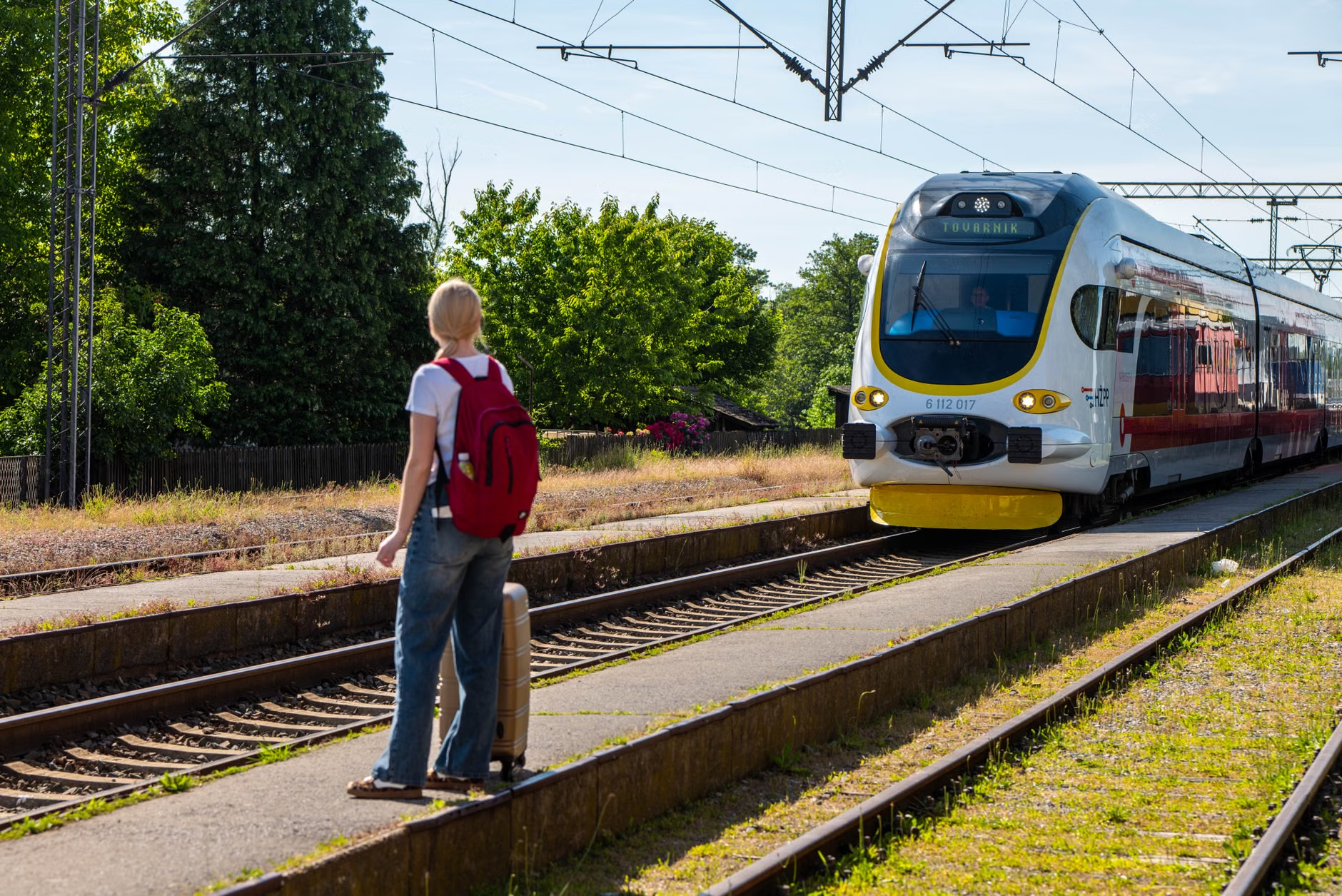
When the official booking portals open for the 2027 season, prioritize routes that offer “End-to-End” service. This means you do not have to change trains or carriages in the middle of the night. A change at 3:00 AM is the single biggest threat to a successful trip. Always check the operator’s site for the “Direct Route” badge.
Furthermore, check for the “Family-Friendly” designation. This usually indicates that the train has a dedicated play carriage or at least a wider corridor space. For those in their 30s and 40s balancing work and parenting, these small details differentiate a “transportation experience” from a “travel disaster.”
The Reality of On-Board Dining
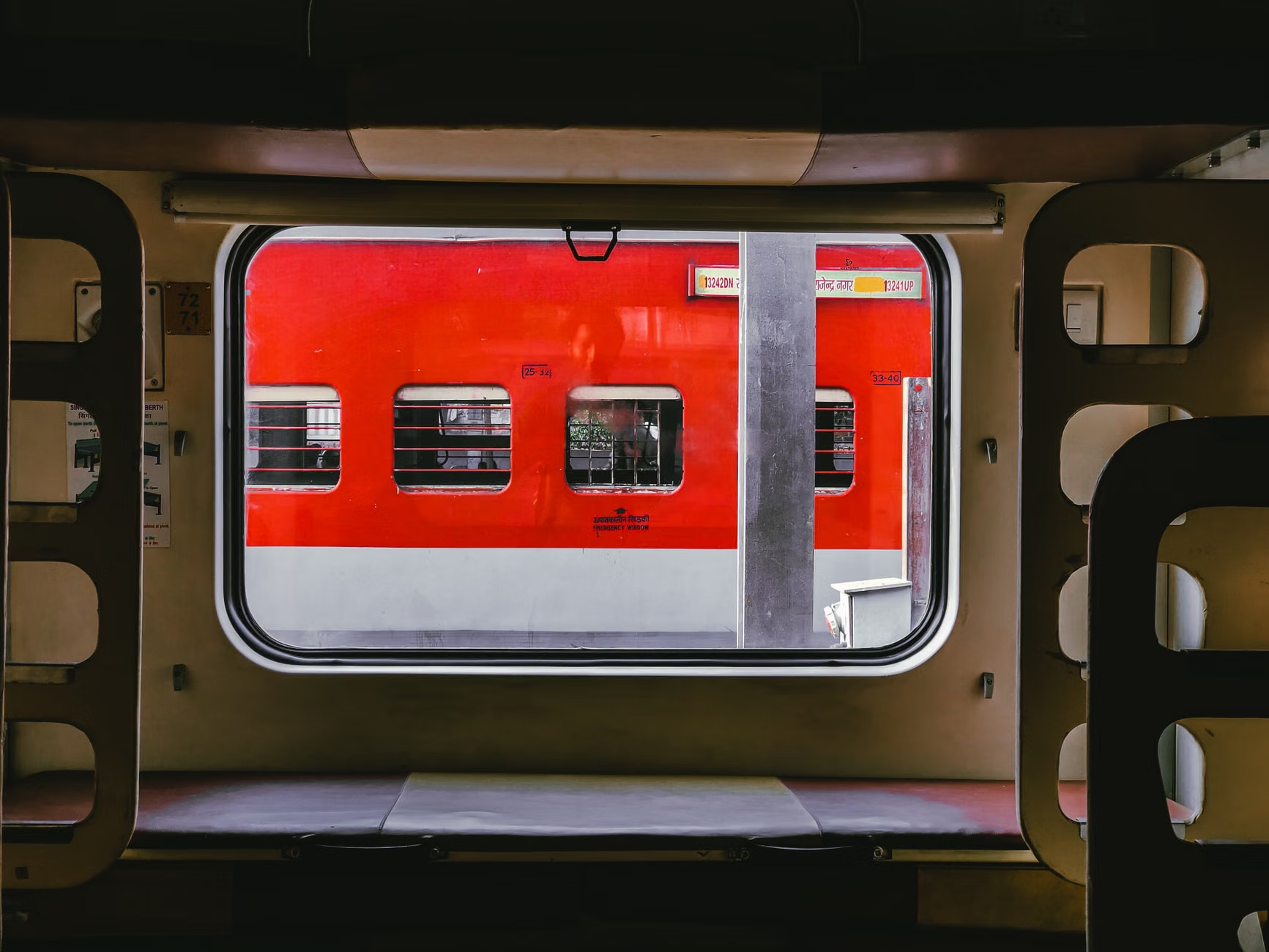
While the marketing images show gourmet dining cars, the reality for a family of four is often different. The dining cars can be crowded, and the menu might not cater to a picky toddler. The best practice is to treat the on-board dining as a “treat” rather than a necessity. Pack a “train picnic”—shelf-stable snacks, fruit, and easy-to-manage proteins. This saves you from the frustration of waiting in line with hungry kids and allows you to eat in the comfort of your private cabin.
Remember that train water pressure and electricity can be temperamental. Carry a portable power bank for every family member. While there will be outlets, they are often shared or slow. Having a fully charged backup ensures that when you arrive, you aren’t scrambling for a charging point at the station.
Strategic Planning for Your 2027 Itinerary
If you are planning to utilize the Heritage-Rail network in 2027, you should start scouting the route maps now. These trains are not intended to be a replacement for high-speed daytime transit; they are a bridge between major hubs. The most efficient way to use them is to pair them with a “base camp” strategy. Spend three days in one city, take the overnight sleeper, and wake up in a completely different environment for the next leg of your journey.
This approach minimizes the friction of packing and unpacking. You are essentially taking two vacations in one, with the travel time acting as a bridge rather than a chore. It is a sophisticated way to travel, provided you accept the “slow” nature of the rail.
Final Considerations Before You Book
The transition to sleeper rail is a commitment to a different lifestyle. It requires patience and a willingness to embrace the journey as part of the fun. If you are the type of traveler who measures success by how quickly you reach the destination, you will find the train frustrating. If you are the type who values the experience of waking up to a new landscape, it is a game-changer.
Keep your expectations grounded. It’s a train, not a five-star hotel. There will be bumps, there will be noise, and there will be the occasional delay. But there will also be the memory of waking up together as a family, sipping coffee while watching the sun rise over a new region, something you simply cannot get from a flight.
Start by checking the official Rail Europe or regional operator updates for 2027 route announcements. Keep a close eye on the “Launch Schedule” to get the best early-bird pricing, which usually drops about 180 days before the inaugural runs.
Frequently Asked Questions
- Is it safe to leave my belongings in the cabin while I head to the dining car?
Most modern Heritage-Rail cabins are equipped with electronic key-card locks. Always ensure your cabin door is locked when you leave, and keep your valuables (passports, laptops) with you in a small day-bag. - How do I handle bathroom access for kids at night?
Most premium cabins now feature en-suite facilities. If you book a standard berth, you will likely share a carriage bathroom. If this is a deal-breaker for your family, prioritize booking the “Deluxe” or “Suite” categories that explicitly state private facilities. - Can I bring a stroller on the train?
Yes, but it must be collapsible. Most trains have designated luggage areas, but these are shared. If you have a bulky stroller, you may need to store it in the luggage vestibule at the end of the carriage, so be prepared to carry your child to your berth.
The 2027 Heritage-Rail network is a bold step forward for those of us trying to weave meaningful travel into the fabric of busy family life. It isn’t just about the train; it’s about reclaiming the time between destinations. If you plan with these logistical realities in mind, you’ll find that the journey becomes the highlight of your year.
Stay updated, book early, and focus on the experience rather than the speed. Your next great family adventure might just be waiting on a platform, ready to take you somewhere new while you sleep.