The most effective way to handle a school start is to prioritize your child’s emotional attachment over the mechanics of the drop-off process. If you focus on the “Attachment-First” transition, you move from managing a child’s behavior to managing their nervous system, which is the only reliable way to reduce separation anxiety in the long term.
Key Takeaways:
- Prioritize Connection, Not Speed: Lingering for a structured goodbye ritual is more effective than a “quick rip” departure, which can trigger a fight-or-flight response in children.
- The Power of the ‘Bridge’: You must provide a mental and emotional bridge that connects the child from your presence to the teacher’s presence to ensure they feel secure in the transition.
- Regulation is Contagious: A child’s anxiety is frequently a mirror of the parent’s own nervous system; if you are hurried and stressed, they will be too.
We have all been there: the morning rush, the half-eaten breakfast, the frantic search for a missing shoe, and then the inevitable meltdown at the school gate. For parents in their 30s and 40s, this is often the most stressful part of the day. We are conditioned to believe that a “clean break” is the best way to handle separation. We think, “If I leave quickly, they’ll stop crying sooner.”
However, attachment theory suggests the opposite. When we force a child to detach before they are ready, we aren’t teaching them independence; we are teaching them that their primary source of safety—you—is unreliable or prone to disappearing without warning. Let’s look at how to shift your approach to make the school year smoother for everyone involved.
Understanding Why the ‘Quick Rip’ Often Backfires
The “quick rip” method—where you drop the child off at the gate and bolt while they are distracted—is a common piece of advice. It is often suggested because it minimizes the duration of the crying. But we need to distinguish between stopping the behavior and resolving the emotion.
When you disappear, the child experiences a spike in cortisol, the stress hormone. They aren’t “calm”; they are often stunned into silence or frozen in a state of hyper-vigilance. They are waiting for the other shoe to drop. This is why many children who seem “fine” at drop-off are exhausted, irritable, or prone to behavioral outbursts by the time they get home in the afternoon.
The Core Principle: Attachment is the foundation of exploration. A child can only feel safe enough to learn and play if they feel securely connected to their caregivers. If the transition to school feels like a severance of that connection, their brain prioritizes survival over learning.
The Anatomy of a Secure Transition
A secure transition requires three elements: a predictable routine, a physical bridge, and a deliberate handover. Think of it like a relay race. In a relay, the baton is not thrown; it is passed carefully from one hand to another. If you just drop the baton, the race stops. The teacher is the next runner, and you are the previous one. The handover must be smooth.
What does this look like in practice? It means walking them to their classroom or a specific meeting point, taking two minutes to acknowledge their feelings, and then explicitly “handing them over” to the teacher. This ritual signals to the child’s brain: “I am leaving you in the care of someone safe.”

Establishing a ‘Bridge’ for the School Day
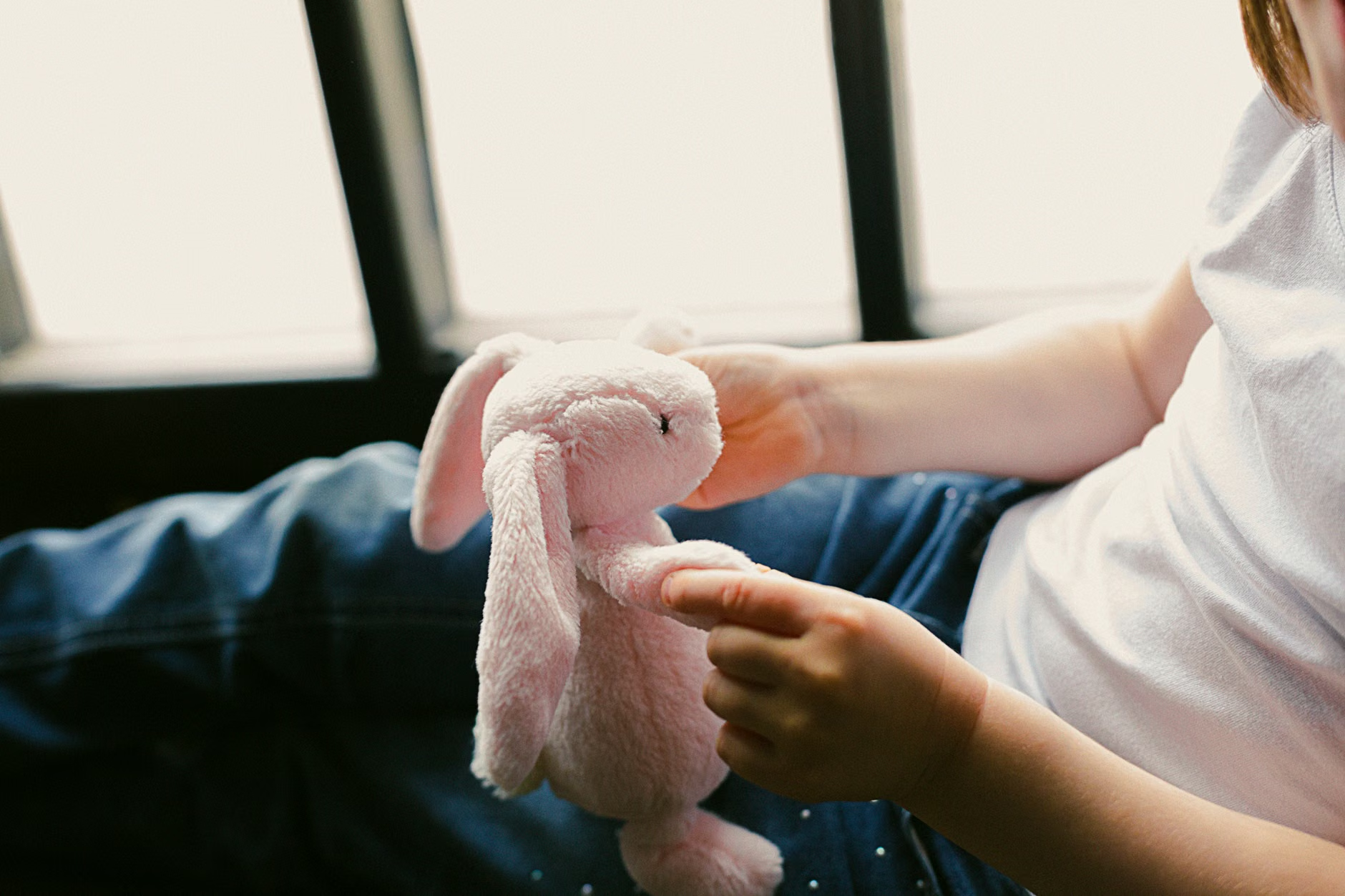
A “bridge” is a transitional object or ritual that keeps the feeling of your presence alive in the child’s mind while they are away. This is not about bribing them with toys; it is about providing a tangible anchor for their attachment.
Types of Bridges
| Type | Example | Why it Works |
|---|---|---|
| Tangible Object | A small stone, a photo, or a piece of your clothing | Provides sensory comfort and a physical link to home. |
| Ritualistic | A secret handshake or a “heart-in-the-palm” game | Creates a sense of intimacy that is exclusive to you and your child. |
| Predictable | A specific phrase like “I will be back right after snack time” | Reduces the fear of the unknown by anchoring the day in time. |
If you use a “heart-in-the-palm” trick, you press your thumb into your child’s palm, tell them you are leaving a piece of your love there, and they can press it whenever they feel lonely. This gives the child an active role in managing their own emotional state. It turns an abstract concept (separation) into a physical action they can control.
Managing Your Own Nervous System
One of the most overlooked variables in school anxiety is the parent’s own stress. If you are rushing, checking your phone, or feeling guilty, your child will pick up on that immediately. Children are experts at reading non-verbal cues. If you are anxious, they will assume there is a reason to be anxious.
Before you even leave the house, take a moment to “regulate.” This might mean five minutes of silence in the car, a specific playlist that calms you down, or simply acknowledging that the transition is hard for you, too. If you can approach the school door with a calm, steady presence, you provide a “secure base” for your child to lean on.
The ‘Handover’ Protocol: A Step-by-Step Guide
Many parents struggle because they don’t know when to leave. They wait for the child to stop crying, which can lead to a cycle of “I’ll leave in just one more minute,” which actually increases the child’s anxiety because the boundary keeps moving.
Follow these steps to ensure a firm, loving, and secure exit:
- The Arrival: Spend 5–10 minutes in the classroom or at the gate. Do not rush to get to work. If you are constantly in a hurry, the child perceives school as a place where they are “dumped.”
- The Acknowledgment: Look at your child, get on their eye level, and validate their feelings. “I see you are feeling sad. It is hard to say goodbye. I know you feel scared, but I also know you can handle this.”
- The Handover: Physically connect your child with the teacher. “I am going now, and I am leaving you with Ms. Smith. She is here to help you.”
- The Clear Exit: Once you say goodbye, leave. Do not linger at the window or peek through the door. This creates a “re-entry” signal that confuses the child.

Common Mistakes to Avoid
Even with the best intentions, it is easy to fall into patterns that inadvertently make the transition harder. Here are the most frequent pitfalls:
The ‘Sneaking Out’ Trap
Never leave when your child is distracted. While it might prevent a scene, it creates a deep sense of mistrust. The child will eventually stop playing and look for you; when they realize you are gone, their panic will be significantly higher than if they had seen you leave. Always say goodbye, even if it leads to tears.
The ‘Dismissive’ Response
Avoid saying things like “Don’t be a baby,” “You’re a big boy/girl,” or “It’s not a big deal.” These phrases invalidate the child’s experience. Instead, use “I know it is hard, and I am proud of you for being brave even when you feel scared.” This acknowledges their fear while encouraging their resilience.
The ‘Conditional Love’ Trap
Avoid saying, “If you stop crying, I will buy you a treat.” This teaches the child that their feelings are a transaction. You want them to feel safe enough to express their emotions, not suppress them to please you.
The Role of the Teacher in the Attachment Chain
You cannot do this alone. The teacher is the most important partner in this transition. Before the school year starts—or even in the middle of it—communicate with the teacher about your child’s attachment needs. Ask them to help facilitate the “handover.”
A good teacher knows how to step in when you step out. They can offer a distraction, a task, or a comforting word the moment you leave. If your child is struggling, ask the teacher if they can have a “special job” to do upon arrival, like feeding the class pet or watering the plants. This gives the child a sense of purpose and belonging, which helps anchor them in their new environment.
The “attachment” work doesn’t stop at drop-off. The afternoon reunion is just as important. Many children “hold it together” all day at school and then have a massive meltdown the moment they see you. This is actually a good sign—it means they felt safe enough with you to release the stress they were carrying all day.
When you pick them up, don’t immediately ask, “How was your day?” or “Did you learn anything?” That is a lot of pressure. Instead, offer them a quiet, low-demand space. Give them a snack, sit with them, and simply be present. Let them lead the conversation. If they want to talk, listen. If they want to be silent, let them. Re-establishing that connection is the best way to prepare them for the next day.
Addressing Potential Edge Cases
What if your child is consistently anxious for weeks? This is where you need to evaluate the environment. Is there a specific issue at school? Is there a conflict with a peer? Is the teacher-child ratio too high for your child’s needs? Sometimes, a child’s resistance is a signal that there is a specific, solvable problem, not just a general fear of separation.
If the anxiety persists beyond the normal “settling in” period—usually about 4–6 weeks—schedule a meeting with the school administration. Use the data you have collected: “My child is consistently distressed at drop-off and remains withdrawn for the first two hours of school.” This is a professional, actionable way to approach the school for support, rather than just expressing general concern.
Final Thoughts on Long-Term Resilience
The goal of the “Attachment-First” strategy is not to prevent all tears or eliminate all anxiety. That is impossible. The goal is to build a foundation where your child knows that even when things are hard, they are not alone. They have a secure base, and they have the tools to handle the transition.
When you prioritize this connection, you are teaching your child that their emotions are valid and that they are capable of navigating the world because they have a secure place to return to. That is the greatest gift you can give them as they grow.
If you feel overwhelmed, remember: one day at a time. The transition to school is a marathon, not a sprint. Focus on the next morning, the next handover, and the next moment of reconnection. You are doing a better job than you think.
Frequently Asked Questions
1. How long should I stay at the classroom door?
There is no magic number, but 5–10 minutes is usually sufficient for most children. The goal is to ensure they are settled, not to stay until they are perfectly happy. If you stay too long, you might actually be telegraphing that you are worried about leaving them, which increases their anxiety.
2. Should I give my child a gift to take to school to help them feel better?
A small, sentimental object—like a smooth stone from the garden or a small, non-distracting toy—can be very helpful. Avoid anything that is noisy, electronic, or valuable, as these can become a distraction or a source of conflict with other children. The object should be a “bridge” to home, not a toy to play with.
3. My child cries every single day at drop-off. Is this normal?
It can be normal for some children, especially those with a naturally sensitive temperament. However, if the crying is accompanied by other signs like significant changes in eating or sleeping habits, or if they are unable to engage with the teacher or peers even after you leave, it is worth discussing with the teacher or a school counselor to see if there is an underlying issue that needs addressing.
For more information on supporting child development and emotional regulation, you can visit resources from the ZERO TO THREE organization, which provides evidence-based information for parents of young children.