The secret to a “quiet-luxury” home for busy parents isn’t about buying expensive decor; it is about permanently reducing visual noise so you spend less time managing “stuff” and more time living. By prioritizing high-quality, durable materials and a “one-in, one-out” curation policy, you can create a home environment that feels calm, sophisticated, and remarkably easy to maintain even with children in the house.
- Quality over Quantity: Investing in a few high-quality, durable storage solutions reduces the need for frequent replacements and creates a cohesive, high-end look.
- Visual Silence: The core of the quiet-luxury aesthetic is reducing color chaos and exposed clutter, which significantly lowers the cognitive load for parents.
- Maintenance Efficiency: By assigning every essential item a designated home, you cut down on daily search-and-rescue missions, reclaiming approximately 20-30 minutes of your day.
Why Quiet-Luxury is the Ultimate Productivity Tool for Parents
If your home feels like a constant battleground of toys, mail, and stray gadgets, you aren’t failing at organization—you are likely suffering from “visual clutter fatigue.” In our 30s and 40s, the mental load of managing a household while balancing careers is immense. Quiet-luxury in an organizational context isn’t about displaying designer labels; it is about creating a “low-friction” environment.
When your surroundings are visually aggressive—think bright, clashing plastic bins or overflowing open shelves—your brain is constantly processing stimuli. This is why you might feel exhausted even when sitting on the sofa. Quiet-luxury uses a palette of neutrals, textures (like wool, linen, and wood), and hidden storage to lower that ambient stress. It transforms your home from a place that demands your constant attention into a place that supports your daily rhythm.
Establishing the Foundation: The Art of “Invisible Storage”
The most common mistake busy parents make is buying clear plastic bins to “organize” their mess. While you can see what is inside, clear plastic is inherently chaotic. It creates a visual mosaic of colors and shapes that screams “clutter.” In a quiet-luxury system, we prioritize opaque, high-quality containers that blend into the architecture of the room.
To implement this, follow the “80/20 Rule of Surface Space”: keep 80% of your horizontal surfaces (countertops, coffee tables, dining tables) completely clear. The remaining 20% can hold one or two high-quality items, like a ceramic vase or a single stack of books. This isn’t just for aesthetics; it makes cleaning these surfaces a ten-second job rather than a fifteen-minute ordeal of moving piles around.
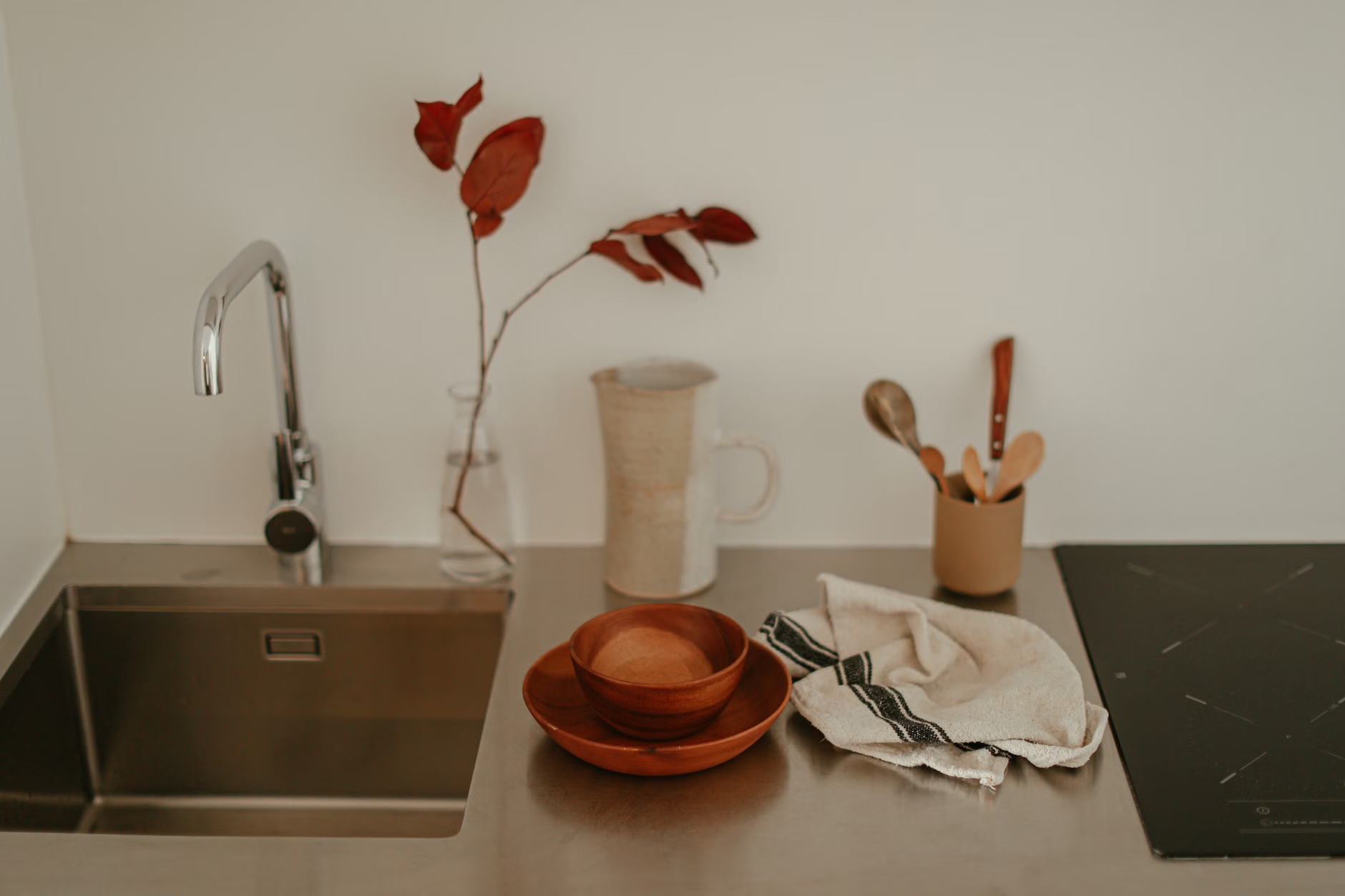
Selecting Materials That Age Gracefully
Cheap plastic breaks, cracks, and yellows. That is the antithesis of quiet-luxury. When you choose storage, opt for materials that look better as they age: solid wood, heavy-duty canvas, woven seagrass, or matte-finish metal. These items don’t just hold your things; they contribute to the tactile experience of your home.
Think about the cost-per-use. A set of cheap, flimsy plastic bins might cost $30 and need replacing every year. A set of high-quality, hand-woven baskets might cost $150 but last for a decade. The latter is not just an aesthetic upgrade; it is a long-term financial and environmental win.
Designing a “High-Function” Entryway for Busy Families
The entryway is the primary stress point for most families. Shoes, bags, and mail pile up here, creating a chaotic “first impression” that sets a frantic tone for the rest of the day. A quiet-luxury approach treats the entryway as a transition zone—a decompression chamber between the outside world and your sanctuary.
Instead of an open rack where shoes are visible, consider an enclosed cabinet with doors. If you have children, assign each person a specific drawer within the cabinet. This prevents the “pile-up” effect. When everything has a door, the hallway looks clean and architectural, even if the interior of the cabinet is a temporary whirlwind of sneakers and soccer balls.
| Feature | Traditional Method | Quiet-Luxury Method |
|---|---|---|
| Shoe Storage | Open racks (visible mess) | Closed, uniform cabinetry |
| Mail/Paper | Countertop piles | Wall-mounted hidden slots |
| Coat Hooks | Hooks for everything | Recessed hooks or closet |
The key insight here is the “Transition Buffer.” By having a dedicated, hidden place to drop your bag and keys immediately upon entry, you stop the “clutter migration” where items end up on the dining room table or kitchen island.
Managing the Toy Dilemma Without Sacrificing Style
The biggest hurdle for parents is the “toy takeover.” You don’t have to live in a house that looks like a sterile museum to achieve a quiet-luxury aesthetic. The solution is “Rotational Storage.”
Keep only 25% of your children’s toys accessible at any given time. Store the rest in opaque, labeled bins in a closet or garage. Rotate them every two to four weeks. This accomplishes two things: it prevents the overwhelming “too many choices” effect for your children (which often leads to them playing with nothing), and it keeps your living area free of the neon-colored plastic explosion associated with children’s toys.
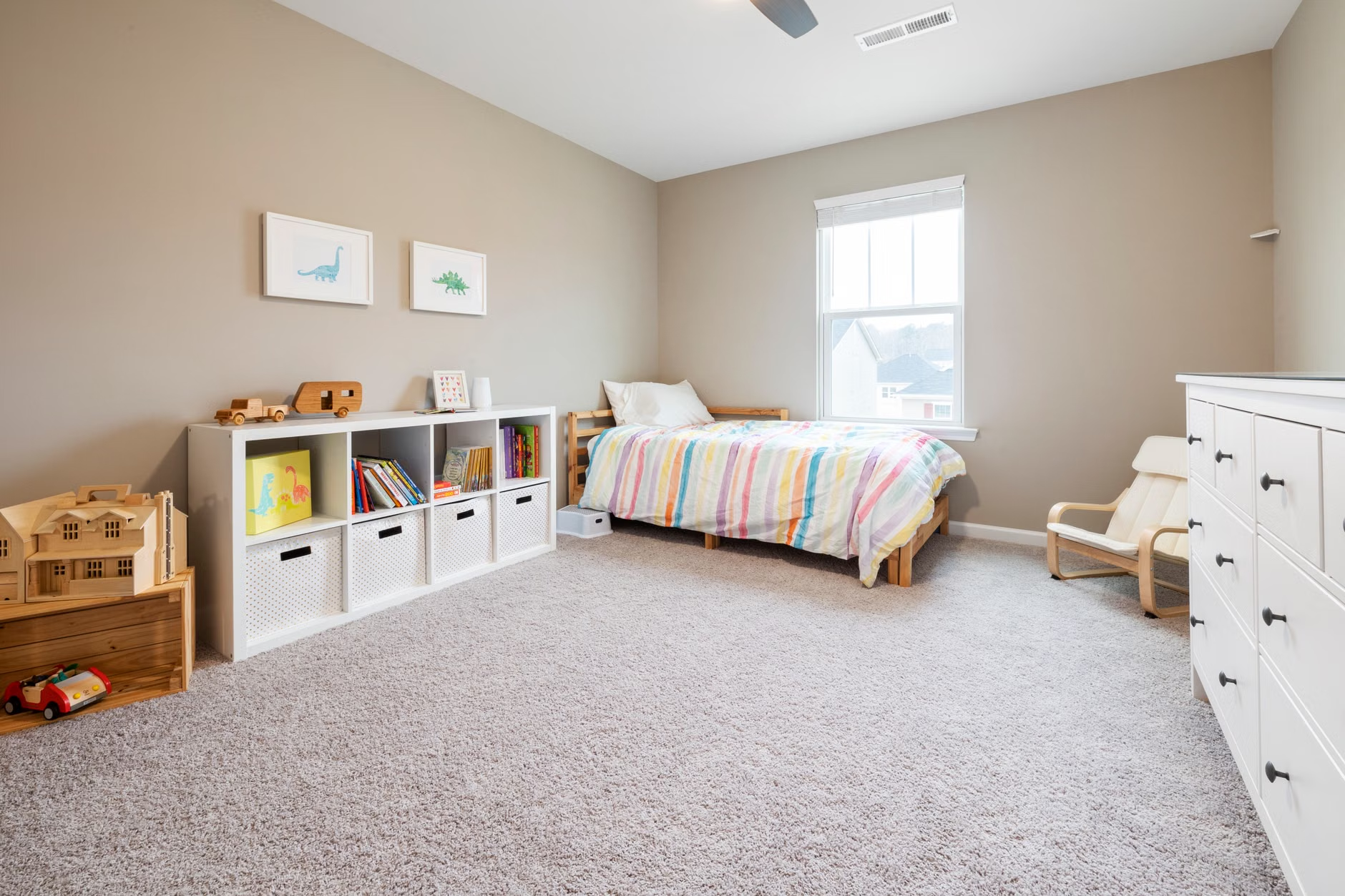
Use large, neutral-toned fabric or woven baskets for the current toy rotation. They can sit in the living room and look like intentional decor while holding a mountain of wooden blocks or stuffed animals. When the day is done, the “clean-up” is just a matter of tossing items into the baskets—a task even a toddler can master.
The Kitchen: Where Efficiency Meets Elegance
In the kitchen, quiet-luxury is about “curated utility.” If you don’t use a gadget at least once a week, it shouldn’t be on the counter. The goal is to maximize workspace. If your blender, toaster, and coffee maker are all out, you have effectively halved your usable kitchen space.
Consider the “Appliance Garage”—a designated cabinet or a dedicated corner of a pantry where appliances live when not in use. If you don’t have the cabinet space, look into high-quality, aesthetic covers or simply commit to putting them away. The difference in how your kitchen feels when the counters are clear is profound.
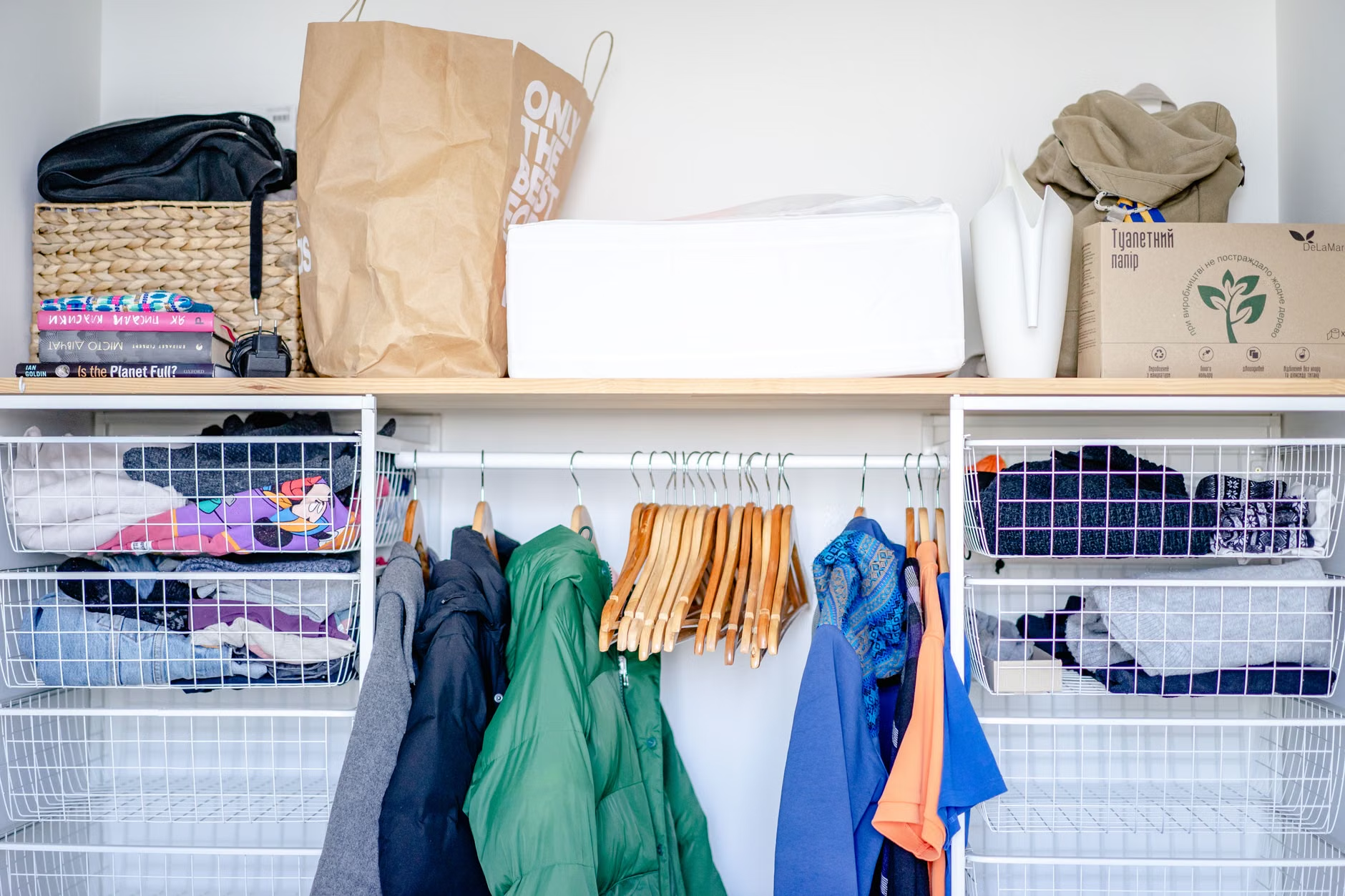
Furthermore, swap out mismatched food packaging for uniform glass or ceramic canisters. It sounds like an Instagram trend, but it is actually a functional hack. When you have a clear, consistent view of your pantry staples, you know exactly when you are running low on flour or pasta. You stop over-buying, which saves money and reduces food waste.
The Hidden Costs and Trade-offs of Curated Living
It is important to be realistic: this aesthetic requires a mindset shift. The primary trade-off is “Upfront Discipline.” You cannot simply dump items on the floor and hope for the best. Everything needs a home. If an item doesn’t have a place, it will become clutter. You must spend the time upfront to define where things live.
Another potential misconception is that this is expensive. While “luxury” is in the name, the philosophy is about value. You are not buying more; you are buying better, less often. A $200 high-quality wooden shelving unit that lasts ten years is cheaper than buying a $50 particle-board unit every two years that needs to be replaced because the finish peeled.
Beware of the “perfection trap.” Quiet-luxury is not about having a home that is never lived in. It is about having a home that is easy to reset. If the kids leave a mess, the goal is to be able to restore the “quiet” state in under five minutes. If your system takes longer than that, it is too complex.
Actionable Steps for Your Weekend Reset
Don’t try to overhaul your entire house in one weekend. You will burn out. Start with one “high-traffic” zone. I recommend starting with the entryway or the kitchen counter. Use the following decision matrix to evaluate your items:
- Keep: Items used daily or those that provide genuine, lasting joy.
- Store: Items used seasonally (holiday decor, winter coats in summer).
- Donate/Discard: Items that haven’t been used in 12 months or that are broken/duplicate.
Once you have cleared the space, introduce the “quiet” element. This could be a new, neutral-colored rug, a set of uniform storage bins, or simply moving everything out of sight. The goal is to create a sense of visual rest. Once you see the impact of one clean zone, you will naturally want to apply the same logic to other areas of your home.
Final Thoughts: A Sustainable Path to Calm
The quiet-luxury organizational aesthetic is not a fleeting trend; it is a sustainable strategy for busy parents who need their home to be a partner in their daily life rather than another project to manage. By choosing quality, embracing hidden storage, and maintaining a strict policy of visual simplicity, you create a space that allows you to breathe.
Remember, the goal isn’t perfection—it is ease. When your home is organized in a way that respects your time and mental energy, you are naturally more present for the moments that actually matter. Start small, be consistent, and enjoy the quiet.
Frequently Asked Questions
1. How do I maintain this aesthetic with young, messy children?
The key is to make “putting things away” as easy as “taking things out.” Use large, open-top baskets for toys instead of complex shelving or small bins. If a child can toss a toy into a basket in under two seconds, they are much more likely to do it. The “quiet” part comes from the baskets themselves being neutral and high-quality.
2. Is quiet-luxury just another word for minimalism?
Not exactly. Minimalism often implies living with the bare minimum. Quiet-luxury is about the quality of the objects you choose to keep. You can have a home full of books and family mementos and still achieve a quiet-luxury feel by using high-quality display cases and maintaining a consistent color palette to avoid visual chaos.
3. What if I can’t afford high-end furniture or storage?
Focus on the “quiet” rather than the “luxury.” You don’t need expensive designer goods. You can achieve the look by removing labels, choosing neutral-colored bins (even inexpensive ones in linen or canvas), and keeping your surfaces clear. The “luxury” comes from the feeling of having a calm, organized space, not the price tag of the bins.
For further reading on sustainable home management and design principles, you may find the following resources useful: