- Focus on Contribution, Not Perfection: Chores are about building competence and belonging, not achieving a spotless home immediately.
- Developmental Alignment: Tasks must match the cognitive and physical capabilities of your child to avoid frustration and resistance.
- Consistency Over Intensity: A small, daily habit is far more effective for long-term responsibility than an overwhelming Saturday “chore-a-thon.”
The most effective way to teach responsibility is to shift the goal from “getting the housework done” to “building a capable human being who understands their role in a shared space.” If you’ve ever found yourself cleaning up after your kids while feeling a rising tide of resentment, you aren’t alone. We often fall into the trap of doing everything ourselves because it’s faster, cleaner, and frankly, less of a headache. But by doing that, we inadvertently rob our children of the chance to develop essential life skills.
Why Your Current Chore Strategy Might Be Backfiring
Many of us grew up in households where chores were either a form of punishment or a non-negotiable tax on our free time. When we become parents, we often try to replicate this structure, only to find our kids rebelling or our own stress levels skyrocketing. The problem isn’t the chores; it’s the approach. If a chore feels like a chore—something tedious, isolated, and unappreciated—it will naturally be met with resistance.
The modern parent in their 30s and 40s is already juggling a high-pressure career, social obligations, and the constant digital hum of “what we should be doing.” When we add “managing the kids’ chore resistance” to that list, it’s a recipe for burnout. The secret is to integrate chores into the rhythm of the day rather than treating them as a separate, dreaded event.
Consider the “contribution” model. Instead of asking, “Did you do your chores?”, try framing it as, “We are a team, and this is how we keep our home functioning.” This subtle shift in language changes the dynamic from a power struggle to a collaborative effort. When children see their contributions as necessary for the family’s well-being, they develop a sense of agency.

Defining ‘Age-Appropriate’: A Developmental Framework
It is easy to overestimate what a child can handle. A five-year-old can certainly put away toys, but expecting them to vacuum a rug effectively is a setup for failure. When a child fails at a task because it was too complex, they don’t just feel frustrated—they feel incapable. This is why mapping tasks to developmental stages is crucial.
Toddlers (Ages 2–4): The ‘Helper’ Phase
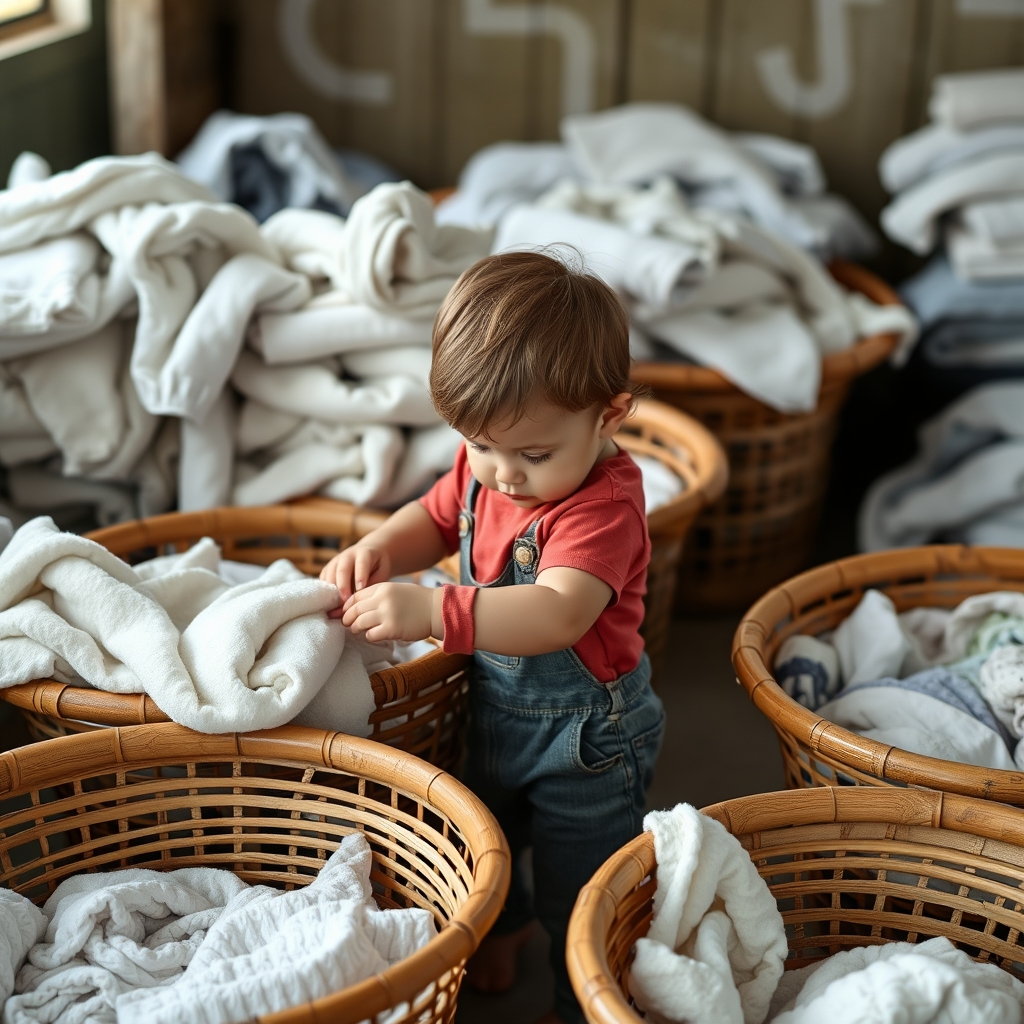
At this age, children actually want to help. They are in the mimicry stage. They don’t need a list; they need a partner. Focus on tasks that involve simple movements: putting books on a shelf, placing dirty clothes in a hamper, or helping to wipe a spill with a sponge. The goal here isn’t to get the job done right; it’s to build the habit of helping.
Early Elementary (Ages 5–8): The ‘Skill Acquisition’ Phase
Now, children can handle tasks with a clear beginning and end. This is the time for making beds (it doesn’t have to be hotel-standard), setting the table, or feeding a pet. They are starting to understand cause and effect. If they don’t feed the fish, the fish is hungry. This is a natural consequence, which is a much better teacher than a lecture from a parent.
Pre-teens (Ages 9–12): The ‘Autonomy’ Phase
By this stage, children should be capable of managing multi-step processes. They can handle laundry from start to finish, prepare simple meals, or take the trash out. They are capable of time management, so you can introduce a “by when” deadline rather than hovering over them to get it done immediately.
Teenagers (Ages 13+): The ‘Contribution’ Phase
At this point, chores shouldn’t just be about cleaning; they should be about running a household. Teens can handle grocery shopping, deep cleaning, or managing their own schedules. If they can drive or navigate public transit, they can pick up items from the store. This prepares them for the inevitable reality of living on their own.
| Age Group | Primary Focus | Sample Tasks |
|---|---|---|
| 2–4 | Mimicry & Participation | Putting toys away, sorting socks, wiping spills. |
| 5–8 | Skill Building | Setting table, watering plants, folding laundry. |
| 9–12 | Autonomy | Loading dishwasher, vacuuming, meal prep. |
| 13+ | Household Management | Cooking dinner, grocery shopping, deep cleaning. |
The Psychology of Resistance and How to Overcome It
Why do they fight us? Usually, it’s because they feel they have no control. If you command them to stop playing video games to go empty the dishwasher, you are disrupting their flow and asserting dominance. That will trigger a defensive response every single time.
To reduce resistance, offer choices. Instead of, “Go clean your room,” try, “Would you rather vacuum the living room or dust the bookshelves?” It’s a simple cognitive hack. By giving them a choice, you are giving them agency. They aren’t just following orders; they are making a decision. Even if the choice is between two chores they don’t love, the act of choosing makes them more likely to follow through.
Another common mistake is the “fix-it” impulse. If your child folds a shirt crookedly, it is incredibly tempting to reach in and “fix” it. Resist this urge. If you fix it, you are telling them that their best isn’t good enough. If you want them to get better, wait until they are finished, then model the behavior yourself later, or ask, “Do you want to see a trick for folding this so it stays flat?” Always offer tips as an invitation to improve, not as a correction of failure.
Creating Sustainable Systems That Don’t Require Micromanagement
If your chore system requires you to constantly check on your children, you haven’t created a system; you’ve created a second, more annoying job for yourself. A good system is self-sustaining. This often involves visual cues and clear expectations.
Use a “Done List” rather than a “To-Do List.” A To-Do list can feel like an indictment of everything they haven’t finished yet. A Done list is a record of their accomplishments. It’s a small, positive reinforcement loop. For younger children, a simple sticker chart on the fridge works wonders. For older kids, a shared digital task manager—or even a simple whiteboard—can work effectively.
Crucially, define what “done” looks like. “Clean your room” is too vague. Does that mean the floor is clear? Does that mean the bed is made? Does that mean the laundry is put away? Be specific. “The floor is clear of all toys and clothes” is an objective standard. It removes the ambiguity that leads to the inevitable argument of, “But I did clean it!”
The Role of Rewards and Natural Consequences
There is a long-standing debate about whether to pay children for chores. The argument for payment is that it teaches financial responsibility and the value of work. The argument against it is that it turns household contribution into a transaction. If you pay your child to clear the table, what happens when you stop paying them? They stop clearing the table.
A more balanced approach is to separate “family contribution” from “extra work.” Every member of the family has a baseline responsibility to keep the home functional—that is a non-negotiable, unpaid contribution. However, if a child wants to earn extra money, they can take on “extra” tasks: washing the car, deep cleaning the garage, or organizing the pantry. This distinction is vital. It teaches them that they have a duty to their community (the family) but also gives them a pathway to earn and work toward personal goals.
Natural consequences are also far more effective than artificial punishments. If they don’t put their laundry in the hamper, it doesn’t get washed. If they don’t help with dinner, they don’t get to choose what’s on the menu. These aren’t punishments; they are the logical results of their actions. When you implement these, keep your tone neutral. You aren’t “punishing” them; you are simply observing the reality of the situation.

Managing the ‘Overload’ Factor: When to Pause
Sometimes, life just gets in the way. Maybe it’s finals week, maybe there’s a family crisis, or maybe everyone is just exhausted. The hallmark of a good chore system is its flexibility. If you treat chores as a rigid, unyielding law, you will eventually break the system. If you treat it as a flexible framework, you can adjust as needed.
It is perfectly acceptable to have a “low-chore week.” When you communicate this to your kids, it builds trust. It shows them that you are also a human being who recognizes when the pressure is too high. You might say, “This week is going to be incredibly busy for all of us, so we are going to pare down our chores to the absolute essentials. We’ll get back to our regular routine next week.”
This transparency also prevents the “martyr parent” syndrome. When you model that you are also cutting back on non-essential tasks to manage your own stress, you are teaching your children how to prioritize and practice self-care. It’s a lesson in emotional intelligence that is just as valuable as learning how to run the dishwasher.
Common Mistakes to Avoid
1. The “Nagging” Trap: If you find yourself asking ten times, stop asking. Instead, implement a consequence. “I’ve asked you twice to clear the table. Since it’s not done, we won’t have time to watch the show tonight.” Follow through once, and you’ll likely never have to ask a third time.
2. Inconsistency: This is the death of any habit. If you only care about chores on Tuesdays, your kids will learn that they only need to care on Tuesdays. Consistency doesn’t mean rigidity; it means reliability. The expectations should be the same regardless of your mood.
3. Comparing Siblings: Avoid saying, “Why can’t you be like your sister? She always cleans her room.” This creates resentment between siblings and doesn’t actually motivate the child you are speaking to. Address the individual, not the comparison.
Building a Culture of Appreciation
Finally, never underestimate the power of a genuine “thank you.” We often take for granted the work our children do because, well, they live here too. But acknowledging their effort goes a long way. It’s not about over-praising or inflating their ego; it’s about recognizing that they are a part of the team. A simple, “Thanks for getting the trash out, it really helped me get dinner started,” reinforces the idea that their contribution has a real, tangible impact on the family’s happiness.
Building a chore system isn’t about creating a perfectly pristine home. It’s about creating a space where everyone feels a sense of ownership. When your children grow up and move out, they won’t remember the specific way you wanted the dishwasher loaded, but they will remember that they were capable of contributing to their environment. That is the ultimate goal.
Remember that this is a marathon, not a sprint. There will be days when the house is a mess, the kids are uncooperative, and you feel like you’re doing it all yourself. That’s okay. Take a breath, reset, and keep the focus on the long-term goal of raising capable, responsible, and empathetic adults. You are doing the work, and the results will show up in the small, everyday habits that become second nature to them over time.
Frequently Asked Questions
Q: What should I do if my child flat-out refuses to do a chore?
A: Stay calm and avoid a power struggle. If you engage in an argument, they win because the chore doesn’t get done. Instead, clearly state the consequence of not doing the chore. For example, “If the toys aren’t picked up by dinner, they will be put into a ‘timeout’ box for 24 hours.” Then, follow through. The loss of the item is a much more effective teacher than your raised voice.
Q: Is it better to have a set schedule or a ‘get it done by’ deadline?
A: It depends on the child’s age and personality. Younger children thrive on routine (e.g., “right after dinner”). Older children often prefer autonomy. Giving a teen a deadline (e.g., “by Sunday evening”) allows them to practice time management, which is a key developmental skill. If they miss the deadline, they learn the consequence of procrastination.
Q: How do I handle it when my child does a ‘bad job’ on a chore?
A: Avoid re-doing it in front of them, as this is discouraging. Instead, use the “sandwich” method: acknowledge the effort, point out one specific area for improvement, and offer a tip for next time. If the job was truly unsafe or unhygienic, address it calmly: “I appreciate you vacuuming, but you missed the corners under the sofa. Let’s do those together quickly so we can get it finished.”
For further reading on child development and household management, you may find these resources helpful: American Academy of Pediatrics (AAP) and Centers for Disease Control and Prevention (CDC) – Child Development.