The secret to a stress-free family vacation isn’t finding the perfect resort; it’s choosing a destination where the rail network does the heavy lifting for you. By adopting a “Train-First” planning strategy—where your itinerary is dictated by the efficiency and connectivity of regional rail lines rather than the allure of specific tourist spots—you can eliminate the logistical nightmares that plague modern family travel.
- Connectivity over destination: Prioritize regions with high-frequency rail loops to allow for spontaneous day trips without the need for rental cars.
- The 90-minute rule: Keep travel segments under 90 minutes to maintain sanity when traveling with children or managing luggage.
- Economic and environmental gains: Regional rail passes often cost significantly less than the cumulative expense of rental cars, fuel, parking, and tolls.
We’ve all been there. You’ve spent hours researching the perfect “hidden gem” village, only to realize it’s a three-hour drive from the nearest airport. Then comes the rental car booking, the hunt for child-safety seats, the stress of navigating foreign road signs, and the inevitable panic over parking. It’s enough to make you want to cancel the trip and stay home.
The “Train-First” approach shifts your perspective. Instead of asking, “Where do I want to go?” you start by asking, “Which rail networks offer the best accessibility?” This isn’t just for the eco-conscious or the budget-obsessed; it’s a tactical decision for anyone who values their time and energy. When you plan around the rails, you turn transit from a necessary evil into a seamless part of your itinerary.
Why the ‘Train-First’ Mindset Changes Everything
In our 30s and 40s, we aren’t exactly backpacking across continents with a single change of clothes. We have gear. We have kids. We have schedules. We need reliability. The traditional travel model—fly, rent a car, drive, park, repeat—is a high-friction process. Every step of that sequence is a potential point of failure.
When you prioritize regional rail, you remove the “driving fatigue” factor. There is no need to worry about the person behind you honking while you struggle to parallel park in a narrow cobblestone alley. There is no need to pay exorbitant daily rates for hotel parking. Instead, you get a moving lounge where you can read, play games with your kids, or simply watch the scenery change.
Moreover, modern regional rail networks in places like Switzerland, Japan, Germany, and parts of the UK are designed for integration. They aren’t just for commuters; they are the arteries of tourism. By centering your home base near a major regional hub, you can effectively “star” your way through a region, returning to the same comfortable accommodation each night while exploring a new town or park every day.
Step 1: Mapping the Network Before the Map
Before you even look at hotel prices, you need to look at a rail map. This is where most people get it wrong. They find a hotel they like, then check if there’s a train station nearby. That’s backward. You want to look for a Regional Rail Hub.
A regional hub is a station where high-speed lines meet local commuter loops. Why does this matter? Because high-speed trains get you into the region, and local lines get you to the “hidden gems.”
| Feature | Car-Dependent Travel | Train-First Travel |
|---|---|---|
| Transit Stress | High (Navigation, Traffic) | Low (Sit back, relax) |
| Flexibility | Medium (Dependent on parking) | High (Unlimited stops) |
| Logistics | Complex (Rental, Fuel, Tolls) | Simple (One pass/ticket) |
When you start your search, look for cities that act as “nodes.” For instance, in the Netherlands, Utrecht is a superior rail hub compared to smaller towns. In Germany, Munich or Frankfurt offer immediate access to regional lines that fan out in every direction. By staying within a 10-minute walking distance of these nodes, you ensure that your “commute” to adventure is never a burden.
The ’90-Minute Rule’ for Family Harmony
If you have children, you know that the “travel threshold” is real. There is a specific amount of time they can sit still before the mood shifts from “excited” to “over it.” For most families, that threshold sits right around 90 minutes.
The “Train-First” strategy allows you to optimize for this. When planning your daily excursions, use Google Maps or dedicated rail apps (like Trainline, Omio, or the national rail apps of the country you are visiting) to filter for direct routes under 90 minutes.
Why direct? Because transfers are where things go wrong. A missed connection because of a slow-moving toddler or a heavy suitcase is the fastest way to ruin a morning. By sticking to direct regional lines, you eliminate the risk of getting stranded. If a trip takes longer than 90 minutes, ask yourself if the destination is worth the extra time, or if there is a closer alternative that offers a similar experience.
One of the biggest anxieties for travelers is the fear of being “left behind” by the local ticketing system. Will the app work? What if the machine is broken? Does this ticket cover the local bus transfer?
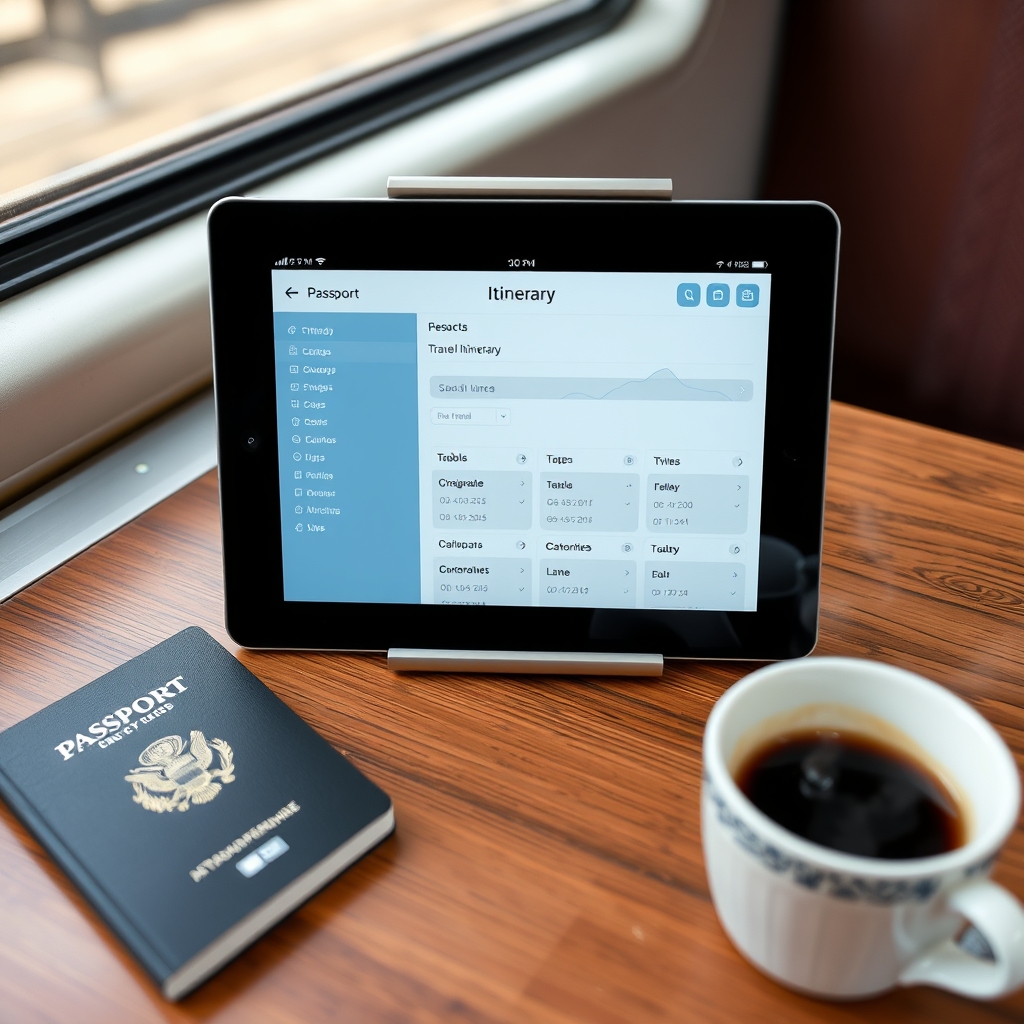
The good news is that most developed rail networks have moved to digital-first systems. Before you travel, download the official app for the national rail operator. Spend 15 minutes navigating the interface while you’re still at home. Most of these apps now allow you to store tickets in your digital wallet, meaning you don’t even need to fumble for paper scraps while you’re standing on a platform with a crying child.
Also, look for “Day Passes” or “Regional Passes.” Many countries offer tourist-friendly rail passes that are significantly cheaper than point-to-point tickets. These passes often include “last-mile” transport, like buses or trams, which are crucial for getting from the station to the actual tourist site. This is a massive time-saver. You buy it once, and you’re set for the day.
Common Pitfalls and How to Avoid Them
Even with the best “Train-First” planning, you can run into trouble if you don’t account for the “last mile.” Just because a train gets you to a town doesn’t mean the town is walkable. Always check the distance between the train station and the main attractions.
If the station is two miles from the town center and there’s no connecting bus, you’ve just created a problem. Use Google Maps’ “Street View” to check the area around the station. Is there a taxi rank? Is there a bike rental shop? A simple search for “[Town Name] station to city center transit” will save you a headache later.
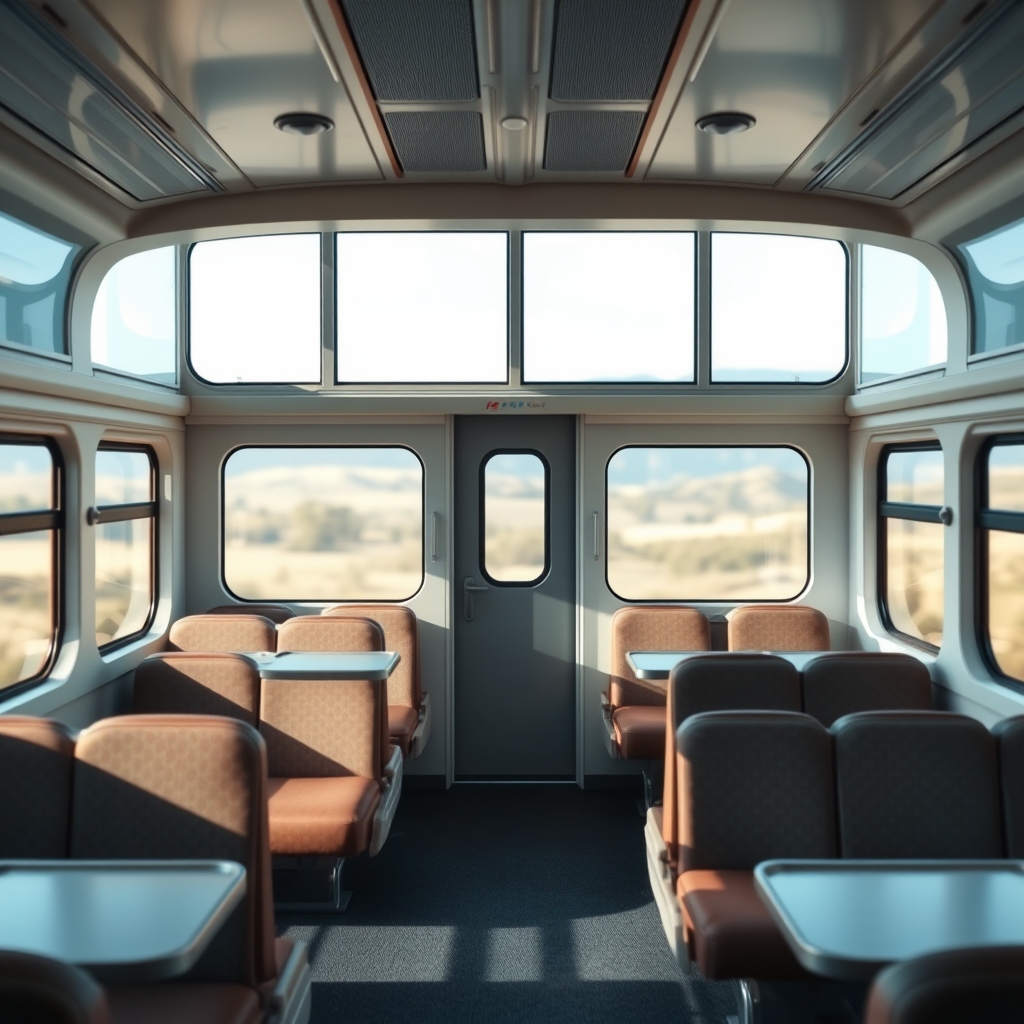
Another common mistake is overestimating your luggage capacity. If you are taking the train, you are your own porter. If you have two large suitcases, a stroller, and a backpack, you will struggle. The “Train-First” lifestyle works best when you travel light. If you must travel with a lot of gear, look for trains with dedicated luggage racks (usually located at the ends of the carriages) and book your seats in those cars if possible.
Is It Actually Cheaper?
Let’s talk numbers. Rental cars are deceptive. The daily rate might look low—say, $50 a day—but once you add insurance, fuel, tolls, parking fees, and the inevitable “oops” of a minor scratch, you’re looking at double or triple that amount.
Rail travel, by contrast, is transparent. You pay for your ticket (or pass), and that’s it. There are no surprise parking fines, no expensive fuel top-ups before returning the car, and no toll road confusion. For a family of four, the cost of a regional rail pass often breaks even against the cost of a rental car by the third day of a trip.
Beyond the money, there is the “value of time.” When you drive, you are constantly engaged. You are watching the road, managing the GPS, and navigating. When you take the train, that time is yours. It’s time to talk to your partner, help your child with their workbook, or catch up on a podcast. You arrive at your destination refreshed, not stressed.
Integrating Flexibility into Your Itinerary
The beauty of the “Train-First” approach is that it allows for, and even encourages, spontaneity. When you have a regional rail pass, you aren’t tethered to a specific car return time or a pre-paid parking spot. If you find a town you love, you can stay an extra three hours and just catch a later train.
To make this work, keep your itinerary “loose.” Plan one main activity for the morning, and leave the afternoon open. If you see a beautiful park from the train window, get off at the next stop and explore. This is the kind of travel that makes memories, but it’s nearly impossible to do if you’re worried about where you parked the rental car.
However, keep a “backup plan” in your app. Always know when the last train back to your home base is. Nothing kills the vibe of a lovely day out like realizing you’ve missed the final train and are now facing a very expensive taxi ride back to your hotel.
Real-World Application: A Sample Scenario
Imagine you are visiting the Black Forest region in Germany. A car-dependent traveler might rent a car at the Frankfurt airport and drive into the region. They’ll spend their days driving from town to town, worrying about parking in Freiburg or Baden-Baden, and paying for fuel.
A “Train-First” traveler takes the high-speed train from Frankfurt to Freiburg. They check into a hotel near the Freiburg station. They purchase a “KONUS” card (which is often provided by local hotels and offers free travel on regional buses and trains). They spend three days taking trains to Titisee, Triberg, and Gengenbach. They have zero parking stress, zero fuel costs, and they’ve spent their travel time looking at the forest rather than the bumper of the car in front of them.
This is the difference between “managing” a trip and “experiencing” a trip. By removing the logistical friction, you allow yourself to actually see the world you traveled so far to visit.
Cautions and Considerations
While I am a huge proponent of rail travel, it’s important to be realistic. There are regions where the rail network is sparse or unreliable. If you are planning a trip to a very rural area with limited public transit, you may still need a car for part of your journey. Don’t be a “rail purist” to the point of absurdity; if the train adds four hours to a one-hour trip, take the car.
Also, be mindful of strikes or maintenance. In many European countries, rail strikes are a part of life. Always check the operator’s website 24 hours before your travel date. If a strike is announced, have a plan B—like a regional bus or a car-sharing service—ready to go.
Finally, respect the space. Regional trains are shared environments. If you are traveling with kids, bring snacks, headphones, and quiet activities. A little preparation goes a long way in ensuring that your fellow passengers—and your own family—have a pleasant journey.
Final Thoughts on the ‘Train-First’ Strategy
Travel in your 30s and 40s is a balancing act. You want to see the world, but you don’t want the process to feel like a second job. The “Train-First” itinerary planning isn’t just about the train; it’s about choosing a mode of travel that respects your time and your sanity.
By shifting your focus to the rail network, you simplify your logistics, reduce your costs, and create space for the unexpected joy of travel. It requires a bit of research upfront, but the payoff is a vacation that actually feels like a vacation. So, next time you start planning, put the car rental aside and look at the rail map first. You might be surprised at how much more you can see when you aren’t focused on the road.
For more information on planning your rail journey, you can check official resources like Eurail for multi-country passes or the specific national rail websites like Deutsche Bahn or SNCF for regional specifics. Happy travels!
Frequently Asked Questions
- Is it really cheaper to take the train than to rent a car?
In most cases, yes, especially when you factor in hidden costs like fuel, tolls, parking fees, and insurance. While a single train ticket might look pricey, regional rail passes offer significant discounts for families and frequent travelers, often making them the more economical choice for a week-long trip.
- What should I do if my child gets restless on long train rides?
The “90-minute rule” is your best defense. By keeping segments short, you avoid the “boredom wall.” For any travel, bring a mix of offline entertainment: coloring books, audiobooks with headphones, and snacks. Many modern trains also have “family carriages” with more space and occasional play areas.
- How do I handle luggage on a train?
Travel light. If you must bring large bags, look for trains with dedicated luggage racks at the end of each car. Avoid peak commuter hours (early morning and late afternoon) when trains are crowded, as finding space for multiple suitcases can be difficult during these times.