The “zero-proof” movement is fundamentally changing how we approach social gatherings, proving that meaningful connection, relaxation, and a great night out no longer require alcohol as a prerequisite.
Key Takeaways
- Mindful Consumption: The zero-proof trend is driven by a desire for better sleep, mental clarity, and improved health, rather than just abstinence.
- Social Evolution: You can host or attend events that prioritize the experience and the people over the alcohol content of the drinks menu.
- Accessibility: High-quality non-alcoholic options are now widely available, making it easier than ever to feel included in social toasts and celebrations.
If you are in your 30s or 40s, you have likely noticed a shift in the air. Remember those nights in your early 20s where the primary goal of a social outing was, well, the alcohol itself? Fast forward to today, and the conversation has changed. Between managing school drop-offs, demanding work schedules, and the simple, undeniable fact that a hangover at 40 feels significantly more punishing than it did at 22, many of us are quietly reassessing our relationship with drinking.
The “zero-proof” movement isn’t about shaming anyone who chooses to drink; it is about expanding the menu. It is about the freedom to choose a complex, flavorful drink that doesn’t come with the “morning-after” tax. Whether you are “sober-curious,” practicing mindful drinking, or simply taking a break, the social landscape is finally catching up to the idea that you don’t need ethanol to have a personality.
Understanding the Shift: Why Now?
The rise of the zero-proof movement is not a fluke. It is a response to a culture that is increasingly focused on longevity and high-performance living. For parents, specifically, the stakes are higher. When you have a toddler waking you up at 6:00 AM, the choice between a glass of wine and an alcohol-free botanical tonic becomes a practical decision about your own bandwidth for the next day.
Data from market research firms like IWSR suggests that the non-alcoholic beverage category is seeing double-digit growth globally. This isn’t just about people who don’t drink at all; it is about “flex-drinkers”—people who switch between alcoholic and non-alcoholic options depending on the setting. The movement is supported by better technology in beverage production, allowing for the creation of non-alcoholic spirits that actually taste like spirits, utilizing distillation techniques that capture the complex botanicals of gin, tequila, or whiskey without the fermentation process.
The Practicalities of Hosting a Zero-Proof Event
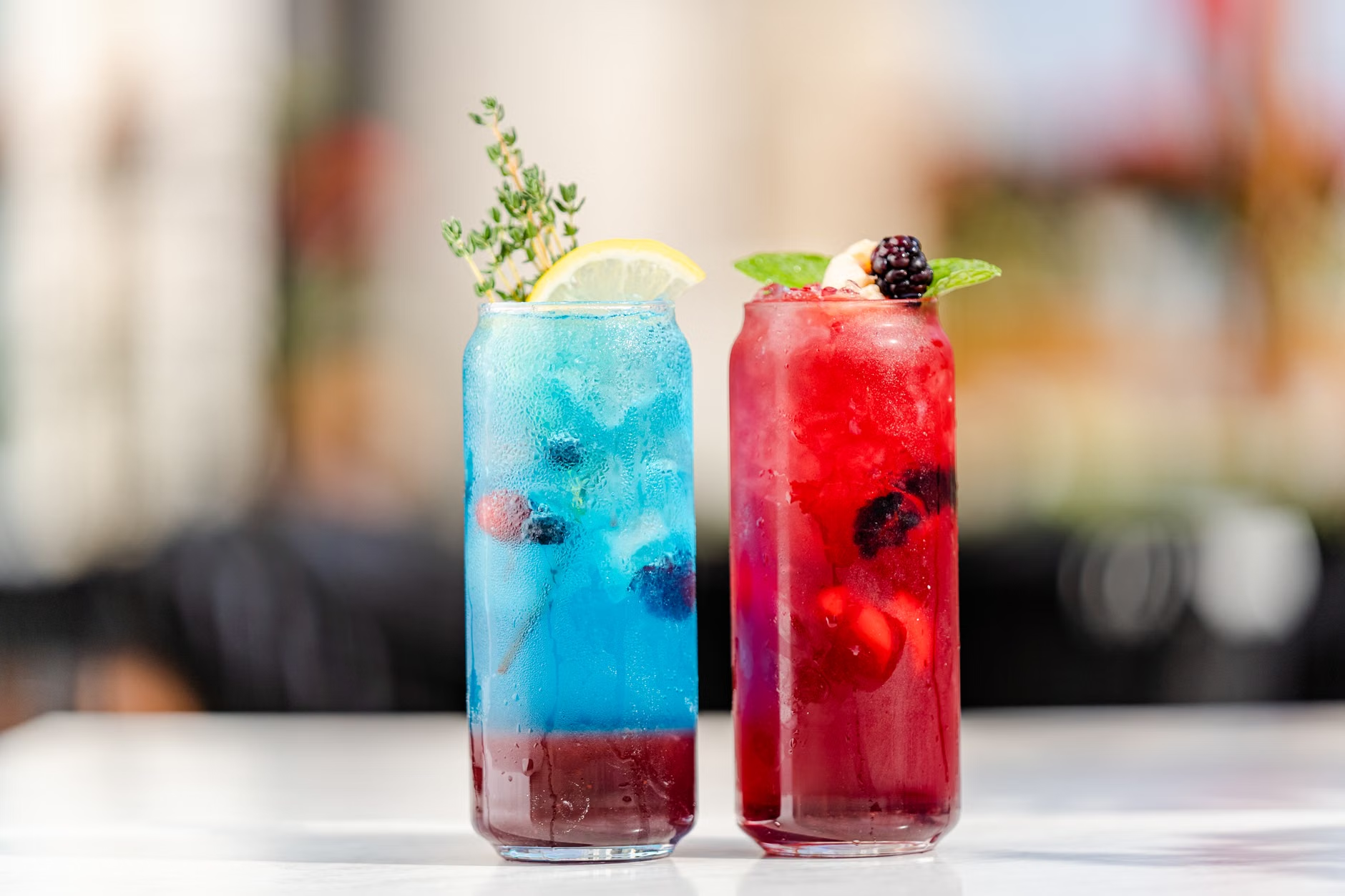
Hosting a dinner party or a backyard gathering can feel intimidating when you want to shift away from the traditional “beer and wine” default. The fear is always the same: Will people feel like they’re missing out? The secret is to treat the non-alcoholic options with the same level of care you would give to a fine wine pairing.
If you are planning an event, consider these steps to make the zero-proof experience seamless:
| Strategy | Implementation |
|---|---|
| Curate the Menu | Offer at least two distinct “signature” mocktails. Use fresh herbs like basil or rosemary to add complexity. |
| Premium Glassware | Serve non-alcoholic drinks in the same high-quality glassware as alcoholic ones. Presentation matters. |
| Self-Serve Station | Create a “build-your-own” bar with tonic waters, shrubs, bitters, and fresh fruit so guests can experiment. |
By treating the non-alcoholic drink as a deliberate choice rather than an “afterthought” or a “kid’s drink,” you validate the experience for your guests. Many people find that when presented with a beautiful, complex drink, they don’t even miss the alcohol.
One of the biggest hurdles for anyone dipping their toes into the zero-proof lifestyle is the social pressure. There is a strange cultural phenomenon where people feel entitled to ask, “Why aren’t you drinking?” It can feel invasive, especially when you just want to enjoy a night out without explaining your health goals, your sleep schedule, or your parenting responsibilities.
If you find yourself in this situation, remember that you do not owe anyone a confession. A simple, “I’m taking a break for a while,” or “I have a big morning tomorrow and I’m prioritizing my sleep,” is usually enough. If you’re at a bar or restaurant, the staff is now generally well-trained to handle these requests. Most high-end establishments now have a dedicated section for “spirit-free” cocktails. Don’t be afraid to ask the bartender, “What’s your favorite non-alcoholic drink on the menu?”
The Science of “Mindful” Socializing
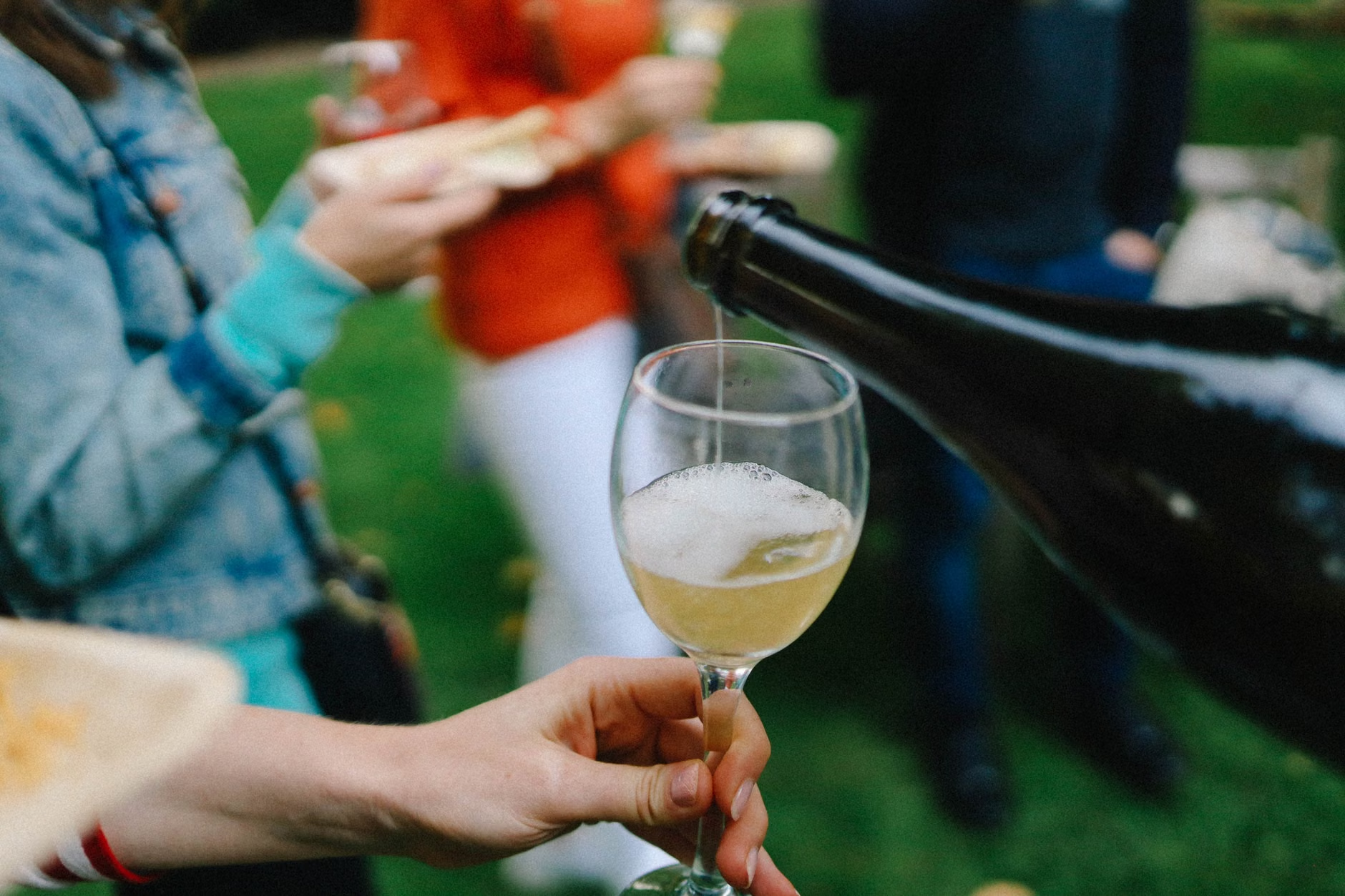
Why does this change the way we interact? When we remove alcohol from the equation, we often find that our social stamina changes. We might not stay out until 2:00 AM, but the conversations we have tend to be more present and grounded. For parents in their 30s and 40s, this is often a relief. We are trading the “fuzziness” of a late-night buzz for the sharp, clear memories of a shared laugh or a deep conversation.
There is also the physiological benefit. Alcohol is a depressant that can disrupt REM sleep, which is already a precious commodity for most parents. By opting for zero-proof, you are essentially protecting your next day. It’s a form of self-care that pays dividends in patience and energy levels when the kids wake up the next morning.
Building Your Own Zero-Proof Bar Cart
You don’t need to empty your liquor cabinet to join the movement, but adding a few key staples can make your home feel ready for any occasion. Think of this as an upgrade to your “house drinks” collection.
Start with a high-quality non-alcoholic spirit. Brands like Seedlip, Lyre’s, or Ghia have become staples for a reason—they offer the bitterness, the spice, and the mouthfeel that we often crave in a drink. Add a few artisanal tonics, some house-made shrubs (vinegar-based fruit syrups), and a selection of fresh garnishes like dehydrated citrus wheels or fresh mint. When you have these items on hand, a simple sparkling water becomes a craft cocktail in under thirty seconds.
Common Misconceptions and Troubleshooting
A common mistake people make when transitioning to zero-proof is replacing alcohol with high-sugar alternatives. If you are drinking three cans of high-sugar soda, you aren’t really getting the “wellness” benefits you might be seeking. Look for drinks that use botanicals, teas, or fermented bases like kombucha or shrubs, which offer complexity without the sugar spike.
Another point of friction is the “social crutch” argument. If you feel like you *need* a drink to be social, that is a signal worth paying attention to. It doesn’t mean you have a problem, but it might mean you need to practice your social skills in a low-stakes environment. Start by going to a lunch meeting or a coffee catch-up without alcohol. Once you realize that you are perfectly capable of being charming and funny without a drink in your hand, the fear of social awkwardness at parties will naturally dissipate.
Refining Your Approach to Long-Term Habit Changes
For those of us in the thick of our 30s and 40s, life is often a balancing act. We are managing careers, relationships, and the logistical nightmare of modern parenting. The zero-proof trend is a tool for simplification. It removes one variable—the alcohol—and replaces it with something that supports our goals rather than detracting from them. It is about reclaiming your time, your health, and your focus.
However, it is important to be kind to yourself. You don’t have to be perfect. If you have a drink at a wedding or a special occasion, that doesn’t mean you have “failed.” The goal isn’t necessarily total abstinence; it is about intentionality. It is about deciding when and why you want to drink, rather than drinking because it is just “what people do” at a social event.
As you continue this journey, you will likely find that your circle of friends evolves. You might find that the people who only want to hang out in environments centered around heavy drinking become less of a priority, while those who are interested in experiences, hobbies, and genuine connection become more central. This is a natural part of growing up and refining your lifestyle to match your current values.
Summary and Final Thoughts
The zero-proof movement is here to stay because it solves a very modern problem: how to be social without sacrificing our well-being. By embracing this trend, you gain more than just a clear head; you gain a more intentional approach to your social life. Whether you are hosting a dinner party or just relaxing on your porch after a long week, there is an entire world of flavor out there that doesn’t rely on alcohol.
Remember, the goal is to feel better, not to feel deprived. Start small, experiment with flavors, and don’t be afraid to be the one at the party with the most interesting drink in the room. Your health, your sleep, and your future self will thank you for it.
For more information on the evolving landscape of non-alcoholic beverages and mindful drinking trends, you can explore resources like:
- IWSR Drinks Market Analysis for industry trends on the non-alcoholic sector.
- The National Institute on Alcohol Abuse and Alcoholism (NIAAA) for science-based information on alcohol consumption.
Frequently Asked Questions
1. Is “zero-proof” the same as “non-alcoholic”?
Technically, yes. Both terms refer to beverages that contain little to no alcohol. However, “zero-proof” is a marketing term often used to describe high-end, craft mocktails that are designed to mimic the complexity of alcoholic cocktails, whereas “non-alcoholic” can sometimes refer to simple juices or sodas.
2. Can I make these drinks at home without buying expensive ingredients?
Absolutely. You can start with simple ingredients you likely already have: sparkling water, fresh lime juice, simple syrup, and fresh herbs like mint, basil, or rosemary. Muddle the herbs in a glass, add the lime and syrup, top with sparkling water, and you have an instant, refreshing zero-proof drink.
The best approach is to be prepared with a drink in your hand before the pressure starts. If you are holding a glass, people are less likely to offer you something else. If someone does ask, keep your answer brief and polite. Most people are more concerned with their own drink than yours, and a casual “I’m good with this for tonight” is usually the end of the conversation.