Key Takeaways
- The Third-Space Defined: These are social environments separate from the two primary “spaces”—home (the first) and the workplace (the second)—where community ties are forged.
- Why It Matters for Parents: Modern city planning is shifting toward “15-minute cities,” which prioritize local hubs, reducing commute stress and increasing incidental social interaction for families.
- Active Participation: You don’t have to wait for city planners; small-scale local initiatives like tool libraries, community gardens, and “slow streets” are effective ways to reclaim your neighborhood’s social fabric.
The most effective way to improve your mental health and parenting experience isn’t found in a new app or a productivity hack, but in the physical environment just outside your front door. We are currently witnessing a global revival of the “Third-Space”—the essential social anchors that exist between our homes and our offices. For those of us juggling the relentless demands of careers and child-rearing, these spaces have become more than just a luxury; they are a survival mechanism for maintaining sanity in an increasingly fragmented world.
Most of us in our 30s and 40s live lives defined by the binary. We wake up, we get the kids to school, we commute to work (or toggle between Zoom calls in a home office), and then we collapse back into our homes to repeat the cycle. The “Third-Space”—a term coined by sociologist Ray Oldenburg in the 1980s—is the antidote to this exhaustion. It is the place where you are not a “parent” or an “employee,” but simply a neighbor. Think of the local café, the public library, the community garden, or the neighborhood park bench. These are the places where life happens in the margins.
Why the ‘Third-Space’ Disappeared and Why It’s Making a Comeback
If you feel like your neighborhood is just a collection of houses that people drive into and out of, you aren’t imagining it. For the last few decades, urban planning focused heavily on efficiency: moving cars quickly, zoning residential areas far from commercial ones, and prioritizing private living. This “car-centric” design essentially killed the spontaneous social interaction that used to happen on front porches or at local markets.
However, the tide is turning. Driven by the post-pandemic realization that isolation is a public health crisis, city planners are moving toward the “15-minute city” model. This is the concept that every resident should be able to reach their essential needs—groceries, schools, parks, and social hubs—within a 15-minute walk or bike ride from their home. It’s not about restricting movement; it’s about restoring the freedom to live locally.
For the parent who spends 45 minutes in traffic every day, the 15-minute city is a life-changing prospect. It’s the difference between being a stressed driver and a present parent. When your local park or library acts as a true third-space, your children learn to navigate their environment, and you build a network of support that doesn’t require a scheduled “playdate” or a formal invite.
What Makes a Space a ‘Third-Space’?
Not every public space qualifies as a true Third-Space. A sterile shopping mall or a high-end restaurant with a minimum spend requirement doesn’t fit the bill. True third-spaces share a few specific characteristics that make them accessible and valuable for busy families.
| Characteristic | Why it matters for families |
|---|---|
| Neutral Ground | You don’t need an invitation or a membership to be there. It’s egalitarian. |
| Accessibility | It must be physically easy to reach by foot, stroller, or bike. |
| Low Cost | It shouldn’t require a significant financial commitment to exist there for an hour. |
| The “Regulars” | There’s a sense of familiarity; you see the same faces, which builds trust. |
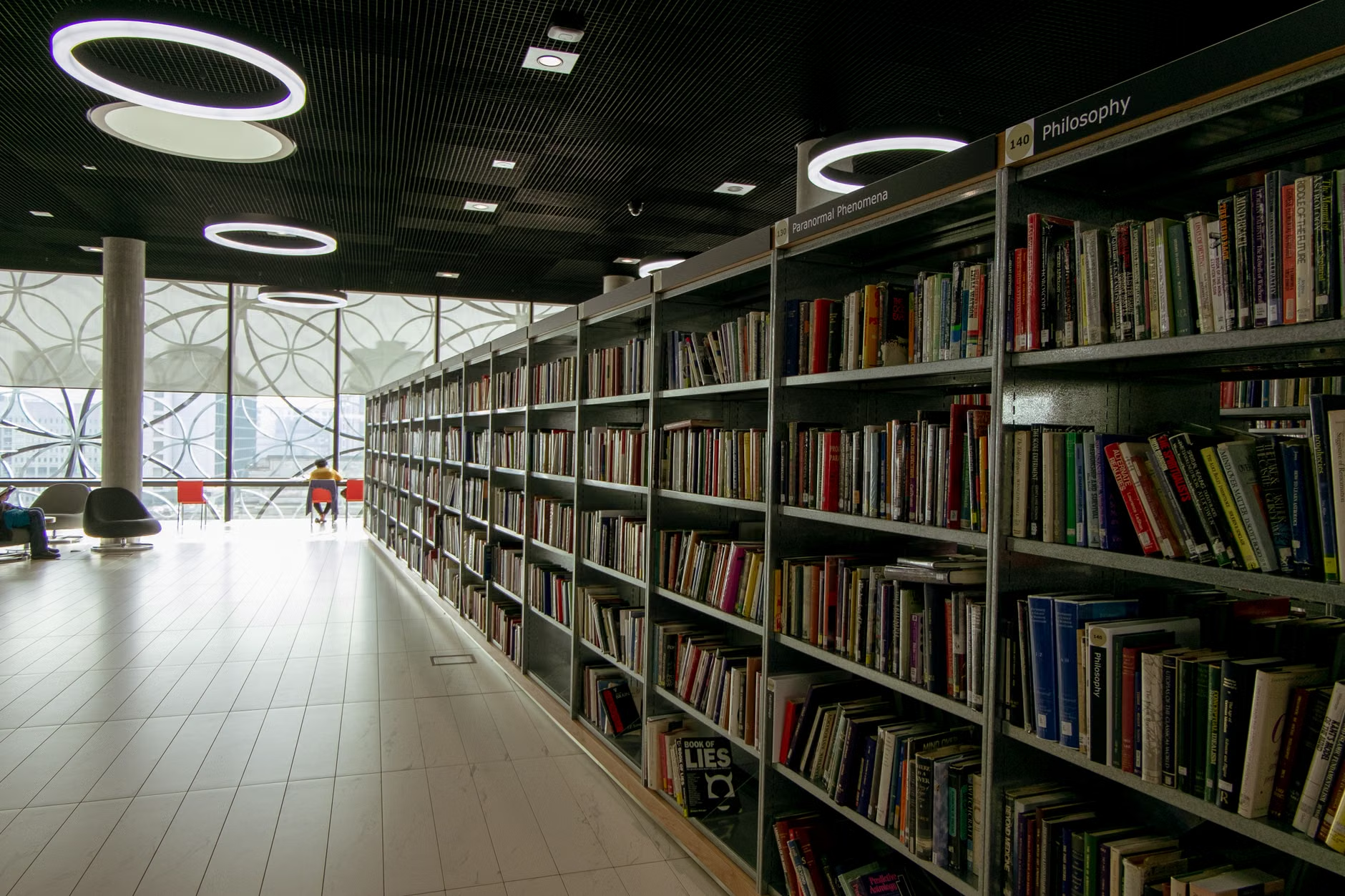
Think about your local library. It’s free. It’s climate-controlled. It has resources for your kids, and it has a quiet corner for you to breathe for ten minutes. It functions as a third-space because it doesn’t care about your job title or your household income. It just provides a stage for community interaction.
The Practical Challenges of Reclaiming Public Space
It sounds idealistic, but let’s be honest: our neighborhoods aren’t always designed for people. If you live in a suburban sprawl, you might be facing the “lack of density” problem. When houses are spread too far apart, it’s physically impossible to have a local hub that serves everyone within walking distance. This leads to what urbanists call “social desertification.”
Another major hurdle is the “safety vs. accessibility” debate. Parents are often concerned about traffic speeds, crime, or the lack of maintenance in public parks. This is where the advocacy side of things comes in. You don’t have to be a city planner to advocate for “traffic calming” measures, like speed humps or protected bike lanes, which make it safer for children to traverse the neighborhood independently.
There is also the challenge of the “digital third-space.” Many of us have replaced physical community with online forums or social media groups. While these can be helpful, they often lack the “friction” of real-world interaction. Online, you can curate who you talk to. In a physical third-space, you are forced to interact with people who aren’t exactly like you—and that is exactly what builds a resilient community.
How You Can Start Building Your Own Third-Space Today
You don’t need to wait for a multi-million dollar municipal project to improve your local environment. Here are a few ways to start small:
- Identify the “Dead” Spaces: Look for neglected corners in your neighborhood—a tiny patch of grass, a wide sidewalk, or a bench that’s never used. These are the seeds of potential third-spaces.
- The Power of the Front Yard: If you have a front yard, make it inviting. A simple chair or a small library box can turn a private space into a point of connection for neighbors walking by.
- Join or Start a “Friends Of” Group: Most parks and libraries have volunteer committees. Getting involved in the upkeep of these spaces gives you ownership and ensures they meet the needs of families in the area.
- Support Local “Third” Businesses: If your local café or bookstore is trying to foster community, show up. These businesses are often the first to fail because they don’t have the margins of big-box stores. Treat them as essential infrastructure.
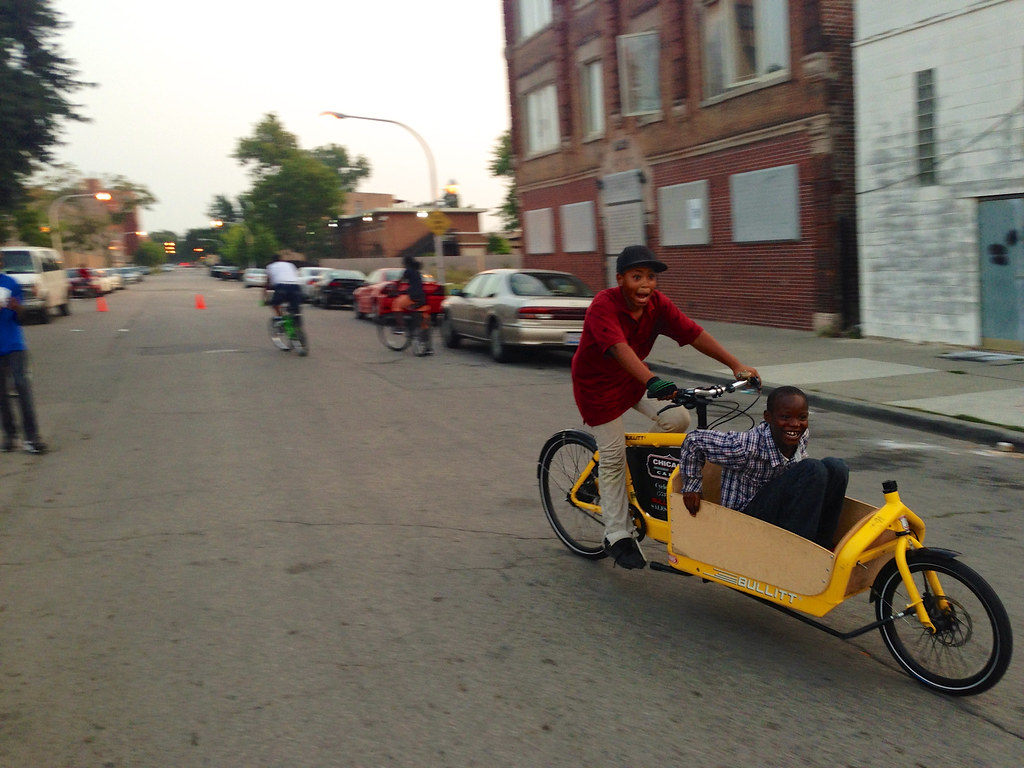
Consider the concept of “Slow Streets.” Many cities now allow residents to petition for streets that prioritize pedestrians over thru-traffic. Once a street is designated as “slow,” it effectively becomes an extension of everyone’s front yard. Children can bike, neighbors can chat, and the street becomes a place to live rather than just a place to transit through.
Is there a downside to the third-space revival? Some might argue that increased public activity leads to noise or privacy concerns. It’s a valid point. Increased density and activity mean that the quiet, isolated suburban bubble of the late 20th century is effectively popping. For those who value total privacy above all else, this shift can be uncomfortable.
However, consider the cost of the alternative. The loneliness epidemic is real, and it hits parents particularly hard. When you are isolated, small problems feel like catastrophes. When you have a network of “weak ties”—the people you know by name at the park, the librarian, the local shopkeeper—you have a buffer. You have a safety net that exists outside of your immediate family circle.
The “Third-Space” isn’t about being social 24/7. It’s about having the option to be social. It’s about the comfort of knowing that if your toddler has a meltdown or your work day goes sideways, there is a place nearby where you can step out, find a bit of normalcy, and remember that you are part of a larger community.

Looking Toward the Future of Urban Living
As we move deeper into this decade, the way we design our cities will define the way our children grow up. Are they going to be raised in a world of private, gated experiences, or are they going to grow up in a world where the neighborhood is a living, breathing extension of their home? The third-space revival is a push back against the commodification of our time. It’s a statement that our lives are worth more than the sum of our work and our domestic chores.
For the parent in their 30s or 40s, this is a call to action. Be present in your neighborhood. Advocate for the benches, the bike lanes, and the public programs. Support the spaces that allow you to be a human being rather than just a cog in the machine. It’s the most practical, grounded way to ensure that your family thrives in a world that often feels like it’s designed to keep us apart.
Remember, the goal isn’t to create a perfect utopia. It’s to create a neighborhood where you actually know your neighbors, where your children can experience a bit of independence, and where you can find a moment of peace without having to drive to get it. That is the true value of the Third-Space.
For further reading on the evolution of urban social spaces, you can explore the research provided by the Project for Public Spaces, which offers extensive resources on how communities are reclaiming their local environments. Additionally, the Congress for the New Urbanism provides excellent insights into the “15-minute city” framework and its real-world application.
Frequently Asked Questions
Q: What if my neighborhood is purely residential and doesn’t have any commercial third-spaces?
A: You can still create them. Look for “hidden” third-spaces like church courtyards, school playgrounds that are open after hours, or even start a neighborhood tool-sharing group. Sometimes, the third-space isn’t a building, but a recurring event or a shared resource that brings people together on a sidewalk or in a driveway.
Q: Is a park a third-space if it’s poorly maintained or unsafe?
A: A space only functions as a third-space if it is welcoming. If a park is unsafe, it can’t fulfill its role. This is where community advocacy becomes vital. Working with local government or neighborhood associations to improve lighting, clear brush, or add basic seating can transform a “dead” space into a functional, vibrant hub.
Q: How do I find the time for a “third-space” when I’m already overwhelmed by work and parenting?
A: That’s the irony—the third-space is actually a time-saver. By integrating your social and community needs into your daily transit or errand-running, you eliminate the need for “extra” trips. For example, stopping at a local park on the way home from school creates a buffer that lowers stress, making the evening transition at home smoother and more manageable.
Note: This article is intended for informational purposes and reflects current trends in urban planning. Always check local zoning laws and community guidelines before initiating changes to your neighborhood infrastructure.