The most effective way to host a professional event today is to stop treating non-alcoholic drinks as an afterthought and start treating them as the centerpiece of your beverage program.
- Quality over quantity: Replace “soda and juice” with complex, botanical-forward non-alcoholic spirits to maintain the “cocktail experience” without the alcohol.
- Normalization is key: Serve zero-proof drinks in the same high-end glassware as alcoholic options to prevent guests from feeling singled out.
- Economic efficiency: High-quality non-alcoholic spirits are expensive, but they often carry higher margins and lower liability risks than traditional open bars.
You’ve been there: a mid-week networking mixer or a client appreciation dinner. The atmosphere is professional, the conversation is flowing, but the drink selection is binary. You are either holding a glass of wine or a plastic cup of lukewarm club soda with a sad lime wedge. For professionals in their 30s and 40s—a demographic increasingly prioritizing health, productivity, and intentional social habits—this binary choice is becoming an outdated relic.
Hosting a “zero-proof” event isn’t about prohibition; it is about providing a sophisticated alternative that respects the guest’s choice to remain clear-headed while maintaining the ritual of the social drink. Whether you are managing an internal team building event or hosting high-stakes clients, the “sober-curious” movement is no longer a niche trend; it is a standard expectation in modern business culture.
Beyond the Club Soda: Redefining the Professional Drink
The biggest mistake hosts make is assuming that “non-alcoholic” means “non-complex.” When you replace an alcoholic beverage with a sugar-laden juice or a basic soda, you aren’t providing a professional alternative; you are providing a childhood beverage. Adults in professional settings crave complexity—acidity, bitterness, tannins, and aromatics.
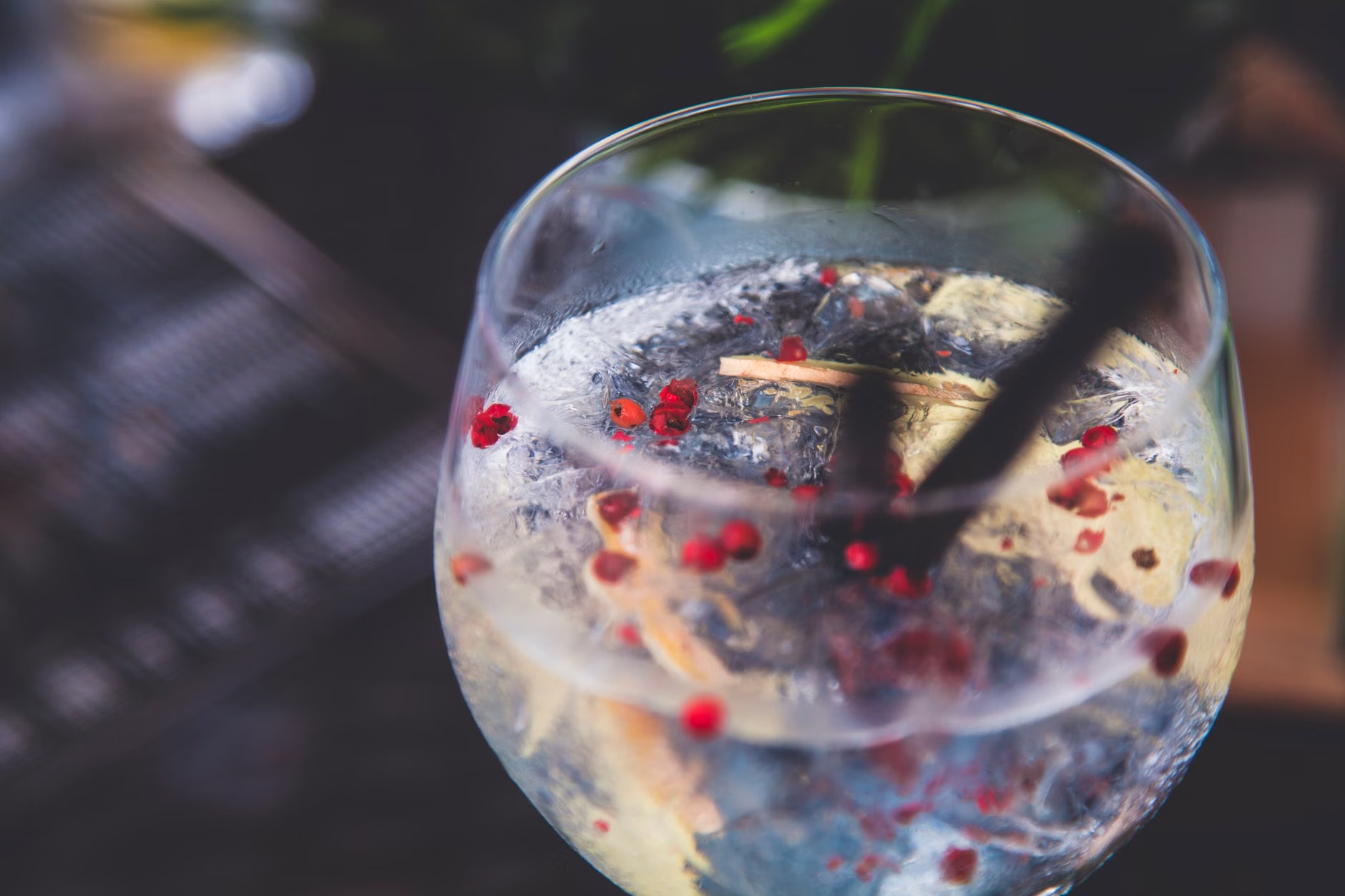
The rise of the non-alcoholic spirits market (companies producing distilled botanicals that mimic the heat and complexity of spirits) has changed the game. When planning your menu, think in terms of flavor profiles rather than alcohol content. You want to replicate the “slow sipping” experience. If a guest is holding a drink that looks and tastes as complex as a Negroni or a sophisticated G&T, they feel included in the social ritual, regardless of the ABV (Alcohol By Volume).
Decision Rule: If you wouldn’t serve it to a client on a Tuesday morning, don’t serve it as your “non-alcoholic option” on a Thursday evening. Aim for drinks that feature ingredients like cinchona bark, juniper, ginger, or smoked botanicals.
Step-by-Step Guide to Curating a Zero-Proof Menu
Planning a menu requires a shift in procurement. You are no longer just buying wine and beer in bulk; you are building a flavor architecture. Here is how to structure your selection:
1. The “Aperitif” Category
Start with something dry and bitter. This mimics the pre-dinner cocktail ritual. Look for non-alcoholic aperitifs that use gentian root or bitter orange. These provide the “opening” of the palate that guests expect before a meal.
2. The “Spirit-Forward” Alternative
For the main event, offer at least one drink that uses a high-quality non-alcoholic spirit. These are distilled similarly to gin or whiskey but without the fermentation. They provide the “burn” or “bite” that many people associate with a cocktail, making them ideal for someone who wants to hold a “serious” drink.
3. The “House-Made” Signature
Don’t rely solely on store-bought bottles. A simple house-made shrub (a vinegar-based fruit syrup) mixed with high-quality tonic water and a fresh herb garnish is often more impressive than a generic mocktail. It signals that you put effort into the non-alcoholic experience.
| Drink Type | Best For | Flavor Profile |
|---|---|---|
| Botanical Distillates | The “Cocktail” Drinker | Juniper, citrus, spice |
| Shrubs & Vinegars | The “Refreshing” Drinker | Tangy, acidic, fruit-forward |
| Non-Alcoholic Ferments | The “Beer/Wine” Drinker | Yeasty, dry, complex |
This table illustrates that not all non-alcoholic drinks serve the same purpose. A botanical distillate is meant to be sipped slowly, while a shrub is meant to be refreshing. A well-rounded menu includes at least one of each to cater to different tastes.
The Hidden Logistics: Glassware and Presentation
The “why” behind the glass is just as important as the “what” inside it. In a professional setting, the visual cue of a drink is a social signal. If a guest is drinking a non-alcoholic beverage out of a paper cup while everyone else has crystal, they are being visually signaled as “the one who isn’t drinking.”
The Golden Rule of Hosting: Serve all beverages in appropriate glassware. A zero-proof botanical spirit and tonic belongs in a highball or a gin balloon glass. A non-alcoholic sparkling wine belongs in a flute. By matching the vessel to the drink, you remove the social friction of “explaining” why someone is or isn’t drinking.
Furthermore, consider the garnish. A drink without a garnish is just a liquid. A drink with a sprig of fresh rosemary, a dehydrated lemon wheel, or a dash of bitters (note: some bitters contain trace alcohol, check your guests’ requirements) looks intentional. It tells the guest: “This drink was designed for you, not invented as an afterthought.”
Managing Costs and Supply Chain
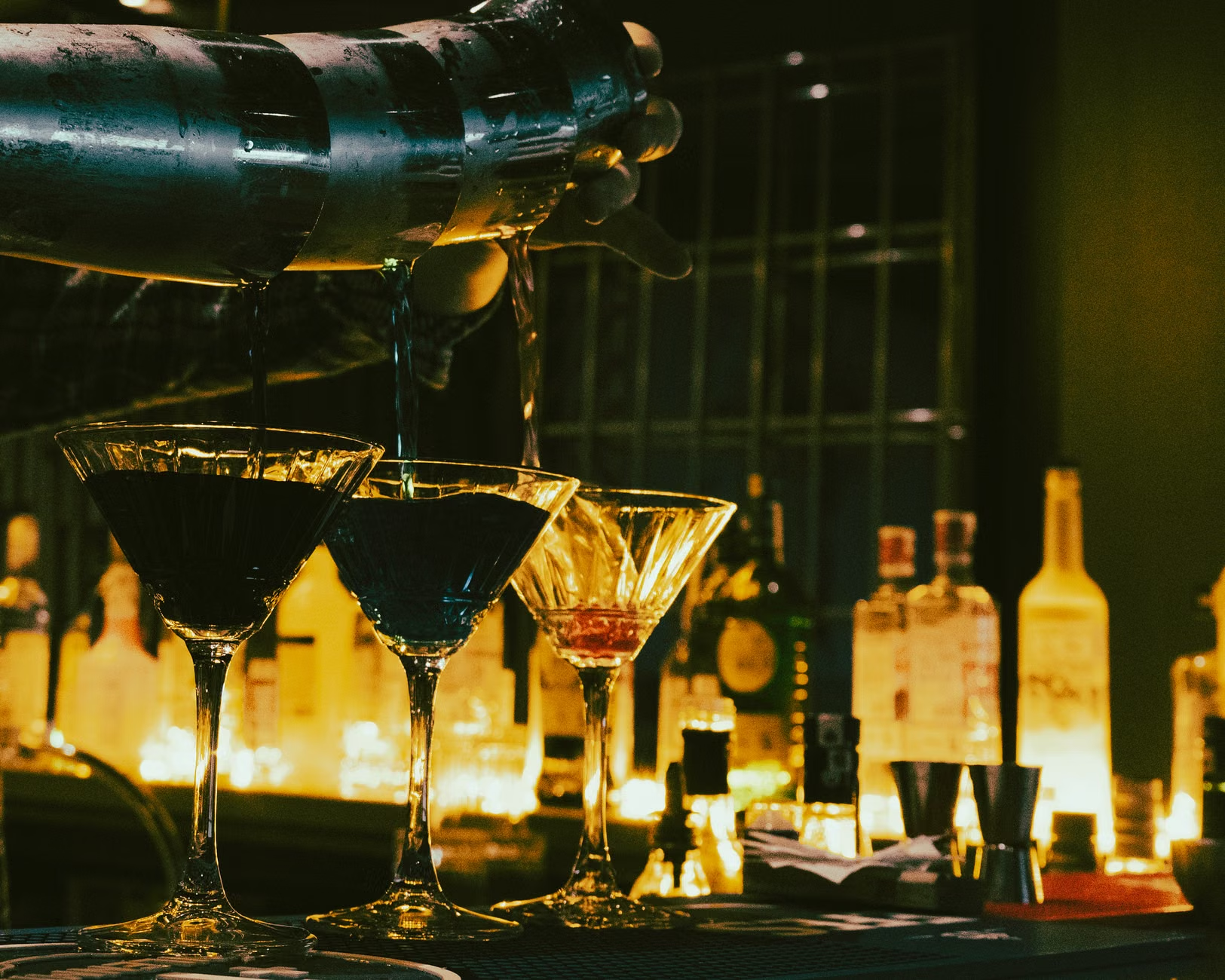
Many hosts are intimidated by the price of premium non-alcoholic spirits. Yes, a bottle of premium non-alcoholic gin can cost as much as a decent bottle of traditional gin. However, look at the total cost of ownership. You aren’t paying for the alcohol excise tax, which is often a significant portion of the cost of spirits. Furthermore, the risk profile of your event changes significantly when you reduce the total alcohol intake.
If you are managing an event budget, consider the “50/50 approach.” If you are expecting 50 guests, don’t feel obligated to stock a full bar of every possible option. Instead, curate a menu of two alcoholic signatures and two non-alcoholic signatures. This limits your inventory waste and forces a higher quality of selection for both categories.
Common Mistakes to Avoid
One of the most frequent errors is the “Sugar Trap.” Many commercial mocktails are essentially fruit juice and simple syrup. After one of these, guests feel bloated and tired, which is the exact opposite of the desired effect of a professional event. Always prioritize dry, bitter, or savory ingredients over sweet ones.
Another mistake is failing to train your staff. If you are hiring bartenders or catering staff, they must know how to describe the non-alcoholic menu. If a server says, “Oh, that’s just the fake gin,” they have effectively devalued your entire beverage program. Train them to say, “This is a non-alcoholic botanical distillate with notes of juniper and citrus.” The language matters.
Finally, avoid the “stealth” approach. You don’t need to hide the fact that a drink is non-alcoholic, but you also don’t need to draw attention to it. List the zero-proof options on the menu with the same font, size, and prominence as the alcoholic ones. Treat them as equals.
The Cultural Shift in Professional Networking
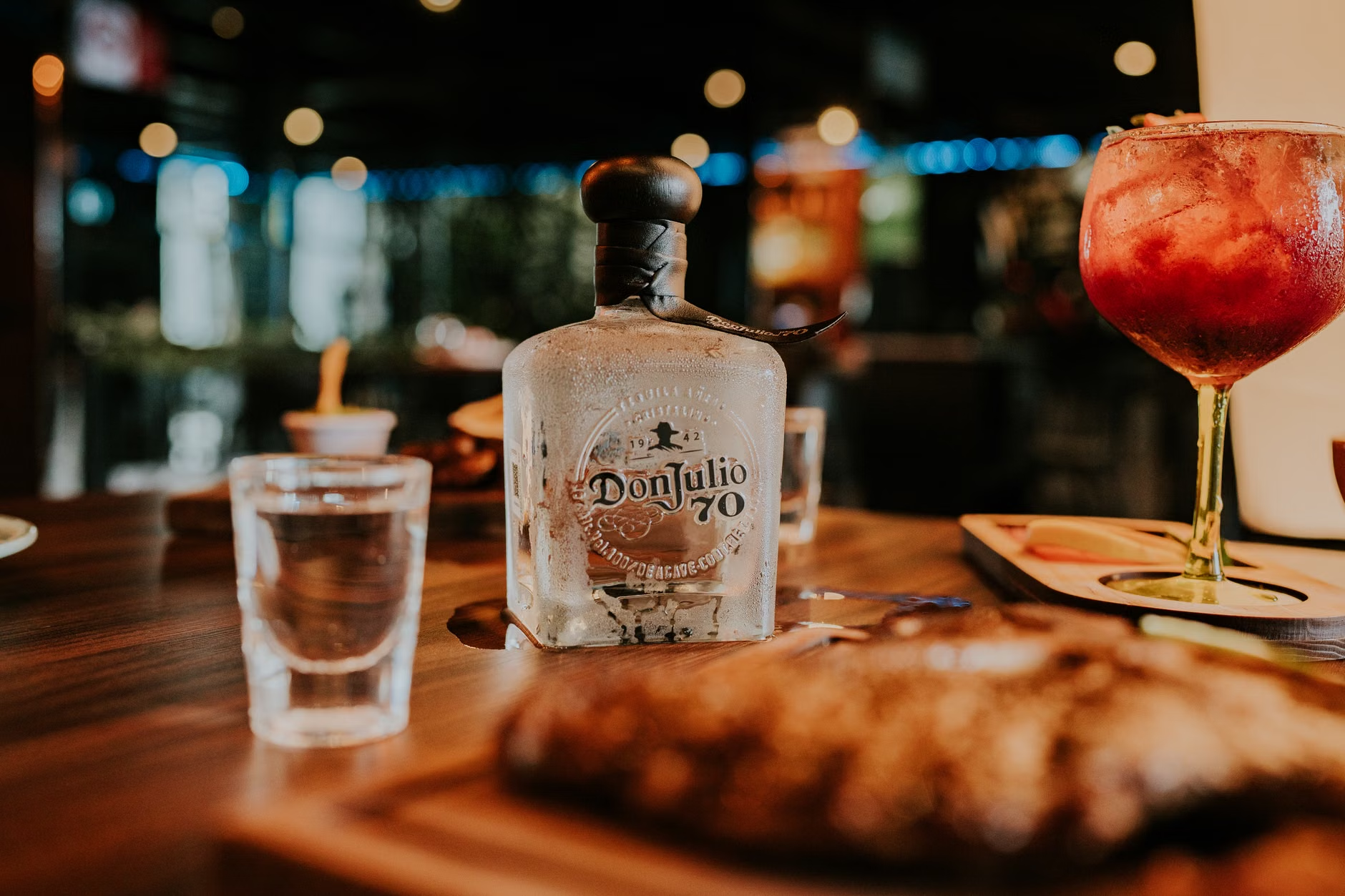
We are living through a period where the “liquid lunch” or the “late-night bar session” is being replaced by more intentional, health-conscious networking. For those in their 30s and 40s, the trade-off between a late night and a productive morning is a constant calculation. By providing high-quality zero-proof options, you are actually being a more considerate host. You are acknowledging that your guests have lives, families, and professional commitments that require them to be sharp the next day.
When you host an event where the non-alcoholic options are as good as the alcoholic ones, you create a more inclusive environment. You stop the “Why aren’t you drinking?” conversation before it starts. This allows the focus to remain on the professional purpose of the event—networking, celebration, or strategy—rather than the beverage choices of the attendees.
Practical Implementation Strategy
If you are planning an event next month, follow this implementation framework to ensure success:
- Survey your needs: Ask for dietary restrictions, but don’t ask, “Are you drinking?” Instead, ask, “Do you have any beverage preferences we should be aware of?”
- Source local: Check for local producers of non-alcoholic spirits. Many regions now have craft botanical producers that are far better than mass-market options.
- Test the recipe: Never put a drink on the menu without tasting it first. Ensure it isn’t too sweet and that it pairs well with the food you are serving.
- Label clearly: On your printed menu, use a simple asterisk or a “Zero-Proof” header. It doesn’t need to be a lecture; it just needs to be clear.
- Manage the ice: If you are serving premium zero-proof drinks, the quality of your ice matters. Clear, large-format ice cubes make a drink feel premium. It’s a small detail that your guests will notice.
Remember that the goal is not to “fix” the event, but to elevate it. A professional event is a reflection of your brand or your team’s values. By offering a sophisticated, inclusive beverage program, you are signaling that your organization is forward-thinking and attentive to the diverse needs of its people.
Addressing Potential Concerns
One common concern is the “social signal” of non-alcoholic drinks. Some worry that guests will feel “less than” if they aren’t drinking alcohol. This is why the presentation is so critical. As mentioned, the glassware is the most important tool in your arsenal. If everyone is drinking out of the same high-end stemware, the social distinction between alcohol and non-alcohol disappears.
Another concern is the availability of ingredients. If you are in a remote location or a region where these products aren’t available, rely on high-quality tea infusions or house-made bitters. A cold-brewed Earl Grey tea with a splash of tonic and a lemon twist is a remarkably sophisticated and professional drink that requires zero specialty ingredients.
Finally, be aware of the “bitter” threshold. Some people simply do not like bitter drinks, whether they contain alcohol or not. Always have a “bright and citrusy” option (like a lemonade with fresh mint) alongside a “dark and moody” option (like a spiced tea or a non-alcoholic spirit with a heavy garnish) to cover all bases.
Conclusion: The Future of Professional Hosting
The “zero-proof” movement is not a temporary fad; it is a permanent evolution in how we conduct professional social interactions. The days of binary choices are over. By investing time and effort into your non-alcoholic offerings, you are doing more than just serving drinks—you are creating an environment where every guest feels respected, included, and valued.
Start small if you have to. Pick one signature zero-proof cocktail, ensure it is served in beautiful glassware, and name it on your menu. You will be surprised by how many of your “drinking” guests will order it, simply because it sounds delicious. And that is the ultimate goal: to move the conversation from “why are you not drinking” to “that looks amazing, what is in that?”
Prioritize quality, respect the ritual, and treat your non-alcoholic menu with the same level of professional care as your wine list. Your guests, your team, and your event’s reputation will thank you for it.
Frequently Asked Questions
Q: Are non-alcoholic spirits completely alcohol-free?
A: Most premium non-alcoholic spirits are categorized as “0.0% ABV,” meaning they are completely free of alcohol. However, some products labeled “non-alcoholic” may contain trace amounts of alcohol (less than 0.5% ABV, similar to kombucha or ripe fruit). Always check the label if you are catering to guests who are strictly avoiding alcohol for health or religious reasons.
Q: How do I handle guests who ask for a “mocktail” in a way that doesn’t sound childish?
A: The terminology you use on your menu is the best way to handle this. Instead of using the word “mocktail”—which can sound juvenile—use terms like “Zero-Proof,” “Botanical Blends,” “Non-Alcoholic Cocktails,” or “Spirit-Free Creations.” These terms sound professional and align with the sophisticated nature of the drinks you are serving.
Q: Is it okay to use store-bought mixers like ginger ale or tonic?
A: Absolutely, but the quality of the mixer becomes the quality of the drink. If you are using a standard, high-fructose corn syrup ginger ale, you are limiting the sophistication of your drink. Opt for premium, small-batch tonics and ginger beers that use natural sugars and botanicals. They make a significant difference in the final flavor profile and the overall impression you make on your guests.
For further information on responsible hosting and beverage standards, you can refer to the World Health Organization’s guidelines on alcohol and health, which provide context on the global shift toward healthier beverage choices.