The most successful zero-proof gathering isn’t about what you remove from the menu, but the intentionality you add to the experience. When you host without alcohol, you aren’t just cutting out a beverage; you are shifting the focus of your social event from the intoxication of the crowd to the quality of the conversation and the complexity of the flavors.
- Flavor over Substitute: Focus on “botanical complexity” rather than trying to mimic the exact taste of alcohol, which often falls flat.
- Glassware is the “Social Signal”: Serving non-alcoholic drinks in high-quality glassware removes the feeling of “missing out” and signals that the drink is a deliberate choice.
- The 3-Tier Rule: A successful menu includes a house-made shrub, a premium bottled non-alcoholic spirit, and a sparkling botanical infusion to cater to different palate preferences.
Why the “Zero-Proof” Shift Matters for Your 30s and 40s
If you are in your 30s or 40s, you’ve likely noticed a change in the rhythm of your social life. The late-night bar crawls of your 20s have been replaced by dinner parties, weekend brunches, or backyard gatherings where the morning after—and the responsibilities of parenting or work—take precedence. This isn’t just about “giving up” alcohol; it’s about optimizing your social life for clarity, wellness, and better memories.
The “zero-proof” movement is not a temporary trend; it is a fundamental shift in how we view social lubrication. Many people are realizing that alcohol often masks the effort put into a host’s menu. When you serve a drink that is thoughtfully crafted, you invite your guests to appreciate the notes of ginger, the bitterness of cinchona, or the brightness of citrus in a way they never would with a standard glass of wine.
Furthermore, from a host’s perspective, the zero-proof approach solves the classic “designated driver” dilemma. When every drink on the table is non-alcoholic, the social playing field is leveled. No one is left with a glass of tap water while others indulge, and the conversation remains sharp and inclusive for the entire evening.
Setting the Stage: The Philosophy of the Zero-Proof Bar
The biggest mistake hosts make is treating non-alcoholic options as an afterthought—usually a lonely bottle of soda or a sugary juice box tucked in the back of the fridge. To host a zero-proof gathering that feels premium, you must treat your non-alcoholic bar with the same respect as a traditional liquor cabinet.
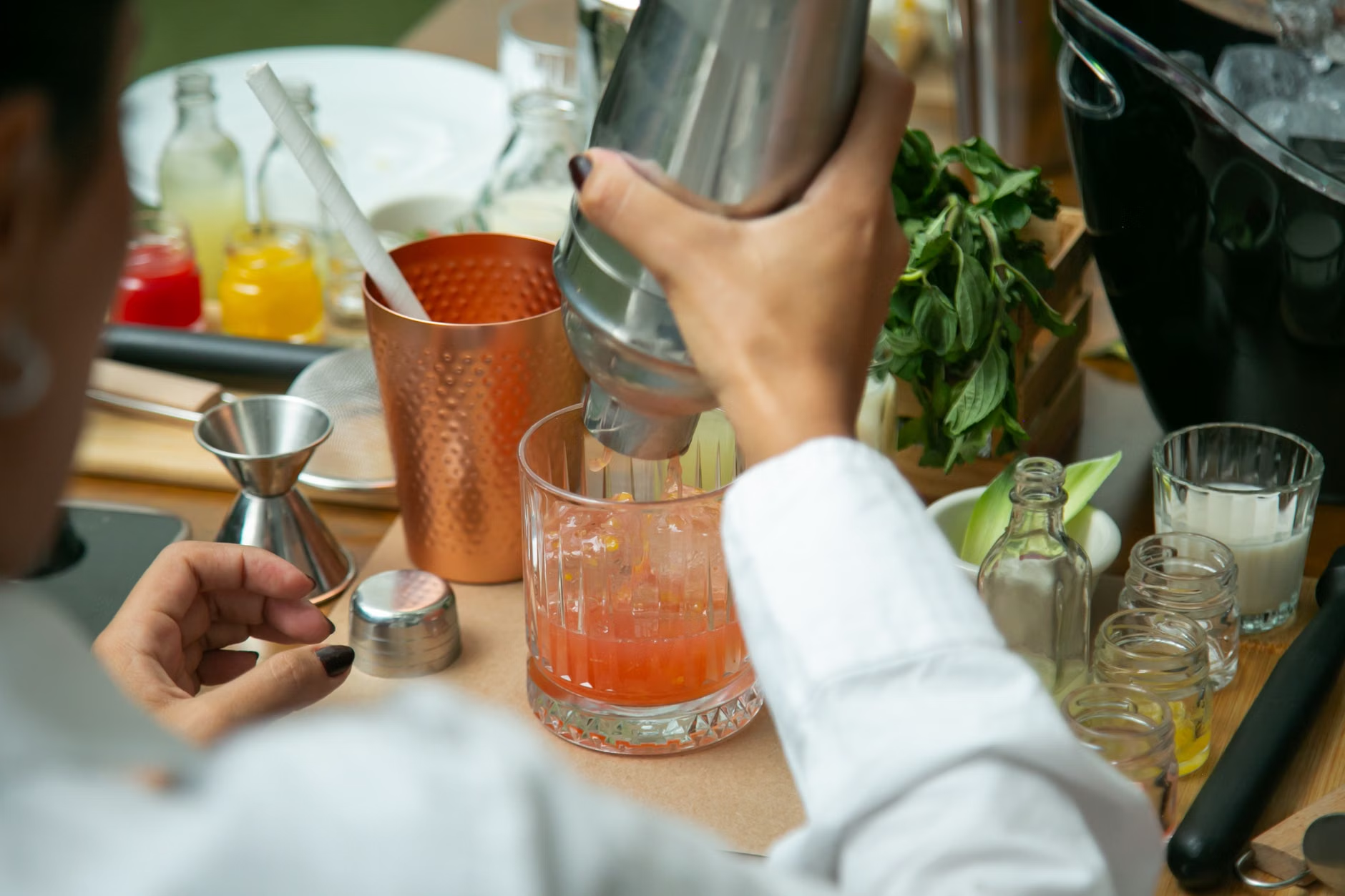
The “Ritual” Factor: A drink is 50% flavor and 50% ritual. The act of stirring, shaking, and garnishing is what signals to the brain that we are transitioning from “chores” to “social time.” Even if you aren’t serving alcohol, you should maintain the ritual. Use a jigger to measure ingredients, use a shaker to incorporate air into juices, and always use fresh garnishes.
The “Botanical” Mindset: When selecting your ingredients, look for complexity. Alcohol provides “burn” and “mouthfeel” that water-based drinks often lack. You can mimic this by incorporating ingredients that provide:
- Bitterness: Gentian root, dandelion, or high-quality quinine.
- Spice: Fresh ginger, peppercorns, or cardamom pods.
- Acidity: Verjus (the juice of unripened grapes) or high-quality drinking vinegars (shrubs).
By focusing on these three pillars, you create a drink that requires sipping rather than gulping, which mirrors the pace of a traditional cocktail.
Building Your Menu: A Three-Tiered Approach
You don’t need to be a chemist to build a great menu. Use this framework to ensure you have something for every guest, regardless of their preference.
| Category | What it is | Best for… |
|---|---|---|
| The Shrub | A mixture of fruit, sugar, and vinegar. | Guests who like “sweet and sour” profiles. |
| The Botanical Spirit | Distilled non-alcoholic spirits (e.g., Seedlip or Lyre’s). | Guests looking for a sophisticated, “grown-up” flavor. |
| The Sparkling Infusion | Tea-based or herbal sparkling waters. | Light, refreshing pairings for dinner. |
The Shrub Secret: Shrubs are the secret weapon of the zero-proof host. They provide the acidity that alcohol usually carries. To make a simple berry shrub, macerate one cup of berries with one cup of sugar for 24 hours, strain, and whisk in a quarter-cup of apple cider vinegar. Top with sparkling water. It is inexpensive, shelf-stable, and incredibly impressive to guests.
Working with Distilled Non-Alcoholic Spirits: These products are designed to be used as a base. They are not meant to be drunk neat. Treat them like a gin or vodka substitute. If you are serving a “zero-proof G&T,” use a high-quality tonic water, as the tonic provides the quinine bitterness that the spirit lacks.
Managing Social Dynamics and Expectations
Hosting a zero-proof event can sometimes feel intimidating if you are used to the “wine with dinner” social contract. Here is how to navigate the social friction:
The “No-Apology” Rule: Never apologize for the lack of alcohol. If you start your evening by saying, “Sorry, I’m not serving any booze tonight,” you immediately set a tone of restriction. Instead, say, “I’ve put together a really special menu of botanical drinks for tonight.” The difference in perception is massive.
The “BYOB” Pivot: If you are hosting a large group and you aren’t sure if everyone is on board with a zero-proof event, you can opt for a “hybrid” bar. Keep the zero-proof options as the *feature* of the night, and place a limited selection of wine or beer in a separate area. However, be prepared: if your zero-proof drinks are truly delicious, you’ll find that even the “alcohol-preferred” guests will gravitate toward them because they are complex and leave them feeling refreshed rather than sluggish.
Planning for the “Transition”: If your gathering is in the evening, provide a “wind-down” drink. As the night wraps up, switch from the complex, bitter botanical drinks to something warmer, like a spiced rooibos tea or a decaf espresso tonic. This signals the end of the event and helps guests feel relaxed rather than over-stimulated.
Common Mistakes to Avoid
Even with the best intentions, it is easy to fall into traps that make the evening feel lackluster. Here are three common pitfalls to watch out for:
1. The Sugar Trap: Many non-alcoholic drinks are essentially glorified fruit juices. If your menu is entirely sweet, guests will feel “sugar-crashed” within an hour. Always balance your menu with bitter, savory, or spicy elements. If a drink tastes too sweet, add a dash of salt or a splash of citrus.
2. Ignoring Temperature: Alcohol carries flavor differently than water. When serving non-alcoholic drinks, temperature is your best friend. A warm mocktail is often unappealing. Ensure your glassware is chilled, and use large, clear ice cubes that melt slowly. A drink that waters down in 10 minutes loses its profile.
3. Under-Garnishing: In the world of mixology, the garnish is the first thing the guest tastes—via their nose. A sprig of slapped mint, a charred rosemary stalk, or a dehydrated citrus wheel adds aroma and visual elegance. Never skip the garnish; it is what elevates a “drink” to a “cocktail.”
The Economics of Zero-Proof Hosting
There is a misconception that non-alcoholic hosting is cheaper. While it *can* be, premium non-alcoholic spirits are often priced similarly to mid-range alcohol because of the distillation and extraction processes involved. However, the “value” you are providing is in the health and clarity of your guests.
If you are looking to keep costs down, focus on the “DIY” elements. Fresh-pressed juices, house-made syrups, and herbal infusions from your own garden are far more impressive and cost-effective than buying expensive pre-bottled mixers. A simple cucumber and basil simple syrup, mixed with club soda and a lime wedge, will outperform a $30 bottle of pre-mixed soda every time.
Decision Rule: If you are hosting a casual backyard BBQ, focus on high-volume, batch-prepared drinks like a large pitcher of hibiscus-ginger tea. If you are hosting an intimate dinner for four, invest in one high-quality non-alcoholic spirit to serve as a base for a signature cocktail, paired with a curated non-alcoholic wine or sparkling cider.
Why Your Guests Will Thank You
You might worry that your guests will be bored without alcohol. In reality, you are providing a service that many people in their 30s and 40s are secretly craving: a social environment where they can remain present. Parenting, career stress, and the sheer volume of daily tasks mean that many of your peers are already looking for ways to reduce their alcohol intake without sacrificing their social lives.
By hosting a zero-proof event, you are creating a “safe space” for people to relax without the pressure to drink. You will notice that the conversations become deeper, the laughter is more genuine, and the energy levels remain consistent throughout the night. It isn’t about the absence of something; it’s about the presence of better connections.
Actionable Next Step: For your next gathering, pick one “Signature Zero-Proof Cocktail.” Don’t try to stock a full bar. Master one drink. Perfect the garnish, find the right glass, and present it with confidence. Once you see how your guests respond to a well-crafted, alcohol-free beverage, you will find the confidence to expand your repertoire.
Frequently Asked Questions
1. How do I handle guests who insist they “need” alcohol to have fun?
Don’t debate the philosophy of drinking. Simply say, “I’m really excited about these botanical drinks I’ve prepared; I’d love for you to try this one.” Most people are curious about new flavors. If they are truly uncomfortable, they have the autonomy to bring their own, but you will find that 90% of guests are happy to participate in the menu you’ve curated once they see the effort involved.
2. Are non-alcoholic spirits actually healthy?
They are generally lower in calories than alcoholic spirits and eliminate the negative effects of ethanol. However, check the labels for added sugars. If you are concerned about health, focus on tea-based infusions, shrubs made with minimal sugar, or simple sparkling waters with fresh herbs and fruit.
3. What is the best way to store homemade shrubs and syrups?
Homemade shrubs (vinegar-based) can last for months in the refrigerator due to the acidity. Simple syrups (sugar and water) should be used within two weeks. Always keep them in airtight glass bottles and label them with the date to ensure freshness.
For further reading on the science of flavor and non-alcoholic mixology, explore the resources at Food & Wine’s guide to non-alcoholic cocktails, which offers excellent insights into balancing acidity and bitterness in your home bar.