Key Takeaways
- Depreciation is your biggest enemy: Buying pre-owned luxury items often saves you 30% to 60% of the retail price, effectively bypassing the initial “drive-off-the-lot” depreciation hit.
- Authentication is non-negotiable: In the current market, you must prioritize platforms that offer physical third-party verification to avoid the high risk of sophisticated counterfeits.
- Utility over status: For parents in their 30s and 40s, the best “luxury” investment is a durable, timeless piece that maintains its functional value rather than an ultra-trendy item that will lose resale potential within a season.
The most practical way to approach luxury in your 30s and 40s is to stop viewing it as a “splurge” and start viewing it as a managed asset. If you have ever looked at a designer price tag and felt the immediate sting of a month’s worth of childcare or a hefty portion of a mortgage payment, you aren’t alone. The second-hand luxury market has moved from a niche hobby for vintage collectors to a mainstream financial strategy for practical shoppers who want quality without the retail markup.
But here is the reality: not everything that is “pre-owned” is a bargain. In fact, some of it is a trap. If you are balancing a family budget, you cannot afford to buy a fake, and you certainly cannot afford to buy a bag that falls apart after six months of carrying diapers and snacks. Let’s break down how the second-hand market actually works, where the real value lies, and how you can navigate it without losing your shirt.
Why the Math of Second-Hand Luxury Finally Adds Up
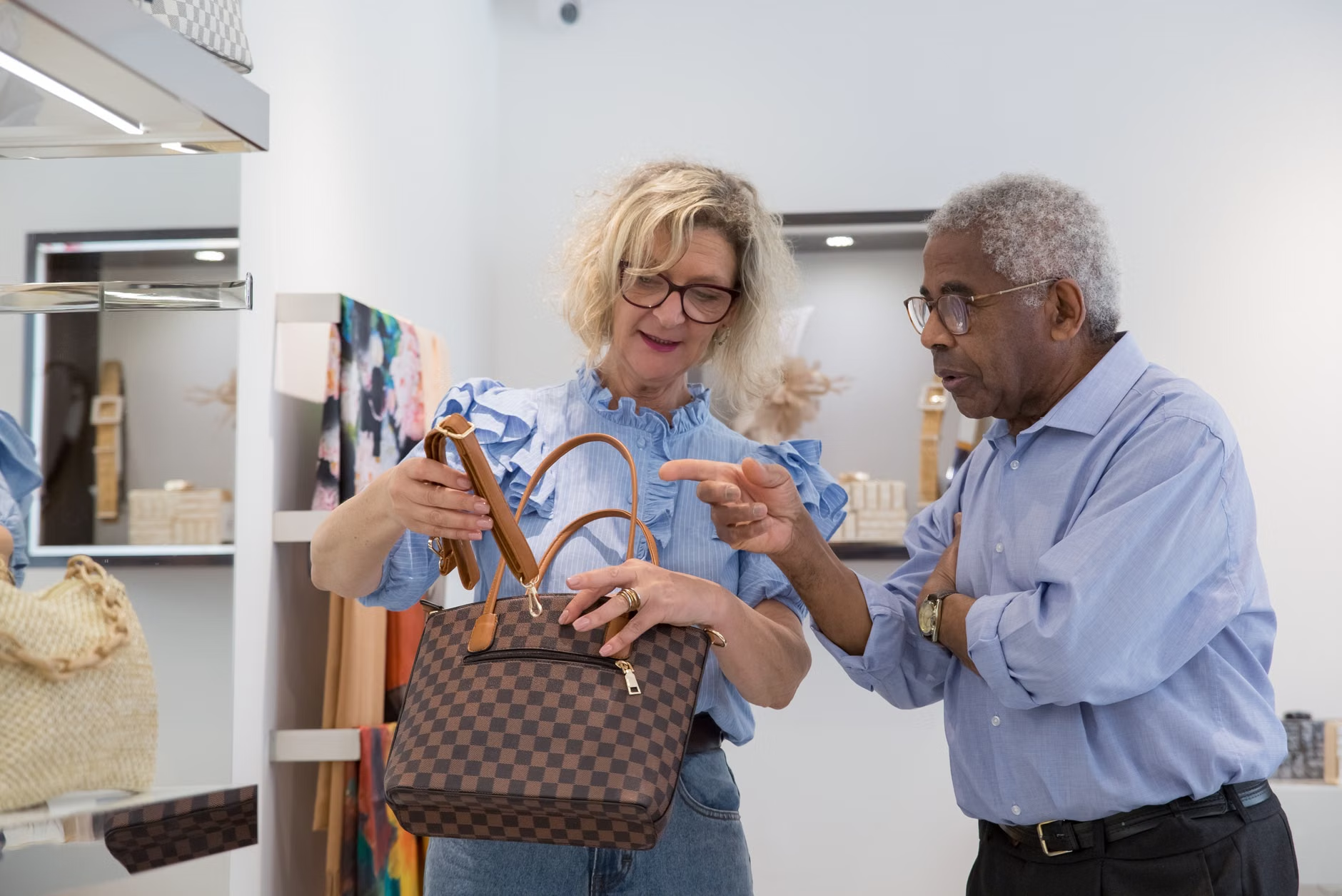
When you buy a luxury item at a boutique, you are paying for the brand’s marketing, the store’s rent on a high-street corner, and the brand-new packaging. You are also paying the “retail premium.” The moment you leave the store, that item’s value often drops by 20% to 40% in the resale market. By buying second-hand, you are effectively letting someone else take that initial depreciation hit for you.
For parents, this is a game-changer. You need items that are durable—materials like heavy-duty leather or high-denier nylon that can handle a spilled juice box or a rainy day at the playground. These items are often built to last decades, not just seasons. When you purchase a pre-loved item that has already survived its first five years of use, you are essentially buying a “proven” product. It has already been tested by time.
However, you must distinguish between depreciation-proof classics and seasonal trends. A seasonal bag with a trendy logo might be 50% off, but its value is likely to continue plummeting because the “cool factor” is tied to a specific year. A classic, neutral-colored leather tote, however, often retains its value or even appreciates if the brand keeps raising its retail prices. This is the “investment” side of the equation: if you buy well, you can often sell the item for nearly what you paid for it after using it for a few years.
The Hidden Risks: Authentication and Condition
The biggest mistake people make in the secondary market is assuming that “authentic” is easy to verify. It is not. Modern “super-fakes” are so well-made that even experienced retail employees have been fooled. If you are browsing marketplaces like Facebook Marketplace or random eBay listings, you are taking a massive risk. These platforms are notorious for low accountability.
What should you look for instead? You need to lean on platforms that act as an escrow and an authenticator. Companies like Rebag, Fashionphile, or Vestiaire Collective have built their business models on the fact that they physically inspect the item before it ever touches your hands. They have experts—or AI-powered verification systems—that check stitching, hardware weight, serial numbers, and material smell. If they get it wrong, they have a refund policy. This is the “insurance” you are paying for when you see a slightly higher price on these platforms compared to a private seller.
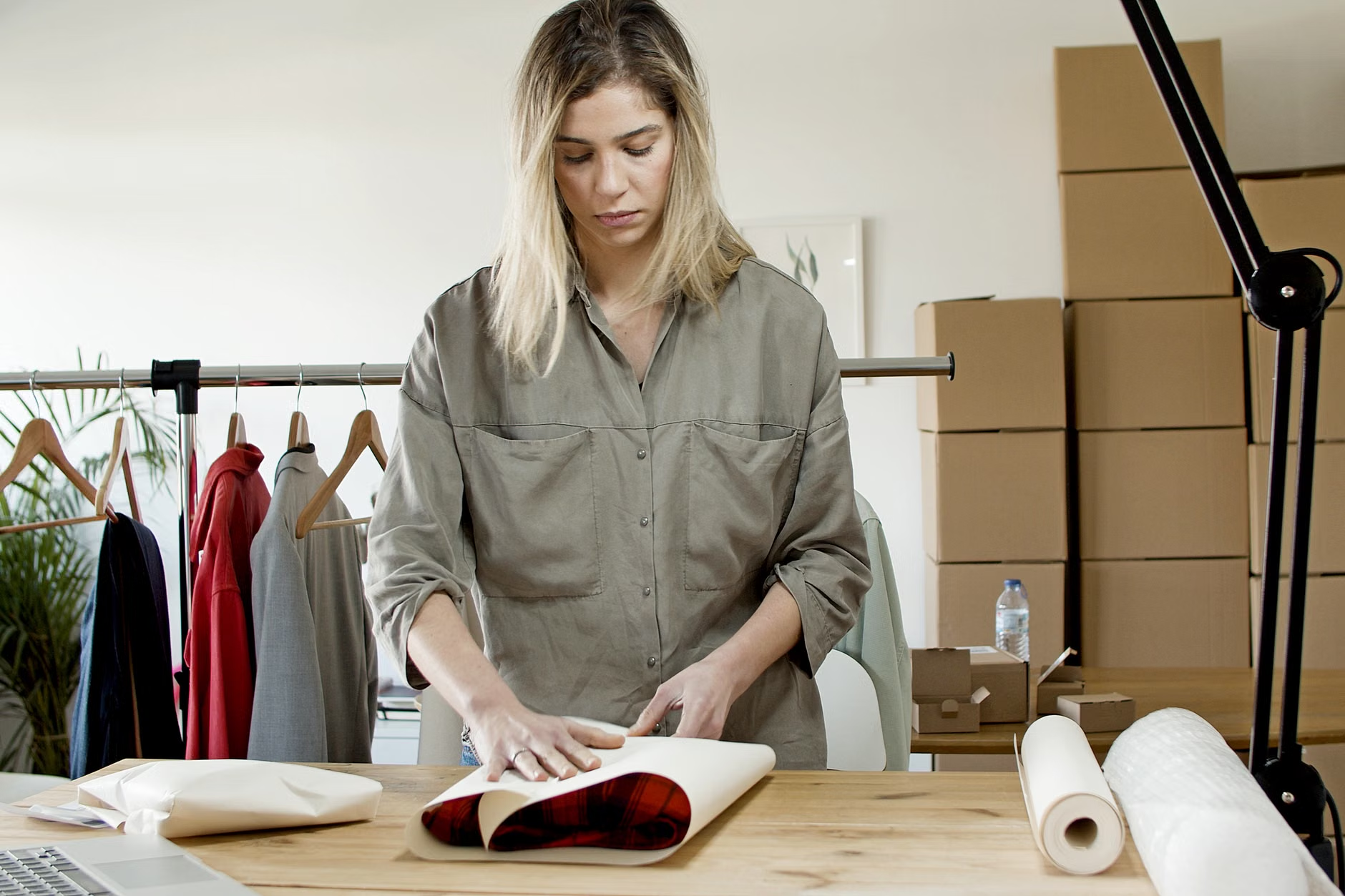
When evaluating the condition, remember to look at the “hidden” areas. The corners of bags are the first to show wear. If the seller doesn’t provide a photo of the bottom corners, ask for one. If the hardware (the zippers and clasps) is scratched or tarnished, it’s a sign of heavy use. For families, I always recommend looking for “excellent” or “very good” condition ratings. “Fair” condition usually means you will be spending more money at a professional leather spa to get it back to a usable state, which negates the savings you thought you were getting.
Strategic Shopping: The “Parenting-Proof” Criteria
If you are a parent, your bag or accessory needs to work for your lifestyle. If you are constantly chasing a toddler, you probably need a crossbody bag that keeps your hands free. If you are commuting, you need a tote that can hold a laptop and a water bottle. Do not buy a delicate silk-lined clutch just because it’s a “good deal.” It will sit in your closet and gather dust, which is the worst possible use of your money.
Here is a simple decision matrix for your next purchase:
| Feature | What to Look For | Why It Matters for Parents |
|---|---|---|
| Material | Full-grain leather or durable canvas | Easier to wipe down and resists scuffs. |
| Hardware | Solid brass or steel, no heavy logos | Less likely to chip or look dated over time. |
| Structure | Structured, flat-bottomed bags | They stand up on their own, which is vital in a cafe or at a school desk. |
| Color | Neutral (Black, Tan, Navy) | Hides stains and matches everything in your wardrobe. |
The “common mistake” here is ignoring the weight of the bag. A beautiful, heavy chain-strap bag might look great in a photo, but try carrying it for three hours while juggling a diaper bag and a child’s hand. You will stop using it within a week. Always check the item dimensions and look for weight descriptions if available.
Beyond Bags: The Growing Market for Pre-Owned Watches and Jewelry
While handbags get all the attention, the second-hand market for watches is arguably more stable. A luxury watch from a reputable brand like Omega, Cartier, or Tudor often holds its value better than almost any other consumer good. If you are in your 30s or 40s, buying a pre-owned watch is often a way to celebrate a career milestone without the 30% retail markup.
The key here is service history. A watch is a machine. If it hasn’t been serviced in ten years, it will need an overhaul that can cost anywhere from $500 to $1,000. When buying, always ask: “When was the last time this was serviced, and do you have the receipt?” If the seller cannot answer, factor an immediate service cost into your budget before you click ‘buy’.
Jewelry is slightly different. Gold and diamonds have intrinsic value, but the “brand premium” (the markup for a famous designer name) can be massive. Often, you are paying 70% for the brand and 30% for the materials. When buying pre-owned jewelry, you are actually getting closer to the “real” value of the gold and stones. Just ensure you take the item to a local jeweler to have the prongs checked. A loose diamond is a disaster waiting to happen.
Actionable Steps to Start Your Second-Hand Journey
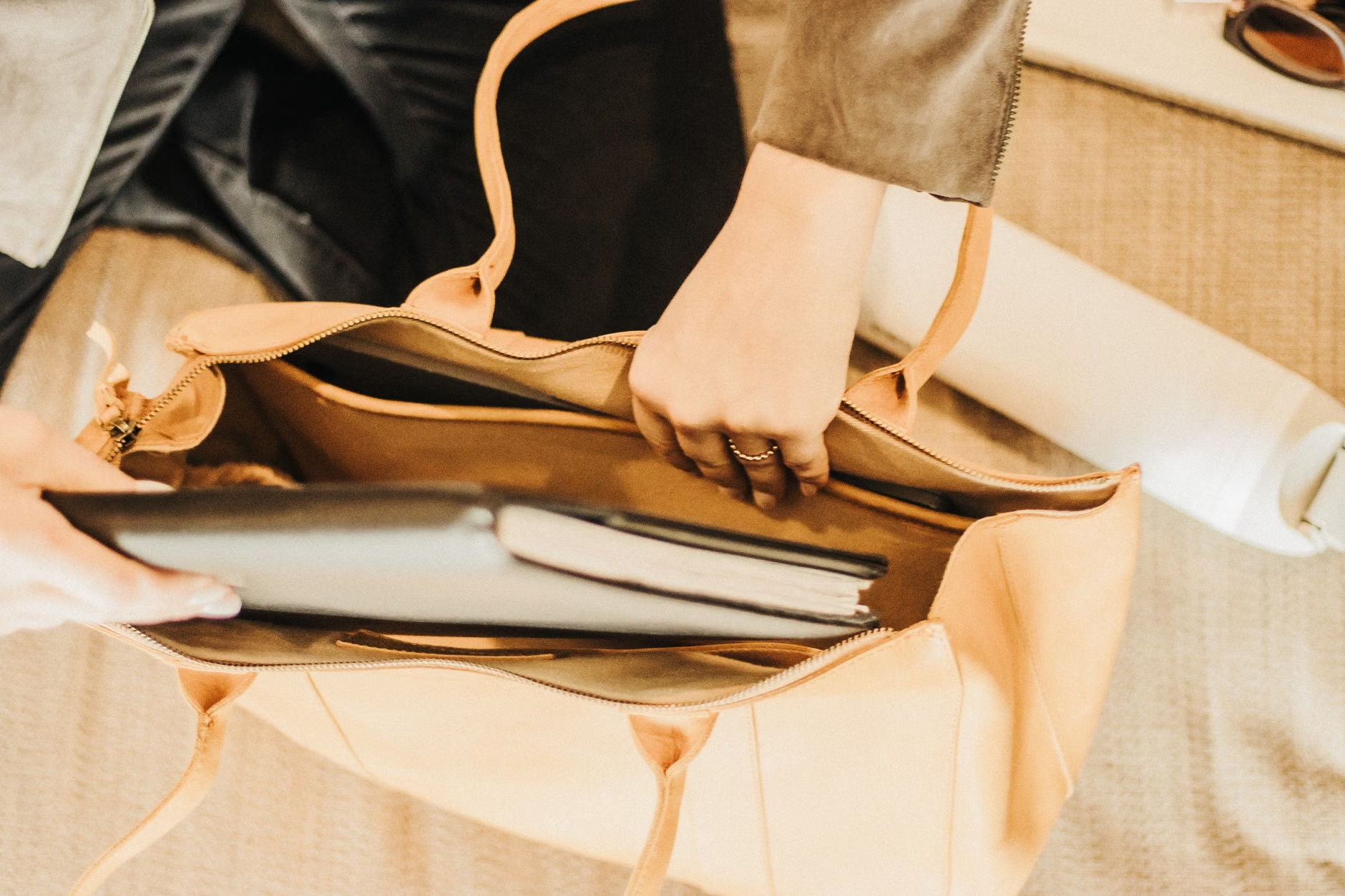
If you are ready to make your first purchase, do not just dive into the deep end. Start by observing. Pick three items you love, and track their prices on platforms like The RealReal or Rebag for a month. You will quickly learn what a “good” price looks like versus a “desperate” price. This prevents you from making an emotional, impulsive purchase.
- Set a clear budget: Decide exactly how much you are willing to lose if the item doesn’t work out. If you treat it like an investment, you will be more careful.
- Check the return policy: Never buy final sale for your first few purchases. If the item doesn’t look like the photos, you need the right to send it back.
- Ask for a “fit” check: If you are unsure about the size, find a local store that stocks the brand, try on a similar size, and then go home and search for that specific model second-hand.
- Document everything: The moment your item arrives, film yourself opening the box. This is your insurance policy if the item is damaged or not as described.
One overlooked variable is the cost of maintenance. High-end leather needs conditioning. Suede needs protection. If you buy a pre-owned item, budget an extra $50 to $100 for a professional cleaning kit or a visit to a cobbler. A little bit of care at the start can double the lifespan of your purchase.
Final Thoughts: The Logic of “One In, One Out”
The most sustainable way to manage a luxury collection is the “one in, one out” rule. If you buy a new bag, sell an old one that you haven’t used in a year. This keeps your closet lean and your budget liquid. For parents, this is especially helpful because our needs change—a diaper bag is essential when your child is two, but it becomes a bulky burden when they are six. Selling that bag to fund your next, more “grown-up” purchase is the smartest way to keep your style evolving without constantly draining your bank account.
Luxury is not inherently bad for your finances; it is only bad when it is managed poorly. By shifting to the pre-owned market, you are participating in a circular economy, getting higher quality for less money, and learning the value of items that are built to last. Take your time, do your research, and don’t be afraid to walk away from a deal that feels “off.” The right piece will come along, and when it does, you will appreciate it all the more because you bought it with your head, not just your heart.
Frequently Asked Questions
1. Is it risky to buy luxury items online?
Yes, if you buy from unverified individual sellers. The risk is minimized significantly when you use established platforms that provide a professional authentication guarantee. Always check their specific authentication process—do they use human experts or just software? Human experts are generally more reliable for high-value items.
2. How do I know if the price I’m paying is fair?
Use price-tracking tools or simply search for the same model on multiple competing resale sites. If the price is significantly lower than the average on three other sites, it is either a fake or in poor condition. Use the “sold” listings on eBay to see what people are actually paying, not what sellers are asking.
3. What if I buy something and decide I don’t like it?
That is the beauty of buying pre-owned. Because you didn’t pay the full retail price, you can often resell the item on the same platform you bought it from for a minimal loss. Treat the “loss” as a rental fee for the time you had the item. It is a much cheaper lesson than buying at full retail price and losing 40% the moment you walk out of the store.
For more information on identifying authentic luxury goods, visit official brand resources like Hermès’ guide on authenticity or similar informational pages from your preferred luxury houses. Always prioritize platforms that offer verified, third-party inspection services.