The most successful festive gathering today isn’t defined by the alcohol content on the table, but by the level of intentionality you put into the guest experience for everyone, regardless of what they are drinking.
- The “Zero-Proof” Shift: Modern hosting is shifting toward “inclusive hospitality,” where the non-alcoholic option is a primary feature, not an afterthought.
- Quality Over Complexity: You don’t need a degree in mixology to impress; focusing on high-quality ingredients and beautiful presentation is more effective than complicated recipes.
- The Social Dynamic: By removing the pressure to drink, you create a more relaxed environment that honors the realities of busy 30- and 40-somethings who value quality sleep and mental clarity.
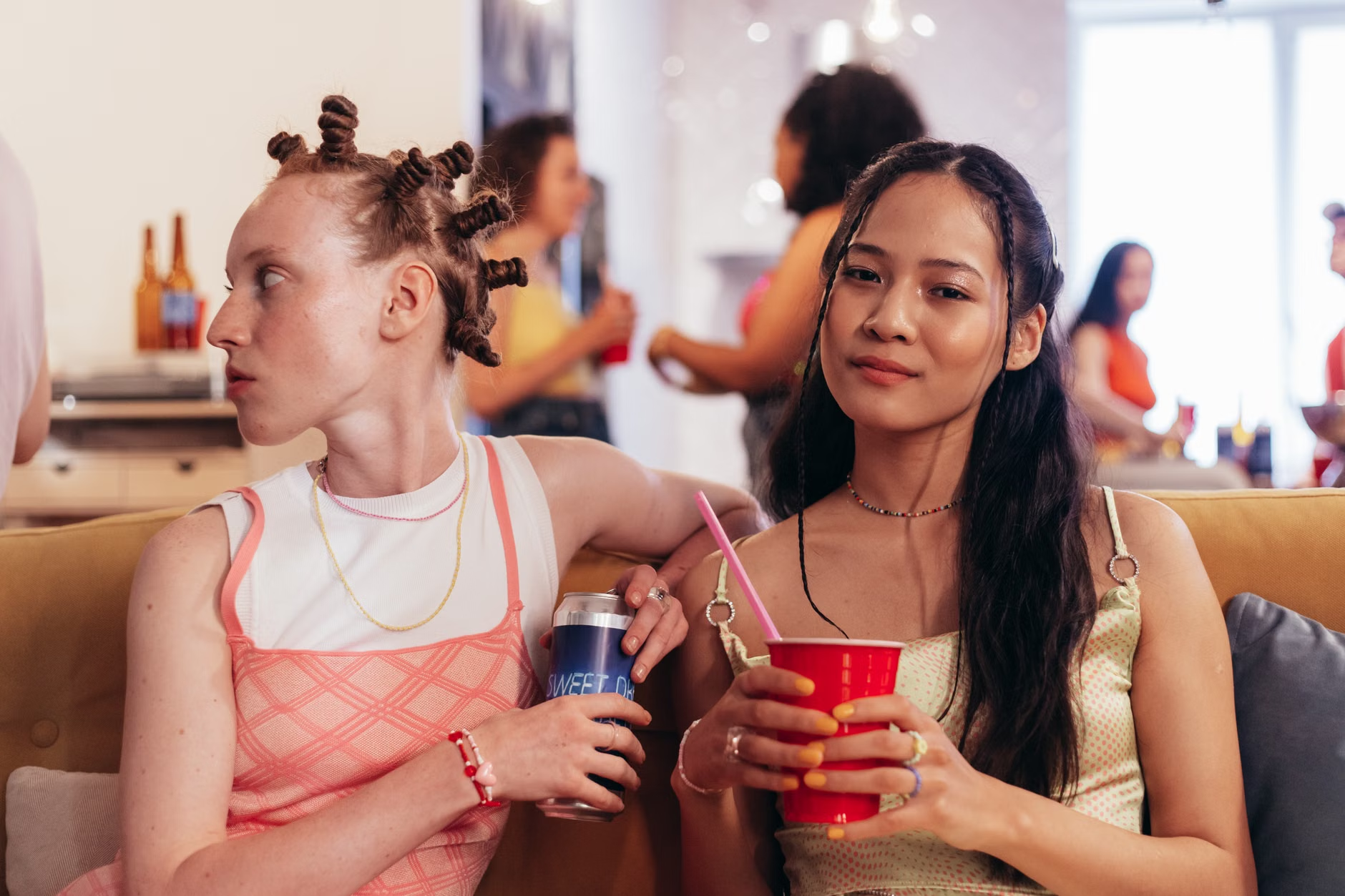
If you are in your 30s or 40s, you’ve likely noticed a shift in your friend group’s social habits. Whether it’s due to training for a 10k, early morning parenting duties, or simply a desire to feel better on a Sunday, more people are opting out of alcohol. As a host, the challenge is how to make a “zero-proof” event feel just as festive, celebratory, and “adult” as a traditional cocktail party.
Why “Zero-Proof” Hosting is the New Gold Standard
Hosting used to imply a standard rotation of wine, beer, and perhaps one token soda for the designated driver. Today, that approach feels dated. When you prioritize a zero-proof menu, you are acknowledging a cultural shift toward wellness and intentional living. This isn’t about abstinence; it’s about providing a high-quality alternative that feels like a treat rather than a compromise.
For parents and busy professionals, the “hangover cost” is simply too high. A Friday night gathering that leaves everyone feeling refreshed on Saturday morning is a massive value-add to your guests’ lives. When you treat non-alcoholic drinks with the same respect as a fine wine—using proper glassware, garnishes, and intentional flavor profiles—you communicate that you value your guests’ comfort and choices.
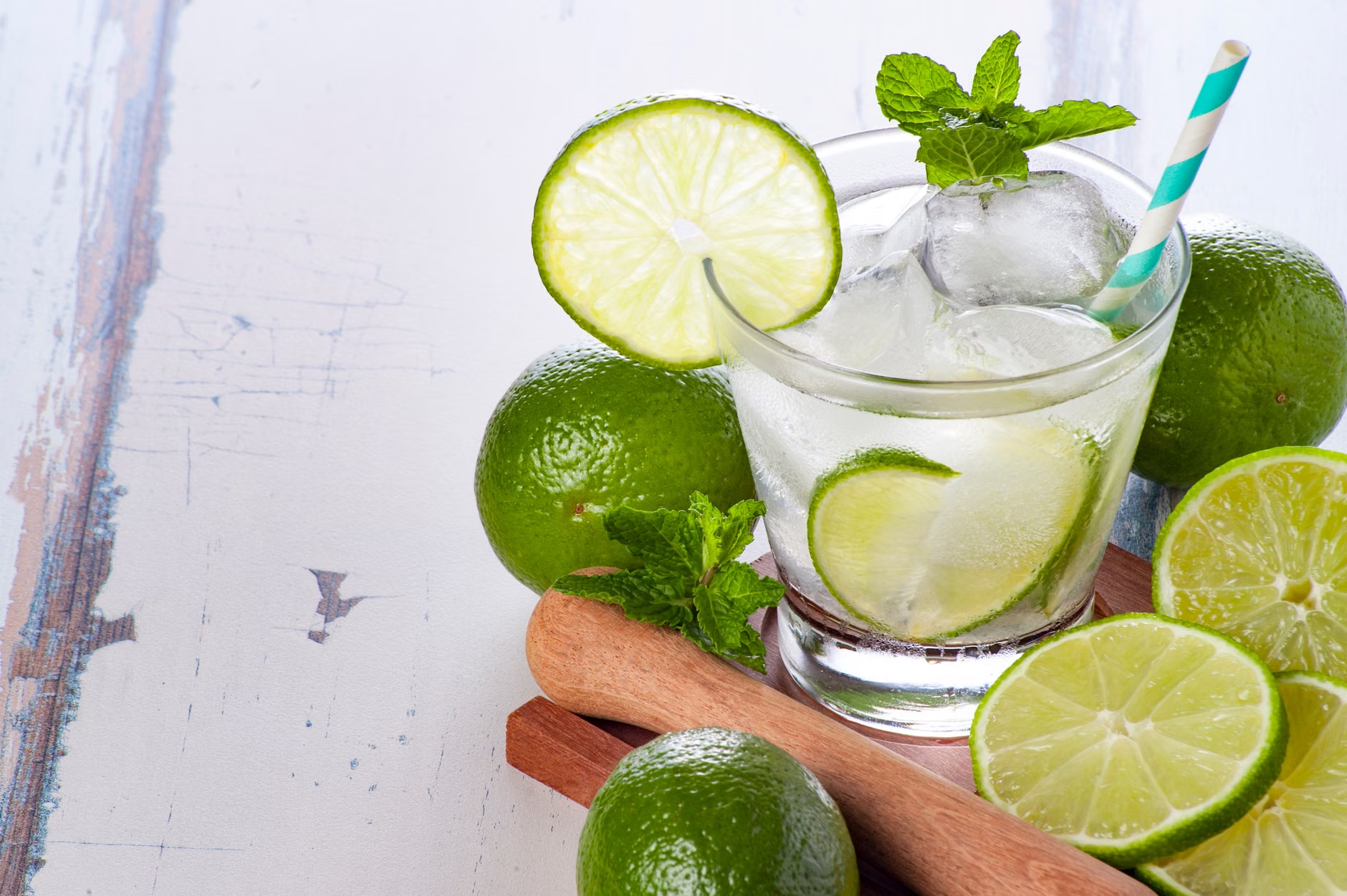
Designing Your Zero-Proof Menu: The Rule of Three
A common mistake hosts make is trying to recreate every single alcoholic cocktail with a non-alcoholic substitute. This often results in syrupy, overly sweet drinks that don’t satisfy the palate. Instead, aim for three distinct categories of beverages to ensure you have something for everyone.
1. The “Aperitif” Style (Bitter and Complex)
Alcoholic drinks often rely on bitterness to provide depth. To replicate this, use ingredients like tonic water, bitters (check labels, as some contain trace alcohol), or non-alcoholic botanical spirits. These are perfect for starting the evening and stimulating the appetite.
2. The “Sparkling & Refreshing” Style
Think of these as the “celebratory” drinks. Use high-quality sparkling water as a base and infuse it with house-made simple syrups (rosemary-grapefruit, blackberry-thyme, or ginger-lemongrass). These look stunning in a champagne flute and feel light enough to drink throughout a long conversation.
3. The “Comforting & Savory” Style
As the evening winds down, or for colder weather, offer something with more body. A warm spiced apple cider or a chilled, clarified tomato-based drink can provide the depth that guests might miss from a glass of red wine.
| Drink Type | Best For | Key Ingredient |
|---|---|---|
| Botanical Tonic | Pre-dinner socializing | Non-alcoholic spirit or high-quality tonic |
| Fruit-Herb Fizz | Casual mingling | Fresh herbs + sparkling water |
| Spiced Infusion | Late-night winding down | Cinnamon, clove, or ginger |
Creating a Self-Serve “Mocktail Bar”
The biggest hurdle in hosting is often the time spent behind the bar. By setting up a self-serve station, you empower your guests and reduce your own workload. This is a crucial strategy for the 30-40 age demographic, where the host is often also managing kids or organizing food.
The “Bar” Setup Checklist:
- Glassware: Use real glass, not plastic. The weight of the glass contributes significantly to the “event” feel.
- Ice Matters: If you really want to impress, use large clear ice cubes. They melt slower and look infinitely more professional.
- Garnish Station: Provide bowls of fresh rosemary, mint, citrus wheels, and edible flowers. This allows guests to personalize their drinks.
- The “Cheat Sheet”: Print a small, elegant menu card that suggests combinations. For example: “Sparkling Water + Rosemary Syrup + Grapefruit Slice.”
The Hidden Logic of Pairings
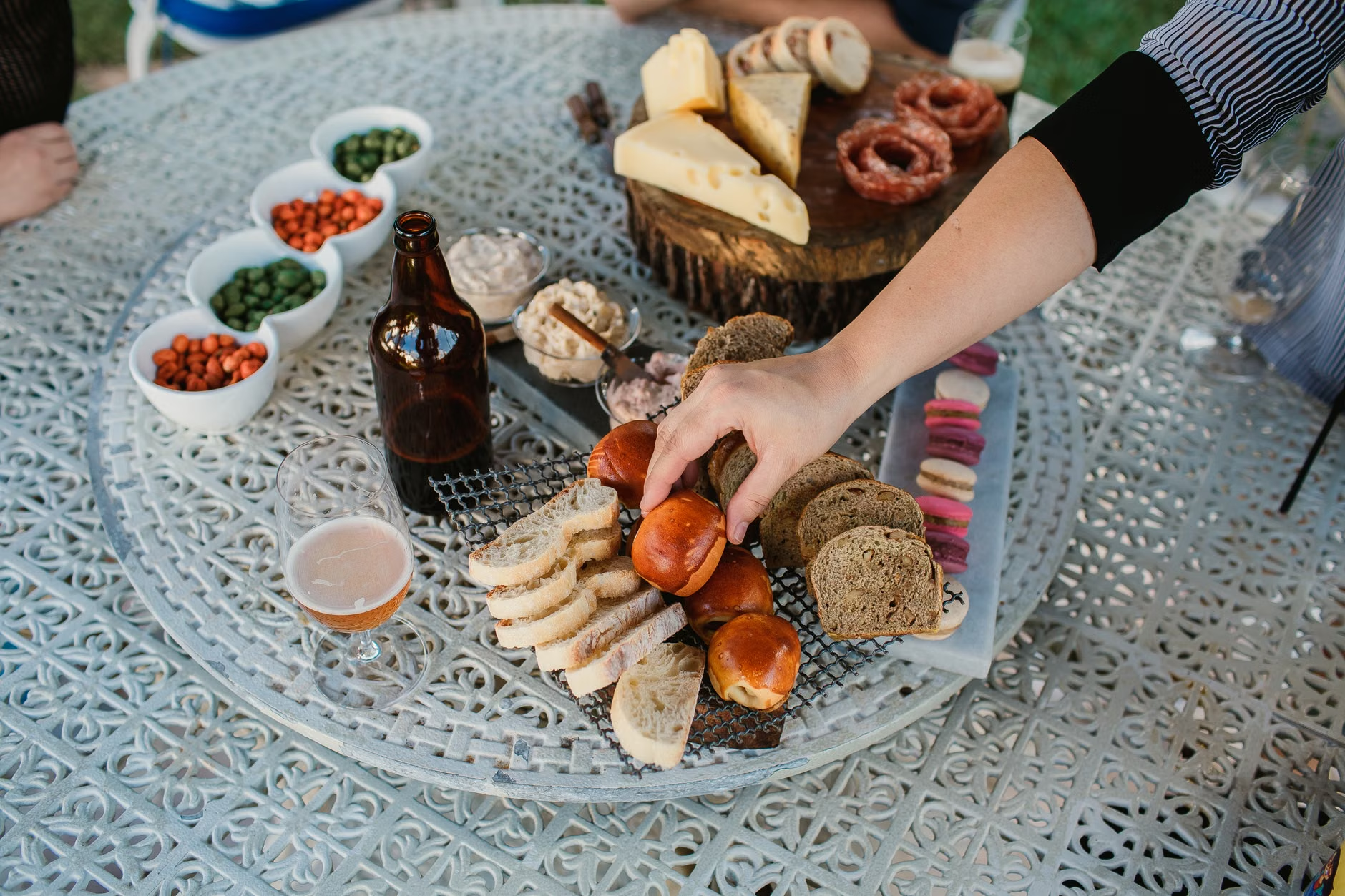
Just as you would pair a heavy red wine with steak, you must pair your non-alcoholic drinks with the food you serve. This is where most hosts fail. If you are serving a salty charcuterie board, a sugary soda will clash terribly. You need something with acidity or bitterness to cut through the fat and salt.
Decision Rule: If you are serving high-fat foods (cheese, nuts, cream-based dips), choose a drink with high acidity, such as a shrub (a vinegar-based syrup) mixed with soda water. The vinegar provides a sharp, complex edge that cleanses the palate, mimicking the function of wine.
Common Mistake: Over-sweetening. Many store-bought “mocktails” are packed with added sugars to compensate for the lack of alcohol. If you are making syrups at home, reduce the sugar ratio to 1:1 and rely on aromatics like peppercorns, cardamom, or fennel seeds to provide the complexity that sugar cannot.
Managing Social Dynamics and Expectations
When you shift the focus of your party, you might worry about the “vibe.” Will people still be as loose and fun? The reality is that alcohol often acts as a social crutch. When you remove it, you need to ensure the environment is conducive to conversation.
Step-by-Step Action:
- Lighting: Dim the lights. Soft, warm lighting instantly makes a space feel more social and less like a “meeting.”
- Music: Keep the volume low enough that guests don’t have to shout. A curated playlist of lo-fi beats or jazz creates a background rhythm that encourages interaction.
- Activities: If your group is prone to awkward silences, have a low-stakes activity ready. A card game or a “conversation starters” jar can bridge the gap in the first 30 minutes of the party.
Addressing the “Are You Drinking?” Question
Inevitably, guests will ask, “Is there anything stronger?” or “Why no wine tonight?” Have a prepared, confident answer. You don’t need to apologize or explain your life choices in depth. A simple, “I wanted us all to wake up feeling fresh tomorrow, so I’ve curated some really unique non-alcoholic options for us to try,” is perfectly sufficient.
The key is to frame the choice as a positive, not a restriction. When you present a drink that looks and tastes fantastic, the conversation usually shifts from “Why isn’t there alcohol?” to “This is delicious, how did you make it?”
Insights Beyond the Obvious
One overlooked variable in non-alcoholic hosting is the “ritual” aspect. People enjoy the ritual of holding a glass, clinking, and sipping. The physical act of drinking is a social signal. By providing a beautiful, heavy glass filled with a complex, cold liquid, you allow your guests to participate in the ritual without the physiological effects of alcohol.
Furthermore, consider the “hidden cost” of hosting. Alcohol is expensive. By pivoting to high-quality teas, botanical syrups, and fresh fruit, you can often provide a more luxurious experience for a fraction of the cost of a decent wine cellar. Take those savings and invest them in better glassware or high-quality fresh produce; your guests will notice the difference in quality, not the absence of ethanol.
Finally, remember that your role as a host is to set the tone. If you are comfortable and enthusiastic about the menu, your guests will be too. If you treat the zero-proof drinks as a “lesser” option, your guests will feel that energy. If you treat them as a curated, intentional choice, your guests will feel pampered.
Final Thoughts on Modern Hospitality
Hosting is, at its core, about making people feel seen and cared for. In your 30s and 40s, the greatest gift you can give your friends is a space where they can be their best selves—not just during the party, but the morning after. By embracing zero-proof hosting, you aren’t just serving drinks; you are hosting with the future in mind.
Start small. You don’t need to overhaul your entire pantry. Pick one signature “mocktail” for your next gathering, master it, and see how your guests respond. You will likely find that they appreciate the effort and the clarity that comes with a mindful celebration.
Frequently Asked Questions
1. Does “zero-proof” mean I have to make everything from scratch?
Not at all. There is a growing market of high-quality, pre-made non-alcoholic spirits and botanical tonics. Brands like Seedlip, Lyre’s, or Ghia are excellent starting points. Use these as a base, then add your own fresh garnishes or sparkling water to make them feel personal.
2. What if my guests really want alcohol?
It is perfectly fine to have a “hybrid” bar. You can offer a few select bottles of wine or beer while keeping the non-alcoholic options as the “featured” menu. The goal is not to police your guests, but to make the non-alcoholic options so appealing that they choose them naturally.
3. How do I balance the cost of fancy non-alcoholic ingredients?
Many non-alcoholic ingredients, like house-made syrups, are incredibly cheap to produce. A simple syrup made from sugar, water, and fresh ginger costs pennies. Even premium non-alcoholic spirits are often priced similarly to mid-range gin or vodka. The overall cost is usually lower than buying high-end wine or spirits for a crowd.
For further reading on the science of alcohol-free social habits and health, you can visit the World Health Organization’s fact sheet on alcohol consumption to understand the broader context of why more people are choosing to reduce their intake.