Key Takeaways
- Prioritize inclusivity: Zero-proof hosting isn’t just about removing alcohol; it’s about providing sophisticated, craft-level alternatives that respect diverse cultural and dietary needs.
- The “Third Space” approach: Treat non-alcoholic drinks as a distinct category, not a consolation prize, by focusing on complex flavor profiles like bitterness, acidity, and spice.
- Practical logistics: Always include a clear ingredient list for every drink to accommodate guests with allergies or religious dietary restrictions, ensuring a seamless experience for every attendee.
The most successful gatherings in your 30s and 40s are rarely defined by the strength of the drinks, but rather by how included every guest feels when they walk through your door. As our social circles grow more diverse—spanning different cultural backgrounds, parenting stages, and health preferences—the traditional “wine and beer” model of hosting is increasingly hitting a wall. If you’ve ever found yourself scrambling to find a “nice” drink for a guest who doesn’t consume alcohol, you know that a glass of plain soda water often feels like an afterthought. True hospitality in a multicultural context means designing a menu that treats non-alcoholic beverages with the same level of intention as a top-shelf cocktail list.
Why the Zero-Proof Shift is Essential for Modern Hosts
The rise of the “zero-proof” movement is not just a passing trend; it is a fundamental shift in how we approach social consumption. For many in their 30s and 40s, the priority has shifted toward clarity, wellness, and being present for the demands of parenting or professional life the next morning. However, when hosting a multicultural group, the reasons for opting out of alcohol are even more varied. Some guests may abstain for religious reasons, others for health or medical considerations, and many simply prefer to stay sharp. When your drink menu only offers alcohol or basic tap water, you are essentially telling a segment of your guests that their comfort is secondary.
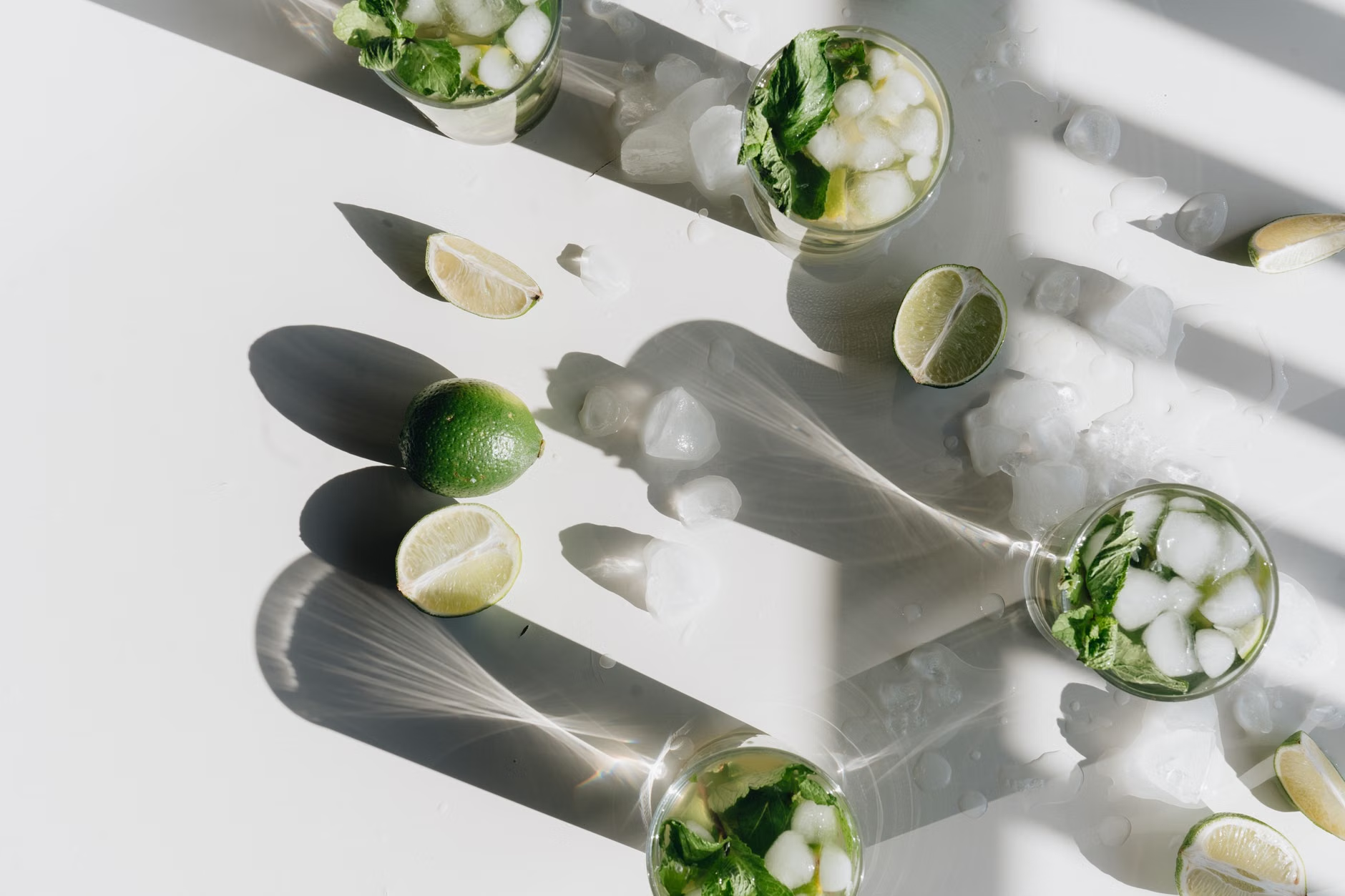
The core philosophy of zero-proof hosting is flavor complexity over alcohol content. When you remove alcohol, you remove the “burn” and the bitter tannins that define many classic drinks. To replicate the sophistication of a cocktail, you need to introduce these elements through other means: cold-pressed juices for body, shrubs or vinegars for acidity, and botanical infusions for that lingering, complex finish. It is about creating a “third space” in your glass—a drink that is neither a soda nor a juice, but a curated experience that pairs perfectly with the food you’ve spent hours preparing.
Designing a Menu That Respects Cultural and Dietary Diversity
When curating a menu for a diverse group, you must consider the “hidden” ingredients. For example, some non-alcoholic spirits or bitters contain trace amounts of alcohol or specific allergens like nuts or gluten. In a multicultural setting, religious requirements are paramount. Always verify if your chosen “alcohol-free” wines or spirits are truly halal or if they contain residual fermentation byproducts. Transparency is the highest form of hospitality. Create a small, elegant menu card—or simply be prepared to recite the ingredients—to put your guests at ease.
Building the “Flavor Profile” Framework
To avoid the “too sweet” trap that ruins many mocktails, categorize your drink offerings into three distinct pillars. This ensures that no matter what your guests are eating, there is a beverage that complements the dish.
| Category | Flavor Goal | Best For |
|---|---|---|
| The Botanical/Bitter | Complexity, depth, earthiness | Pre-dinner “aperitivo” style snacks |
| The Acidic/Bright | Zest, refreshment, palate cleansing | Spicy or heavy, rich main courses |
| The Savory/Spiced | Umami, warmth, lingering finish | Hearty stews, grilled meats, or cold nights |
By using this framework, you move away from “making lemonade” and toward “crafting a beverage program.” For a botanical profile, look for high-quality non-alcoholic gins or house-made infusions using juniper, rosemary, and peppercorns. For acidic profiles, focus on shrubs—syrups made from fruit, sugar, and vinegar. The vinegar provides a “bite” that mimics the mouthfeel of alcohol, making the drink feel more “grown-up” and less like a child’s juice box.
Logistical Strategies for a Stress-Free Event
Hosting is supposed to be enjoyable, not a full-time bartending job. The most common mistake hosts make is trying to craft every drink to order. This traps you behind the counter while your guests are socializing in the living room. Instead, utilize the “batch and garnish” method.
Step-by-step implementation for the host:
- Batch the base: Prepare a large pitcher of your signature zero-proof base (e.g., a spiced hibiscus tea or a ginger-lemongrass reduction) four hours before guests arrive.
- The “Add-on” station: Place a variety of sparkling waters (plain, lime, grapefruit) next to the pitcher. Let guests control their own dilution. This is a crucial step for managing sweetness levels, as some guests prefer a more diluted drink.
- Curated garnishes: This is where the magic happens. A standard drink becomes “premium” with the right garnish. Think charred orange wheels, fresh mint sprigs, star anise, or even a rim of smoked sea salt.
By delegating the final assembly to the guests, you not only save time but also create an interactive, communal experience. It turns the beverage station into a conversation piece rather than a service point.
Addressing Common Misconceptions About Zero-Proof Hosting
A frequent concern is the cost. It is true that premium non-alcoholic spirits can be as expensive—if not more so—than their alcoholic counterparts due to the complex distillation processes involved. However, you do not need to buy expensive commercial products to host a great zero-proof party. Some of the most sophisticated drinks are made from simple, high-quality pantry staples.
Consider the “tea-tail.” High-quality loose-leaf teas—like Lapsang Souchong for smokiness, or a high-grade Sencha for vegetal, umami notes—can be cold-brewed to create a base that rivals any spirit. When you explain to a guest that their drink is based on a rare smoked tea, it feels intentional and special, not like you were “cutting corners.”
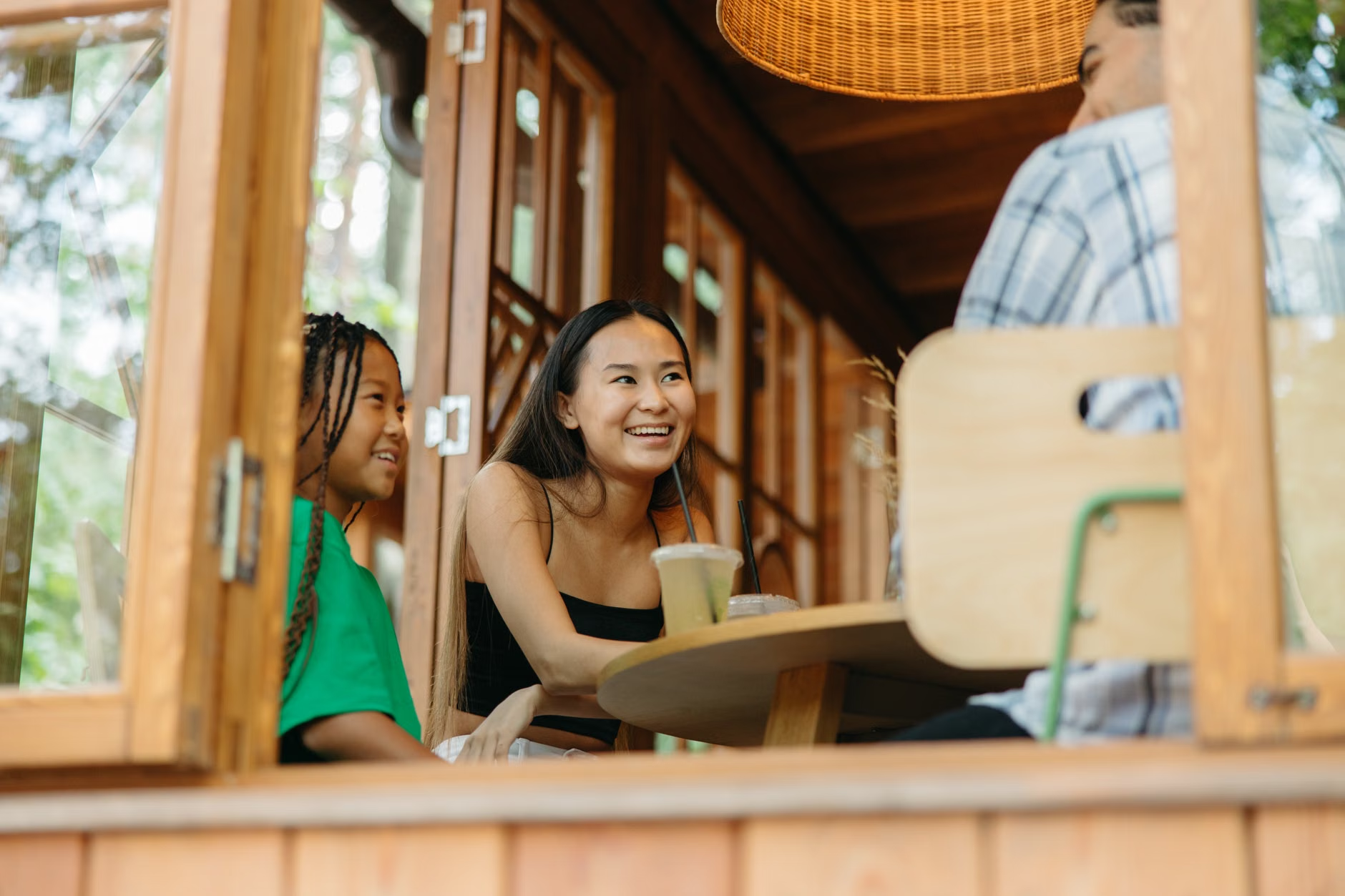
Another misconception is that guests will feel “bored” without alcohol. In reality, the “boredom” usually comes from a lack of engagement, not a lack of ethanol. If the environment is comfortable, the food is thoughtful, and the drinks are visually appealing and complex, the conversation will flow naturally. The key is to avoid making a “big deal” out of the lack of alcohol. If you treat the zero-proof options as the default, rather than the “alternative,” your guests will follow your lead.
When hosting a multicultural group, be mindful of the “hidden” cultural signaling of drinks. In some cultures, certain ingredients are associated with medicinal use or specific times of day. For example, serving a very sugary beverage throughout a meal might feel jarring to guests from cultures that prefer savory or bitter pairings. Always aim for balance. If you are serving a spicy dish, offer a beverage that has enough acidity to cut through the heat, rather than a sweet one that might clash.
Furthermore, be extremely cautious with ingredients that can cause adverse reactions. If you are using nut-based milks or specific botanicals, always disclose them. A small, handwritten menu card on the table serves two purposes: it adds a touch of elegance and it acts as a safety measure for those with allergies. Never assume a guest will ask about ingredients; always provide the information proactively.
Elevating the Sensory Experience: Texture and Temperature
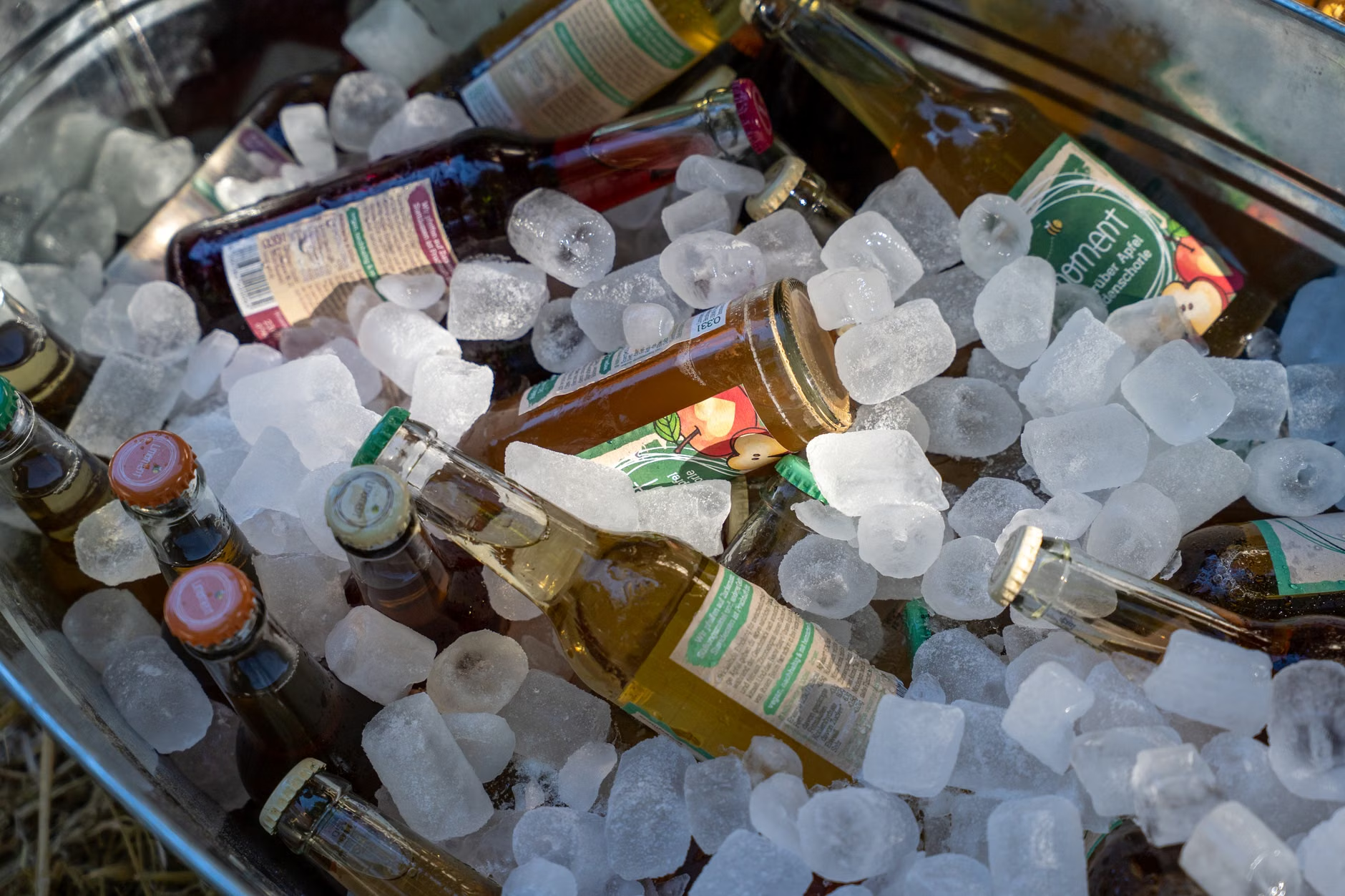
We often forget that much of the pleasure of drinking comes from texture and temperature, not just flavor. A drink that is served at the wrong temperature can feel flat. A warm, non-alcoholic cider needs to be served in a heavy mug to provide that comforting, tactile experience. A crisp, botanical spritz needs to be served in a chilled glass with plenty of ice. If you are serving a “mocktail” in a plastic cup, it will inevitably feel like a child’s drink. Invest in a set of versatile, elegant glassware that can be used for both alcoholic and non-alcoholic drinks. The weight of the glass in the hand is a subconscious signal to the brain that the experience is high-quality.
Consider the “mouthfeel” of your drinks. Alcohol provides a certain weight or “viscosity” that is hard to replicate. You can achieve a similar effect by using a splash of coconut water, a small amount of high-quality honey, or even a drop of food-grade glycerin. These small adjustments prevent the drink from feeling “thin” or “watered down.” It is these subtle, technical details that differentiate a host who “just serves drinks” from a host who “curates a beverage program.”
The Long-Term Value of Mindful Hosting
As we move through our 30s and 40s, we are all looking for ways to foster deeper connections without the exhaustion that often follows late-night, alcohol-fueled events. By embracing zero-proof hosting, you are essentially setting a new standard for your social circle. You are signaling that your home is a space where people can be their best, most authentic selves. This type of hosting requires more effort, yes, but the reward is a gathering where everyone leaves feeling refreshed, included, and genuinely connected to one another.
The most important takeaway for any host is that inclusivity is a skill that can be practiced. Start small. Pick one “signature” zero-proof drink for your next gathering and focus on getting that one thing perfect. Once you master the balance of that drink, move on to adding a second option. Over time, you will build a repertoire of recipes that make every guest feel welcome, regardless of their background or choices. It is a small change that has a profound impact on the quality of your social life.
For those interested in exploring the science of non-alcoholic flavor profiles, I recommend checking out resources like the World Health Organization’s guidance on alcohol consumption to understand the broader context of why so many people are shifting their habits, and looking into specialized culinary sites for “non-alcoholic pairing guides” to master the art of matching drinks with complex, multicultural cuisines.
Frequently Asked Questions
1. How do I handle guests who insist on bringing their own alcohol?
The best approach is to be gracious but firm about your event’s theme. You can say, “I’ve put a lot of work into curating a specific zero-proof menu for this evening, and I’d love for you to try these pairings first.” If they still bring something, don’t make it a scene. Let them have it, but keep the focus on your curated offerings. Most guests will naturally gravitate toward your drinks if they are well-made and presented beautifully.
2. What is the biggest mistake hosts make when starting out?
The biggest mistake is over-sweetening. Many people associate “non-alcoholic” with “juice,” so they rely heavily on fruit juices and syrups. This is a mistake. Focus on savory, bitter, and acidic elements—herbs, spices, vinegars, and teas—to create a drink that has the complexity of a cocktail without the sugar crash.
3. How do I ensure my zero-proof drinks are safe for pregnant guests or those with medical needs?
Transparency is non-negotiable. Always keep the original packaging of any non-alcoholic spirits or bitters available, as these can contain trace amounts of alcohol or ingredients that might be contraindicated for certain health conditions. If you are making house-made infusions, keep a written ingredient list readily available. When in doubt, stick to fresh, whole-food ingredients like fresh fruit, herbs, and high-quality sparkling water.
Final note: Hosting is about the people, not the products. Use these strategies to remove the barriers that prevent your guests from connecting, and you will find that the best conversations happen when everyone is clear-headed, comfortable, and truly at home.