Key Takeaways
- Cognitive Training in Disguise: Cooking isn’t just about food; it is a structured, real-time exercise in planning, working memory, and impulse control—the core pillars of executive function.
- The Pre-Teen Shift: Between ages 10 and 13, the brain is undergoing a massive “pruning” phase, making this the optimal window to transition from following instructions to independent task management.
- Actionable Strategy: To maximize cognitive benefits, focus on the “Mise en Place” method, which forces children to categorize and sequence tasks before they ever turn on the heat.
If you have ever watched a pre-teen try to navigate the simple task of making a sandwich, you have likely witnessed a chaotic sequence of misplaced ingredients, forgotten steps, and a kitchen that looks like it was hit by a localized weather event. We tend to view this as a lack of focus or pure laziness. But in reality, it is a classic case of an developing brain struggling with executive function.
Executive function is the brain’s “air traffic control” system. It is responsible for the skills we use every day to manage time, pay attention, switch focus, plan and organize, and remember details. For a pre-teen, these neural pathways are under construction. This is exactly why “executive-function cooking classes” are becoming the gold standard for parents looking to build life skills that go far beyond the stove.
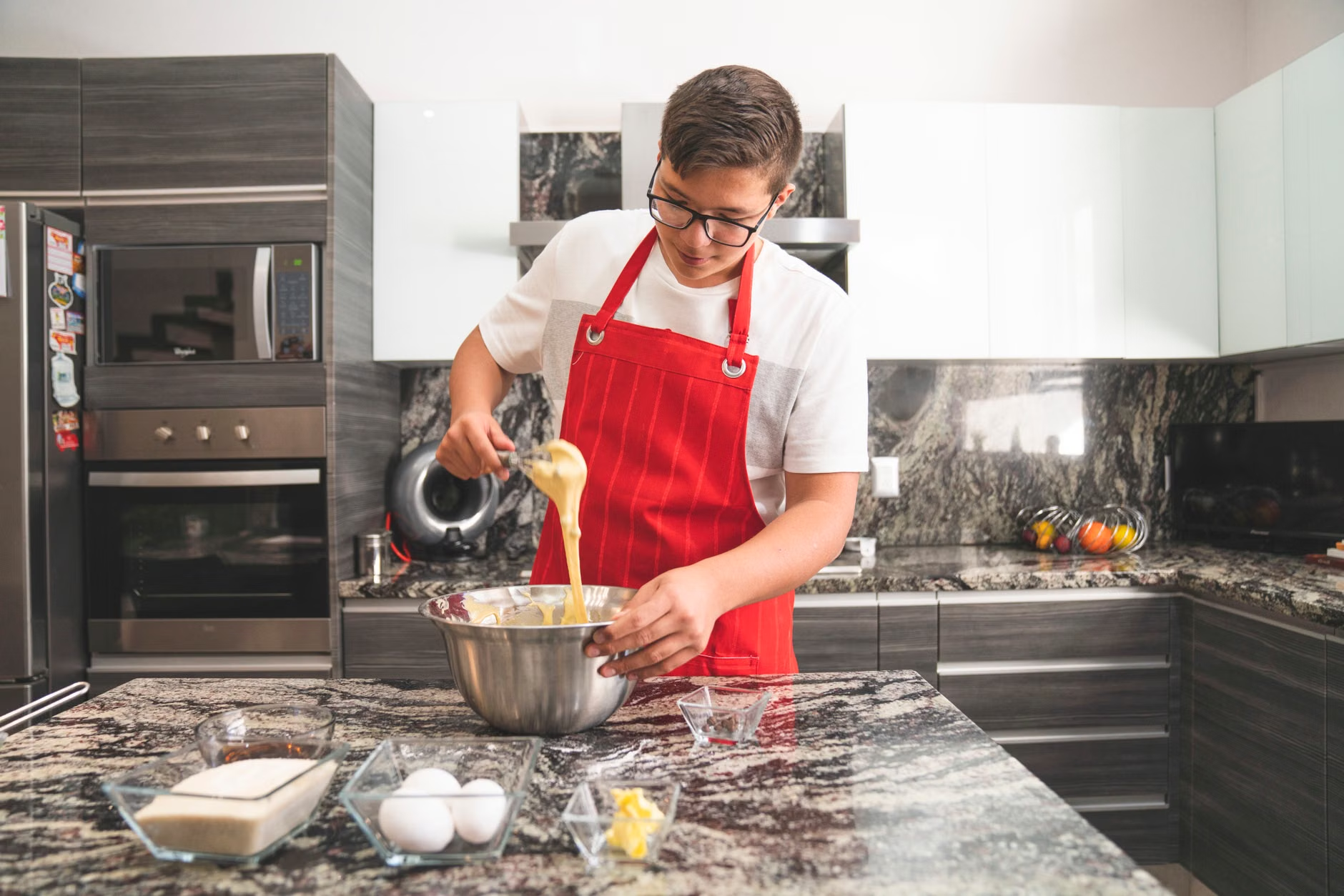
Why the Kitchen is the Ultimate Cognitive Laboratory
Why cooking? Why not a coding camp or a sports team? While those activities are excellent, the kitchen provides a unique, high-stakes environment where the consequences of poor executive function are immediate, tangible, and—most importantly—non-punitive. If you forget to add the flour before the eggs, you don’t fail a grade; you get a runny mess that needs to be troubleshoot. This provides a safe space for “failure-based learning.”
When a child cooks, they are forced to juggle several executive functions simultaneously:
- Working Memory: Holding the sequence of a recipe in their head while physically moving through the kitchen.
- Inhibitory Control: Resisting the urge to eat the ingredients or turn the burner to the highest setting for a faster result.
- Cognitive Flexibility: Adjusting when they realize they are out of milk or when a dish is cooking faster than expected.
In our experience, the biggest mistake parents make is doing the “setup” for their children. By chopping the vegetables or pre-measuring the spices, you are effectively acting as their frontal lobe. You are doing the cognitive heavy lifting for them. To build these skills, the process must be handed over, step by step.
The ‘Mise en Place’ Framework for Cognitive Development
The secret to turning cooking into a brain-training exercise is the French culinary concept of mise en place, which literally means “putting in place.” For a pre-teen, this is more than just cleanliness; it is an organizational strategy that forces the brain to sequence tasks before execution.
We recommend a three-stage approach to introducing this to your pre-teen:
Stage 1: The Inventory and Sequencing Phase
Before any heat is applied, have your child write down the steps of the recipe in their own words. This moves the information from passive reading to active planning. If they are making pasta, they need to identify the “bottlenecks”—for example, the water takes ten minutes to boil, so the sauce must be prepped during that wait time. This teaches time management and prioritization.
Stage 2: The Execution and Working Memory Phase
Once the prep is done, the challenge is maintaining the order. Use a visual checklist. Research in developmental psychology suggests that offloading memory to an external source (like a list) actually strengthens the ability to focus on the task at hand. By not having to “remember” the next step, they can spend more cognitive energy on the actual execution of the cooking technique.

Stage 3: The Review and Troubleshooting Phase
This is where the most growth happens. After the meal, ask, “What went wrong, and how would you change the order next time?” This is metacognition—the ability to think about one’s own thinking. It allows the child to reflect on their decision-making process, which is the cornerstone of adult independence.
Comparing Cooking Classes: What Should You Look For?
Not all cooking classes are created equal. Many are just “fun” workshops where instructors do the prep and children do the assembly. If you are looking for an executive-function boost, you need to be selective.
| Feature | “Fun” Cooking Class | Executive-Function Focused Class |
|---|---|---|
| Prep Work | Done by instructors | Done by the student |
| Recipe Type | Simple, pre-measured kits | Complex, multi-step recipes |
| Focus | End result/Taste | Process/Time management |
| Outcome | A finished meal | Self-efficacy and planning skills |
If you are choosing a program, look for ones that emphasize “process-oriented” learning. Ask the organizers if the students are responsible for their own ingredient sourcing (from a provided pantry) and cleanup. If a class promises a “stress-free, zero-mess” experience, it is likely not helping your child build the very muscles they need to navigate the complexities of life.
Common Pitfalls and How to Avoid Them
Even with the best intentions, parents often trip over their own desire for a clean kitchen or a perfect dinner. Let’s look at the most common roadblocks.
The “Perfection Trap”: You want the dinner to be edible. You see them burning the onions and you instinctively jump in to save the pan. Don’t. If the onions burn, the lesson is learned. The consequence of a slightly burnt meal is a minor, manageable failure. The benefit of them learning to manage heat intensity is a lifelong skill. If you intervene, you are teaching them that they don’t need to be responsible because you will always fix it.
The “Cleanup Barrier”: Many parents stop their children from cooking because “the kitchen is a mess.” This is a massive mistake. Cleaning is part of the executive function loop. It requires planning, sequencing, and effort. If you do the cleaning, you are removing 50% of the cognitive work. Make the cleanup part of the recipe card. If they can’t finish the cleanup, they haven’t finished the recipe.
The “Over-Reliance on Instructions”: If your child is constantly asking, “What do I do next?”, they are not yet working from their own executive plan. Encourage them to refer back to their own written list. If they get stuck, ask them what they think the next step should be, rather than giving them the answer. This shifts the internal locus of control from you to them.

Beyond the Kitchen: Transferring Skills to Daily Life
The goal is not to raise a chef; it is to raise a capable human being. The skills practiced in the kitchen are directly transferable to academic and social settings. When a child learns to plan a three-course meal, they are learning the same neural patterns required for writing an essay or managing a school project.
Think about the parallels:
- Research/Planning: Reading the recipe is like reading the assignment prompt.
- Time Management: Coordinating the oven and the stove is like managing multiple subjects in a school day.
- Working Memory: Keeping track of ingredients is like keeping track of deadlines and requirements.
- Metacognition: Reflecting on the meal is like reviewing a graded paper to see what could be improved for next time.
When your child realizes that they can control the outcome of a complex situation through planning and focus, their confidence levels rise. This “I can do it” feeling is what we call self-efficacy. It is the best antidote to the anxiety that many pre-teens feel when faced with academic or social pressure.
If you are looking for local resources, check if your community center, culinary school, or even home economics programs in local schools offer “independent cooking” tracks. Many online platforms also provide curricula that focus on the “science” of cooking, which is often a more effective hook for the pre-teen brain than just “learning to cook.”
Practical Next Steps for Your Family
You don’t need to sign up for an expensive course to start. You can implement these principles in your home starting this weekend. Here is a simple, actionable plan to get started:
- Select a “Challenge” Meal: Choose a recipe that requires at least three distinct components (e.g., a main dish, a side, and a simple salad).
- The Planning Session: Sit down 30 minutes before cooking and have them write the plan. Require them to list the tools they need and the order of operations.
- The “Hands-Off” Agreement: Explicitly agree that you will not step into the kitchen unless there is an immediate safety concern (fire or injury). Everything else is their responsibility.
- The Post-Meal Debrief: Spend five minutes at the table discussing the process. What was the hardest part? Where did they get stuck? What would they do differently?
This may feel like it takes more effort than just doing it yourself. That is the point. You are investing in their cognitive development, which pays dividends in their ability to handle bigger, more complex tasks as they enter their teenage years. By letting them take the lead in the kitchen, you are helping them build the mental infrastructure they need to navigate the world.
It is important to remember that this is a slow process. You won’t see a “perfect” executive function transformation overnight. There will be bad meals, there will be frustration, and there will be messy counters. But with each session, you are building the neural pathways of a more capable, organized, and confident person. Keep the kitchen environment supportive, focus on the process rather than the final result, and be patient with the learning curve.
For more information on child development and the role of executive function, you can explore resources from the Center on the Developing Child at Harvard University, which provides excellent insights into how these foundational skills are built during the pre-teen years.
Frequently Asked Questions
1. My child is easily overwhelmed. How do I start without them losing interest?
Start with a “low-stakes” recipe that only requires two steps, like assembling a wrap or a salad. The goal is to build the habit of planning and organizing before moving to complex tasks. If they feel overwhelmed, it means the task is too complex—break it down into smaller, more manageable sub-tasks until they feel confident.
2. Does this really help with academic performance?
Yes. The executive function skills required for complex cooking—planning, working memory, and inhibition—are the exact same skills required for academic success. Students who learn to manage a multi-step cooking project often find that they are better at organizing their school assignments and managing their study time because they have “trained” these neural pathways.
3. At what age should I start this?
While you can introduce simple concepts earlier, the 10-to-13 age range is the “sweet spot” because the brain is undergoing significant pruning and development. This is the time when children are moving from concrete thinking to more abstract, logical planning. It is the perfect age to transition from “helping” to “managing.”
Ultimately, the kitchen is more than a place to make food—it is a training ground for life. By treating the cooking process as a cognitive exercise, you are giving your child the tools they need to succeed long after the meal is eaten. Start small, stay consistent, and watch them gain the confidence that comes with true independence.