The most effective strategy for the “third-culture” lunchbox is to prioritize familiarity and nutritional density over aesthetic perfection, ensuring your child feels confident sharing their cultural food heritage while meeting the practical constraints of a school environment.
Key Takeaways:
- The 80/20 Rule: Dedicate 80% of the lunchbox to nutrient-dense, culturally familiar staples and 20% to “bridge” snacks that introduce new textures or flavors, helping children adapt to diverse school environments.
- School Compliance is Non-Negotiable: Always cross-reference your cultural food choices with school allergen policies (e.g., nut-free zones) and refrigeration limitations before sending homemade dishes.
- Efficiency Through Batching: Utilize “third-culture” components that can be prepped in bulk, such as marinated proteins, pickled vegetables, or grain-based salads that maintain their integrity for 48 hours in a chilled container.
If you are raising children in a “third-culture” household—where your home culture differs from the dominant culture of your current country—the lunchbox often becomes a quiet battleground. You want to honor your heritage, provide healthy nutrition, and ensure your child isn’t embarrassed or ostracized during the lunch hour. It is a balancing act that requires more than just a recipe; it requires a strategy.
Defining the ‘Third-Culture’ Lunchbox Strategy
The third-culture lunchbox isn’t just about what you pack; it’s about the narrative you build around food. When we talk about “third-culture” in a culinary sense, we are referring to the intersection of traditional family recipes and the practical, often Western-centric, norms of modern school lunches. The goal is to avoid the “all or nothing” trap—either packing a lunch so traditional it creates social anxiety for the child, or so generic that it feels devoid of the family’s identity.
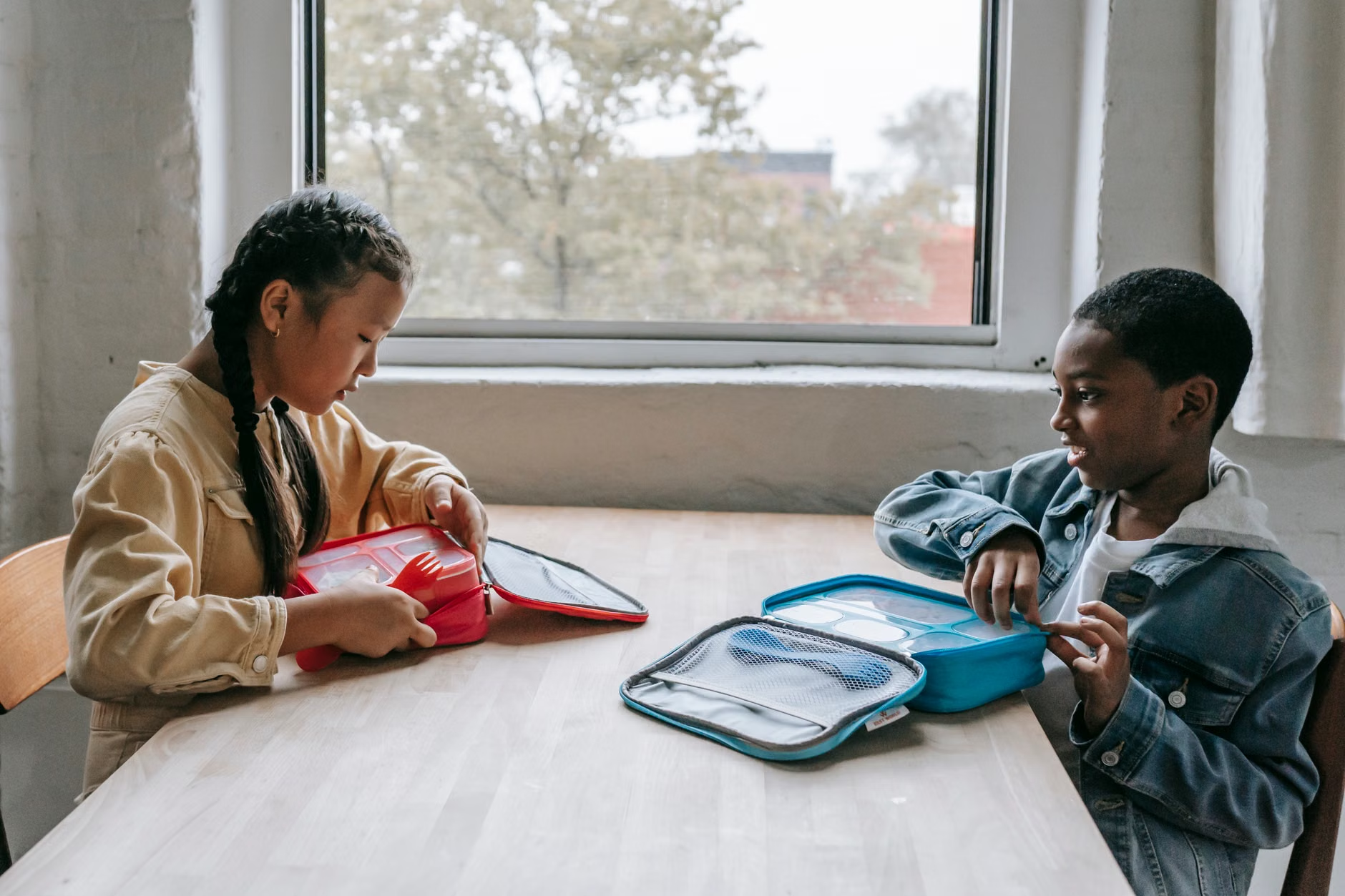
Consider the “bridge” approach. If your family eats rice-based meals, packing a full bowl of hot, steamed rice might be impractical due to temperature concerns or school social pressure. Instead, consider an “onigiri” (Japanese rice ball) or a savory rice muffin. These items are portable, hold their shape, and are culturally relevant while fitting perfectly into a standard bento-style box.
The Psychology of the Lunchroom
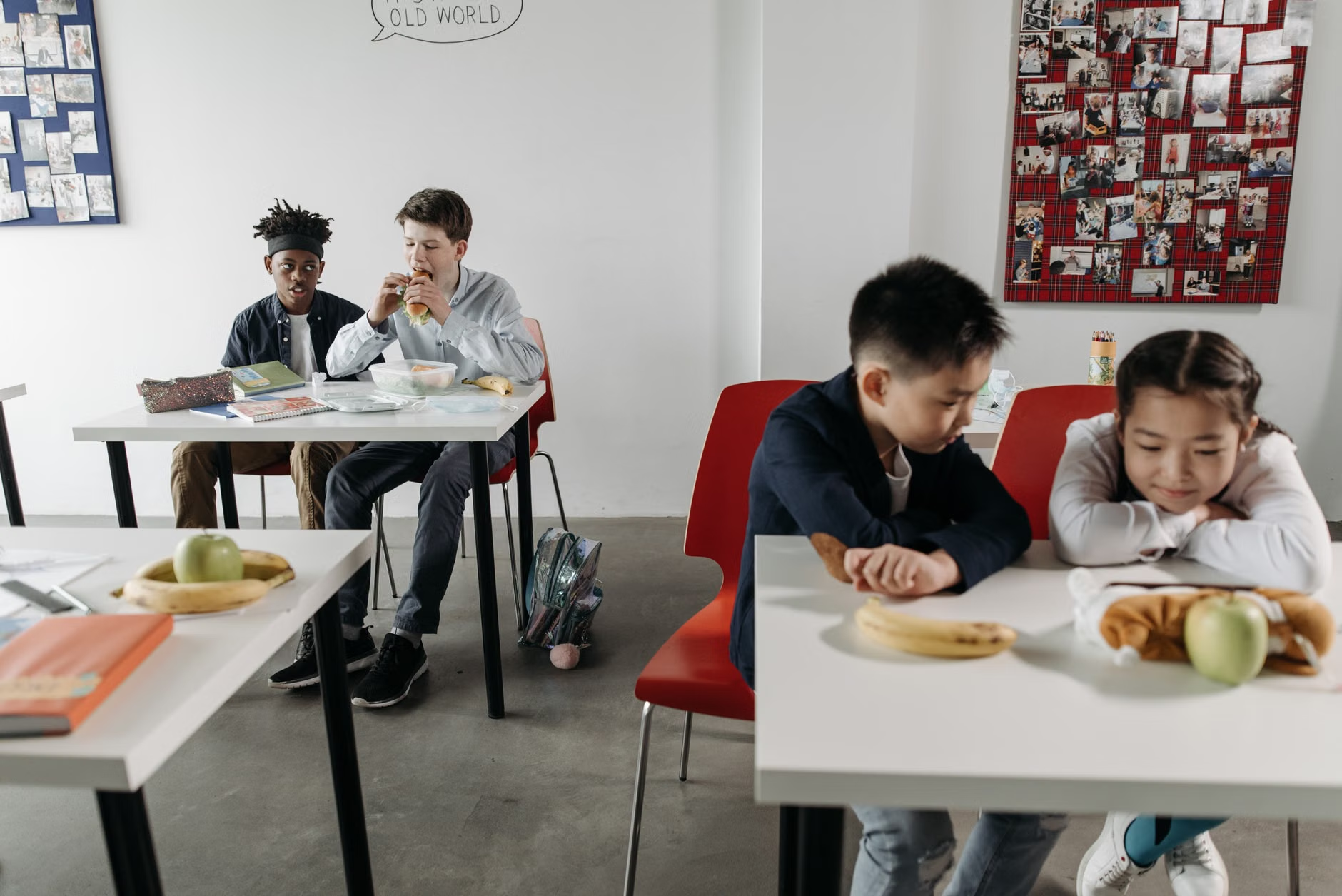
For children in their early school years, the lunchroom is a place of social integration. Research suggests that food is a primary marker of belonging. When a child brings a lunch that looks drastically different from their peers, it can sometimes invite unwanted attention. This doesn’t mean you should abandon your culture; it means you should translate it.
Translate, don’t just transfer. If your culture relies on strong-smelling spices or complex, multi-course meals, consider how these components can be deconstructed into “snackable” formats. A traditional soup can become a hearty, thick stew served in a thermos; a pungent fermented dish can be integrated into a milder, kid-friendly dip or spread.
Nutritional Density: The Practical Framework
Regardless of the cultural origin of the food, the nutritional requirements remain standard. A balanced lunchbox should ideally contain a complex carbohydrate, a quality protein, a healthy fat, and at least two servings of colorful vegetables or fruits. The challenge in a third-culture context is finding these components within your specific culinary tradition.
Let’s look at a comparative breakdown of how to structure a lunchbox based on different cultural inputs:
| Component | Western-Standard | Third-Culture Translation |
|---|---|---|
| Complex Carb | Whole grain bread | Quinoa salad, flatbread, or savory pancakes |
| Protein | Deli meat/cheese | Marinated tofu, lentils, or chilled boiled eggs |
| Healthy Fat | Avocado or nuts | Hummus, tahini drizzle, or seeds |
| Produce | Apple slices | Pickled cucumbers or stir-fried vegetable medley |
The key here is temperature and texture stability. Many traditional dishes rely on being served piping hot. If you don’t have access to a microwave or a high-end insulated container, you must adapt your recipes to be served at room temperature or chilled. This is a common pitfall: attempting to send a dish that loses all its appeal when it reaches 20°C (68°F).
Common Mistakes in Third-Culture Packing
One of the most frequent errors is “over-ambition.” We want our children to appreciate the depth of our culture, so we pack elaborate, time-consuming dishes. However, school lunch is a 20-minute window. If the food requires complex assembly (like wrapping a taco or peeling a fruit that is difficult to handle), the child will likely leave it untouched.
Another mistake is neglecting the “smell factor.” While we may love the aroma of garlic, ginger, or fermented pastes, these can be intense in a small, enclosed cafeteria. It’s not about shame; it’s about social comfort. If your child is sensitive to being “the kid with the smelly lunch,” try to balance high-aroma items with neutral ones, or keep the strong flavors for dinner at home.
Logistics: The Art of the Weekend Prep
Preparation is the difference between a stressful morning and a smooth routine. For the third-culture parent, this often involves sourcing ingredients that aren’t found in a standard supermarket. If you rely on specific spices, grains, or sauces, keep a “lunchbox pantry” stocked.
The Sunday Reset: Dedicate two hours to preparing the “bones” of your lunchboxes. This includes:
- Component 1: The Protein Base. Cook a large batch of chickpeas, lentils, or grilled chicken that can be seasoned differently throughout the week.
- Component 2: The Grain/Starch. A batch of quinoa or par-cooked pasta stays fresh in the fridge for 3-4 days.
- Component 3: The “Bridge” Sauce. A homemade dip (like a fusion hummus or a yogurt-based sauce) can transform a plain vegetable stick into an exciting, culturally inspired snack.
When you have these components, assembling a lunch takes five minutes. You are not cooking every morning; you are simply curating.
Every school system, whether in the UK, the US, or elsewhere, has specific policies regarding food. In many regions, the “nut-free” policy is standard. If your cultural diet relies heavily on peanuts, cashews, or walnuts, this is a significant hurdle. You must find alternatives—sunflower seed butter, for instance, can often replicate the texture and nutritional profile of nut butters without the allergy risk.
Always check your school’s specific Food and Nutrition Policy. These documents are usually available on the school website. They will specify if there are restrictions on heating food, requirements for the types of containers (glass is often banned), or bans on specific ingredients.
The Role of the Lunchbox Container
The container itself is a tool. For a third-culture lunch, a single large compartment is often the enemy. It leads to soggy food and mixing of flavors that shouldn’t mix. Opt for a high-quality bento-style box with multiple, leak-proof compartments. This allows you to keep your “main” dish separate from your fresh fruit, preventing the “fruit-juice-on-savory-rice” situation that ruins the appetite of many children.
Also, consider the weight. Younger children struggle with heavy, complex containers. Ensure the latch is easy for small hands to open. If the child spends five minutes struggling to open their lunch, they have five minutes less to eat it.
Practical Strategies for Evolving Palates
Children’s tastes change. What they loved on Monday, they might loathe on Wednesday. The third-culture parent can use this to their advantage by introducing “micro-exposures.” If you want your child to enjoy a specific traditional vegetable, don’t make it the main event. Include a small, bite-sized portion alongside a familiar “safe” food. Over time, the unfamiliar becomes the familiar.
Decision Rule: If a food item comes back untouched three times in a row, stop packing it. It’s not a failure; it’s data. Revisit that food at home, perhaps in a different format (cooked vs. raw, pureed vs. chopped), before trying it in the lunchbox again.
When to Seek Official Guidance
If your child has specific dietary needs due to cultural or religious restrictions (e.g., Halal, Kosher, or specific vegetarian requirements), ensure these are documented with the school’s administration. Most international schools have experience with this, but it is your responsibility to ensure the school nurse and the child’s teacher are aware of the requirements.
For more information on balanced nutrition for school-aged children, consult official resources such as the NHS Healthier Families Lunchbox Guide or the USDA MyPlate resources, both of which provide foundational advice that can be adapted to any cultural context.
Final Thoughts: Consistency Over Perfection
The goal of the third-culture lunchbox is to provide sustenance that connects the child to their roots while supporting their current reality. Do not feel pressured to create Instagram-worthy meals every single day. A simple, packed lunch that is eaten and enjoyed is infinitely better than a complex, beautiful meal that ends up in the bin.
Focus on the “why.” You are teaching your child about their identity through the medium of food. By making this process practical and sustainable, you ensure that this lesson continues throughout their school years, rather than becoming a source of stress for the whole family. Keep it simple, keep it consistent, and be kind to yourself on the days when you just reach for the easiest option.
Frequently Asked Questions
Q: How do I keep my child’s lunchbox safe from food spoilage if I don’t have access to a fridge?
A: Invest in high-quality, insulated lunch bags and use at least two ice packs—one at the bottom and one at the top of the food containers. Pre-chilling your food in the refrigerator overnight before packing it in the morning also significantly extends the food’s safe temperature window.
Q: My child is embarrassed by their traditional food. How do I handle this?
A: Validate their feelings without immediately changing the menu. Ask them what specific part of the lunch feels “different.” Sometimes, it’s not the food itself but the smell or the way it’s eaten. Try to adapt the presentation to be more discreet, or pack a “side” of a familiar, popular snack alongside the traditional dish to balance the social aspect.
Q: How can I introduce new cultural flavors without causing a tantrum?
A: Use the “one-bite” rule or “food mapping.” Introduce the new flavor in a small quantity as a “side” to a meal they already love. Do not force the consumption; simply having it present in the lunchbox counts as exposure. Eventually, the curiosity will likely lead them to try it, especially if they see you enjoying it at home.
For further reading on school nutrition standards, you can visit the CDC Healthy Schools Nutrition page, which offers a robust look at why these guidelines exist and how they impact student learning.