- Prioritize inclusivity by default: Treat non-alcoholic options as premium offerings rather than “substitutes,” ensuring they are as visually appealing and complex as traditional cocktails.
- Cultural context is your roadmap: Understand that alcohol restrictions vary globally due to religious, health, or personal preferences; a zero-proof menu is the safest way to ensure every guest feels welcome without needing to ask for dietary disclosures.
- Focus on complexity, not just sweetness: The biggest mistake in zero-proof hosting is over-relying on sugar; use bitters, shrubs, and high-quality tonics to create a sophisticated sensory experience that satisfies the adult palate.
If you have ever spent an hour prepping a charcuterie board only to realize your guest of honor doesn’t drink—for religious, health, or personal reasons—you know the sudden, awkward shift in the room. In your 30s and 40s, the “drink-first” culture of our 20s often gives way to a more intentional approach to health, parenting, and social inclusion. Hosting a multicultural gathering today requires more than just a bottle of wine and a bowl of chips; it requires a thoughtful strategy that respects the diverse backgrounds of your guests.
The “zero-proof” movement isn’t just about sobriety; it’s about hospitality. When you host, you are the curator of the social atmosphere. By removing the dependency on alcohol, you aren’t removing the “fun”—you are elevating the experience to one where the focus remains on the conversation, the food, and the genuine connection between people who might otherwise be separated by different lifestyle choices.
The Shift: Why Zero-Proof Hosting Matters More Than Ever
The landscape of social drinking is changing rapidly. According to various global health reports, including data from the World Health Organization, there is a measurable shift toward mindful consumption among younger demographics. For a host, this means the “standard” bar cart is no longer a one-size-fits-all solution.
When you invite a group of friends—perhaps a mix of colleagues from different cultural backgrounds, parents who need to be sharp for the school run the next morning, or friends who simply prefer a clear head—you are managing a complex social dynamic. Alcohol can act as a bridge for some, but it acts as a barrier for others. By normalizing zero-proof options, you remove the social friction that occurs when a guest has to ask, “Do you have anything non-alcoholic?” or feels pressured to explain why they aren’t drinking.
The core principle here is agency. When you provide a menu that treats non-alcoholic beverages with the same level of respect as alcoholic ones, you grant your guests the agency to choose what they want to consume without having to navigate social stigma. It turns a potential point of tension into a shared culinary experience.
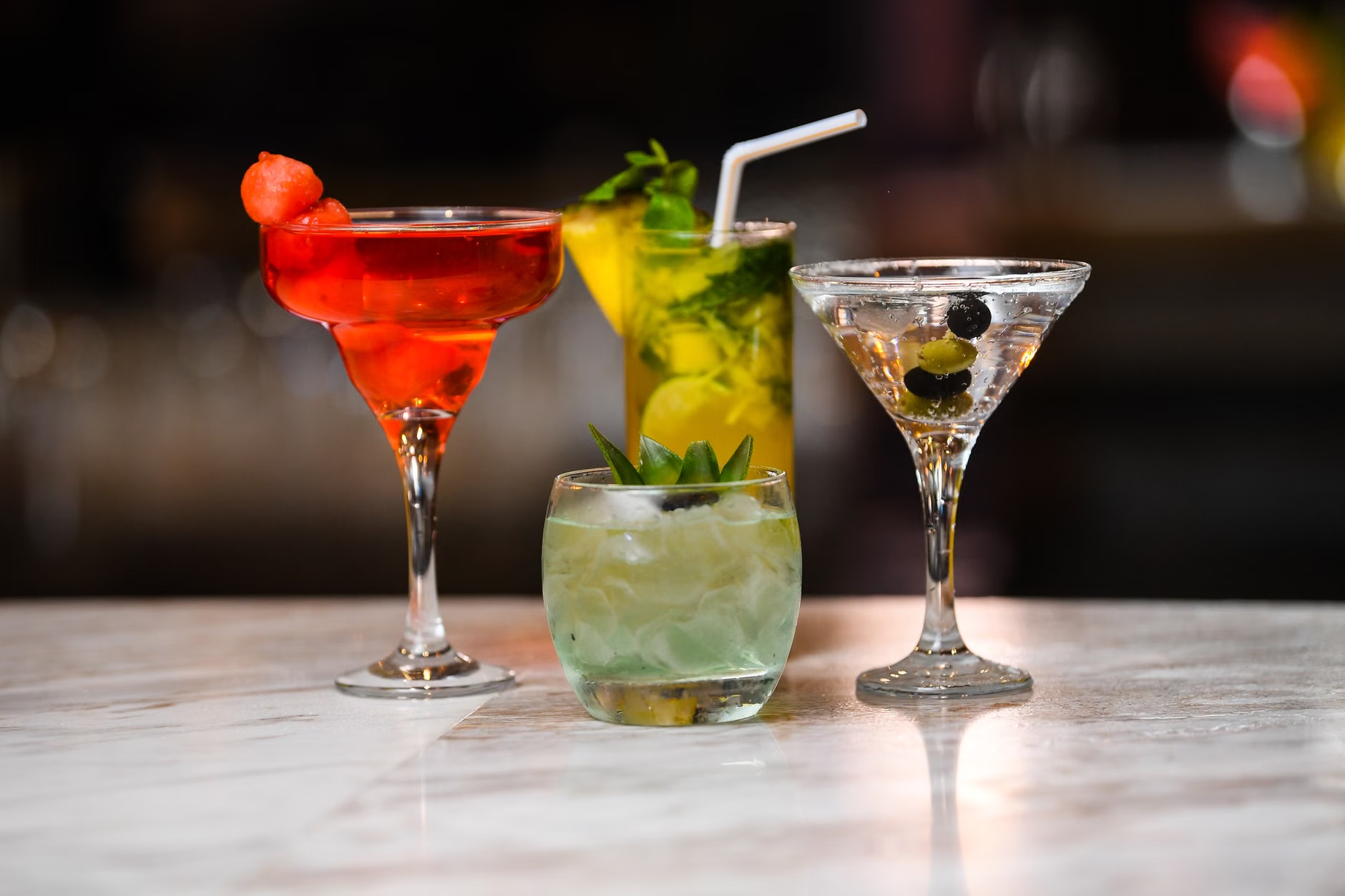
Designing a Menu That Respects Cultural Diversity
Multicultural gatherings are beautiful, but they come with logistical nuances. In some cultures, alcohol is strictly avoided for religious reasons. In others, it is common but optional. When planning your menu, the most effective strategy is to assume that everyone is a non-drinker at the start. If you offer a high-quality, complex non-alcoholic drink, the person who drinks alcohol will likely enjoy it just as much as the person who doesn’t.
The mistake most hosts make is offering “kid-friendly” drinks like fruit juice or soda. These are often overly sweet and lack the depth of flavor that an adult palate expects. Instead, think in terms of botanicals, acidity, and mouthfeel.
The Three Pillars of Sophisticated Zero-Proof Drinks
- Bitterness: Use non-alcoholic bitters, tonic waters, or gentian-based syrups. These provide that “grown-up” complexity that prevents a drink from tasting like a juice box.
- Acidity: Shrubs (vinegar-based fruit syrups) are an incredible tool. They provide a sharp, refreshing bite that mimics the impact of alcohol on the palate.
- Texture: Use egg whites or aquafaba (the liquid from a can of chickpeas) to create a frothy, luxurious mouthfeel that makes a drink feel like a “cocktail” rather than just “flavored water.”
Consider a simple table comparison of how to upgrade standard drinks for a sophisticated gathering:
| Standard Option | The “Zero-Proof” Upgrade | Why it works |
|---|---|---|
| Orange Juice | Sparkling Blood Orange with Rosemary & Sea Salt | The salt and herbs cut the sugar, making it more savory and complex. |
| Standard Tonic | Elderflower Tonic with Cucumber & Juniper Berries | Juniper mimics the profile of gin without the alcohol content. |
| Soda Water | Hibiscus Shrub with Soda & Fresh Mint | The vinegar in the shrub adds a sophisticated “tang” that satisfies the palate. |
Creating a Welcoming Environment for Parents and Professionals
For those of us in our 30s and 40s, the “hangover cost” is real. A night of heavy drinking can ruin an entire weekend of parenting or professional responsibilities. By offering zero-proof options, you are actually doing your guests a favor. You are signaling that it is perfectly acceptable to be social, stay late, and engage deeply without the morning-after regret.
When hosting parents, the environment matters as much as the drinks. If you have guests with young children, consider the “flow” of the evening. A zero-proof gathering often ends earlier, which is usually a welcome relief for parents. You can facilitate this by serving the most complex, “event” drinks early in the evening, and transitioning to calming, warm options like high-quality loose-leaf teas or spiced hot ciders as the night winds down.
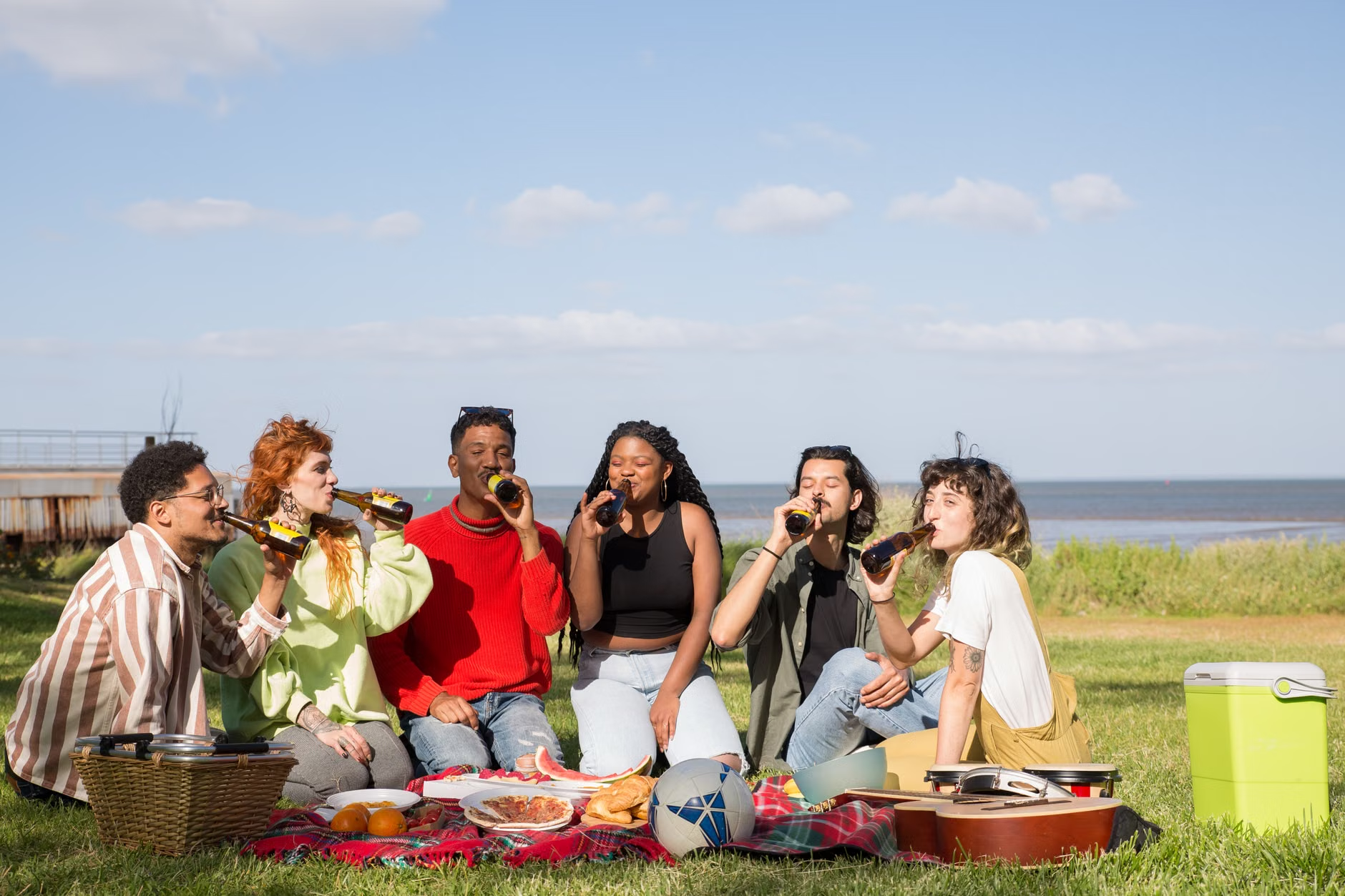
Common Mistakes to Avoid When Hosting
Even with the best intentions, it is easy to stumble. Here are three common traps and how to navigate them:
- The “Apology” Trap: Never apologize for not having alcohol. If you treat your zero-proof menu as the “main event” rather than a “consolation prize,” your guests will follow your lead. If you act like it’s a deficit, they will notice it as a deficit.
- The Sugar Overload: As mentioned earlier, avoid premixed “mocktails” that are essentially just sugar water. Always taste your drinks before serving. If it’s too sweet, add a splash of apple cider vinegar or a squeeze of fresh lime.
- Neglecting Garnishes: A drink without a garnish is just a beverage. A drink with a sprig of charred rosemary, a dehydrated citrus wheel, or a dash of cinnamon is an experience. Garnishes signal that you put effort into the drink, which makes the guest feel valued.
If a guest specifically asks for alcohol, have a simple, neutral answer ready: “I’ve decided to focus on a zero-proof menu tonight to keep things fresh and inclusive for everyone, but there’s plenty of sparkling water and craft sodas if you’d like.” Most people, when faced with a thoughtful, high-end alternative, will be more than happy to participate.
Step-by-Step: Planning Your Next Gathering
To pull this off effectively, follow this framework:
1. The “Base” Strategy
Stock up on three distinct flavor profiles: Savory/Spicy, Floral/Botanical, and Tart/Citrus. This ensures that no matter what your guests are eating, they have a drink that complements the meal. For example, if you are serving spicy Thai food, a ginger-lime shrub is a perfect pairing.
2. The Hardware
Use your best glassware. A beautiful drink in a plastic cup feels like a chore; a beautiful drink in a crystal coupe feels like a celebration. The vessel influences the perception of the contents. If you don’t have enough fancy glassware, borrow some or use varied vintage pieces—the mismatched look is currently very trendy and adds character to the table.
3. The Communication
Don’t make it a “dry” party in the sense of a clinical or restrictive event. Market it as a “Botanical Tasting” or a “Curated Zero-Proof Evening.” By giving the event a name, you set the expectation that the focus is on the unique drinks you’ve prepared.
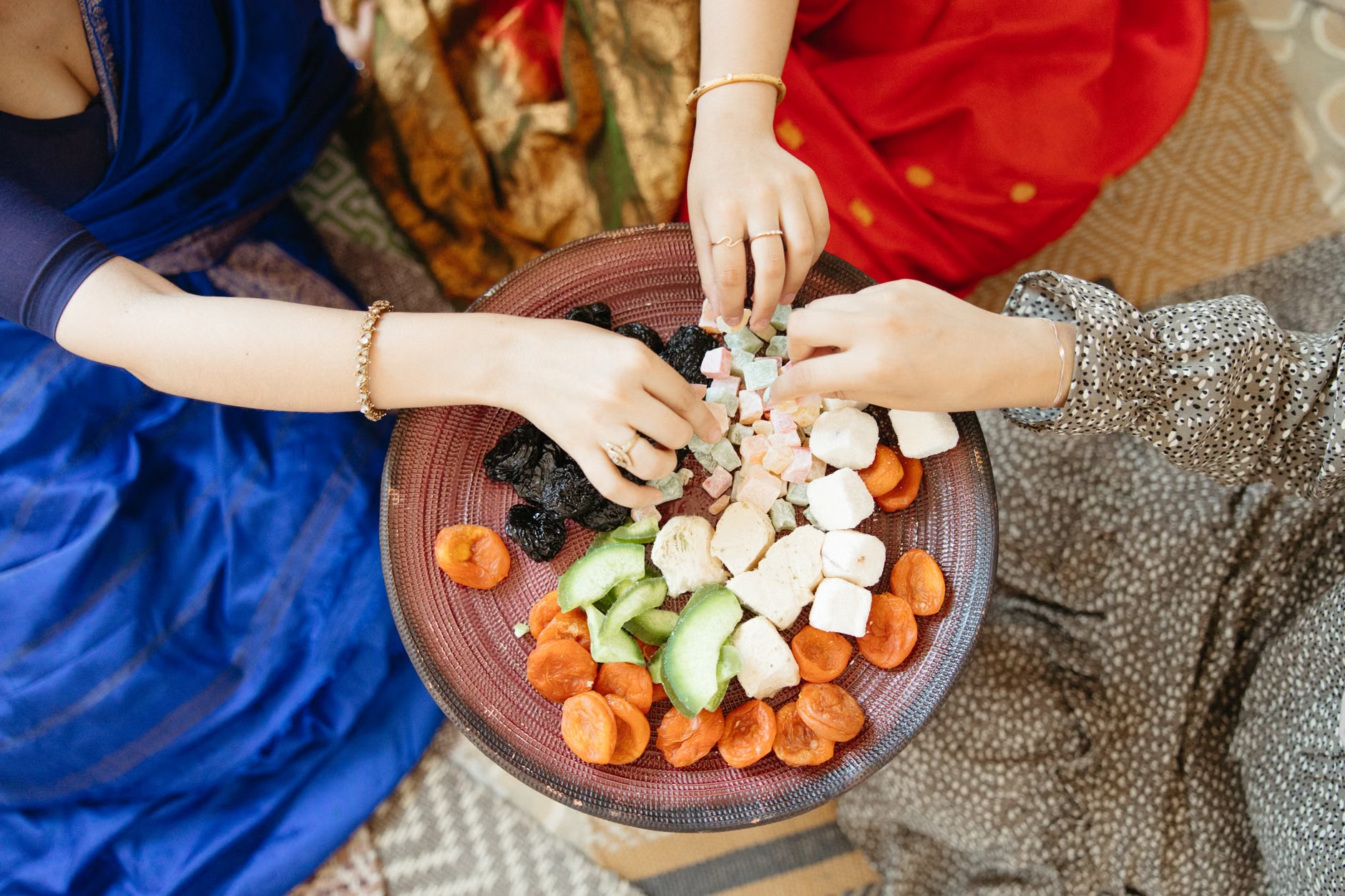
The Hidden Variable: Why “Zero-Proof” Isn’t Just About Alcohol
There is an often-overlooked variable in multicultural hosting: the Halal or Kosher status of your ingredients. Many non-alcoholic “spirits” or bitters actually contain trace amounts of alcohol as a solvent or preservative. If you are hosting guests from Muslim backgrounds, or those who keep strict dietary laws, you must check the labels.
Always look for “0.0% ABV” rather than just “non-alcoholic,” as the latter can sometimes contain up to 0.5% alcohol. This small detail shows a level of consideration that goes beyond basic manners and touches on genuine cultural respect. It’s the difference between being a “good host” and being a “thoughtful host.”
Practical Next Steps for Your Home
If you want to start today, don’t try to stock a full bar. Start by picking one “Signature Drink” for your next gathering. Develop it, taste it, and perfect it. Once you have one reliable, high-end zero-proof recipe in your repertoire, you will feel much more confident in expanding your menu for future events.
Remember that the goal isn’t to replace alcohol perfectly; it’s to create a space where the absence of alcohol is not felt. When you focus on the quality of the ingredients, the presentation of the glassware, and the warmth of your welcome, the “missing” alcohol becomes irrelevant. The conversation flows, the food tastes better, and everyone leaves feeling energized rather than depleted.
Hosting is, at its heart, an act of empathy. By creating a space that is inclusive by design, you are telling your friends—regardless of their background or lifestyle—that their presence is what you value most. That is the true success of any gathering.
Frequently Asked Questions
Q: Will my friends who drink alcohol feel bored if there’s no booze?
A: Not if the drinks are high-quality. The key is complexity. If you serve a drink with layers of flavor—bitter, sour, and botanical—most people won’t even miss the alcohol. It’s the “sugar-only” mocktails that make people wish they had a beer instead.
Q: What if a guest brings their own wine?
A: It’s your house, your rules. You can politely say, “I’ve curated a specific menu of zero-proof drinks for tonight, so I’d prefer if we stuck to those.” Most people will respect your hosting choices if you frame them as part of the event’s theme.
Q: How do I handle the cost? Premium non-alcoholic spirits can be expensive.
A: They are, but you don’t need them for every drink. You can make incredible, sophisticated beverages using pantry staples like fresh herbs (rosemary, mint, basil), high-quality vinegars (for shrubs), and good-quality tonic or sparkling water. Save the expensive non-alcoholic spirits for a “welcome drink” and use your own creations for the rest of the evening.
For further reading on non-alcoholic beverage trends and health considerations, you can refer to the World Health Organization’s fact sheet on alcohol and, for ingredient safety, check local food labeling regulations such as those provided by the U.S. Food and Drug Administration (FDA) regarding non-alcoholic product labeling.