Hosting a zero-proof mixology workshop is the most effective way to foster genuine connection in your 30s and 40s because it removes the social crutch of alcohol, allowing for intentional conversation and shared creative activity.
- Intentionality: By focusing on the craft of non-alcoholic drinks, you shift the event’s purpose from “drinking to unwind” to “creating to connect.”
- Inclusivity: Zero-proof workshops eliminate the social friction caused by differing drinking habits, ensuring every guest feels equally included regardless of their relationship with alcohol.
- Skill-Building: Treating your home as a laboratory for flavor profiles provides a structured, low-pressure activity that gives people a reason to talk beyond the usual “how’s work/kids” small talk.
If you are in your 30s or 40s, you have likely noticed that social calendars become increasingly difficult to manage. Between the demands of parenting, career growth, and the general fatigue that sets in by Friday evening, the traditional “let’s grab a drink” invitation often feels more like a chore than a recharge. Worse, the alcohol-centric nature of most social gatherings can leave people feeling burnt out, physically sluggish, or excluded if they are choosing to abstain for health, fitness, or personal reasons.
This is why the “zero-proof” movement—the rise of sophisticated, non-alcoholic craft beverages—is not just a trend for the sober-curious. It is a powerful tool for community building. When you move the focus from the alcohol content to the complexity of flavor, you reclaim your social time. A zero-proof mixology workshop is an interactive, engaging way to host friends that leaves everyone feeling energized, not depleted.
The Shift from Passive Consumption to Active Creation
In our 30s and 40s, we are constantly “doing.” We manage schedules, solve problems, and execute tasks. When we get together with friends, we often default to passive consumption—sitting on a couch and drinking wine or beer. There is nothing wrong with that, but it rarely fosters deep connection. It is easy to zone out when you are just consuming.
A mixology workshop shifts the dynamic to active creation. When you task your guests with balancing acidity, sweetness, and bitterness using shrubs, tinctures, and fresh botanicals, you are giving them a shared project. This is the “IKEA effect” of social hosting: when people put effort into creating something, they value the end result more, and they value the time spent doing it together.
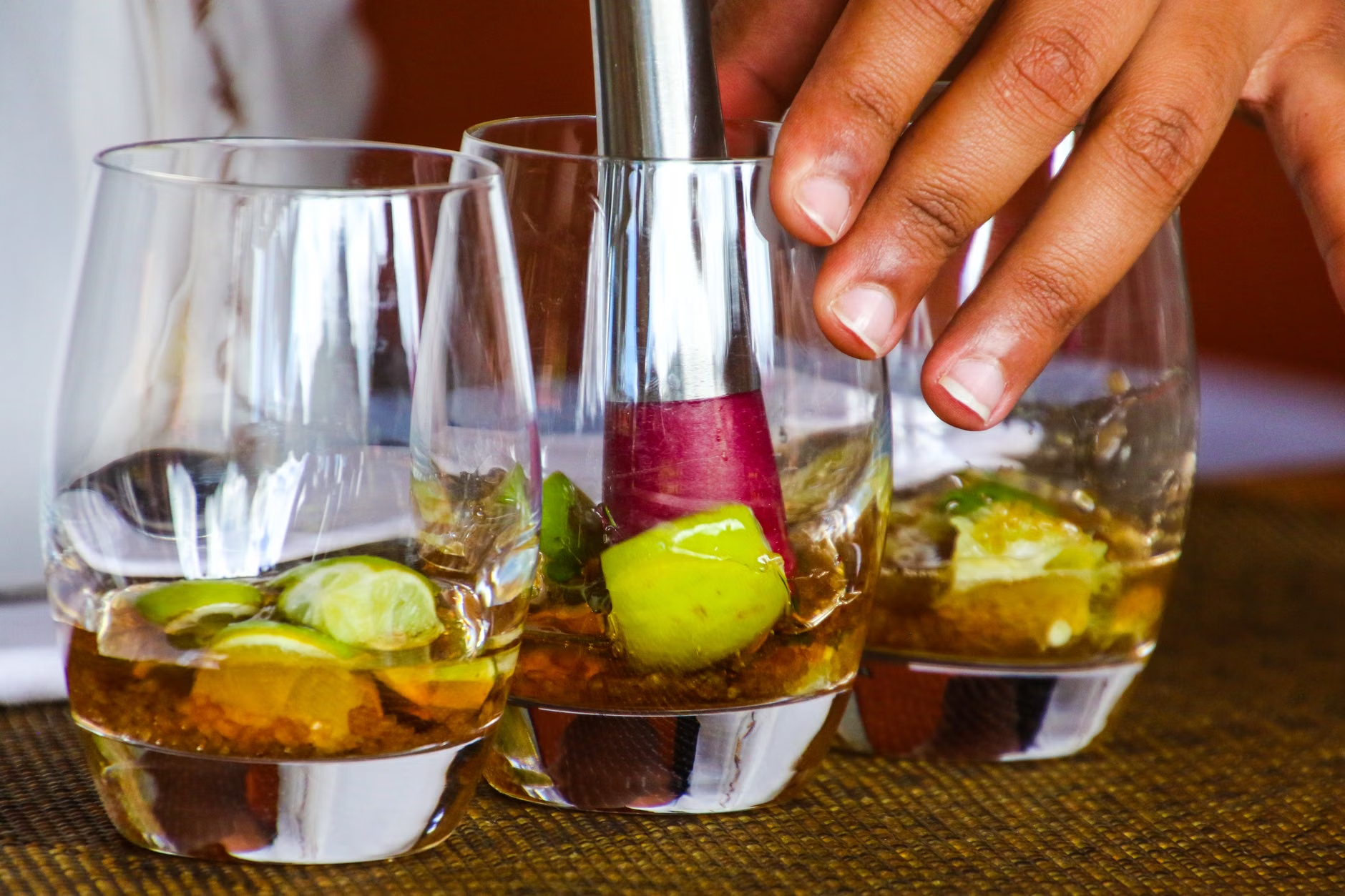
The science of social bonding suggests that shared tasks create “synchrony.” When you and your friends are all measuring out syrups, tasting flavor combinations, and debating whether a drink needs more lime or perhaps a splash of ginger shrub, you are working in tandem. This creates a natural, low-stakes environment where conversation can flow without the pressure of having to carry a monologue or fill awkward silences.
Why the “Zero-Proof” Label Matters
You might wonder why we need to call it “zero-proof” instead of just “fancy juice.” The distinction is critical. Calling it “mocktails” often carries a connotation of being less-than—a sugary, watered-down substitute. “Zero-proof” implies a craft. It places these drinks in the same category as high-end cocktails. It signals to your guests that you have put thought into the experience.
Furthermore, in this life stage, many of your peers are likely monitoring their health more closely. Whether it is because of early morning gym sessions, parenting duties that require a clear head, or a general desire to improve sleep quality, many people are looking for ways to socialize without the “hangover tax.” Providing a professional-level zero-proof experience shows that you respect your guests’ well-being while still providing a premium, indulgent experience.
Designing Your Workshop: A Step-by-Step Framework
Hosting a workshop sounds intimidating, but the secret is to keep the “lab” organized. You are not a professional bartender, and you don’t need to be. You are a facilitator. The goal is to provide the tools and let your friends experiment.
1. Setting the Stage: The Ingredient Bar
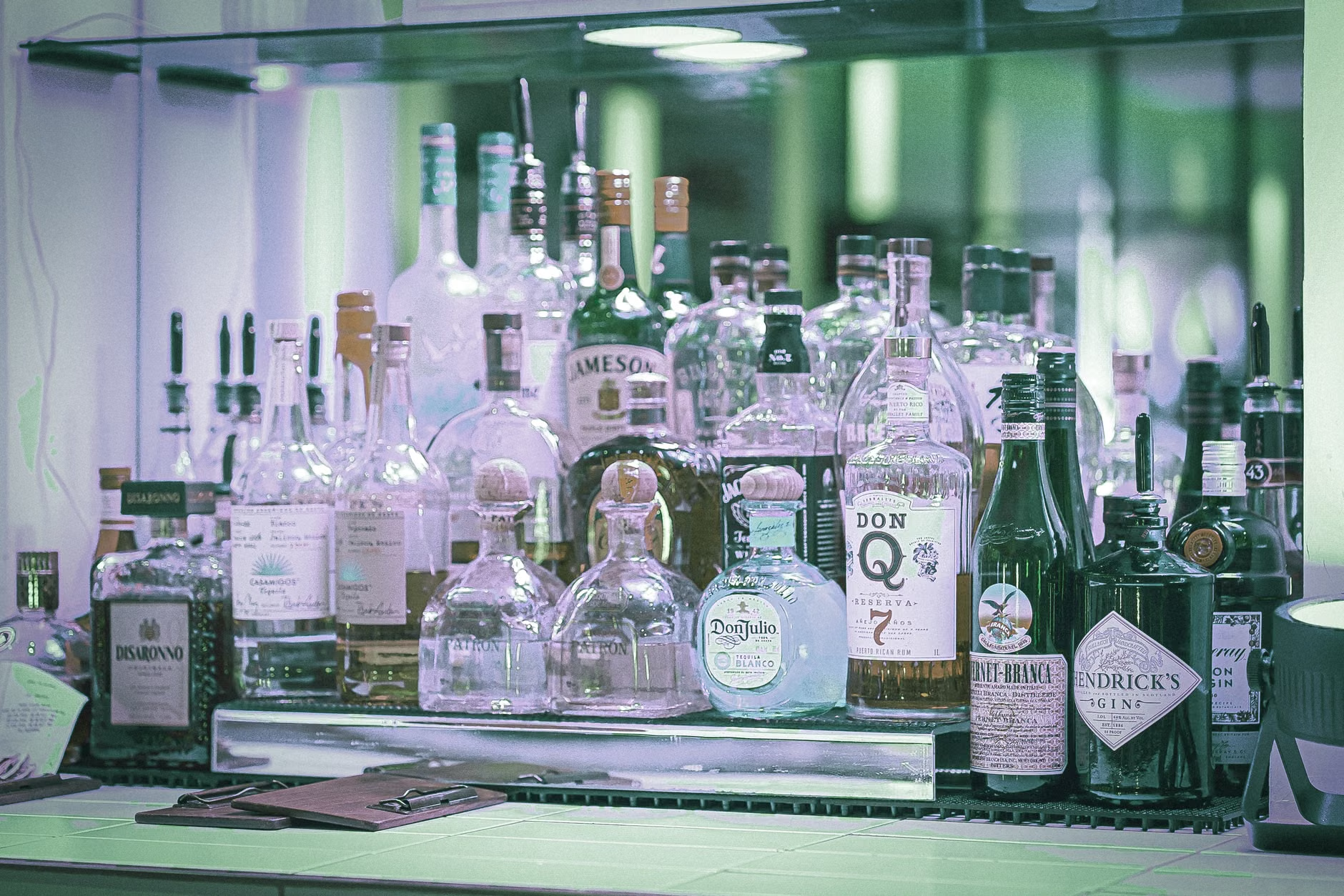
Do not try to make every drink for everyone. Instead, set up a “bar” of components. This gives your guests agency. A well-stocked zero-proof bar should include:
- The Base: High-quality botanical waters, sparkling teas, or non-alcoholic spirits (like Seedlip or Lyre’s, though these are optional—you can do wonders with just high-quality juices and infusions).
- The Acids: Freshly squeezed lemon, lime, grapefruit, and a few varieties of vinegar-based shrubs (berry shrub, apple ginger shrub).
- The Sweeteners: Homemade simple syrups (rosemary-infused, honey-lavender, or burnt orange).
- The Aromatics: Fresh herbs (mint, basil, thyme), edible flowers, or high-quality bitters (check labels, as some contain trace alcohol, though usually negligible).
2. The “Recipe” Cards
People often get overwhelmed by too much freedom. Provide three “base” recipes on printed cards. For example, a “Spiced Pear Fizz” or a “Cucumber Basil Smash.” Tell your guests they can follow the recipe exactly, or tweak one element. This provides a safety net for those who aren’t confident in their creative skills.
3. The Tasting Round
Schedule a “tasting round” halfway through the evening. Everyone presents the drink they created. This is the “community building” part. It forces everyone to stop, pay attention to the person who made the drink, and provide feedback. It is a simple, structured way to ensure that everyone gets a moment in the spotlight and that the conversation isn’t dominated by just one or two people.
The most common mistake when hosting a workshop for friends in their 30s and 40s is over-complicating the setup. If you spend the entire time behind the bar “working,” you aren’t actually part of the community you are trying to build. You are just a server.
| The Mistake | The Impact | The Fix |
|---|---|---|
| Trying to play “Master Mixologist” | You spend the night in the kitchen, missing the conversation. | Set up a self-serve bar; focus on guiding the process, not managing it. |
| Using cheap, sugary mixers | The drinks feel like soda, not a sophisticated craft experience. | Invest in fresh herbs, quality shrubs, and real citrus; avoid bottled “mocktail” mixes. |
| No structure for the activity | Guests end up just standing around, defaulting to standard small talk. | Use recipe cards and a group “tasting session” to anchor the social interaction. |
Another overlooked variable is the “sensory environment.” If you are hosting a mixology workshop, the room should smell like fresh citrus and herbs. Don’t use heavy scented candles that compete with the aromatics of the drinks. Keep the lighting warm and the music at a level where people can actually hear each other’s critiques of their drink creations. These small details signal that this is an intentional event, not just a casual hangout.
The Economics and Logistics of Hosting
Let’s talk about the cost. A major benefit of the zero-proof approach is that it is often significantly cheaper than hosting a traditional cocktail party. High-quality non-alcoholic ingredients, even when purchased at a premium, are usually less expensive than high-end spirits and wines. This allows you to splurge on better fresh ingredients—organic berries, local honey, or fresh-pressed juices—without breaking your monthly entertainment budget.
When planning, estimate about 3 to 4 drinks per person over the course of a three-hour session. Because zero-proof drinks are often more complex and sippable, people tend to consume them more slowly than they would an alcoholic beverage, which is another reason this format leads to better, more sustained conversations.
The “Host’s Burden” and How to Delegate
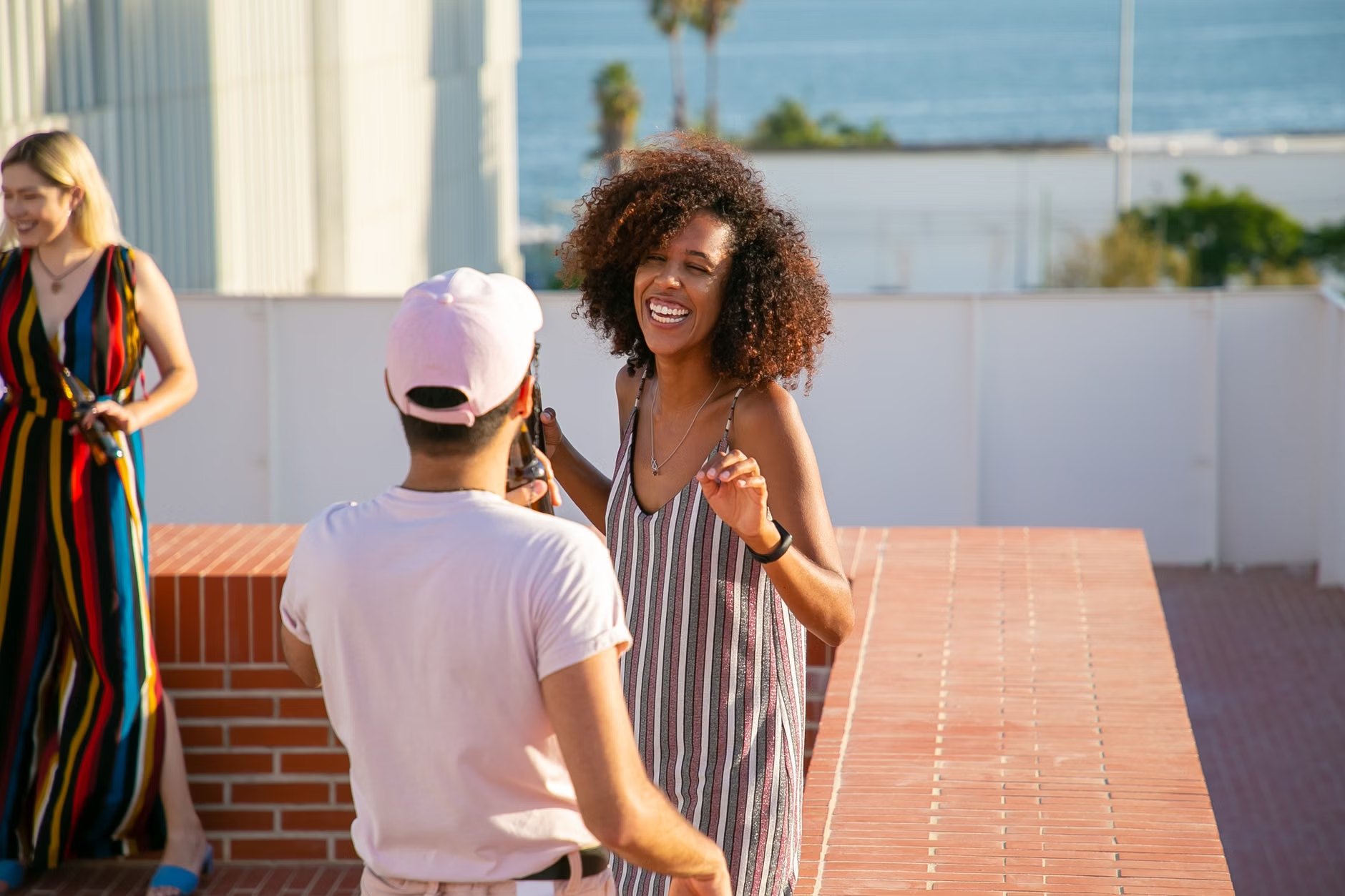
One of the biggest hurdles to hosting in our 30s is the sheer amount of work involved. To make this sustainable, make it a “contributory” workshop. Ask each guest to bring one unique ingredient—a specific type of herb, a unique fruit, or a homemade syrup. This not only lightens your load as a host but also gives guests a sense of ownership over the evening. It turns the preparation into a collaborative effort before the party even begins.
Why This Matters for Your Social Longevity
As we navigate our 30s and 40s, we often see our friend groups shrink. We get busy, we move, and our priorities shift. The biggest threat to adult friendships is not conflict, but “fading out” due to lack of shared experience. When your social life is centered around alcohol, it is easy for that to become the only thing you have in common. When you strip that away and replace it with a shared, creative activity, you are building a foundation of shared experiences that can survive even when schedules become chaotic.
Furthermore, the zero-proof movement is a reflection of a broader, more mature approach to life. It’s about choosing quality over quantity. It’s about being present for the people you care about. When you host a workshop like this, you are implicitly telling your friends that you value their company enough to make the event thoughtful and inclusive. You are creating a space where, for a few hours, the pressures of the “real world” can be set aside in favor of something creative, light, and deeply human.
The Hidden Trade-off: Engagement vs. Ease
Be aware that this format requires more “active” social energy. If you are exhausted and just want to collapse on the couch, this might not be the right night for a workshop. However, if you are looking to revitalize your social circle and move away from the “same old” routine, the extra effort is an investment that pays off in the quality of the interaction. The trade-off is simple: you give up the ease of a “grab a beer” night to gain the depth of a “create together” night.
For those interested in exploring the deeper science of flavor profiles to make their workshops even more impressive, consider looking into resources from organizations like the International Bartenders Association, which, while focused on alcohol, provides excellent foundational knowledge on flavor balancing that applies perfectly to zero-proof mixology. You can find their guidelines on flavor profiles at iba-world.com. For specific, non-alcoholic ingredient inspiration, look into the Zero Proof, No Logo movement or resources from professional mixologists like those featured on Punch Drink at punchdrink.com, who often cover the evolution of non-alcoholic craft.
Practical Takeaways for Your Next Move
The next time you feel the urge to invite friends over, resist the urge to just stock the fridge with beer and wine. Instead, pick a Saturday afternoon or a Friday evening and turn it into a zero-proof lab. Start small: pick a theme, like “Herbal Infusions” or “Citrus & Spice.” Send a quick message to your friends asking them to bring one unique ingredient. Keep the pressure low, keep the ingredients fresh, and focus on the act of creating together.
Remember, the goal isn’t to be a professional mixologist. The goal is to provide a space where your friends can be creative, feel included, and actually talk to one another. In a world that is increasingly digital and disconnected, that is a rare and valuable gift. By shifting the focus of your social life to something more intentional, you aren’t just hosting a party—you are building a community that lasts.
Frequently Asked Questions
1. Do I need to buy expensive non-alcoholic spirits to host a good workshop?
Not at all. While premium non-alcoholic spirits can add complexity, they are not strictly necessary. You can achieve incredible results using fresh juices, homemade herb-infused simple syrups, high-quality teas, shrubs (vinegar-based fruit syrups), and bitters. Focus on the quality of your fresh ingredients rather than the price of the base spirits.
2. What if some of my friends still want to drink alcohol?
The “zero-proof” approach is flexible. You can design your workshop so that the base non-alcoholic cocktails can easily be “spiked” if a guest chooses to add their own spirit of choice. This maintains the inclusive nature of the event while allowing for individual preference. The key is to keep the focus on the crafting of the base drink.
3. How do I keep the conversation from feeling forced during the “tasting” part?
Keep the tasting round casual and light. Instead of a formal presentation, just have people mention one thing they liked or one thing they would change next time. This removes the pressure to be an “expert” and turns it into a collaborative experiment, which feels much more natural and fun.
Hosting is about the people in the room, not the perfection of the drink. Start with what you have, keep it simple, and let the conversation do the heavy lifting.