Quick take: A racecation works best when the race is the anchor, not the entire trip. Confirm entry rules before buying transport, arrive early enough to absorb delays, keep pre-race sightseeing gentle, and plan your most ambitious tourism after the finish.
Travelling to run a road race has moved from niche hobby to a visible part of the wider fitness-tourism boom. Recent 2026 travel reports repeatedly highlight trips built around social fitness events, while global search interest continues to cluster around major sporting events and active holidays. The appealing idea is simple: collect a finish-line memory and a holiday in one itinerary. The logistics, however, deserve more thought than “shoes, passport, optimism.”
1. Choose a race that fits your real fitness
Start with distance, terrain, elevation, climate, start time and cutoff rules. A flat 10K is a very different holiday anchor from a humid trail marathon. Read the organiser’s official entry, transfer, cancellation and medical policies before paying for flights or hotels. Lottery entry is not confirmed entry, and many registrations cannot legally be resold or transferred.
If this is your first destination race, a 5K, 10K or half marathon usually leaves more room for travel disruption and sightseeing than an all-out marathon attempt. Pick a challenge you could complete without a perfect training block.
2. Build the itinerary around uncertainty
Arriving at least one full day before a short event—and often two or more before a longer one—creates a buffer for delayed baggage, transport changes, jet lag and packet collection. Check whether the race requires in-person collection and whether someone else may collect for you.
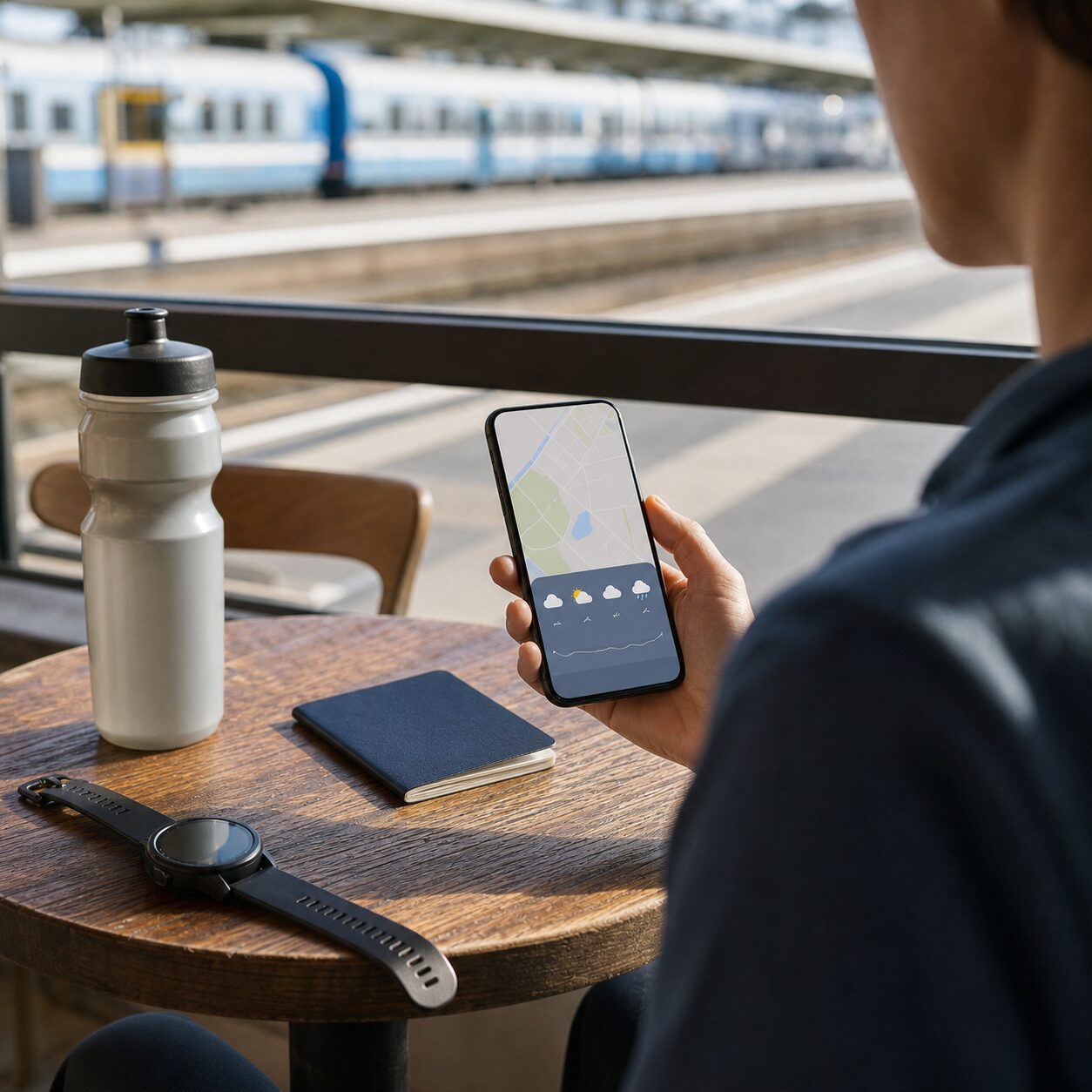
Keep race eve deliberately boring
Save the museum marathon, mountain hike and heroic tasting menu for later. A short walk, familiar food, fluids and an early night are not glamorous, but neither is reaching the start line with sore feet and an argument with your stomach.
3. Protect the items you cannot replace easily
Keep running shoes, one complete race outfit, essential documents and any permitted personal medication in carry-on baggage. Wear-tested gear beats something purchased at the expo. Bring layers suited to waiting before the start and cooling down afterward; organisers may have specific rules for bag drop and discarded clothing.
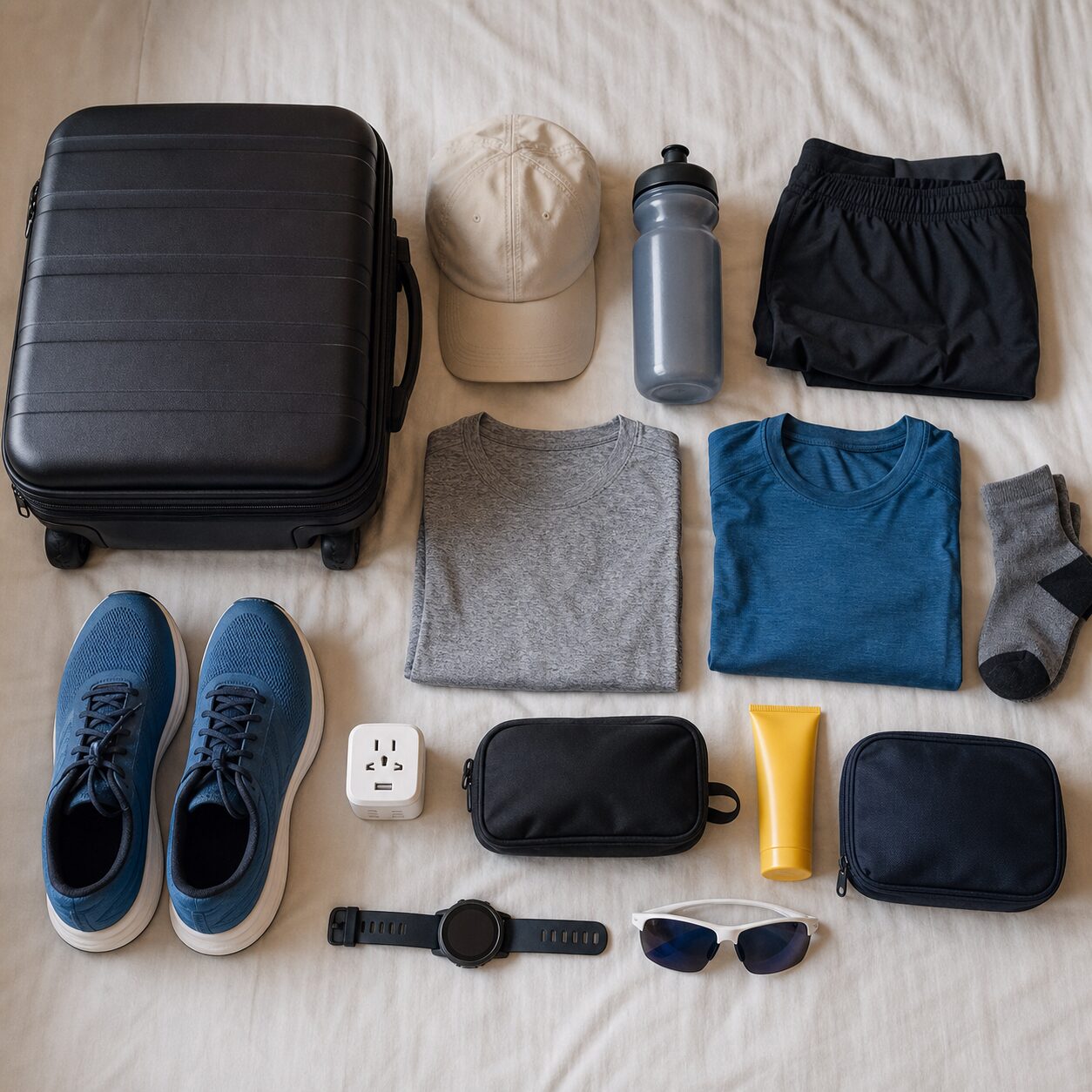
- Shoes and socks already tested in training
- Race outfit plus weather layer
- Entry confirmation and identification required by the organiser
- Refillable bottle where local rules permit
- Sunscreen and simple blister supplies
- Travel adapter and watch charger
4. Treat climate and time zones as part of the course
Check historical conditions, then follow the latest official forecast close to race day. Heat, humidity, altitude, cold and air quality can change the effort required. Adjust pace rather than trying to force a personal best in unfamiliar conditions. For long-haul trips, gradually shifting sleep and meal timing before departure may help, but no hack fully erases jet lag.
Follow race-organiser alerts and local public-health advice. If officials shorten, delay or cancel an event, the sensible response is to adapt—not to recreate the course alone in unsafe conditions.
5. Plan recovery before you plan celebration
Arrange a clear route from finish area to accommodation, especially where roads or public transport close. Eat and drink according to your usual post-run routine, change out of wet clothing, and keep the first hours flexible. Severe chest pain, fainting, confusion or worsening breathing difficulty needs urgent local medical help.
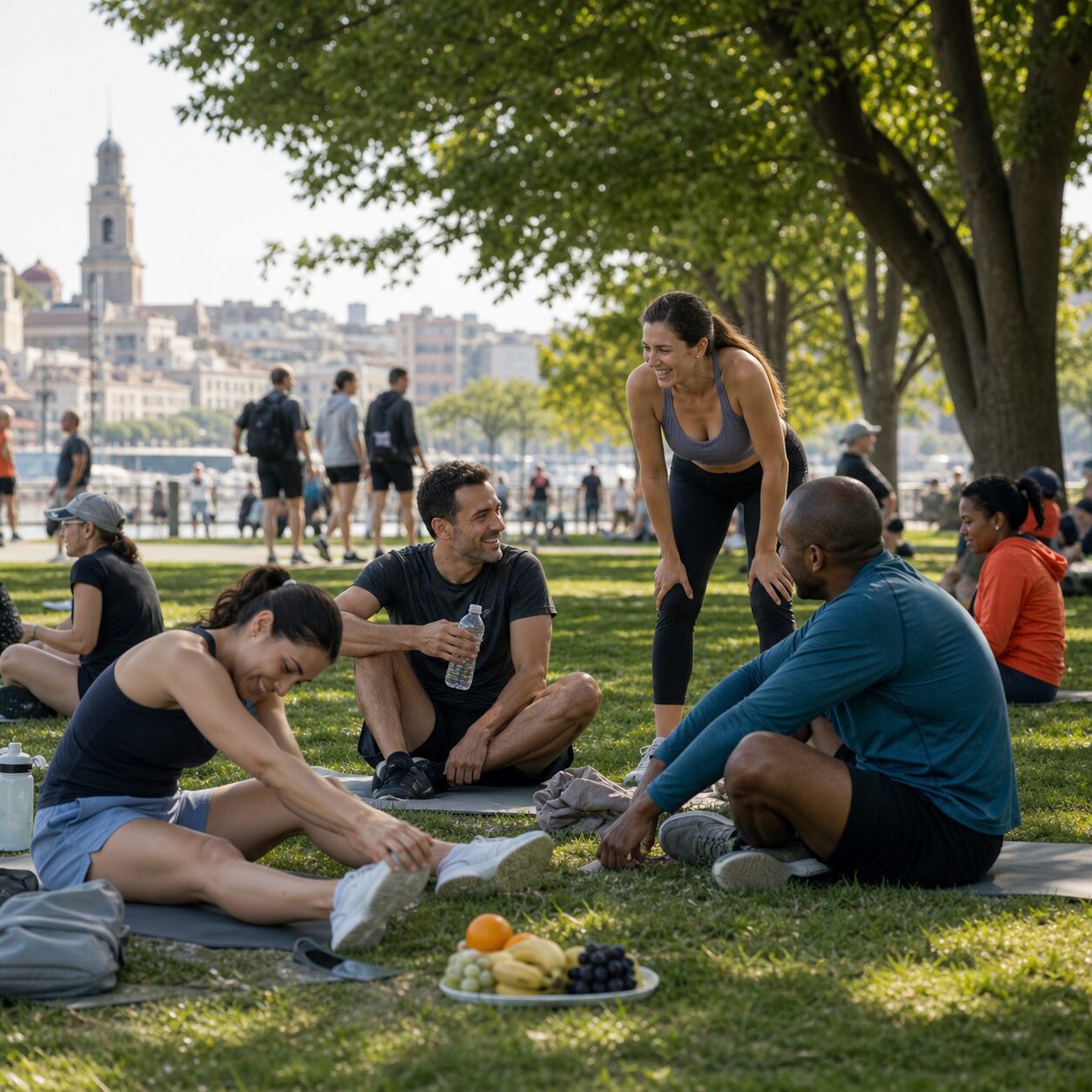
Put long transfers and demanding excursions after a recovery day when possible. Gentle walking can feel good, but sharp or worsening pain is not a souvenir worth collecting.
6. Budget for the whole event, not only the entry
Add transport to the start, baggage fees, packet collection, local taxes, insurance, meals, recovery time and a contingency fund. Review whether travel insurance covers amateur event participation and what evidence is required for cancellation claims. Policies vary widely, so read the wording rather than relying on a comparison-page headline.
A compact racecation checklist
- Entry is confirmed and transfer rules are understood.
- Passport, visa and travel requirements are checked with official sources.
- Arrival includes a realistic disruption buffer.
- Race kit is in carry-on baggage.
- Start, finish and packet-collection transport is mapped.
- Pre-race food is familiar and sightseeing is light.
- Post-race recovery and an emergency contact are planned.
Frequently asked questions
Should I race for a personal best on a racecation?
Only if training, travel and conditions all support it. For a first destination event, running by effort and enjoying the course is usually the more resilient plan.
How early should I arrive?
There is no universal rule. Short domestic trips may need one full buffer day; long-haul travel, major time-zone changes and mandatory expos often justify two or more. Work backward from official collection deadlines.
Can travel insurance cover a cancelled race?
Sometimes, but not automatically. Event-entry fees, travel disruption and amateur sports participation may be treated differently. Check exclusions, covered reasons and documentation directly with the insurer.
Sources and trend context
- Google Trends: Trending Now worldwide
- Global Wellness Institute: 2026 wellness tourism trends
- VisitScotland: 2026 athleisure travel trend
- Mastercard: 2026 global travel trendlines
This article provides general travel and wellness information, not medical advice or a personalised training plan.