- Quality over quantity: Second-hand luxury allows you to acquire high-end, durable materials like wool, silk, and leather at 50-70% off retail prices, ensuring your professional wardrobe lasts longer.
- Authentication is non-negotiable: When buying high-ticket items, always prioritize platforms with professional, in-house authentication services to avoid the risks of the counterfeit market.
- The “Capsule” Logic: Focus on timeless, neutral-toned staples—blazers, trousers, and structured bags—which offer the highest return on investment for daily office wear.
If you are in your 30s or 40s, you’ve likely reached a point where your wardrobe needs to do more than just look good; it needs to be functional, durable, and representative of your professional stage. The days of “fast fashion” hauls are behind you, replaced by the realization that a well-tailored blazer or a high-quality leather tote is an investment in your career image. However, buying these items new can be a massive drain on your household budget, especially when you are balancing childcare costs, mortgage payments, and the general unpredictability of adult life.
This is where the second-hand luxury movement—often called “pre-loved” or “re-commerce”—comes in. It isn’t just about saving money; it is about accessing superior craftsmanship that you might otherwise overlook. By shifting your focus from the “newness” of a garment to its longevity, you can curate a professional wardrobe that is both sustainable and undeniably sharp.
Why Professional Luxury Items Depreciate, and Why That Benefits You
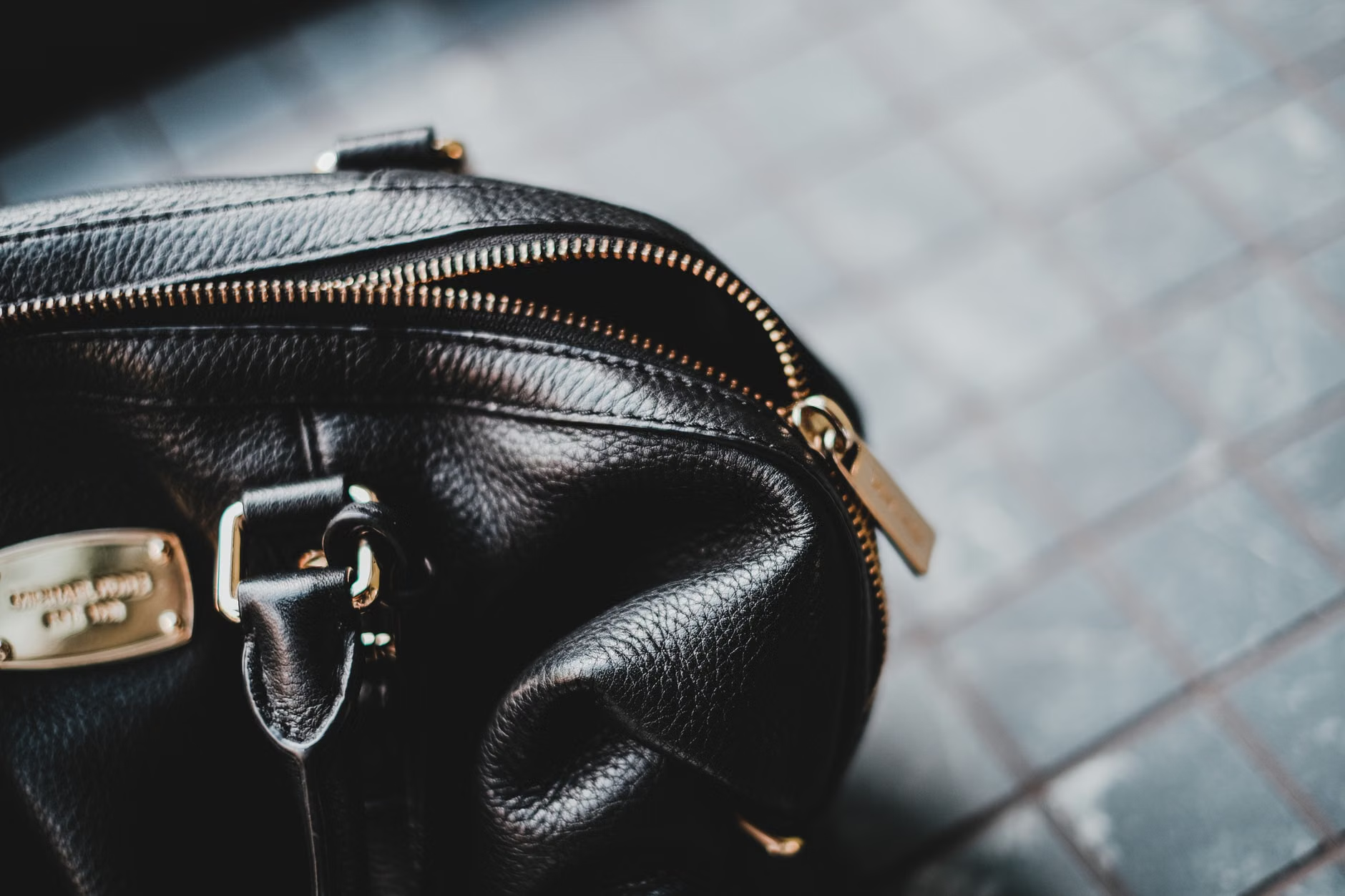
The primary reason the second-hand market is a goldmine for professionals is the nature of luxury depreciation. When a luxury item leaves a retail boutique, its market value often drops significantly, even if the item has barely been worn. For the buyer, this is an incredible opportunity. You are essentially paying for the brand’s heritage, the quality of the materials, and the expert tailoring, without the “luxury premium” that retailers charge to cover marketing and flagship store overheads.
Consider the difference between a mid-tier high-street blazer and a second-hand designer piece. A high-street blazer might cost $200, but after six months of dry cleaning and daily wear, the lining might fray, or the shape might sag. A high-end designer blazer, even if it is five years old, is often constructed with superior interlining, real horn buttons, and high-quality wool or silk blends. These garments are designed to be tailored and repaired, making them a much more sustainable long-term asset for your closet.
The Economics of the “Power Suit”
In your 30s and 40s, your time is at a premium. You don’t want to be shopping every weekend. By investing in second-hand luxury, you are buying into a “slow fashion” model. You are looking for pieces that offer timeless silhouettes. A classic trench coat, a pair of tailored trousers, or a structured leather bag doesn’t go out of style. When you source these second-hand, you can often acquire three or four high-quality pieces for the price of one new item from a department store.
However, there is a common pitfall: buying “trendy” luxury items that will feel dated in a year. The key to this movement is prioritizing classic design over seasonal hype. Avoid items with prominent logos or bold, trend-driven prints. Instead, look for neutral colors—navy, charcoal, camel, black, and cream. These are the building blocks of a professional wardrobe that will serve you for years.
The biggest hurdle for most people entering the second-hand market is the fear of fakes. It’s a valid concern. The counterfeit market is sophisticated, and even seasoned shoppers can be fooled. The solution is to stick to platforms that provide in-house authentication. These platforms act as intermediaries; the seller sends the item to the platform, experts inspect it, and then it is shipped to you.
Here is a breakdown of the most reliable channels for sourcing professional attire:
| Channel Type | Best For | Pros | Cons |
|---|---|---|---|
| Managed Luxury Platforms (e.g., The RealReal, Vestiaire Collective) | High-end designer bags, shoes, and coats | Authentication guarantees, wide selection | Higher commission fees, shipping times |
| Curated Consignment Boutiques | Workwear, blazers, tailoring | Ability to try on, local support | Limited inventory, regional availability |
| Peer-to-Peer Marketplaces (e.g., eBay, Poshmark) | Specific vintage finds, lower-priced items | Lower prices, direct negotiation | Higher risk of fakes, requires due diligence |
If you are looking for a specific item, such as a high-end designer handbag for work, always use a platform that offers a money-back guarantee based on authentication. Never purchase a high-ticket item from a private seller on an unverified platform without third-party proof of authenticity. If the price looks too good to be true, it almost always is.
The Art of the “Professional Capsule”
To make the most of your second-hand luxury strategy, you need to think like a curator. Don’t just browse; search with a plan. Start by auditing your current closet. What are you missing? Most professionals find that their wardrobe “holes” are in the basics: a great pair of black trousers, a versatile blazer, or a high-quality leather work bag.
When you start searching, set alerts for specific brands that you know fit your body well. If you have found that a particular luxury brand’s trousers fit you perfectly, set a search alert for that brand on your preferred platforms. This way, you aren’t scrolling aimlessly; you are hunting for specific, high-quality assets that you know will work for you.
Common Mistakes to Avoid
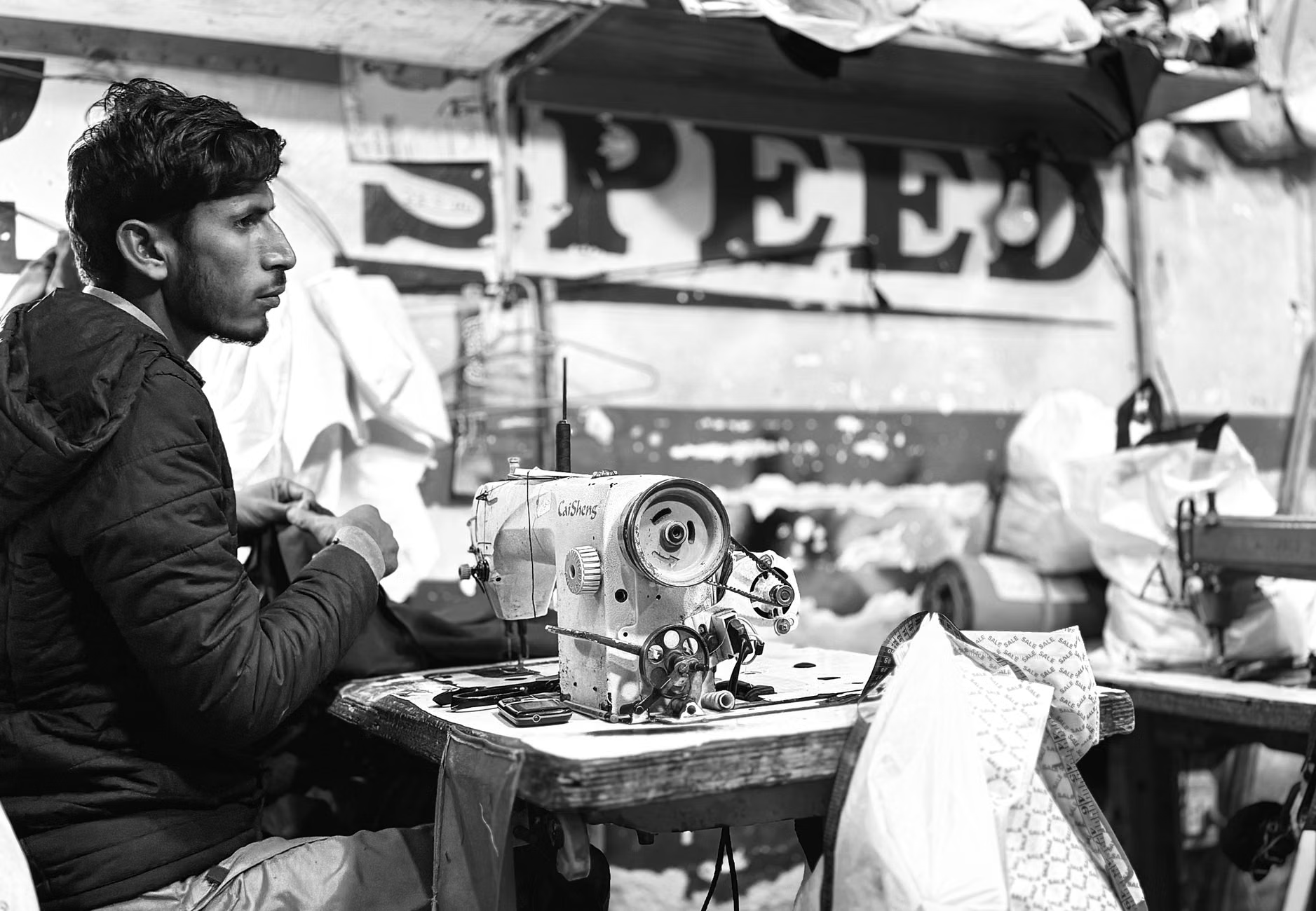
The most common mistake people make when buying pre-loved is failing to account for tailoring costs. A second-hand item, while cheaper, might not be a perfect fit. Factor in the cost of a good tailor when you are evaluating the price of a garment. A $100 blazer that needs $50 in alterations is still a massive bargain compared to a $600 retail version. Always check the garment’s measurements provided by the seller, not just the “size” label, as sizing varies wildly across brands and decades.
Another mistake is ignoring fabric composition. In the world of professional wear, natural fibers are superior. Look for labels that list 100% wool, silk, cotton, or linen. Synthetic fabrics, even from high-end brands, tend to hold odors and lose their shape over time. When you are buying second-hand, you want materials that can be refreshed with a simple dry clean or steam.
Sustainability and the “Hidden” Value
Beyond the personal financial gain, there is the undeniable environmental impact. The fashion industry is one of the largest contributors to global waste. By extending the life of a garment, you are actively reducing the demand for new production. For parents in their 30s and 40s, this is often a value-driven decision. We want to teach our children about consumption and the importance of caring for the things we own. Wearing a piece of high-quality, pre-loved clothing is a quiet but powerful way to model those values.
Furthermore, many luxury brands have moved toward “made in” locations that prioritize volume over craftsmanship. Older, pre-owned pieces from the 1990s or early 2000s were often manufactured with higher labor standards and more robust construction techniques. In many cases, the “second-hand” version of a classic item is actually of better quality than the version currently sold in the store.
Step-by-Step: Building Your Professional Pre-Loved Collection
If you are ready to start, follow these steps to ensure you get the most value for your time and money:
- Audit: Identify the three items that would have the biggest impact on your daily work rotation.
- Research: Know your size in the specific luxury brands you are targeting. Luxury brands often run smaller than standard high-street brands.
- Filter: On your chosen platform, set filters for “Excellent” or “Very Good” condition. Avoid “Fair” or “Poor” unless you are very comfortable with textile repair.
- Verify: Check the seller’s ratings and the platform’s authentication policy.
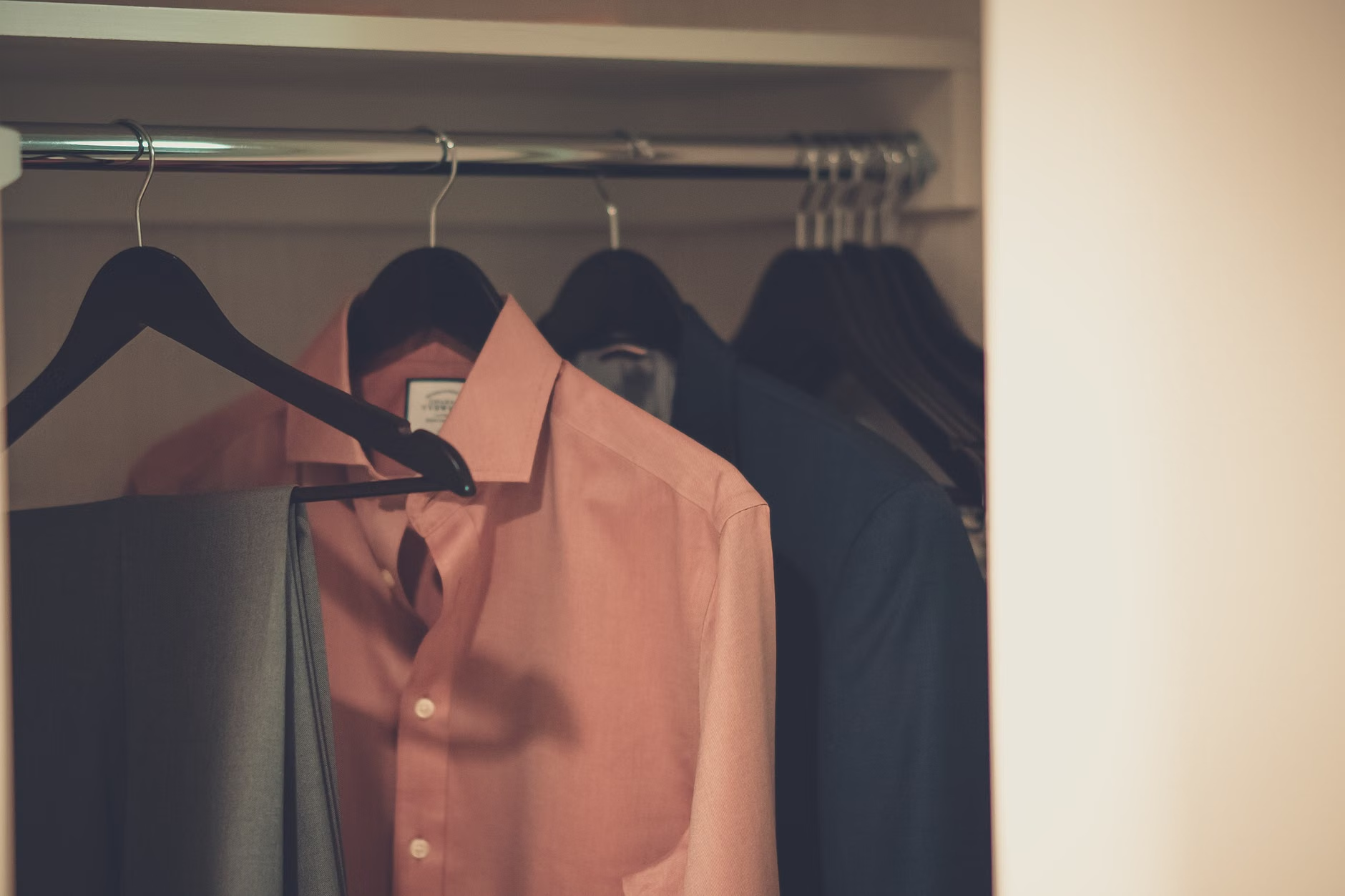
- Maintain: Once your item arrives, invest in proper storage—wooden hangers for blazers, dust bags for leather goods—to ensure your investment lasts for years.
Remember, this is a long-term game. You don’t need to build your entire wardrobe in a week. Start with one high-quality blazer or one classic bag. As you become more comfortable with the process, you will find that your professional style becomes more distinct, more sustainable, and significantly more affordable.
Final Thoughts: A Strategy for the Long Term
The movement toward second-hand luxury is not just a trend for the eco-conscious; it is a smart, strategic approach to professional life. By choosing quality over quantity, you are building a wardrobe that works as hard as you do. You are saving money, reducing waste, and often ending up with pieces that are better constructed than what you could find in a modern retail environment.
Start small, be patient, and keep your eye on the long-term utility of each piece. Your professional image is an asset—treat it with the same care you would any other investment. With a bit of research and a discerning eye, you can maintain a high-powered look that respects both your budget and your values.
Frequently Asked Questions
1. How do I know if an item is authentic?
Always use platforms that offer professional, in-house authentication services. If you are buying from a private seller, look for original receipts, tags, or serial numbers, and consider using a third-party authentication service that reviews photos before you finalize the transaction.
2. Is it worth buying second-hand if the item needs alterations?
Yes, provided the cost of the garment plus the cost of the alterations is still significantly lower than a comparable new item. A well-tailored, second-hand designer blazer will almost always look better and last longer than a poorly-fitting, brand-new budget blazer.
3. What should I do if a pre-loved item doesn’t fit?
Before buying, always check the exact measurements (pit-to-pit, shoulder width, sleeve length) rather than relying on the size tag. If the item doesn’t fit, most reputable resale platforms allow for returns, or you can easily re-list the item on the same platform to recoup your costs.
For more information on the environmental impact of fashion, you can visit the UN Environment Programme’s resources on sustainable fashion.