- Prioritize Social Comfort: When packing “traditional” snacks, focus on items that are low-odor, easy to share, or visually familiar to avoid unnecessary social friction for your child.
- The 80/20 Rule: Use 80% of the lunchbox for familiar, school-normative snacks and 20% for “heritage” items to build confidence before introducing more distinct cultural flavors.
- Texture is Key: Many cultural snacks rely on unique textures that may be perceived as “strange” by peers; focus on crispy, crunchy, or mild-flavored versions to ensure your child finishes their meal.
The “Third-Culture” lunchbox is less about the food itself and more about the delicate negotiation between home identity and school reality. If you are raising children in a country that isn’t your own, or if your household blends two or more distinct culinary traditions, the school snack is often the first place your child encounters the “otherness” of their diet. It’s that moment when they open their bag and realize their snack looks, smells, or feels fundamentally different from the sandwiches and pre-packaged granola bars surrounding them.
For parents in their 30s and 40s, this isn’t just about nutrition. It is about social navigation. You want to honor your cultural heritage and provide healthy, wholesome food, but you also want your child to avoid the “weird lunch” label that can inadvertently lead to self-consciousness. The goal is to build a bridge—not a wall—between the kitchen at home and the cafeteria at school.
The Psychology of the School Snack
Why does a snack matter so much? In the primary and middle school years, food is a primary social currency. Children in this age group are naturally conformist. They look to their peers to define what is “normal.” When a child brings a snack that deviates significantly from the norm, they are often placed in the position of being an “ambassador” for their culture, whether they want to be or not.
This is where the “Social Friction Index” comes into play. High-friction snacks are those that require explanation, create strong odors, or have a texture that is unfamiliar. Low-friction snacks are those that look and behave like the items their peers are eating. As a parent, your task is to keep the friction low enough that your child doesn’t feel the need to hide their food, while keeping the nutritional and cultural value high enough to satisfy your family values.
Consider the difference between a homemade, pungent fermented dish versus a mild, vegetable-based snack inspired by the same culture. The former might cause social anxiety; the latter serves as a gateway. By focusing on the elements of your culture—the flavors, the colors, the ingredients—rather than the entirety of a traditional dish, you can integrate your heritage into a lunchbox that feels perfectly at home in a global school environment.
Strategic Integration: The 80/20 Rule
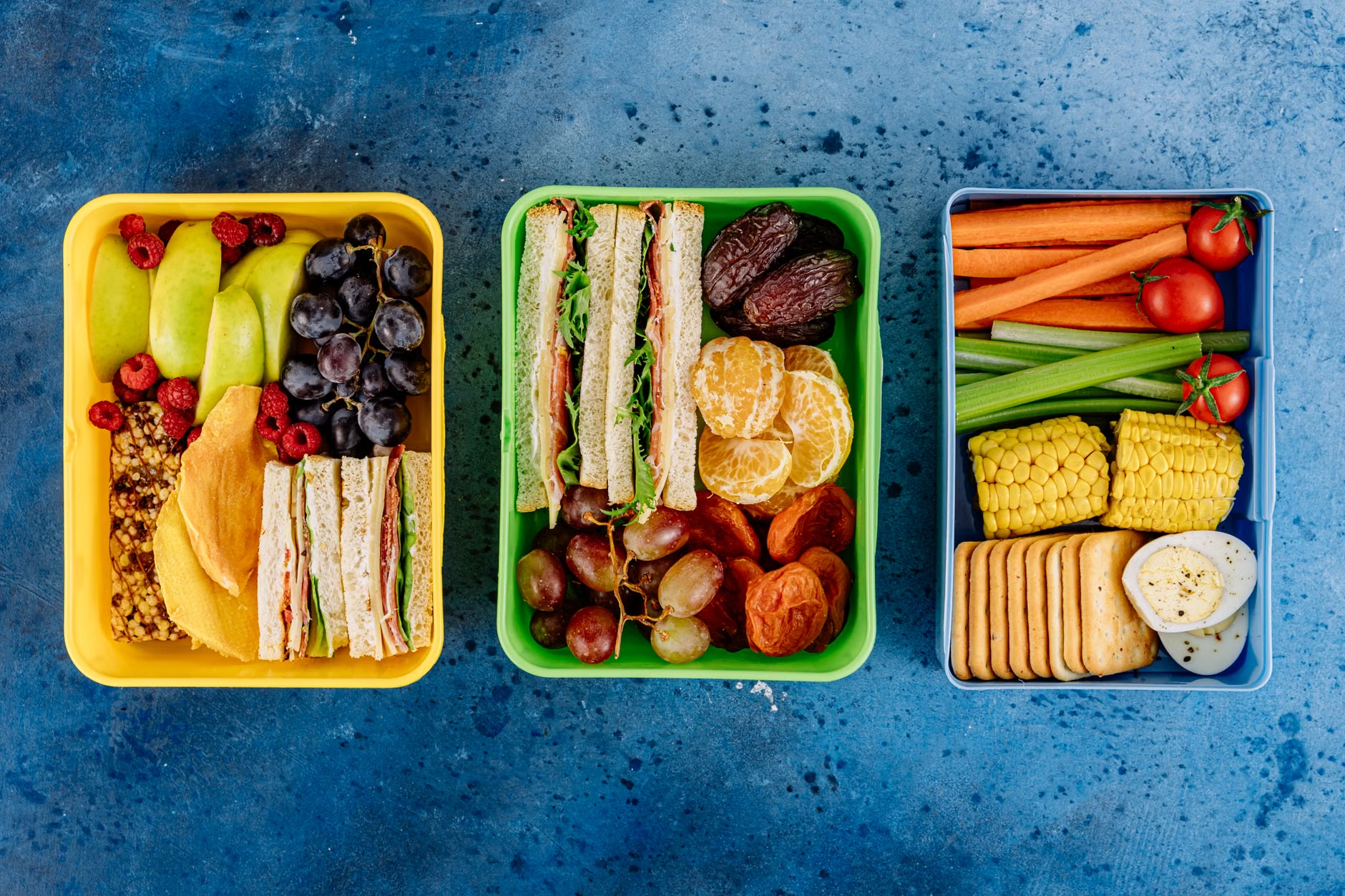
If you try to make every component of a snack box a “heritage” item, you risk overwhelming your child and potentially discouraging them from eating their lunch. Instead, use the 80/20 rule. Allocate 80% of the lunchbox to “neutral” or “normative” snacks—things like sliced fruit, cheese sticks, whole grain crackers, or yogurt. These are the safe harbors.
The remaining 20% is your space for cultural expression. This is where a small portion of a traditional snack, a specific type of seasoning, or a fruit native to your home country can be introduced. This ratio ensures that if your child decides they aren’t in the mood for the “different” item that day, they still have a substantial, familiar meal to fall back on. It removes the pressure from the child to “perform” their culture.
Applying the 80/20 Framework
| Category | Neutral Component (80%) | Cultural Component (20%) |
|---|---|---|
| Crunchy | Plain rice crackers or carrot sticks | Seaweed crisps or spiced chickpeas |
| Protein | Hard-boiled eggs or cheese cubes | Edamame or seasoned tofu bites |
| Sweet | Apple slices or grapes | Dried mango or a small mochi piece |
The effectiveness of this strategy relies on the “Consistency Principle.” If you pack a cultural item once every three months, it will always be a novelty, and novelty attracts comments. If you pack it consistently, it becomes part of the “new normal” for your child’s peer group. When the “weird” thing is present every Tuesday, it eventually just becomes “the snack that my friend eats on Tuesdays.”
Managing Perception: The Odor and Texture Factor
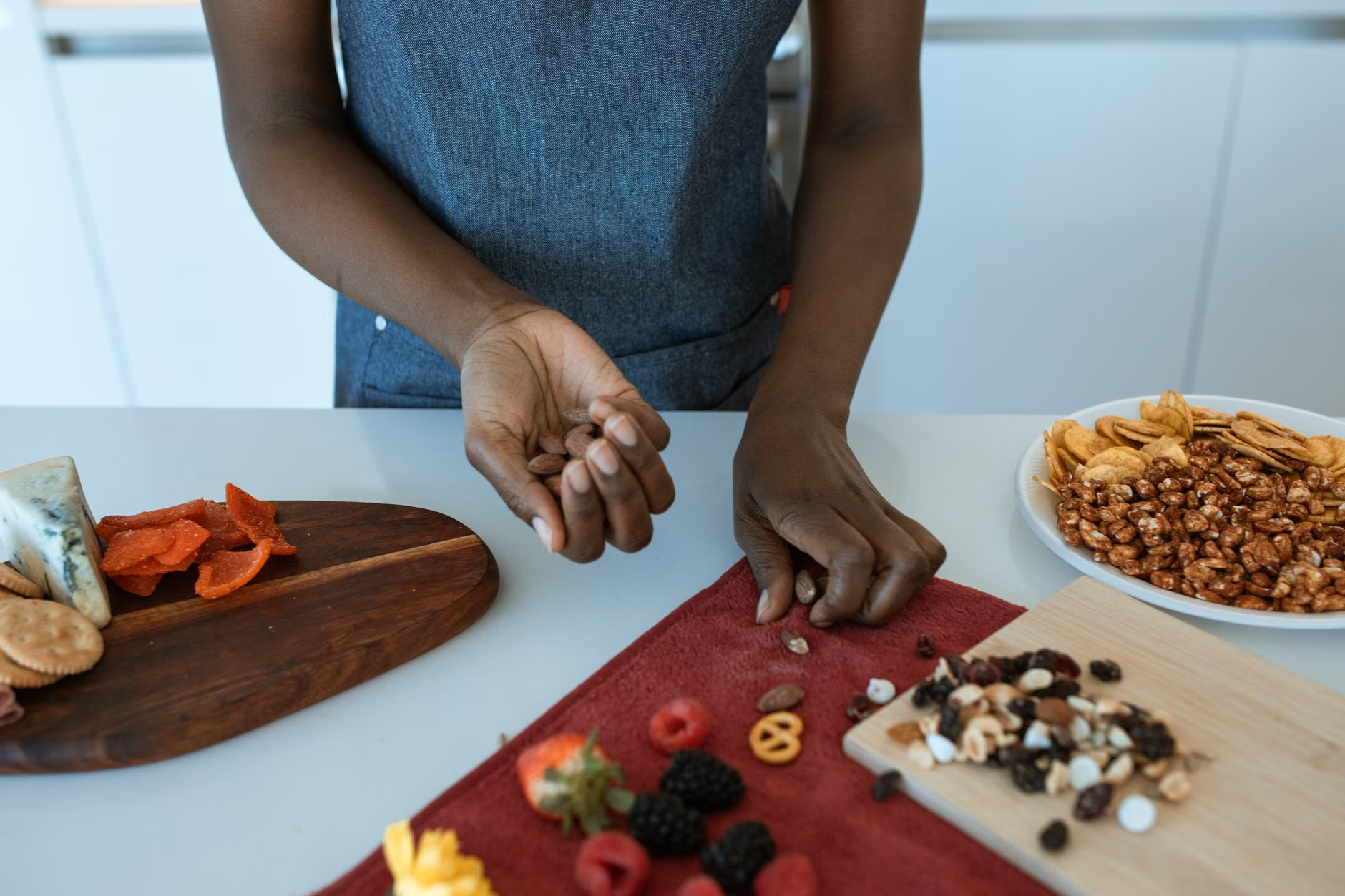
One of the most common mistakes parents make is ignoring the sensory profile of the food. In a school setting, odor is the primary trigger for social friction. Foods that are pungent, even if they are delicious and healthy, carry a high risk of causing discomfort for a child who just wants to blend in.
This doesn’t mean you have to abandon your favorite ingredients. It means you must adapt the preparation. If your culture relies on garlic, onions, or fermented elements, consider how these can be used in a way that minimizes their room-filling aroma. For example, instead of a heavy garlic stir-fry, use a mild garlic-infused oil or a small amount of roasted garlic paste that remains contained within the food item.
Texture is the secondary factor. Many global snacks feature textures that are soft, gelatinous, or fibrous. While these are perfectly normal in many parts of the world, they can be off-putting to children accustomed to the crunch of processed snacks. If you are introducing a softer traditional item, pair it with something crunchy. This contrast creates a more familiar mouthfeel and makes the transition easier for your child to navigate.
Choosing the Right Tools for the Job
The container you choose is as much a part of the “third-culture” experience as the food itself. A bento-style box with multiple compartments is often superior to a single-compartment bag. The compartments allow for strict separation. This prevents the “leakage” of flavors or smells from your cultural items into the more neutral components of the lunchbox.
Furthermore, using a container that is aesthetically pleasing—sleek, clean, and modern—can change how the food is perceived. If the presentation is professional and organized, it signals to the child and their peers that this is a deliberate, high-quality meal, rather than a collection of “leftovers.”
Decision Criteria for Lunchbox Gear
- Compartmentalization: Does it prevent juice or scents from transferring between sections? (Essential for complex cultural meals).
- Ease of Opening: Can your child open it independently? If they have to ask a teacher for help with a complex, unfamiliar container, it increases the “spotlight” on their lunch.
- Insulation: Does it keep hot/cold items at the right temperature? Many cultural dishes lose their appeal when they reach room temperature and change texture.
The Role of Communication and Agency
The most important step is often the one we forget: talking to our children. Your child is the one who has to sit in the cafeteria and eat the food. Their perspective is the only one that truly matters in the immediate moment. Before you overhaul their snack routine, hold a “snack summit.”
Ask them: “Do you like the way your snacks look compared to your friends?” and “Is there anything you are embarrassed to bring?” Listen to the answers without defensiveness. If they say they are embarrassed by a specific item, do not force it. Forcing a child to bring a food they are self-conscious about is a surefire way to make them resent that part of their heritage.
Instead, use their feedback to iterate. If they are embarrassed by the smell, find a way to make it less aromatic. If they are embarrassed by the appearance, find a way to make it more discreet. Give them agency in the process. When a child helps choose the ingredients, they are more likely to defend their food if a peer asks about it. They become an expert on their own snack, rather than a victim of it.
When “Different” Becomes a Superpower
As children move into their teenage years, the perspective on cultural food often shifts. What was “weird” in the third grade can become “cool” or “sophisticated” by the time they are in secondary school. The goal of the third-culture parent is to keep the door open for this transition. By providing a diverse, healthy, and culturally rich diet throughout their younger years, you are building a palate that will eventually serve them well.
Avoid the trap of “ghettoizing” your food. Don’t treat your cultural snacks as a “lesson” in your heritage every day. Treat them as food. If you find yourself explaining the cultural significance of a snack every time you pack it, you are turning lunch into a lecture. Just pack it, let them eat it, and let the food speak for itself. The cultural pride will come naturally as they grow older and realize the value of the variety you provided.
Remember that the school environment is a temporary, albeit intense, phase of your child’s life. Your influence as a parent—the way you model food choices, the way you speak about different cultures, and the way you handle social pressure—will have a much longer-lasting impact than the specific ingredients in their lunchbox. If you stay flexible, keep the friction low, and prioritize your child’s social comfort, you will successfully navigate the third-culture snack challenge.
Practical Next Steps for Parents
To begin implementing these strategies, start by auditing your child’s current snack habits. Identify the “safe” items they consume without issue. Once you have a list of three or four of these, begin introducing one cultural item per week. Monitor the response, both from your child and, if appropriate, ask them casually about any comments from peers. Keep the preparation simple and focus on high-quality, fresh ingredients that highlight the best of your culinary tradition without the social baggage of extreme odors or complex textures.
Ultimately, the third-culture lunchbox is a practice in balance. It is about honoring where you come from while respecting the environment your child lives in today. It is a small, daily act of parenting that, over time, helps your child build a strong sense of self that is comfortable in any cultural context.
For more information on nutritional standards in various school systems, you can refer to the World Health Organization’s guidelines on healthy diets, which provide a universal baseline for what constitutes a balanced snack regardless of cultural context.
Frequently Asked Questions
What if my child refuses to eat the ‘heritage’ portion of their snack?
This is a common reaction, especially if the child is feeling social pressure. Do not turn it into a battle. Simply remove the item for a few weeks and reintroduce it in a different form—perhaps as a component of a larger, more familiar dish, or prepared with a different texture. The goal is to keep the experience positive.
How do I handle teachers or peers who make negative comments about my child’s food?
If a teacher makes a comment, address it professionally and directly. Explain that your child’s lunch is a reflection of your family’s culture and nutrition, and that you would appreciate it if they could help create an inclusive environment. If peers make comments, focus on empowering your child with a simple, confident script: “It’s just a traditional snack from my family—it’s really good,” and then change the subject.
Are there specific ‘gateway’ snacks that work well for most third-culture kids?
Yes, focus on items that are universally recognized but have a cultural twist. For example, fruit-based snacks, mild vegetable dips, or small, non-messy pastries. Anything that can be held in one hand and eaten without creating a mess or a strong odor is usually a safe bet for a child who is nervous about standing out.
Note: This article is intended for informational purposes and does not constitute professional nutritional or psychological advice. Always consider your child’s specific dietary needs and school policies regarding allergies and food safety.