- Prioritize Unit Pricing: In an era of shrinking package sizes (shrinkflation), the price per gram or ounce is the only metric that reveals true value.
- Embrace “Flexible Pantry” Planning: Move away from rigid weekly recipes; instead, build meals around the most stable, shelf-stable, or seasonally discounted items available.
- Master the Cold Chain: Proper freezer management—specifically vacuum sealing and portioning—is the single most effective way to eliminate the 30% of household food waste that currently destroys your grocery budget.
If you have walked into your local supermarket lately, you have likely noticed that the price tag on a bag of flour or a carton of eggs feels less like a simple cost and more like a fluctuating stock market ticker. As we move through 2026, the term “resource scarcity” has moved from the pages of academic journals into our everyday shopping reality. For those of us in our 30s and 40s—balancing school runs, career demands, and the constant, crushing need to keep the fridge stocked—this isn’t just an abstract economic trend. It is a daily logistical challenge.
The goal here isn’t to panic about the global supply chain, but to provide you with a tactical framework for navigating these grocery aisles. When supplies are inconsistent and prices are volatile, the “old way” of shopping—grabbing whatever looks good on a whim—is a luxury that most households can no longer afford. Let’s break down how to optimize your kitchen and your wallet for the current climate.
The Hidden Math of Shrinkflation and Unit Pricing
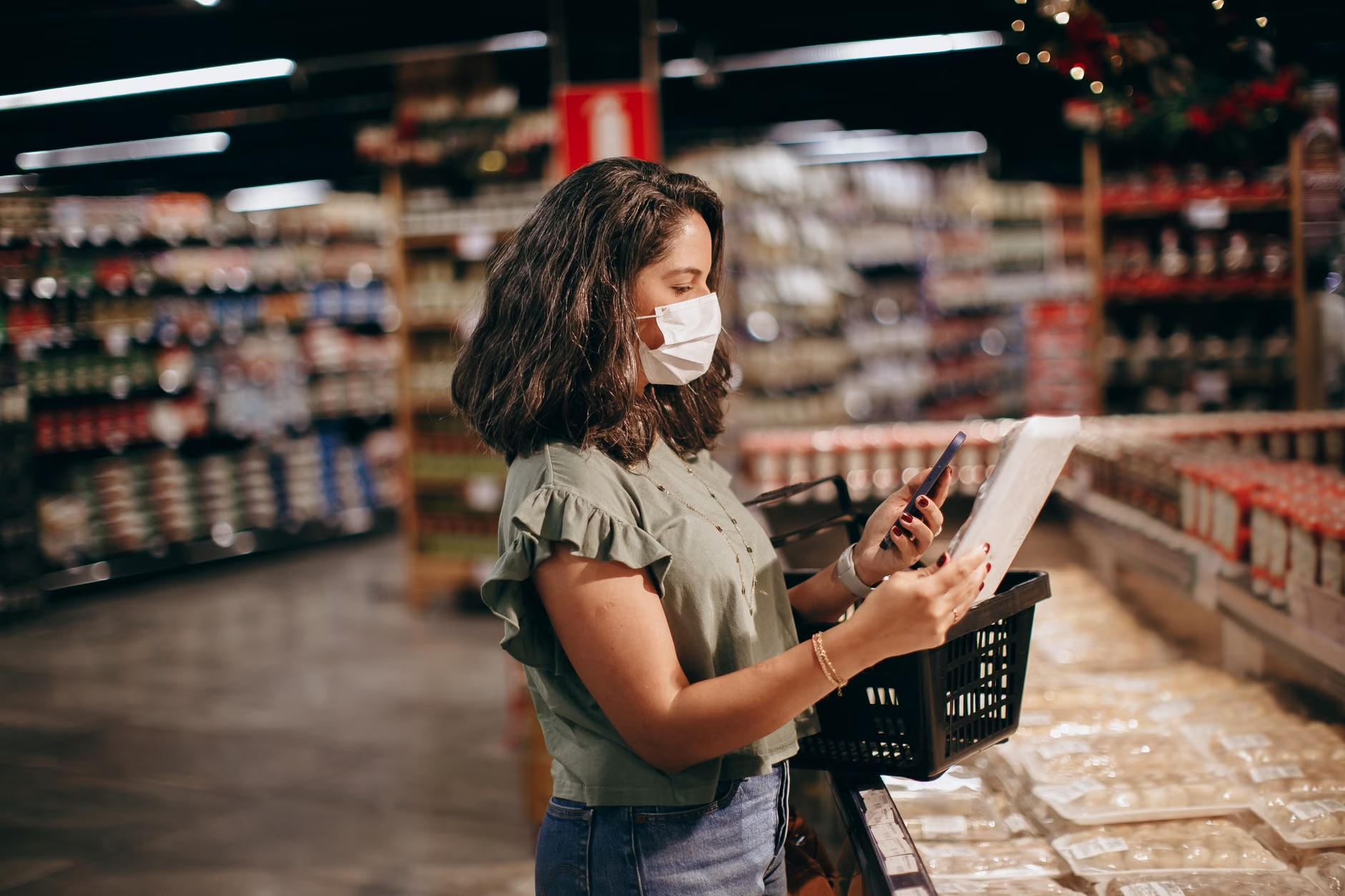
The most common trap in 2026 is the illusion of a stable price. You might see a box of cereal priced exactly the same as it was six months ago, but if you look closely, the weight of the contents has likely dropped by 10% or 15%. This is the classic “shrinkflation” tactic. Manufacturers know that consumers are highly sensitive to the headline price, but less sensitive to the precise weight of a product.
To win this game, you must train your eyes to ignore the big, bold price tag and focus exclusively on the unit price. This is the tiny print usually located in the corner of the shelf label, indicating the price per 100g, per kilogram, or per unit. When you are standing in the aisle with a toddler pulling on your coat, it is tempting to just grab the standard option. Resist that urge.
Decision Rule: If the unit price isn’t visible, use your phone’s calculator. Divide the total price by the weight (in grams or ounces). Even a 5% difference in unit price adds up to hundreds of dollars over the course of a year. When you find a staple item—like rice, pasta, or canned beans—that has a low unit price, buy in bulk if you have the storage space. This isn’t hoarding; it is risk mitigation against future price spikes.
Moving from “Recipe-First” to “Inventory-First” Shopping

Many of us were raised to pick a recipe, write down the ingredients, and go to the store to buy them. In a resource-scarce environment, this is a recipe for overspending. If the store is out of the specific organic bell peppers your recipe calls for, or if the price of that specific protein has doubled this week, you are stuck. This approach forces you to be a “reactive” shopper.
Instead, try an inventory-first approach. Before you even think about what you want to eat, look at what you already have. Your goal is to maximize the utility of every item currently in your pantry or freezer. This requires a shift in mindset: you aren’t shopping for a meal; you are shopping to fill the gaps in your existing inventory.
Step-by-Step Implementation:
- The Friday Audit: Spend 10 minutes on Friday evening checking your freezer and pantry. List the items that are nearing their expiration or that have been sitting there for months.
- The “Bridge” Ingredient: Identify one or two fresh ingredients that can turn those existing items into a meal. For example, if you have frozen vegetables and a bag of rice, you only need to purchase a protein (like eggs or tofu) to complete the meal.
- The Substitution Matrix: Keep a mental or physical list of reliable substitutes. If fresh spinach is overpriced or wilted, can you use frozen? If chicken breast is too expensive, is there a cheaper cut of meat or a plant-based alternative that provides the same nutritional profile?
This method significantly reduces the “I have nothing to eat” feeling that leads to expensive takeout orders. By working with what you have, you effectively lower your grocery bill by 15-20% simply by reducing waste.
Mastering the Cold Chain: Why Your Freezer is Your Best Asset
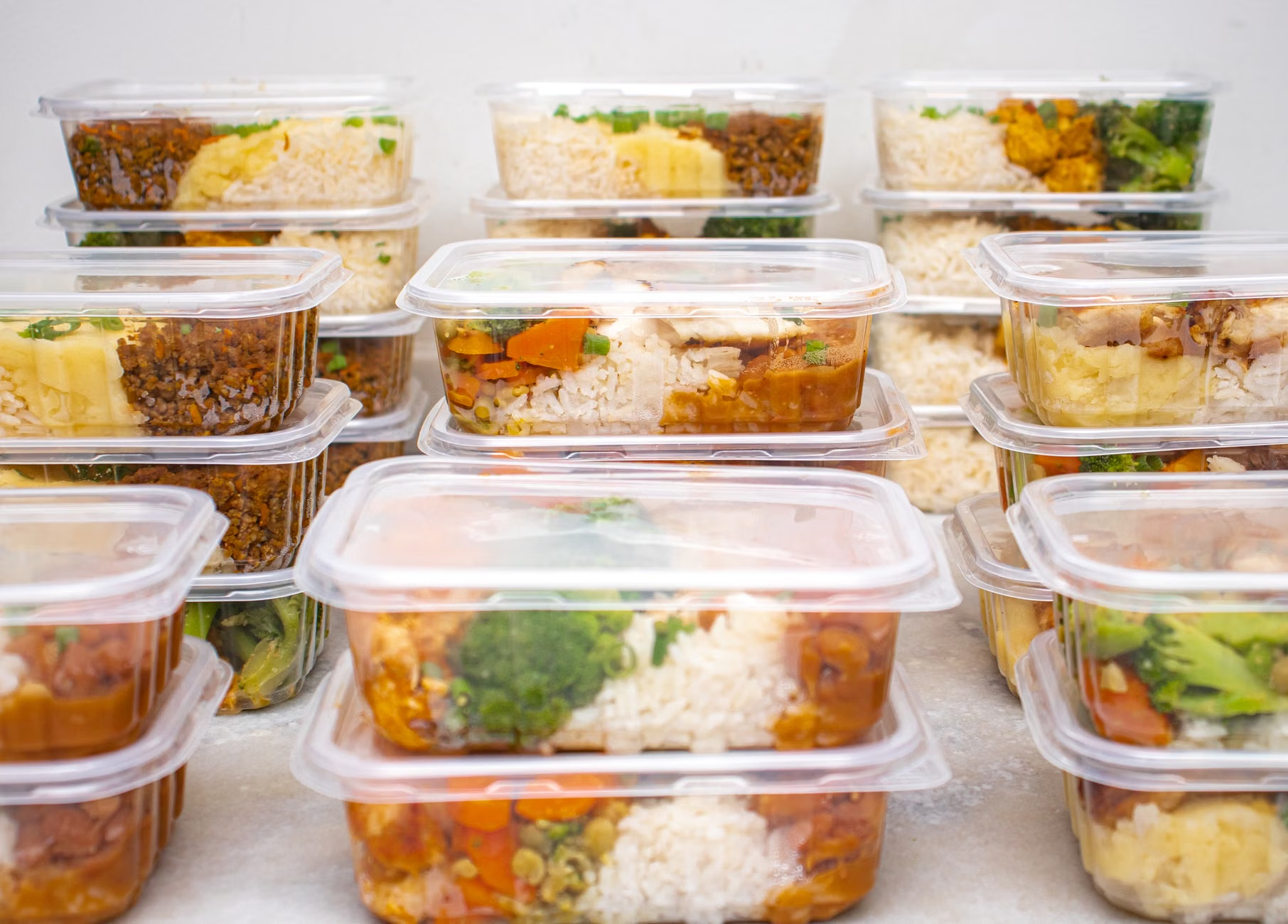
In 2026, the freezer is no longer just a place to store ice cream; it is a vital tool for economic stability. When fresh produce is scarce or expensive, frozen options are often nutritionally superior because they are flash-frozen at the peak of ripeness. However, the biggest mistake people make is improper storage, which leads to freezer burn and eventual food waste.
The Vacuum Seal Investment: If you are serious about managing your food costs, a vacuum sealer is one of the highest-return investments you can make. By removing the air from food before freezing, you can extend the shelf life of meats, cheeses, and even pre-chopped vegetables by months. This allows you to take advantage of sales on bulk proteins without the fear of them turning into ice-covered, inedible blocks.
Common Mistakes to Avoid:
- The “Mystery Bag”: Never put anything in the freezer without a clear label and a date. If you don’t know what it is or when it was frozen, it is essentially future trash.
- Overstuffing: Your freezer needs air circulation to maintain a consistent temperature. If it is packed to the brim, the motor works harder, and the temperature fluctuations can degrade the quality of your food.
- Ignoring the “First-In, First-Out” (FIFO) Rule: Always move older items to the front and put new purchases in the back. If you aren’t doing this, you are effectively paying for food that you will eventually throw away.
The Psychological Barrier: Why We Overbuy
Resource scarcity triggers a primal urge to over-consume. When we see empty shelves or news reports about supply chain issues, our brains tell us to “stock up.” While having a two-week buffer is smart, the panic-buying that often ensues is the primary driver of the very shortages we fear. It is a self-fulfilling prophecy.
For parents, the pressure is compounded by the need to ensure the kids have their favorite snacks or meals. When those items are unavailable, it causes genuine stress. However, the most important lesson here is adaptability. If your child’s favorite snack is unavailable, use this as an opportunity to introduce a healthy alternative. Children are more adaptable than we give them credit for, and teaching them to be flexible with food choices is a valuable life skill that will serve them well as they grow up in a changing world.
Remember, the goal is to maintain a sustainable, low-stress household. If you find yourself spending more than 20% of your net income on groceries, it is time to look at the “hidden costs”—the pre-packaged convenience meals, the high-margin snacks, and the items that go bad before they are used. These are the areas where you can trim the fat without sacrificing quality of life.
Practical Decision Framework for 2026
When you are at the store, use this simple 3-point checklist before putting any item in your cart:
| Checklist Item | Question to Ask Yourself | Action |
|---|---|---|
| Utility | “Can this be used in at least two different types of meals?” | If no, leave it on the shelf unless it is a special treat. |
| Unit Price | “Is this the lowest price per gram/ounce available today?” | If no, switch to a store brand or a larger pack size. |
| Shelf Life | “Will I actually use this before it expires?” | If no, do not buy it, regardless of the “sale” price. |
This framework forces you to stop and think for five seconds. In those five seconds, you are moving from an emotional shopper to a strategic one. It is not about depriving yourself; it is about ensuring that your hard-earned money goes toward food that actually ends up on your table, not in the trash bin.
Beyond the Basics: Overlooked Variables
One variable that is often overlooked in 2026 is the energy cost of cooking. While buying dried beans is cheaper than canned, you must factor in the time and energy (gas or electricity) required to soak and cook them. For some, the cost of the energy used might negate the savings. If you have a slow cooker or a pressure cooker, these are your best friends. They are incredibly energy-efficient and allow you to turn tough, inexpensive cuts of meat into delicious, tender meals.
Another factor is local seasonality. We have become so accustomed to having every fruit and vegetable available year-round that we forget the massive carbon and financial cost of importing produce. When you shop for what is in season locally, you are almost always guaranteed a lower price and higher nutritional value. Check your local farmers’ markets or the “locally grown” section of your supermarket. It is often the most overlooked section for budget-conscious shoppers.
Finally, consider the hidden cost of time. If you spend three hours driving to four different stores to save $5, you have actually lost money. Your time has value. Factor in your travel time and fuel costs when deciding if a “deal” is truly worth it. Sometimes, the convenience of a one-stop shop, even if prices are slightly higher, is worth the sanity it preserves for a busy parent.
Conclusion: The Path Forward
The landscape of 2026 requires us to be more conscious, more strategic, and more flexible. By focusing on unit pricing, embracing an inventory-first approach, and mastering the preservation of the food we buy, we can navigate these times without sacrificing the health or happiness of our families. The goal isn’t to live in a state of constant austerity, but to gain control over our resources so that we can focus our energy on what truly matters: the people around our dinner table.
Start small. Don’t try to change everything overnight. Pick one of the strategies mentioned—perhaps the unit price focus or the freezer inventory audit—and implement it this week. You will be surprised at how quickly these small, consistent actions compound into significant financial relief and reduced daily stress. Stay grounded, stay organized, and remember that you are more than capable of handling these shifts.
Frequently Asked Questions
1. Does buying in bulk always save money?
Not necessarily. Buying in bulk only saves money if you will actually consume the entire quantity before it expires and if the unit price is genuinely lower than smaller packages. Always calculate the unit price first. If you don’t have the storage space to keep the bulk items in a dry, cool place, you risk losing the savings to spoilage.
2. How can I manage grocery costs when my kids are picky eaters?
The key is to introduce “safe” foods alongside new, budget-friendly items. Don’t force a total menu overhaul. Instead, keep a small, consistent stock of their preferred items (bought on sale) and use the rest of your budget to experiment with cheaper staples. Involve them in the process by letting them choose between two budget-friendly options, which gives them a sense of control.
3. Is it worth buying organic during periods of high inflation?
This depends on your personal priorities. If organic is a non-negotiable for your family, look for “The Dirty Dozen” list published by the Environmental Working Group (EWG) to prioritize which items you buy organic and which ones you buy conventional. This allows you to allocate your budget more effectively without compromising your values.
For further reading on food safety and storage guidelines, refer to official resources like the FoodSafety.gov portal, which provides detailed charts on how long various foods can be safely stored in the pantry, refrigerator, and freezer.