- Inventory over accumulation: The core of a zero-waste pantry is knowing exactly what you have; never buy before checking your stock.
- FIFO is mandatory: Always implement a ‘First-In, First-Out’ rotation to ensure older items are used before they hit their expiration date.
- Bulk is not always better: Only buy in bulk for items you consume regularly; buying large quantities of rarely used items increases the risk of spoilage and waste.
The most effective way to reduce household waste isn’t by obsessively tracking every scrap of food, but by changing how you manage your pantry inventory. If you find yourself throwing away expired boxes of pasta or bags of flour that have gone stale, your current storage system is likely the culprit. A zero-waste pantry isn’t about perfectly aesthetic jars; it’s about a functional system that keeps your food visible, accessible, and rotated.
For families balancing careers and children, time is the scarcest resource. A complicated, high-maintenance system will fail within a week. The goal here is to build a “low-friction” pantry that naturally minimizes waste through simple, repeatable habits.
Why Your Pantry Waste Is Mostly A Tracking Problem
We often think waste happens because we buy “too much.” In reality, waste happens because we lose track of what we already have. When items are shoved to the back of a deep cabinet, they effectively cease to exist. This “hidden stock” phenomenon leads to double-buying and eventually discarding items that have sat for eighteen months.
Think of your pantry like a small retail shop. A shop owner wouldn’t throw new stock on top of old stock, yet that’s exactly what we do at home. By shifting your mindset from “storage space” to “inventory management,” you stop viewing the pantry as a black hole and start seeing it as a resource cycle.
The financial impact is also significant. According to data from the U.S. Department of Agriculture (USDA), the average family of four spends approximately $1,200 to $1,500 on groceries monthly, with roughly 30% of purchased food ending up as waste. Reducing this waste by even half directly translates to hundreds of dollars in annual savings—money that is currently being tossed into the bin.
The Psychology of ‘Visible Inventory’
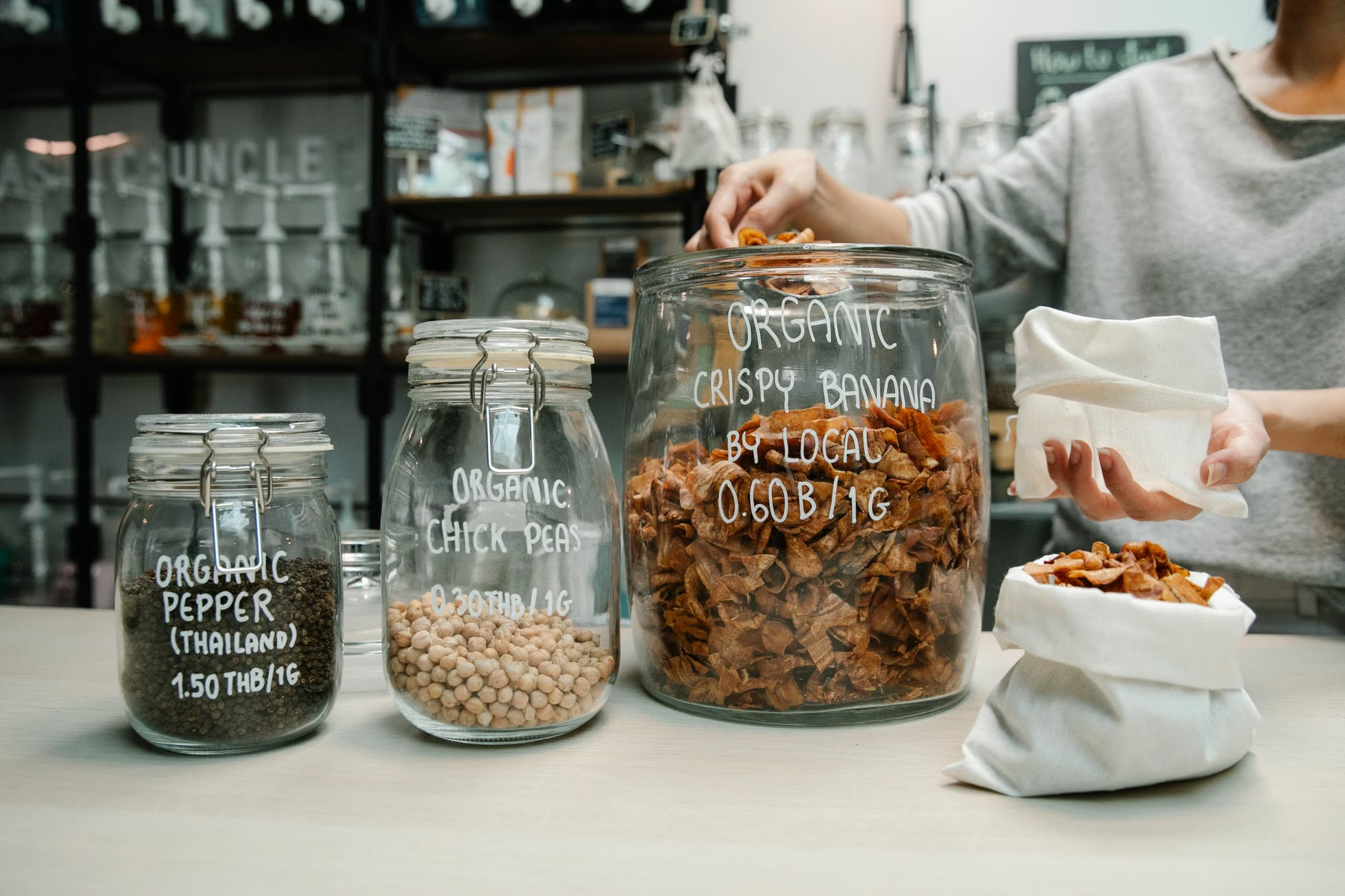
Visual cues are powerful. When you use opaque packaging, your brain ignores the contents. When you use clear, airtight containers, you instantly see your stock level. However, there is a trap here: “aesthetic” pantry goals often lead to over-purchasing just to fill the jars. Avoid the urge to buy 20 identical jars before you’ve actually audit your shopping habits.
Establishing the First-In, First-Out (FIFO) Method
The “First-In, First-Out” (FIFO) method is the gold standard for any household looking to minimize waste. It ensures that the oldest items are always at the front, ready to be used, while newer items are placed behind them. This simple shift prevents the “back of the shelf” graveyard where spices and grains go to die.
How to implement this in a busy home:
- The Sweep: Once every two weeks, pull everything out of a single shelf. Wipe it down, and group similar items.
- The Rotation: As you put items back, place the ones with the closest expiration dates at the front.
- The Label: If an item doesn’t have a clear date, use a small piece of masking tape to mark the date of purchase or the estimated expiration.
If you have young children, this is a great task to involve them in. It teaches them about food lifecycles and provides a sense of ownership over the household supplies. It turns a chore into a quick, five-minute organizational game.
Strategic Bulk Buying: When It’s Smart and When It’s Waste
Bulk buying is often touted as the ultimate eco-friendly hack, but it’s a double-edged sword. Buying 5kg of lentils is only “zero-waste” if you actually eat 5kg of lentils. If you buy in bulk because it’s cheaper, but the product loses its freshness before you finish it, you haven’t saved money or the planet—you’ve just created more waste.
The Decision Rule: Before buying in bulk, look at your usage rate over the last three months. If you don’t use a specific item at least once every two weeks, do not buy it in bulk. For rarely used items, stick to the smallest packaging available. It may have a slightly higher unit price, but it will have a lower total cost because you won’t be throwing half of it away.
| Item Type | Bulk Eligibility | Why? |
|---|---|---|
| Rice/Grains | High | Long shelf life and high consumption rate. |
| Spices | Low | Lose potency quickly; buy in small amounts. |
| Canned Goods | Medium | Only if your meal plan includes them consistently. |
| Cooking Oil | Low | Can go rancid if not used within 6 months. |
This table illustrates a critical trade-off. Many people assume “bulk” is always better, but for items like spices or oils, the quality degradation is a form of waste. If your spices don’t smell like anything, you’ll naturally use more of them, or worse, decide the dish is “bad” and order takeout, creating even more waste.
The ‘Pantry Audit’ as a Sunday Ritual
A zero-waste lifestyle isn’t a one-time event; it’s a maintenance cycle. For busy families, the most effective time to audit is Sunday evening, just before you plan your menu for the upcoming week. This prevents the “I thought we had tomato sauce” panic that leads to unnecessary grocery trips and duplicate purchases.
The 10-Minute Audit Process:
- Check the “danger zone”: Look at items that have been open for a while (half-bags of chips, opened flour, sauces).
- Plan the “Must-Use”: If you have an open bag of quinoa and a half-jar of pesto, put them on the menu for Tuesday’s dinner.
- The List: Only write your shopping list after you’ve identified what needs to be used up.
This process changes your shopping list from an aspirational document into a tactical one. You aren’t just buying what you “might” need; you are buying to complement what you already have.
Common Misconceptions About Zero-Waste Pantries
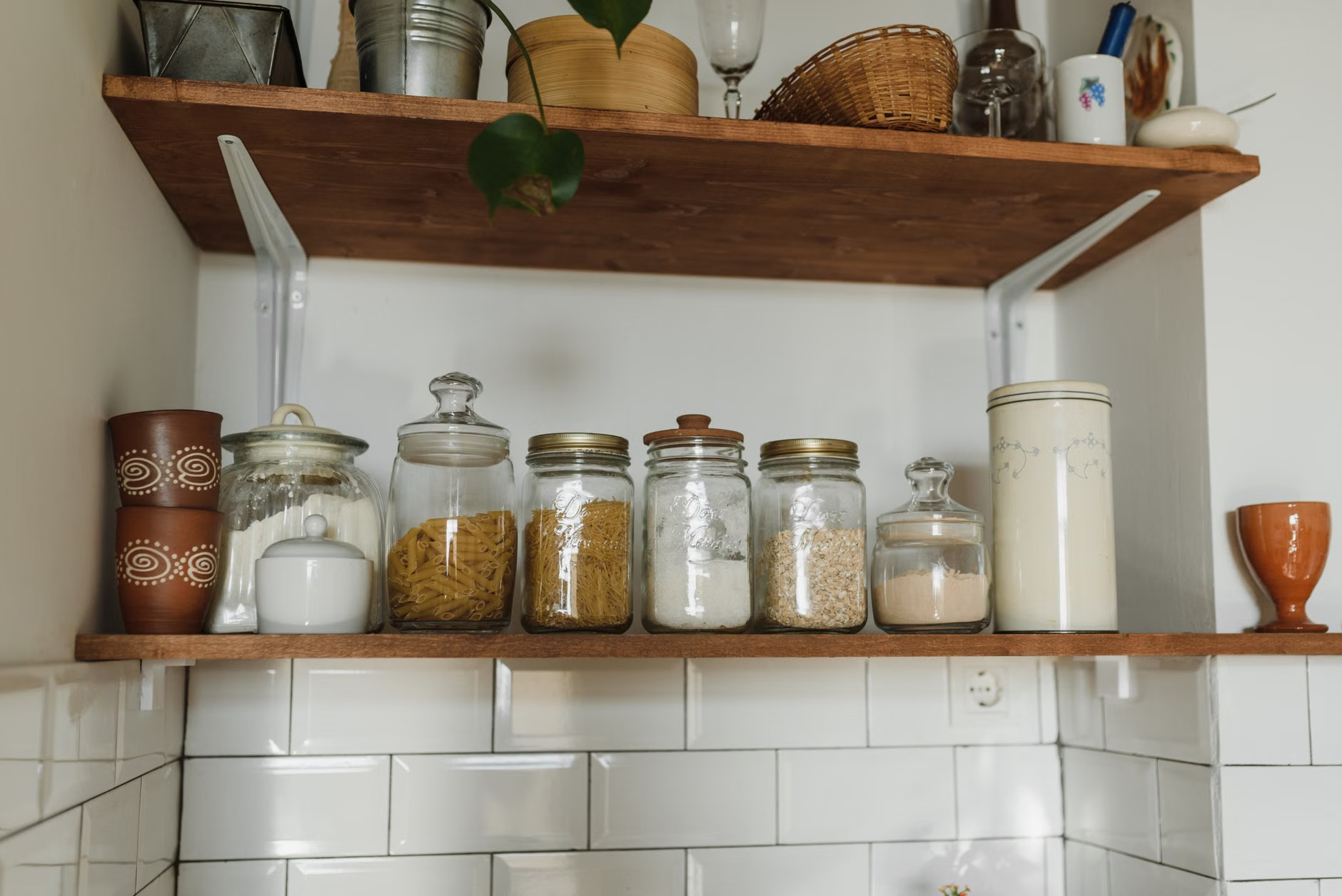
There is a pervasive myth that a zero-waste pantry requires expensive glass jars and a complete overhaul of your kitchen. This is not only incorrect; it’s counter-productive. The most sustainable container is the one you already have. Empty glass jars from pasta sauce or pickles, once cleaned, are perfectly fine for storing dry goods.
Another misconception is that you must eliminate all plastic. While moving toward plastic-free is a noble goal, the most important thing is to stop the flow of new waste. If you already have plastic containers, keep using them. Throwing them away to buy “sustainable” bamboo or glass alternatives just adds to the landfill problem. Use what you have until it breaks, then replace it with a more sustainable option.
The “Hidden Cost” of Aesthetics
Be wary of social media trends that show perfectly labeled, uniform pantries. These are often staged. In a real home, packaging sizes vary, and sometimes you have to buy the “ugly” bag because it’s all the store had. Prioritize function over form. If your labels are handwritten on masking tape rather than printed on a label maker, your pantry is still working perfectly. The goal is efficiency, not a magazine cover.
Managing Perishables in a Dry Pantry
Even in a “dry” pantry, perishables like nuts, seeds, and certain flours can go rancid. These are often the items that get wasted most frequently. Because they are nutrient-dense, they are also prone to pests. The best way to handle these is to move them out of the pantry and into the freezer or refrigerator if you aren’t using them daily.
Nuts and whole-grain flours have high oil content. Keeping them in a cool, dark place is good, but keeping them in the fridge is better. It doubles their shelf life and keeps them away from pantry moths, which are a common and frustrating issue in many households. If you find moths in your pantry, you’ll likely have to discard everything in open bags, which is a massive blow to your zero-waste efforts.
How to Handle an Infestation
If you encounter pantry moths, the only effective solution is to remove all affected items, vacuum the shelves, and wipe them down with a vinegar-water solution. Then, move to airtight glass or hard plastic containers. Soft plastic bags and cardboard boxes are no match for these pests.
Integrating Technology for Inventory Management
If you struggle to remember what’s in the back of the cupboard, technology can help, but keep it simple. A complex inventory app that requires you to scan every barcode as you put it away will last about three days before you give up. Instead, use a simple shared digital note (like Google Keep or Notes) that the whole family can access.
When someone uses the last of the flour, they add it to the list. When someone buys a new item, they check it off. This removes the “mental load” from one person and makes it a household responsibility. If you have children, this is a great way to introduce them to the concept of managing household resources.
The Role of Meal Planning in Waste Reduction
Your pantry is only as efficient as your meal plan. If you buy ingredients for complex recipes that you never end up making, those ingredients will sit until they expire. A zero-waste approach favors “pantry-staple cooking”—recipes that rely on the things you already have.
Try the “Reverse Meal Planning” method:
- Look at your pantry and identify three items that need to be used.
- Search for recipes that use those three items as the base.
- Build your meal plan around those items, then buy only the fresh produce needed to round out the meals.
This ensures that your pantry is constantly turning over, preventing long-term storage and spoilage.
Final Thoughts: Consistency Over Perfection
You don’t need to be a zero-waste expert to see results. You just need to be a slightly more conscious consumer. Start by auditing your pantry once this weekend. Identify the items that have been sitting there for months, create a plan to use them, and commit to the FIFO rotation for the next month.
If you slip up and end up with a bag of stale crackers, don’t be discouraged. The goal is to reduce waste over time, not to achieve a perfect, zero-waste status overnight. Every box of pasta you use before it expires is a win. Every time you avoid buying a duplicate item, you’ve saved money and resources. Keep it simple, keep it functional, and focus on the systems that work for your specific family dynamics.
Frequently Asked Questions
Q: How do I deal with pantry moths without using harsh chemicals?
A: The most effective non-chemical approach is physical removal. Empty the pantry completely, discard any infested food, and vacuum the corners of the shelves where larvae hide. Wipe everything down with a 50/50 mix of white vinegar and water. Afterward, store all dry goods in airtight glass or thick, hard plastic containers to prevent future access.
Q: Is it really worth the time to label everything?
A: It depends on your household size. If you live alone, you probably don’t need labels. If you have a family, labels help other household members know exactly where things go, which prevents the “I couldn’t find it so I bought more” cycle. Use simple, clear labels, but don’t obsess over the font or style.
Q: What do I do with food that is nearing its expiration date but I don’t have time to cook?
A: If it’s a dry good, you can often freeze it to extend its life by several months. If it’s a canned good or a sauce, consider donating it to a local food bank if it’s still within its shelf life. If it’s truly unusable, compost it rather than throwing it in the trash, provided your local area supports composting.
For more information on reducing food waste at home, visit the EPA’s official guide to reducing food waste, which provides practical tips on storage and preparation.