The most successful host in a modern, multicultural social circle is one who removes the “pressure to drink” entirely, ensuring that every guest—regardless of religion, health choices, or parenting responsibilities—feels prioritized from the moment they walk through the door.
- Normalization is key: Do not label your non-alcoholic drinks as “mocktails” or “the sober option”; integrate them into the menu as premium, curated beverage choices to avoid making non-drinkers feel singled out.
- Cultural literacy matters: When hosting a multicultural group, always check for dietary restrictions beyond alcohol, such as Halal, Kosher, or specific vegetarian requirements, as these often overlap with beverage preferences.
- The “Host’s Choice” rule: Always provide at least one complex, house-made non-alcoholic option that requires as much preparation as a cocktail, signaling to guests that their experience is valued even without alcohol.
If you are in your 30s or 40s, your social life likely looks very different than it did a decade ago. Between the school run, professional demands, and the desire to actually remember your conversations the next morning, the traditional “booze-first” hosting model is becoming obsolete. But how do you bridge the gap when your guest list includes teetotalers, fitness enthusiasts, and friends from cultures where alcohol is strictly forbidden, without making your home feel like a clinical environment?
The “zero-proof” movement isn’t about abstinence; it is about hospitality. It is about acknowledging that a great evening is defined by connection, not by the ABV (alcohol by volume) content of the glass in someone’s hand.
Why the Zero-Proof Shift is Essential for Modern Hosts
The social landscape has changed. According to recent market data from trends analysts like IWSR (International Wine and Spirit Record), the growth of the “no-and-low” alcohol category is driven largely by younger Gen X and Millennial demographics. This isn’t just a trend; it’s a permanent shift in how we socialize. When you host, you are managing a diverse ecosystem of needs.
Consider the “invisible” constraints your guests face:
- The Parenting Variable: A guest who has to wake up at 6:00 AM for a toddler might love your company but dread the hangover. By providing a sophisticated alternative, you are giving them permission to stay longer.
- Cultural and Religious Sensitivity: In many Middle Eastern, South Asian, or observant Jewish communities, alcohol is not just avoided—it is socially or religiously prohibited. If you treat alcohol as the default, you inadvertently create a barrier to entry.
- The Health Conscious: With the rise of wearable fitness trackers and bio-hacking, many people in their 30s and 40s are tracking their “recovery scores.” Alcohol is often the first thing they cut to improve sleep quality.
When you ignore these factors, you create a “second-class” experience for non-drinkers. They end up nursing a glass of tap water or a sugary soda while everyone else enjoys a curated wine pairing. The zero-proof approach fixes this by elevating the non-alcoholic drink to the same status as the alcoholic one.
Curating Your Beverage Menu: Beyond Soda and Juice
The biggest mistake hosts make is defaulting to “kiddie drinks”—sugary juices or generic sodas. If your alcoholic guests are drinking a complex, dry, botanically-forward gin and tonic, your non-alcoholic guest should have something that matches that complexity.
Focus on these three pillars of zero-proof curation:
1. The Botanical Base
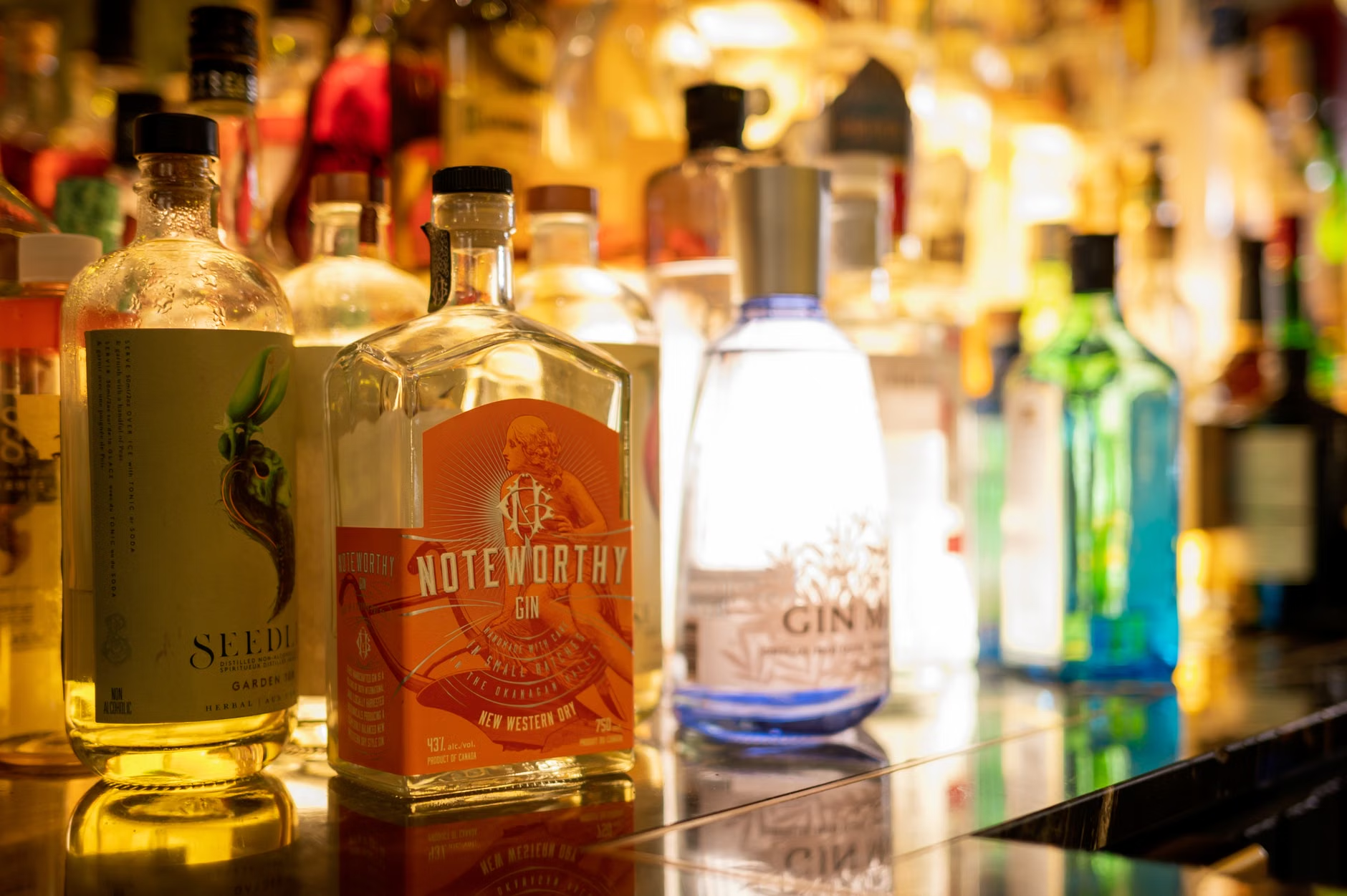
There is a massive market for non-alcoholic spirits (distilled botanicals that mimic the “bite” of gin or whiskey). Brands like Seedlip or Lyre’s have become staples in high-end bars. Keep a bottle of a “garden” or “spice” profile spirit on hand. It allows you to create a drink that tastes like a cocktail, not a dessert.
2. The Texture and Mouthfeel
Alcohol provides “body” to a drink. Without it, many non-alcoholic options feel watery. You can replicate this using:
- Verjus: The pressed juice of unripened grapes. It provides the acidity of wine without the alcohol.
- Shrubs: A vinegar-based syrup. It adds a sharp, sophisticated tang that mimics the complexity of fermentation.
- Aquafaba: Using the liquid from a can of chickpeas to create a frothy, elegant foam on top of a drink, just like an egg white in a sour cocktail.
3. The Presentation
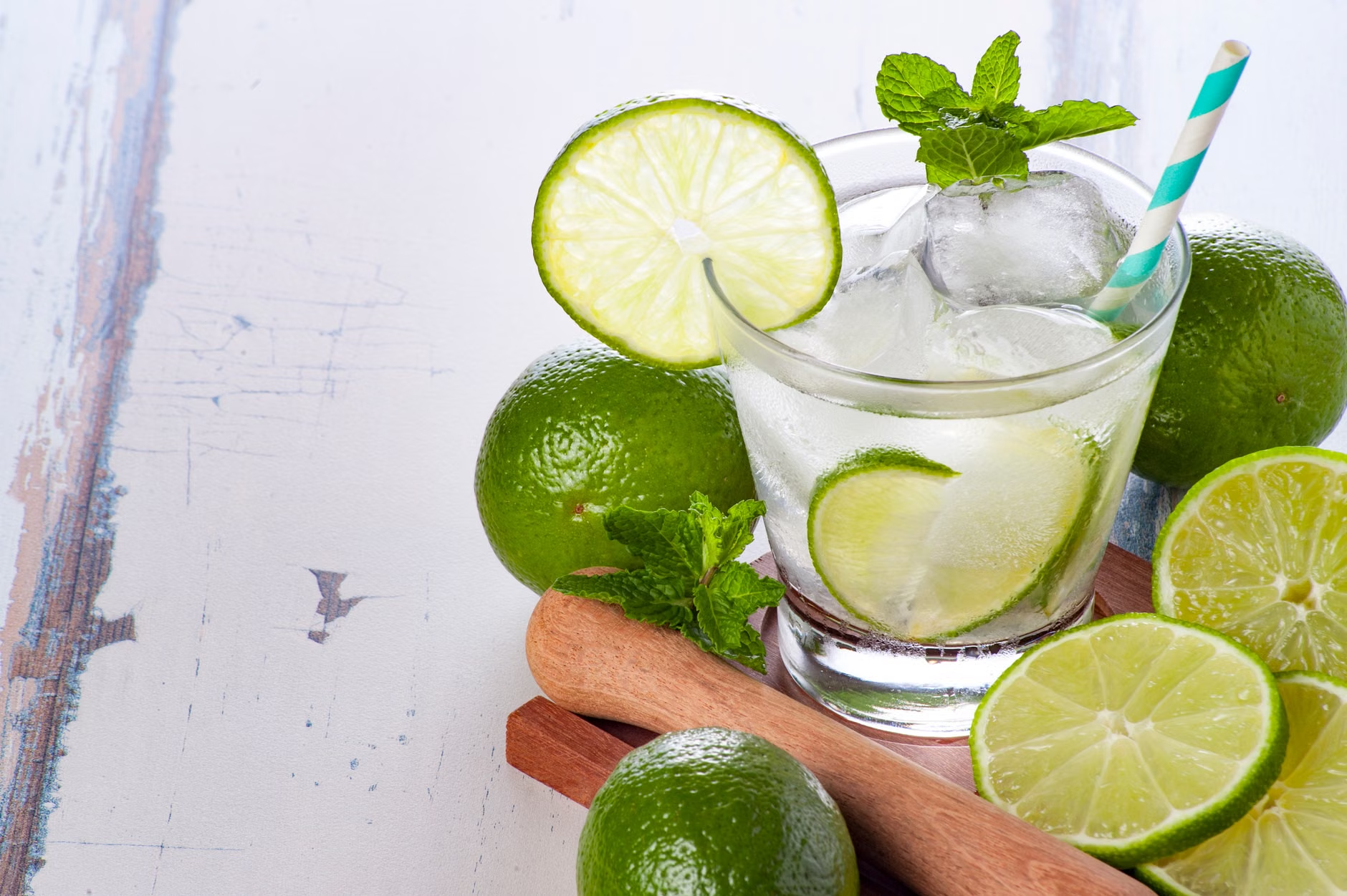
Use your best glassware. Never serve a non-alcoholic drink in a plastic cup or a mismatched mug if the alcoholic drinks are in crystal. The psychological impact of a beautiful glass is half the experience. If you are serving a mocktail, garnish it with the same care—a dehydrated orange wheel, a sprig of slapped rosemary, or a single large ice cube.
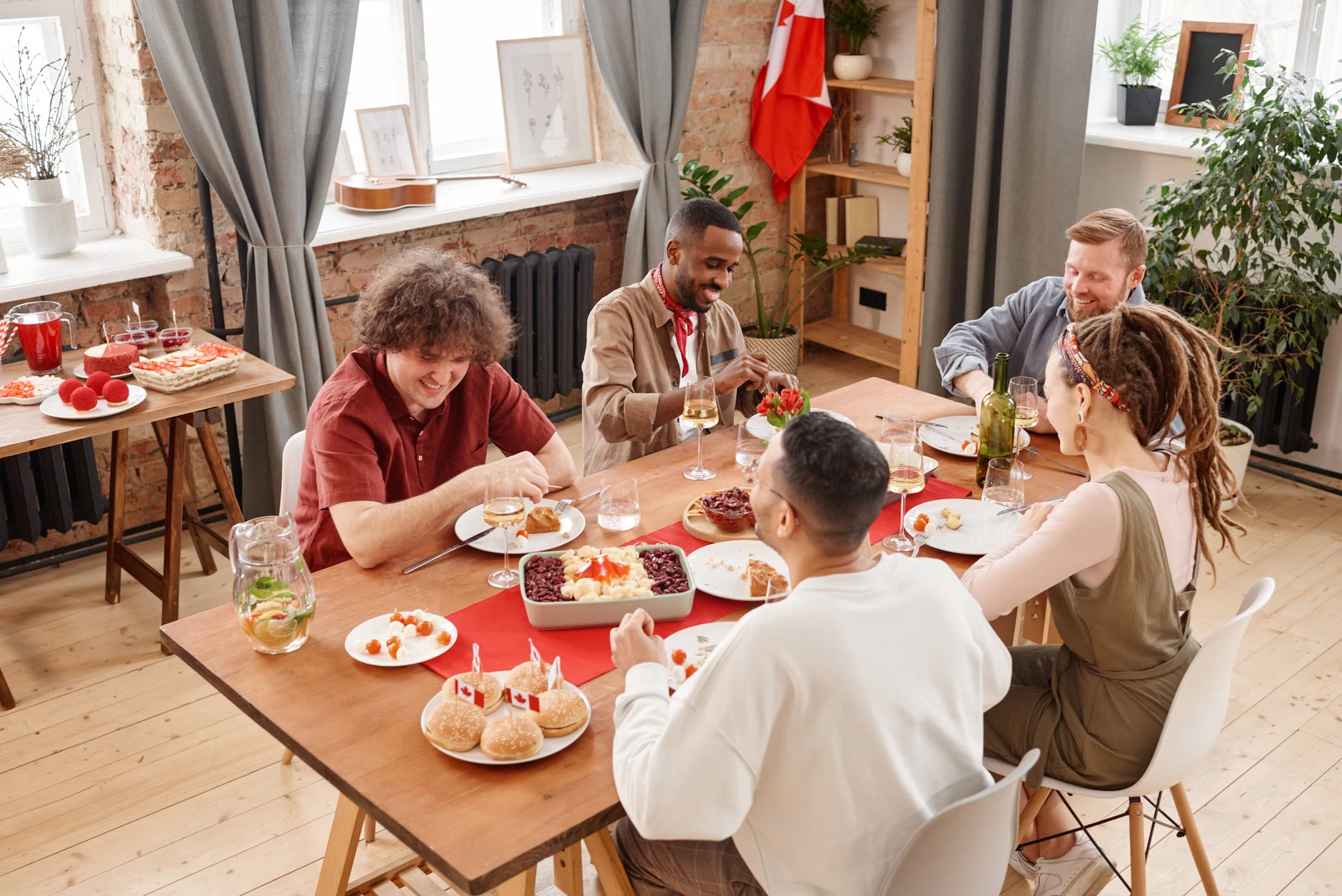
When your social circle is multicultural, the “zero-proof” approach is more than just a menu choice; it is a sign of respect. However, there are nuances that go beyond just skipping the alcohol.
Halal and Kosher Considerations
If you have Muslim guests, remember that “alcohol-free” is not the same as “Halal.” Many non-alcoholic beers or spirits contain trace amounts of alcohol (often under 0.5%). If your guests are strictly observant, check the labels. For a safe bet, stick to botanical distillates that are certified Halal or focus on natural infusions like pomegranate, rosewater, and mint.
The “Don’t Ask, Don’t Tell” Policy
Avoid making a scene about someone not drinking. Do not say, “Oh, you’re not drinking tonight? Are you pregnant? Is everything okay?” This is a common social faux pas that ruins the atmosphere. Instead, treat the non-alcoholic drink as a standard menu item. Simply say, “I have some great options for everyone tonight—we have a local sparkling wine, a craft beer, and a house-made elderflower and cucumber press.”
The Food Pairing Dilemma
Alcoholic wine pairings are a classic for a reason—the tannins cut through fat. When pairing food for a group with non-drinkers, think about the acid profile of your drinks. If you are serving a heavy, fatty dish like a slow-roasted lamb, ensure your non-alcoholic option has a high acid content, such as a tart cherry or verjus-based drink, to cleanse the palate.
| Flavor Profile | Alcoholic Option | Zero-Proof Alternative | Best For |
|---|---|---|---|
| Bitter/Dry | Negroni | Non-alcoholic aperitif + tonic | Appetizers |
| Crisp/Acidic | Sauvignon Blanc | Verjus + sparkling water + lime | Seafood/Salads |
| Deep/Spiced | Red Blend | Black tea reduction + blackberry shrub | Red meat/Hearty stews |
The Logistics of the Zero-Proof Bar
Setting up a bar for a multicultural, multi-preference group doesn’t have to be expensive or time-consuming. The key is modularity. You want a setup where guests can customize their own drinks, which takes the pressure off you as the host.
Step 1: The Base
Provide a high-quality sparkling water (like San Pellegrino or Perrier) and a neutral base like a high-quality tonic water. These are your foundations.
Step 2: The Modifiers
Keep 2-3 syrups on hand. A simple syrup, a ginger syrup, and a fruit-based shrub. These allow guests to dial in the sweetness and intensity.
Step 3: The Aromatics
This is where the magic happens. A bowl of fresh citrus peels, a bunch of mint, some cinnamon sticks, and star anise. A simple glass of sparkling water becomes a “drink” when it has a burnt orange peel and a sprig of thyme floating in it.
Common Mistakes to Avoid
Over-sweetening: The biggest failure of amateur mocktails is too much sugar. If you are using store-bought syrups, dilute them. Aim for a drink that is balanced, not a syrup-bomb.
Ignoring Temperature: If you are serving a non-alcoholic wine, serve it at the correct temperature. A warm, non-alcoholic red wine tastes like grape juice. A chilled one, however, can be quite refreshing.
The “Leftover” Trap: Do not just buy the cheapest non-alcoholic beer on the shelf and expect people to drink it. If you wouldn’t serve a cheap, bottom-shelf whiskey, don’t serve a cheap, bottom-shelf non-alcoholic alternative.
The Hidden Value of Inclusive Hosting
You might be wondering if this is overkill. Is it really necessary to go to this much trouble? The answer lies in the longevity of your social connections. When you host in a way that respects the boundaries and health choices of your friends, you become the “safe harbor.”
In our 30s and 40s, we are often exhausted. We value quality time, but we also value feeling good the next day. By removing the “booze mandate,” you aren’t just hosting a party; you are facilitating a space where people can be their authentic selves. You are creating a memory that is not blurred by the fog of alcohol, but sharpened by the quality of the conversation.
Furthermore, consider the economic factor. While premium non-alcoholic spirits can be expensive, they are often cheaper per serving than high-end vintage wines or premium scotches. You can host a high-end, sophisticated evening for less than the cost of a traditional bar tab if you are smart about your sourcing and preparation.
One overlooked variable is the “social lubricant” factor. Many people drink because they feel awkward. By providing a complex, beautiful drink, you give your guests something to hold and interact with. It serves the same social function as a cocktail—it gives the hands something to do and provides a conversation starter (“What is in this? It’s delicious!”). You aren’t removing the social ritual; you are simply evolving it.
Final Thoughts: The Host as a Curator
The goal of the zero-proof host is to be a curator of experiences. You are not a bartender, and you are not a judge of what people should or shouldn’t consume. You are a host who has recognized that the modern social circle is diverse, complex, and deserving of high-quality hospitality.
Start small. Next time you have people over, don’t worry about the entire bar. Just pick one “feature” non-alcoholic drink—something that looks beautiful and tastes complex—and ensure it is available to everyone. You’ll be surprised at how many people, even those who do drink, will choose it simply because it looks better than a standard glass of water.
Your responsibility as a host is to make sure that no one feels like an outsider in your home. By mastering the zero-proof approach, you ensure that every guest leaves your home feeling respected, included, and—most importantly—ready to come back for the next gathering.
Frequently Asked Questions
1. Is it rude to ask guests if they have dietary or alcohol restrictions before a dinner party?
Not at all. In fact, it is the hallmark of a thoughtful host. A simple text message or email when sending out the invite, such as, “I’m putting together a menu for Saturday and want to make sure I have great drink options for everyone—does anyone have any specific dietary needs or preferences I should know about?” is perfectly acceptable and appreciated.
2. How do I handle guests who might find my non-alcoholic options “pretentious”?
If you present them as “options” rather than “replacements,” the pretentiousness vanishes. Don’t make a big deal out of it. If someone makes a joke, just laugh it off and say, “I just wanted to try something different tonight!” The best way to disarm any potential judgment is to be confident and casual about your choices.
3. What if I don’t have time to make complex syrups or mocktails?
Complexity doesn’t have to mean labor-intensive. A high-quality store-bought tonic water, a squeeze of fresh lime, and a dash of high-quality bitters (check that they are non-alcoholic if required) in a fancy glass is more than enough to elevate the experience. Focus on the glassware and the garnish; that alone does 80% of the heavy lifting.
Official Resources for Further Exploration:
For more on the science and social trends of the no-and-low alcohol market, you can visit the IWSR Drinks Market Analysis. For tips on sophisticated non-alcoholic flavor pairings, the Bon Appétit guide to non-alcoholic drinks offers excellent, reliable recipes that fit the professional host’s standard.
Stay cool, stay inclusive, and enjoy the art of the perfect, pressure-free evening.