Key Takeaways
- Sensory overload is a physical barrier: High noise levels and visual clutter in traditional cafeterias trigger stress responses that directly impair a child’s ability to eat and regulate their emotions.
- Strategic design works: Simple modifications like installing acoustic wall panels, implementing “calm zones,” and optimizing lighting can reduce ambient noise levels by up to 10-15 decibels, making a massive difference in student comfort.
- Advocacy starts with data: Parents can influence school policy by presenting evidence-based requests for “sensory audits” rather than just complaining about the noise, focusing on inclusive benefits for all students, not just those with identified sensory needs.
If you have ever stepped into a primary school cafeteria during the lunch rush, you know the feeling: the overwhelming roar of hundreds of voices reflecting off hard tile surfaces, the clatter of trays, and the frantic energy of a thousand small movements. For many children, this isn’t just a loud room—it is a sensory minefield that can lead to anxiety, meltdowns, or skipping lunch altogether.
The “sensory-friendly” cafeteria movement is gaining traction globally, not as a luxury, but as a necessary evolution in school infrastructure. It’s an approach that acknowledges that a child’s ability to nourish themselves is fundamentally tied to their environment. Whether your child is neurodivergent or simply sensitive to their surroundings, understanding how these spaces are being redesigned can help you advocate for better conditions at your local school.

Why the Traditional Cafeteria Model Fails Our Children
The standard primary school cafeteria was historically designed for efficiency: easy-to-clean surfaces (tiles, concrete, stainless steel), long benches for maximum seating capacity, and centralized serving lines. While these choices make sense from a custodial and logistical standpoint, they create an “acoustical nightmare.” Hard surfaces reflect sound rather than absorbing it. When you add 200 children to a room with poor acoustics, the decibel level doesn’t just add up; it compounds through a phenomenon known as the “Lombard Effect”—where everyone speaks louder to be heard over the existing noise, creating a feedback loop of escalating volume.
For a child with sensory processing sensitivities, this environment triggers a “fight, flight, or freeze” response. Their amygdala—the part of the brain responsible for processing fear and stress—goes into overdrive. When a child is in this state, they aren’t thinking about the nutritional value of their lunch or the social dynamics of their table; they are trying to survive the sensory onslaught. This leads to common, yet often misunderstood, behaviors: refusing to eat, aggressive outbursts, or extreme withdrawal.
It is important to recognize that this is not just about children with diagnosed conditions like autism or ADHD. Research indicates that a significant portion of the general student population experiences sensory discomfort. By prioritizing sensory-friendly design, schools aren’t just helping a “minority”—they are creating a more regulated, calm, and productive environment for every student in the building.
The Anatomy of a Sensory-Friendly Lunchroom
A sensory-friendly cafeteria doesn’t require a total architectural overhaul. It is often about a series of intentional, high-impact modifications that target the three primary sensory inputs: sound, light, and space.
1. Acoustic Mitigation: Softening the Sound
The most significant change a school can make is to lower the reverberation time. This is the amount of time sound lingers in a room. By installing acoustic wall panels, ceiling “clouds” (suspended fabric-wrapped panels), or even soft window treatments, the room stops acting like an echo chamber. Think of it like the difference between talking in a tiled bathroom versus a carpeted living room. For a school, this means the difference between a chaotic roar and a manageable hum.
2. Visual Zoning and Clutter Reduction
Visual overstimulation is the hidden culprit in many school designs. Bright primary colors, fluorescent lighting, and massive, open-plan spaces can feel endless and exposed to a child. Sensory-friendly designs incorporate “zoning.” This involves using furniture or low-profile partitions to create smaller “neighborhoods” within the cafeteria. These zones make the space feel less like a hangar and more like a collection of manageable, intimate dining areas.
3. Lighting and Color Palettes
Fluorescent lights are notorious for flickering at a frequency that some children can perceive, causing headaches and irritability. Switching to warm-spectrum LED lighting or using light covers can eliminate this hidden stressor. Furthermore, the use of a “calm” color palette—muted greens, blues, or earth tones—helps regulate the nervous system compared to the high-contrast, high-energy colors often found in institutional settings.
The “Calm Corner” and Why It’s a Game Changer
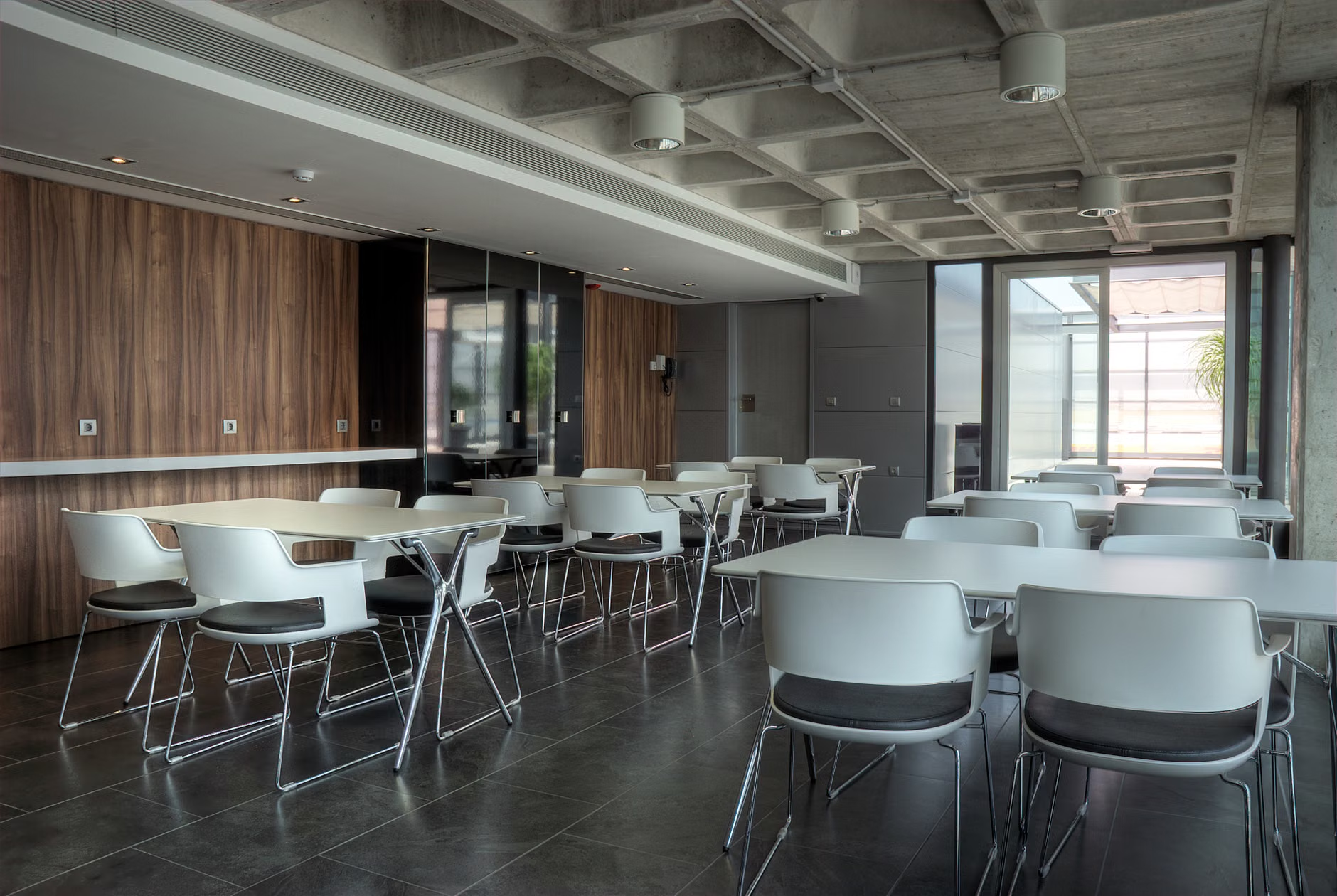
One of the most effective, low-cost additions to any school cafeteria is the “Calm Corner” or “Quiet Zone.” This is a designated area, perhaps cordoned off by a simple room divider or a bookshelf, where students can choose to sit if they are feeling overwhelmed. It’s not a timeout area or a place of punishment; it’s a proactive regulation space.
In practice, this looks like a small section of the room with lower-height tables, maybe some beanbag chairs, or simply a space where students are expected to use “indoor voices” and avoid boisterous behavior. Allowing students to self-regulate by choosing a quieter space empowers them. When a child knows they have an “escape hatch” from the chaos, their baseline anxiety level drops, making them more likely to handle the general environment without needing to leave the cafeteria entirely.
If you are a parent looking to suggest this to your local PTA or school board, frame it as a “regulation station.” The goal is to provide a tool for students to manage their own sensory needs, which reduces the burden on cafeteria supervisors and playground monitors. It is a win-win for everyone involved.
Comparing Traditional vs. Sensory-Friendly Designs
To understand the trade-offs, we must look at how these environments function on a day-to-day basis. The following table highlights the differences between a standard cafeteria and a sensory-informed one.
| Feature | Traditional Cafeteria | Sensory-Friendly Cafeteria |
|---|---|---|
| Sound Control | Hard surfaces, constant echo | Acoustic panels, damped surfaces |
| Lighting | Flickering fluorescent tubes | Warm LED, natural light, covers |
| Seating | Long, rigid communal benches | Modular pods and varied seating |
| Privacy | None; high exposure | Zoned areas with visual barriers |
| Student Response | High anxiety, sensory burnout | Increased regulation, better eating |
The primary concern most administrators have when hearing about these changes is cost. However, many of these modifications are scalable. You don’t need to renovate the entire room at once. Starting with acoustic panels in the most problematic sections or introducing “quiet hours” on specific days can yield immediate results for a fraction of the cost of a full redesign.
How Parents Can Advocate for Change
If your child comes home from school complaining about the noise, or if you’ve noticed their lunch is consistently coming home half-eaten, you aren’t just being a “helicopter parent” by wanting to address the environment. You are advocating for your child’s basic right to a functional learning environment.
Start by requesting a “sensory audit” of the school’s common areas. You don’t need to be an architect to do this. Ask if the school has ever measured the decibel levels during peak lunch hours. Many schools will be shocked to find that the noise levels exceed 85 decibels—the level at which sustained exposure can be damaging to hearing, and certainly well above the level at which a child can maintain focus.
When approaching the school board or administration, avoid framing the request as “special treatment” for your child. Instead, present it as a universal design improvement. Use language like: “Improving the acoustic environment will benefit all students by reducing stress, improving focus for afternoon classes, and creating a more inclusive community.” When you frame it as a school-wide improvement, you are much more likely to get the support of the broader parent community.
Common Mistakes to Avoid in Implementation
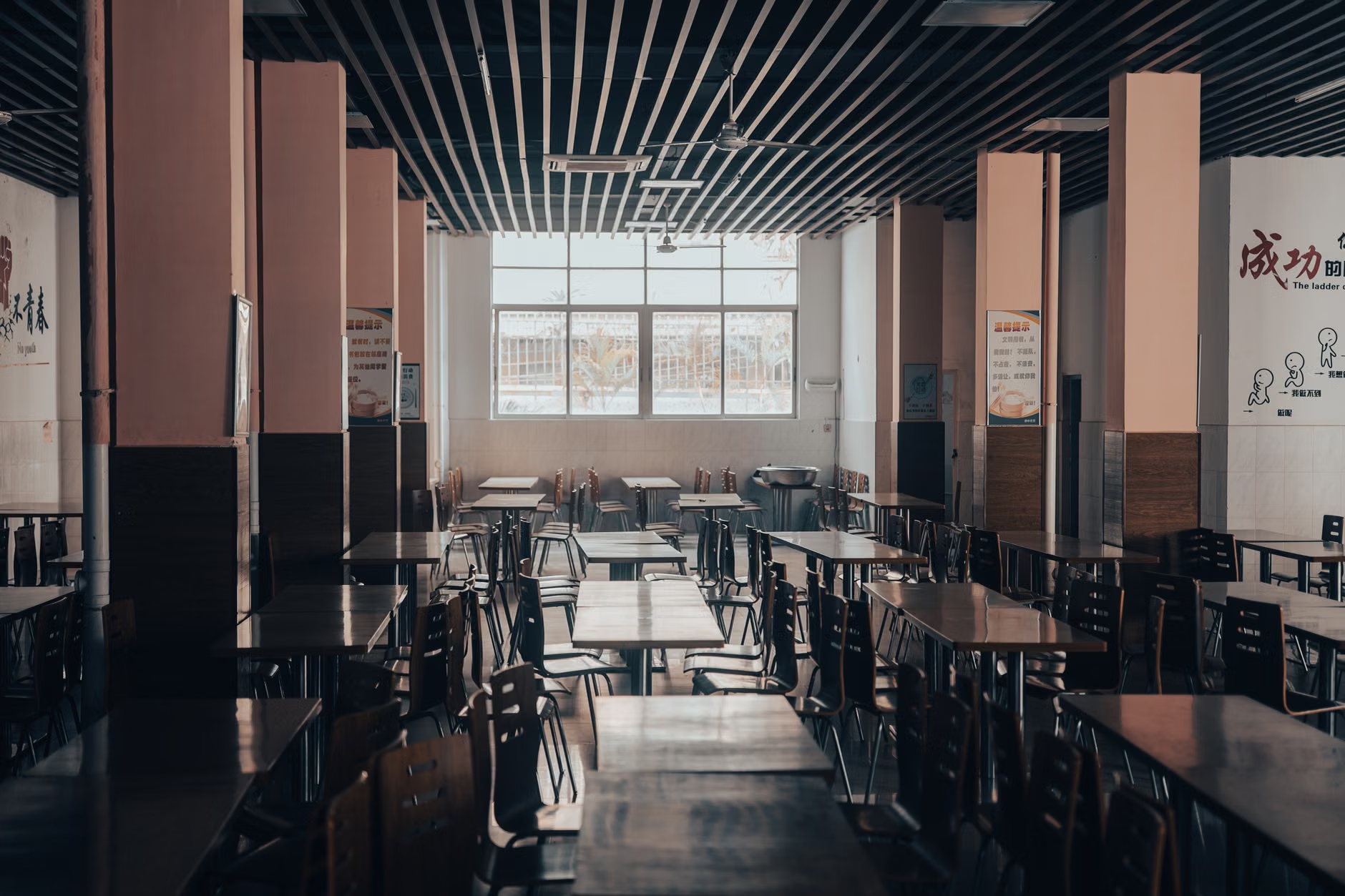
Even when schools try to implement sensory-friendly changes, they often fall into common traps. One major mistake is over-engineering the “calm zone.” Sometimes, schools create a quiet room that feels like a prison cell or an isolation chamber. This can stigmatize the children who use it. A sensory-friendly space must be integrated into the flow of the room, not hidden away in a corner that feels like a penalty box.
Another mistake is failing to involve the students in the process. Ask the children what they find difficult about the lunchroom. You will often get very practical, insightful answers: “It’s too loud near the trash cans,” or “The lights make me feel dizzy.” These insights are invaluable for pinpointing exactly where to spend the limited school budget for improvements.
Finally, avoid the “set it and forget it” mentality. A sensory-friendly cafeteria is a living environment. As the student population changes, so does the energy of the room. Regular feedback loops with students and staff are essential to ensure the space remains effective. If the acoustic panels are covered in dust or the furniture has been rearranged in a way that blocks flow, the benefits will quickly diminish.
The Hidden Variables: Why Your Location Matters
It is important to note that regulations regarding school design vary significantly by region. In some countries, there are strict building codes regarding fire safety and acoustic standards in public buildings. Before proposing major changes, check your local school district’s facilities guidelines. There may already be “wellness” or “inclusive design” grants available that your school hasn’t tapped into yet.
For example, in many parts of the United States and Europe, schools are increasingly adopting “Universal Design for Learning” (UDL) frameworks. These frameworks don’t just apply to the classroom; they apply to the entire school environment. If you can tie your request for a sensory-friendly cafeteria to the school’s existing commitment to UDL, you’ll have a much stronger argument for funding and implementation.
Always keep in mind that schools are dealing with tight budgets. Be prepared to offer low-cost, high-impact alternatives. If the school cannot afford professional acoustic panels, suggest fabric banners or even DIY solutions that parent volunteers can help install. The goal is to start the momentum; once the staff and administration see the difference in student behavior and improved lunch participation, they will likely be more open to larger, more permanent investments.
Actionable Steps for Concerned Parents
If you are ready to take action, here is a logical roadmap to follow:
- Observe: Visit the school cafeteria during lunch. Document the noise levels and the general behavior of the students. Are they frantic? Are they covering their ears?
- Research: Find out if your school has a “School Improvement Plan” or a “Facilities Master Plan.” See if there is a mention of inclusive design or student well-being.
- Collaborate: Speak with other parents. You will likely find that you aren’t the only one concerned about the chaotic lunch environment. Strength in numbers is vital when speaking to the principal.
- Propose: Schedule a meeting with the principal. Bring a concise, one-page document outlining the “Why, What, and How.” Keep it focused on the benefits for all students.
- Monitor: If changes are made, help the school track the results. Are more students eating their meals? Are there fewer reported conflicts during the lunch hour?
By shifting the focus from “fixing a problem child” to “improving a shared environment,” you change the entire tone of the conversation. You aren’t just advocating for your child; you are helping to create a school culture that values the well-being of every student who walks through its doors.
Final Thoughts on the Future of School Design
We are currently in a period of significant transition in how we view educational environments. The era of the “one-size-fits-all” institutional model is fading, replaced by a more nuanced understanding of how our physical surroundings impact our mental health and development. A sensory-friendly cafeteria is just one piece of the puzzle, but it is a vital one.
Lunch is the only time during the school day where children are expected to socialize, eat, and regulate their energy levels simultaneously. It is a heavy lift for a developing brain. By designing these spaces with the human nervous system in mind, we aren’t just making lunch quieter; we are providing children with the foundation they need to succeed in the rest of their day. Keep pushing for these changes, and remember that even small, consistent steps can lead to a much calmer, more inclusive school experience for everyone.
Frequently Asked Questions
1. Can a sensory-friendly cafeteria really help children who don’t have autism or ADHD?
Absolutely. Sensory overload is a universal human experience. Even neurotypical children can struggle with focus, emotional regulation, and appetite when they are in an environment that is excessively loud or visually chaotic. Lowering the noise floor and reducing visual clutter benefits the entire student population by decreasing overall stress levels in the building.
2. What is the most cost-effective way to start making these changes?
The “quick wins” are usually acoustic mitigation and lighting. Installing acoustic panels on the walls (which can be done in stages) or simply changing out harsh fluorescent bulbs for warmer options provides immediate, noticeable relief. These changes are often much cheaper than structural renovations and can be implemented with minimal disruption to the school schedule.
3. How do I approach the school administration without sounding like I’m criticizing them?
The key is to use “we” language and position yourself as a partner. Instead of saying, “Your cafeteria is too loud and it’s upsetting my child,” try, “I’ve been reading about how acoustic design can improve student focus and well-being. I’d love to work with the school to see if we can find some budget-friendly ways to make our cafeteria a more regulated environment for all our students.”
For further reading on acoustic standards in educational facilities, you can consult the Acoustical Society of America or your local government’s Department of Education guidelines on “Inclusive School Infrastructure.”