The most significant shift in modern social culture for adults in their 30s and 40s isn’t a new app or a fitness fad—it is the deliberate decoupling of social interaction from alcohol consumption, a movement now solidified by the rise of “zero-proof” social clubs.
Key Takeaways
- Quality over quantity: Zero-proof clubs prioritize craft beverages and atmosphere over the “buzz,” making them ideal for parents who need to function at 6:00 AM.
- Social autonomy: Choosing alcohol-free venues allows you to maintain your social calendar without the “hangover tax” that becomes increasingly difficult to pay after 35.
- Economic shift: The premium non-alcoholic market is growing, meaning you are no longer limited to soda or juice when dining out or socializing.
If you are in your mid-30s or 40s, you have likely noticed a subtle change in your weekend rhythm. The “Friday night out” that once felt effortless now carries a heavier cost: a Saturday morning lost to a headache, a sluggish brain, and the inevitable guilt of trying to keep up with energetic children while feeling less than 100%. This isn’t just about aging; it’s about a change in priorities. The “zero-proof” phenomenon—the rise of bars, clubs, and pop-up events that serve sophisticated, non-alcoholic drinks—is the market’s response to a generation that wants to remain social without sacrificing their professional or parental performance.
Why the ‘Zero-Proof’ Movement is Winning Over Parents
For parents and busy professionals, the traditional bar environment is often a minefield of trade-offs. You want the social connection, the atmosphere, and the ritual of a “grown-up” drink, but you don’t necessarily want the ethanol. This is where the zero-proof social club excels. It offers the “third space”—that necessary environment outside of work and home—without the physiological drag of alcohol.
Consider the biology: In your 20s, a late night was a minor inconvenience. In your 30s and 40s, it is a physiological debt that requires repayment through lost productivity and compromised patience. Zero-proof clubs are designed for the “sober-curious” or the “mindful drinker.” They provide the sensory experience of a complex, bitter, or botanical drink—often using distilled non-alcoholic spirits like Seedlip or Lyre’s—so you don’t feel like you are relegated to the “kids’ table” with a glass of club soda.
The real-life impact is immediate: When you swap a high-ABV cocktail for a sophisticated, zero-proof alternative, you aren’t just saving calories. You are preserving your cognitive clarity for the next morning. For a parent, this means the difference between a morning spent watching cartoons with a pounding head and a morning spent taking the kids to the park or tackling a project with genuine focus.
The Anatomy of a Zero-Proof Social Club
What does it actually look like when you walk into a zero-proof venue? You might expect a quiet, austere room, but the reality is often the opposite. These spaces are frequently vibrant, design-forward, and intentionally social. They are built on the premise that the social lubricant isn’t the alcohol itself, but the act of sharing a space and a ritual.
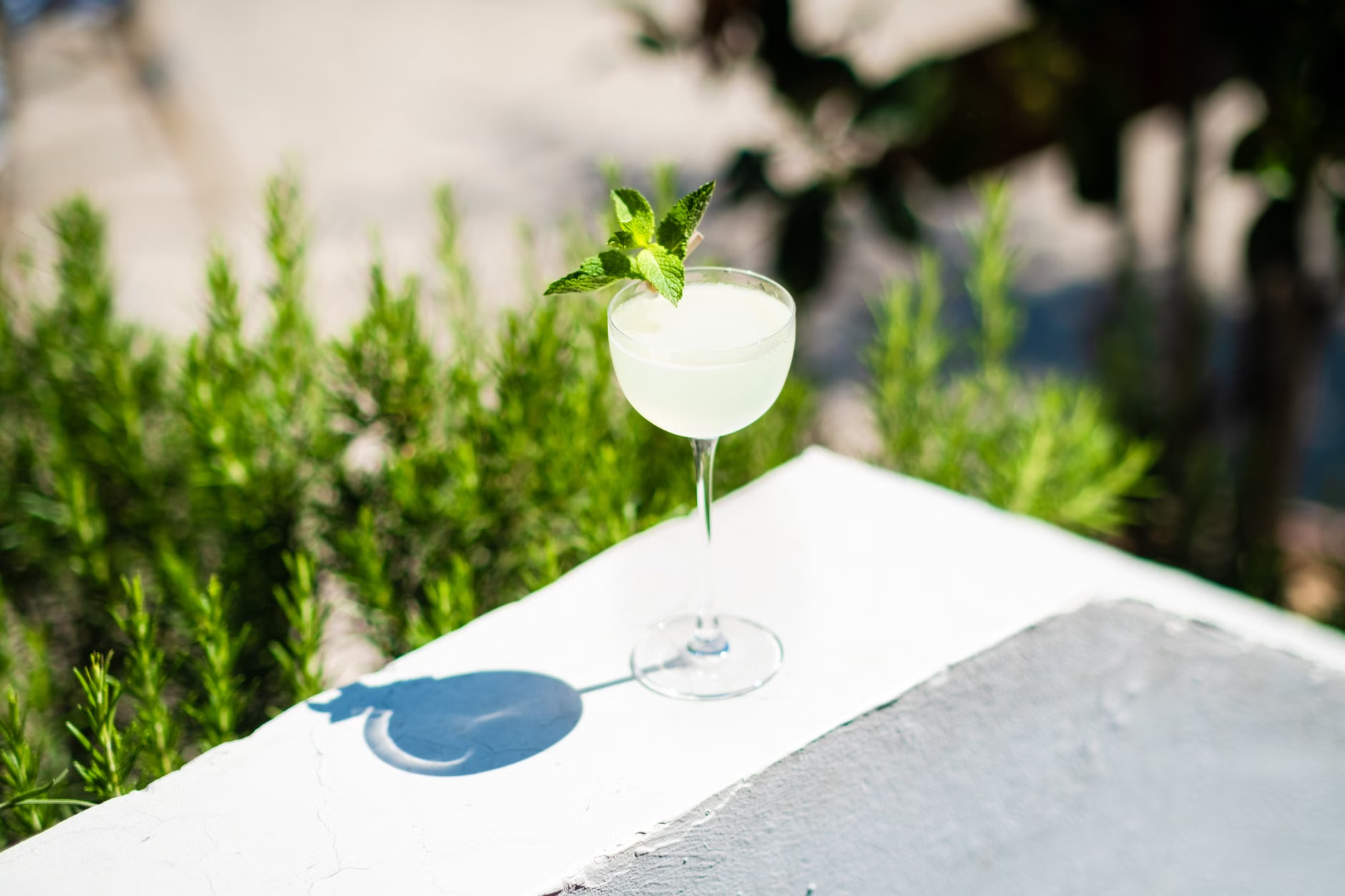
Most of these venues operate on a “craft cocktail” model. Bartenders use house-made shrubs, fermented teas like kombucha, botanical extracts, and high-quality tonics. They treat the drink as a culinary experience rather than a delivery system for intoxication. This matters because the sensory engagement of a cocktail—the clinking of ice, the aromatic garnish, the bitterness of a well-crafted tonic—is what the brain associates with “winding down.” By satisfying that sensory loop, you effectively “trick” your brain into relaxing without the chemical interference of alcohol.
Comparing the Traditional Bar vs. The Zero-Proof Venue
To understand why this shift is happening, it helps to compare the two environments. The following table highlights the differences for a typical night out:
| Feature | Traditional Bar | Zero-Proof Club |
|---|---|---|
| Primary Driver | Alcohol consumption | Social interaction & flavor |
| Next-Day Impact | Variable (usually negative) | Neutral (often improved) |
| Menu Focus | Spirits, beer, wine | Botanicals, adaptogens, shrubs |
| Typical Crowd | Variable | Health-conscious, professionals |
The choice between these two isn’t just about the drink; it’s about the environment. If you go to a traditional bar, you are often implicitly pressured to keep drinking to match the pace of the group. In a zero-proof club, the pace is set by the conversation and the atmosphere, not the number of rounds ordered.
Addressing the Social Stigma: Is It Awkward?
A common concern for people in their 30s and 40s is the social friction of not drinking. We live in a culture where “What are you drinking?” is a standard greeting. The beauty of the zero-proof movement is that it normalizes the “non-drinker.” When you are at a dedicated zero-proof venue, you are never the odd one out. You are the standard.
However, what happens when you are at a regular venue? This is where the “mindful drinker” strategy comes into play. You don’t have to announce your sobriety or your choice to abstain. Ordering a complex zero-proof drink—like a sparkling tonic with lime and bitters—is often indistinguishable from a standard gin and tonic to the casual observer. This allows you to participate in the “cheers” and the ritual without drawing unwanted attention or having to explain your life choices to someone who has already had three beers.
Common Mistake: Many people try to force themselves to “just have one” in social settings, only to find that the “one” leads to a “two,” which leads to the “next-day regret.” The strategy here is to decide on your drink *before* you arrive. If you go in with a plan—”I am going to have two non-alcoholic cocktails and then switch to sparkling water”—you maintain control over your night.
The Financial and Health Trade-offs
Let’s talk about the elephant in the room: cost. Premium non-alcoholic spirits are often priced similarly to their alcoholic counterparts. Some critics argue, “Why pay $12 for a drink with no alcohol?” The answer lies in the value of the experience. You are paying for the R&D, the ingredients, and the atmosphere. For a parent, that $12 is a bargain compared to the “cost” of a wasted Sunday.
Furthermore, consider the hidden costs of alcohol: the late-night Uber home, the extra food orders (because alcohol triggers hunger), and the lost hours of the next day. When you look at the total cost of a night out, the zero-proof route is arguably more efficient. It is also an investment in your long-term health. Research from the World Health Organization consistently points to the cumulative impact of alcohol on sleep quality and long-term health, particularly as we enter our 40s. Even moderate drinking can disrupt REM sleep, which is the exact type of rest parents are already struggling to get.
Three Steps to Transitioning Your Social Life
- Map your local scene: Look for “sober-curious” meetups or high-end cocktail bars in your area that list non-alcoholic options on the first page of their menu, not the last.
- Refine your home ritual: Don’t wait for a night out. Stock your home bar with two or three high-quality non-alcoholic options. Treat your Friday evening at home like an event.
- Communicate your boundaries: If you are out with friends who drink, simply state your preference early. “I’m taking a break from alcohol tonight, but this [drink name] is incredible.” People rarely push back when you are confident.
The Science of Social Connection Without Alcohol
There is a persistent myth that alcohol is necessary to “break the ice.” However, social psychology suggests that the most important factor in bonding is shared attention and mutual vulnerability, not the loosening of inhibitions. In fact, alcohol can often lead to superficial conversations that feel important in the moment but lack depth or recall the next day.
Zero-proof social clubs foster a different kind of connection. Because everyone is fully present, the conversations tend to be more nuanced and memorable. For people in their 30s and 40s, who are often juggling demanding careers and the logistical chaos of parenting, the ability to have a high-quality, memorable conversation is a rare and valuable commodity. We are moving away from the “loud bar” culture toward a “lounge” culture where the music is lower and the focus is on the person across from you.
This isn’t to say that alcohol is “bad” or that you must abstain entirely. It is about intentionality. The zero-proof movement is about giving you the option to choose when and how you engage. It’s about not letting the default assumption of alcohol dictate your social life.
Practical Tips for the ‘Sober-Curious’ Parent
If you are a parent, the biggest barrier to socializing is often the fear of being “off” the next morning. If your child wakes you up at 6:30 AM, you need your wits about you. The zero-proof lifestyle is a performance-enhancing strategy. It allows you to be the version of yourself that you want to be—present, patient, and capable.
A note on adaptogens: Many of the newer zero-proof drinks contain “adaptogens”—herbs like ashwagandha or rhodiola that are marketed as stress-relieving. While these are trendy, always check the labels. They are not regulated like pharmaceuticals, and their effects can vary. If you are taking medication or have health conditions, treat these drinks with the same caution you would any supplement.
The “One-to-One” Rule: If you do choose to drink alcohol, try the one-to-one rule. For every alcoholic drink, have one zero-proof drink. This keeps you hydrated, slows your intake, and helps you maintain your social standing without the heavy toll. It’s a transition strategy that many parents find highly effective.
Reframing the Future of Socializing
We are currently witnessing a shift in the marketplace that mirrors the shift in our personal priorities. Just as we became more conscious of what we eat and the technology we use, we are becoming more conscious of what we drink and how we spend our limited social hours. The zero-proof social club isn’t a temporary trend; it is the evolution of the modern adult social life.
As you navigate your 30s and 40s, remember that your time is your most precious asset. Protecting your energy is not “boring”—it is a strategic decision. By choosing environments and rituals that support your goals rather than detracting from them, you are setting yourself up for a much more sustainable and enjoyable social life. Whether you are fully abstaining or just looking to cut back, the options available today make it easier than ever to prioritize your health without sacrificing your social connection.
Frequently Asked Questions
Is the zero-proof movement just for people who have struggled with alcohol?
Absolutely not. While it is a great resource for those in recovery, the vast majority of the “sober-curious” movement is driven by people who simply want to improve their sleep, productivity, and overall health. It is for anyone who wants to enjoy a night out without the physical cost of alcohol.
Are zero-proof drinks just glorified fruit juice?
No. The modern market has moved far beyond simple juices. Today’s zero-proof spirits use complex distillation processes to extract flavors from roots, barks, spices, and peels. They are designed to be sipped and savored, offering a depth of flavor that mimics the complexity of gin, whiskey, or tequila.
Most people are much less concerned with what is in your glass than you think. If you have a drink in your hand—even if it is non-alcoholic—people rarely ask questions. If they do, a simple, confident, “I’m taking a break from alcohol tonight” is almost always met with respect or indifference. The key is to own your choice without feeling the need to justify it.
For further reading on the impact of alcohol on sleep and health, you can consult the resources provided by the World Health Organization (WHO) regarding alcohol consumption and lifestyle choices.