- Financial Efficiency: Borrowing specialized tools—like tile cutters or pressure washers—saves the average household hundreds of dollars annually in purchase and maintenance costs.
- Space Reclamation: Utilizing a tool library allows you to reclaim valuable garage or storage square footage by offloading bulky items you use less than twice a year.
- Skill-Building Community: Many tool libraries provide free workshops and safety training, turning a solo DIY project into a low-risk learning opportunity for parents and families.
You probably have that one drawer or shelf in your garage. You know the one—it’s filled with a specialized sander you bought for a bedroom project in 2019, a heavy-duty wrench that’s been used exactly once, and a collection of drill bits that have gathered more dust than wood shavings. If you are in your 30s or 40s, you are likely balancing a hectic career, kids who need constant attention, and a home that always seems to need a minor repair. Buying tools for every single task is not just a drain on your bank account; it is a drain on your limited storage space and your mental bandwidth.
The Hidden Cost of Owning Everything
There is a pervasive myth that being a “handy” homeowner requires owning a massive inventory of hardware. In reality, most high-end tools—the ones that actually make a job easier—sit idle 99% of the time. When you purchase a tool, you are paying for the retail price, but you are also paying for the “hidden costs”: the space it occupies, the time you spend maintaining it, and the inevitable frustration when you realize the battery is dead or the blade has rusted because you haven’t touched it in six months.
For a parent, time is the most valuable currency. When you decide to tackle a weekend project, you want to spend your time fixing that leaky faucet or building that garden box, not hunting for the right size socket or driving to the hardware store to buy a replacement tool because your own is broken. This is where the Community Tool Library (CTL) model shifts the paradigm. It isn’t just about saving money; it’s about accessing high-quality equipment without the long-term commitment of ownership.

What Exactly is a Community Tool Library?
Think of a tool library like a public book library, but instead of novels or reference guides, you are checking out circular saws, power drills, lawn aerators, and wallpaper steamers. These organizations are typically non-profits or community-run initiatives that operate on a membership model. You pay a small annual fee—often a fraction of the cost of one mid-range power tool—and gain access to an entire inventory of professional-grade equipment.
Why does this matter for your specific life stage? Because your needs are transient. You might need a heavy-duty carpet cleaner once a year, or a high-reach pruning saw when the seasons change. Buying these items is inefficient. Renting them from a big-box commercial store is often prohibitively expensive and requires a rigid return schedule. Tool libraries offer a middle ground: community-focused, affordable, and flexible.
The Economics of Sharing: A Comparison
To understand the value, let’s look at a hypothetical scenario involving a standard weekend project: installing a new laminate floor in a guest bedroom. You will need a miter saw, a tapping block, and a flooring nailer.
| Tool | Retail Cost | Tool Library Fee (Approx.) | Savings |
|---|---|---|---|
| Miter Saw | $250 | $10 (annual membership) | $240 |
| Flooring Nailer | $180 | Included in membership | $180 |
| Tapping Block | $15 | Included in membership | $15 |
| Total | $445 | $10 | $435 |
The table above assumes an annual membership of $10, which is a common entry point for many libraries. Even if your local library charges $50 or $100 per year, the “break-even” point happens after your first major project. Beyond the financial savings, you avoid the responsibility of repairing these tools if they fail during your project, as most libraries have a maintenance staff or volunteer base dedicated to keeping their inventory in top shape.
How to Find and Evaluate Your Local Option
Finding a tool library requires a bit of digging, as they don’t always show up on standard retail maps. Start by searching for “tool library” or “library of things” in your specific city or county. Many are hosted by local community centers, universities, or environmental NGOs.
When evaluating a library, don’t just look at the tool list. Check for these three criteria to ensure it fits your lifestyle:
- Maintenance Standards: Ask how often tools are inspected. You want a library that tests electrical components and sharpens blades regularly.
- Loan Periods: A seven-day loan is perfect for a weekend warrior. If they only offer 48-hour loans, you might find yourself rushing your project, which leads to poor quality work and safety risks.
- Safety Training: Does the library offer workshops? If you are new to power tools, a library that provides a quick 15-minute “how-to” session is worth its weight in gold compared to watching a confusing YouTube tutorial.

Overcoming the “I Should Own It” Mindset
Many people in their 30s and 40s feel a sense of pride in owning their tools. It feels like a rite of passage into adulthood. However, there is a distinct difference between essential tools and specialized tools. You should own a basic cordless drill, a hammer, a set of screwdrivers, and a tape measure. These are used frequently enough that the cost-per-use is low and the convenience is high.
The items you should consider borrowing are the “once-a-year” tools. This includes pressure washers, tile saws, tall ladders, and specialized garden equipment. By offloading these to a library, you gain back the floor space in your garage to park your car, or perhaps create a dedicated space for your children’s bikes or sports gear. This is a practical trade-off: you sacrifice the “pride of ownership” of a tool you rarely use for the functional benefit of a more organized, usable living space.
Common Misconceptions
A common fear is that library tools are “junk.” In truth, many libraries receive donations of high-end equipment from contractors or hobbyists who are downsizing. Often, the tools at a library are of higher quality than what you would buy at a standard hardware store. You might find yourself using a professional-grade Bosch or Makita saw, which is far more precise and safer than the entry-level consumer models sold in big-box stores.
Another misconception is that borrowing is complicated. Modern libraries use simple digital catalogs. You browse the inventory online, reserve your tool, and pick it up. It is no more difficult than placing a grocery order for pickup.
Integrating DIY into Family Life
For parents, involving children in DIY projects is a fantastic way to teach problem-solving and patience. However, it’s hard to keep kids engaged when you are stressed about the cost of a mistake or the pressure of a deadline. When you borrow a tool, the stakes feel lower. If a project takes longer than expected, it’s usually easy to extend the loan period. This flexibility allows you to work at a pace that is safe and manageable for your family, rather than rushing to finish before the weekend ends.
Furthermore, many tool libraries have a culture of sharing knowledge. If you are struggling with a specific home repair, the staff or volunteers at the library are often experienced DIYers who can offer advice. They aren’t just selling you a product; they are part of a community that values repair over replacement. This is a powerful lesson to pass on to the next generation.
Practical Steps to Get Started
If you are ready to make the switch, follow these steps to integrate the tool library into your routine:
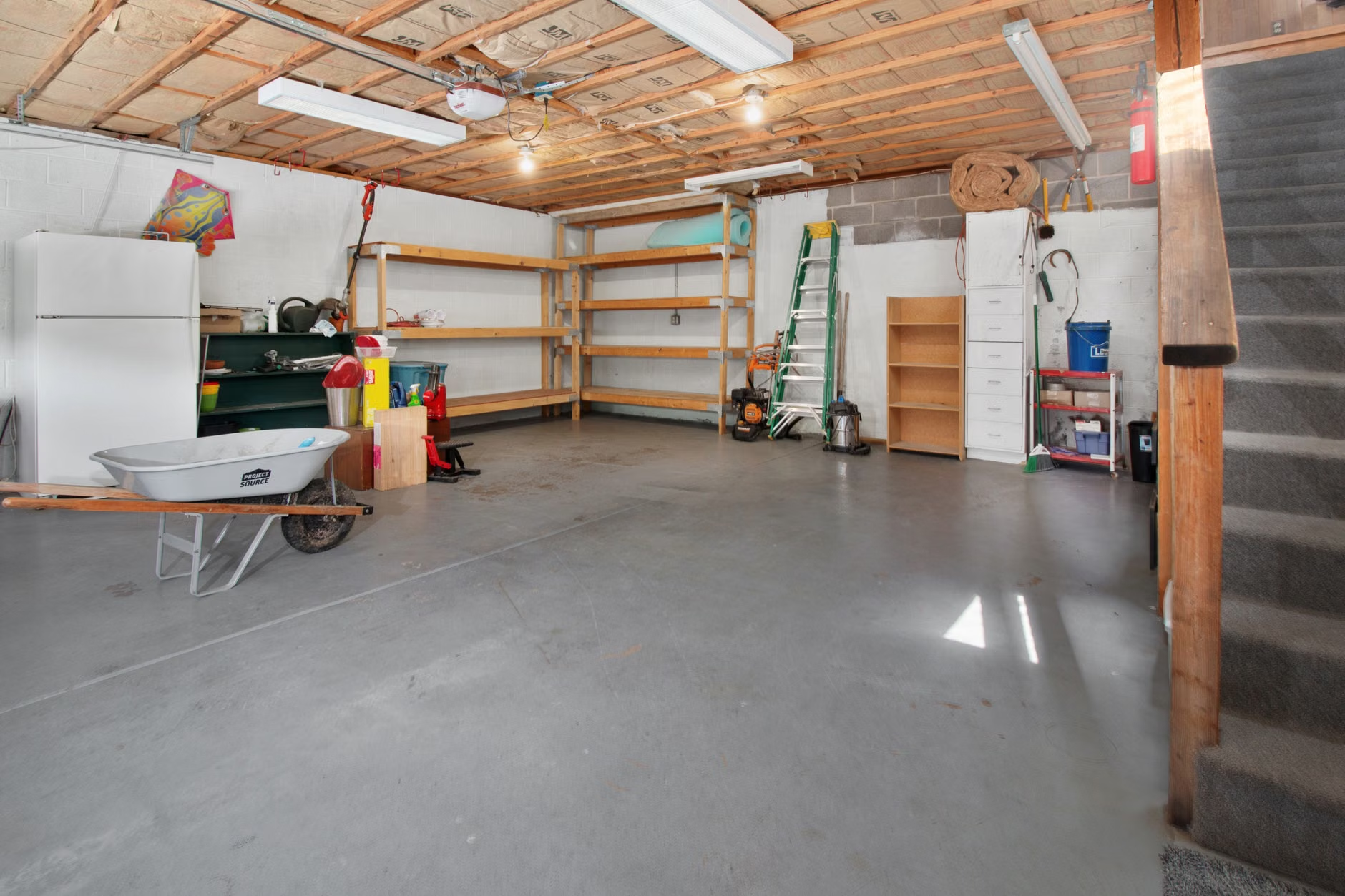
- Audit Your Garage: Spend one Saturday morning pulling out every tool you own. Categorize them into “Used Monthly” (keep) and “Used Yearly” (consider donating to your local library).
- Identify Your Nearest Library: Use the LocalTools network directory to see if there is a library near you. If there isn’t one, search for local “Library of Things” programs in your municipal public library system.
- Start Small: Don’t start with a massive, complex project. Borrow a simple tool for a minor task—like a carpet cleaner for a rug or a power sander for a small piece of furniture—to get comfortable with the checkout and return process.
- Respect the Inventory: Treat the tools better than you would your own. Clean them before returning them and report any issues immediately. This ensures the library stays funded and functional for everyone.
One overlooked variable is the environmental impact. By sharing tools, we collectively reduce the demand for manufacturing, packaging, and shipping new items. It’s a small, tangible way to contribute to a circular economy while keeping your own home life organized and efficient.
Final Thoughts on Smart DIY
The goal of any home improvement project is to improve your living environment, not to build a warehouse of hardware in your garage. By leveraging a community tool library, you are choosing to prioritize functionality, financial prudence, and community connection. You are choosing to spend your money on experiences with your family rather than on equipment that sits idle.
Next time a project comes up, pause before you hit “buy” on a website. Check your local library first. You might be surprised by what you find, and you will certainly be relieved by what you don’t have to store.
Frequently Asked Questions
What if I damage a tool while using it?
Most tool libraries have a policy for this. Generally, if the tool fails due to normal wear and tear, you are not responsible. If it is damaged due to misuse, you may be asked to pay for the repair or replacement. Always read the library’s waiver carefully when you sign up, and don’t hesitate to ask for a quick demo if you are unsure how to operate a piece of equipment safely.
Are the tools always available when I need them?
Popular tools—like seasonal lawn equipment—can be in high demand. The best strategy is to reserve your tools online as soon as you have a project date. Many libraries allow you to reserve items weeks in advance. If a tool is unavailable, it’s a good opportunity to shift your project timeline or look for a similar tool that can perform the same function.
Can I donate my old tools to a library?
Yes, most libraries welcome donations, especially of high-quality power tools, ladders, and specialized hand tools. It is a great way to clear out your garage while supporting a community resource. Before you haul a truckload of old equipment over, check the library’s website or give them a call to see if they are currently accepting donations and what their specific needs are.
For more information on the global movement of tool libraries and how to start one in your area, visit the Tool Library Network, a resource hub for community-based sharing economies.
Note: Always prioritize safety. Regardless of whether you own or borrow a tool, ensure you have the proper protective gear, such as safety glasses, gloves, and ear protection, and never operate a tool you aren’t comfortable with.