Reducing household waste isn’t about achieving a picture-perfect, trash-free life; it is about making small, strategic shifts that save you time, money, and mental energy while lowering your family’s environmental footprint.
Key Takeaways
- Focus on the “Big Three”: Food waste, single-use plastics, and disposable paper products offer the highest return on your effort.
- Automation over perfection: Build systems—like having a dedicated station for cloth rags—that remove the need for daily decision-making.
- The “Buy Nothing” filter: Before purchasing new parenting gear or household gadgets, leverage local community networks to reduce consumption.
If you are in your 30s or 40s, you know the drill: your home is likely a revolving door of school permission slips, snack wrappers, delivery boxes, and the occasional mysterious sticky toy. The idea of “going zero-waste” sounds like a full-time job you didn’t apply for. Let’s be honest: we don’t have the bandwidth to hand-wash beeswax wraps while the kids are screaming for dinner.
The good news? You don’t have to be a martyr for the planet to be an eco-conscious parent. In fact, many sustainable habits are actually just “lazy” habits in disguise—they save you trips to the store and reduce the clutter that makes your house feel chaotic.
The Psychology of “Good Enough” Sustainability
We often fall into the trap of “all-or-nothing” thinking. We buy a reusable water bottle, forget it at home, and decide the whole experiment is a failure. Sustainability for parents should be viewed as a series of low-stakes experiments. If you manage to stop buying paper napkins, you have already succeeded, even if you still use plastic bags for the kids’ sandwiches.
The goal is to replace “disposable” with “durable” only when the disposable item causes you active annoyance. Think about the trash that piles up fastest in your kitchen. Is it food packaging? Is it cleaning supplies? Is it kids’ art projects? Pick one, and solve that one. Don’t try to overhaul your entire life in a weekend.
Tackling the Food Waste Mountain
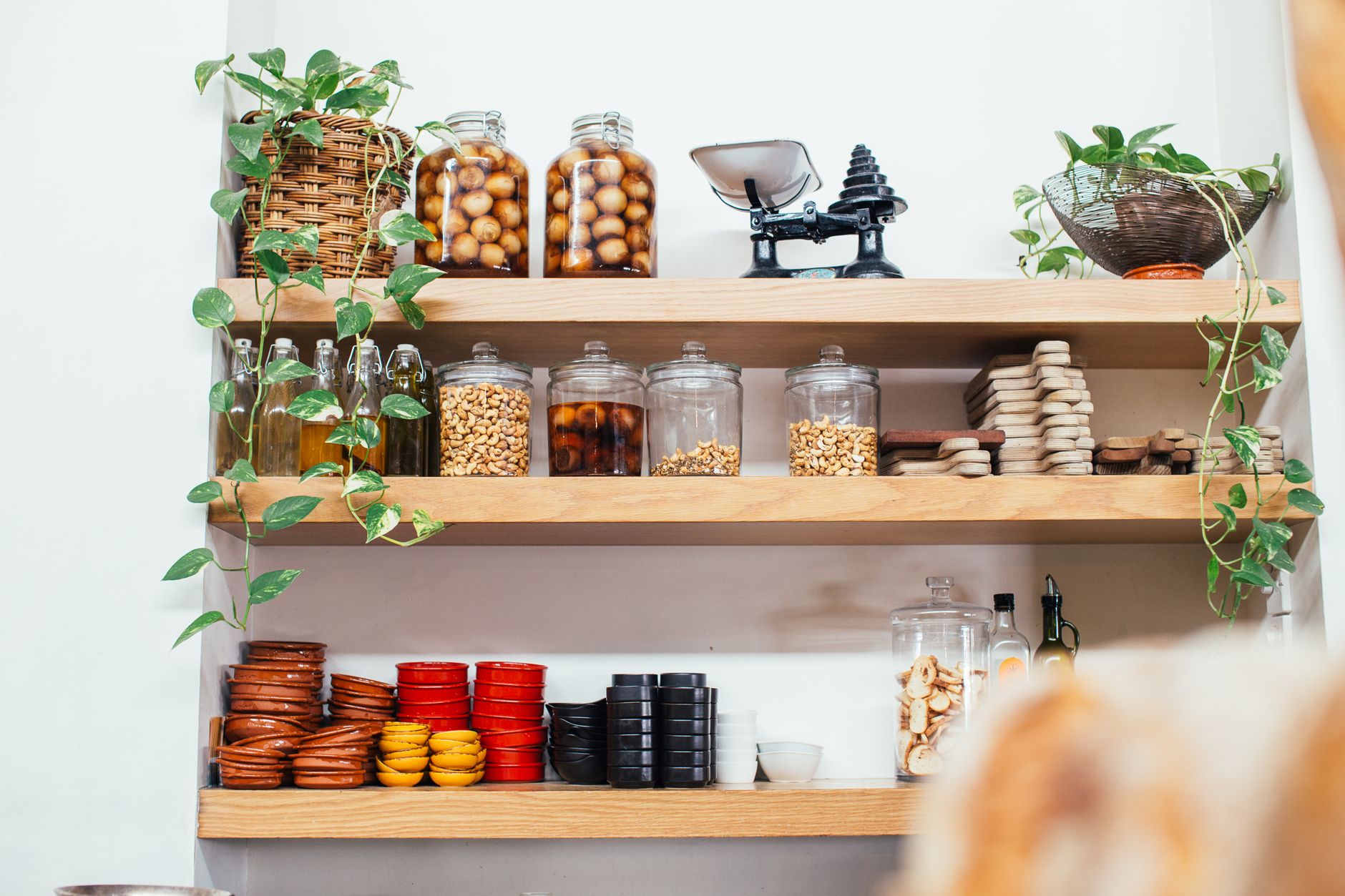
Food waste is arguably the most significant source of household waste, and it’s also the one that hits your wallet the hardest. According to the UN Environment Programme’s Food Waste Index, household food waste accounts for a massive portion of global food loss. As parents, we often over-buy “just in case” the kids decide they only want to eat blueberries this week.
To reduce this without the stress, try the “First-In, First-Out” (FIFO) method for your fridge. Place new groceries behind older ones. It’s a simple inventory management trick used in professional kitchens, and it works wonders at home.
The “Eat Me First” Bin
Designate a small bin or a specific shelf in your fridge as the “Eat Me First” zone. When you are doing your weekly meal prep or just putting away groceries, move anything that is nearing its expiration date into this bin. It removes the mental load of checking every single jar for dates every time you are hungry.
| Strategy | Time Investment | Impact |
|---|---|---|
| Meal Planning | High | High (Saves money) |
| Eat Me First Bin | Low | Medium (Reduces waste) |
| Bulk Buying | Medium | High (Less packaging) |
Rethinking the “Disposable” Household
Paper towels are the ultimate convenience, but they are also a constant drain on your grocery budget. The transition away from paper towels doesn’t have to be jarring. Start by buying a pack of inexpensive, colorful microfiber cloths or cotton rags. Keep them in a visible drawer in the kitchen.
When you have a spill, reach for the cloth instead of the paper roll. If you keep the paper towels in a harder-to-reach cupboard, you will naturally default to the cloth. This isn’t about being a purist; it’s about changing your environment to make the sustainable choice the path of least resistance.
The Art of the “Second Life”
Before you toss something, ask: “Can this do another job?” Glass pasta sauce jars are excellent for leftovers or storing dry goods. Old t-shirts become dusting rags. The key here is not to become a hoarder of “useful trash.” If you don’t have a plan for that jar within a week, recycle it. Clutter is the enemy of sustainability because it makes it harder to find the things you actually use.
This is where parenting sustainability gets tricky. Kids grow fast, and their interests shift even faster. The “Buy Nothing” movement is your best friend here. Most cities have local Facebook groups or apps like Olio or Freecycle where parents are constantly trying to get rid of baby gear, clothes, and toys that are in perfectly good condition.
Buying second-hand isn’t just eco-friendly; it’s a massive relief for your bank account. If you buy a high-quality second-hand item—like a carrier or a sturdy wooden toy—you can often resell it for the same price when you are done. It’s essentially a circular economy in your own living room.
When to Buy New
There is no shame in buying new when safety or hygiene is involved, or when you know an item will be used until it literally falls apart. The “sustainable” choice is the one that gets used the most. A new pair of high-quality boots that your child wears for a year is more sustainable than a cheap, plastic pair that breaks in a month and ends up in a landfill.
Systems Over Willpower
If you rely on willpower to remember to bring your reusable bags or to wash your containers, you will eventually burn out. You need systems. Keep a collapsible shopping bag in your car or clipped to your keychain. Store your reusable water bottles right next to the door where you put on your shoes.
If you find yourself constantly buying coffee in disposable cups, keep a travel mug in your office or car. If you forget it, don’t beat yourself up. Just make it a goal to try again next time. The goal is progress, not perfection.
Managing the Mental Load
Sustainability should reduce your mental load, not add to it. If a specific “eco-habit” is causing you stress or arguments with your partner, drop it. Maybe cloth diapers aren’t for you, but composting is. That’s fine. Maybe you can’t handle bulk shopping, but you can commit to meat-free Mondays. That’s also fine.
The most important part of eco-conscious parenting is modeling that we care about our environment. Your kids will notice that you value the things you own, that you try to minimize waste, and that you think before you buy. That is a much more powerful lesson than any perfect zero-waste streak could ever be.
Common Misconceptions
There is a pervasive myth that sustainable living is only for the wealthy or those with unlimited time. While some high-end sustainable brands are expensive, the core principles—buying less, reusing what you have, and wasting less food—are fundamentally frugal.
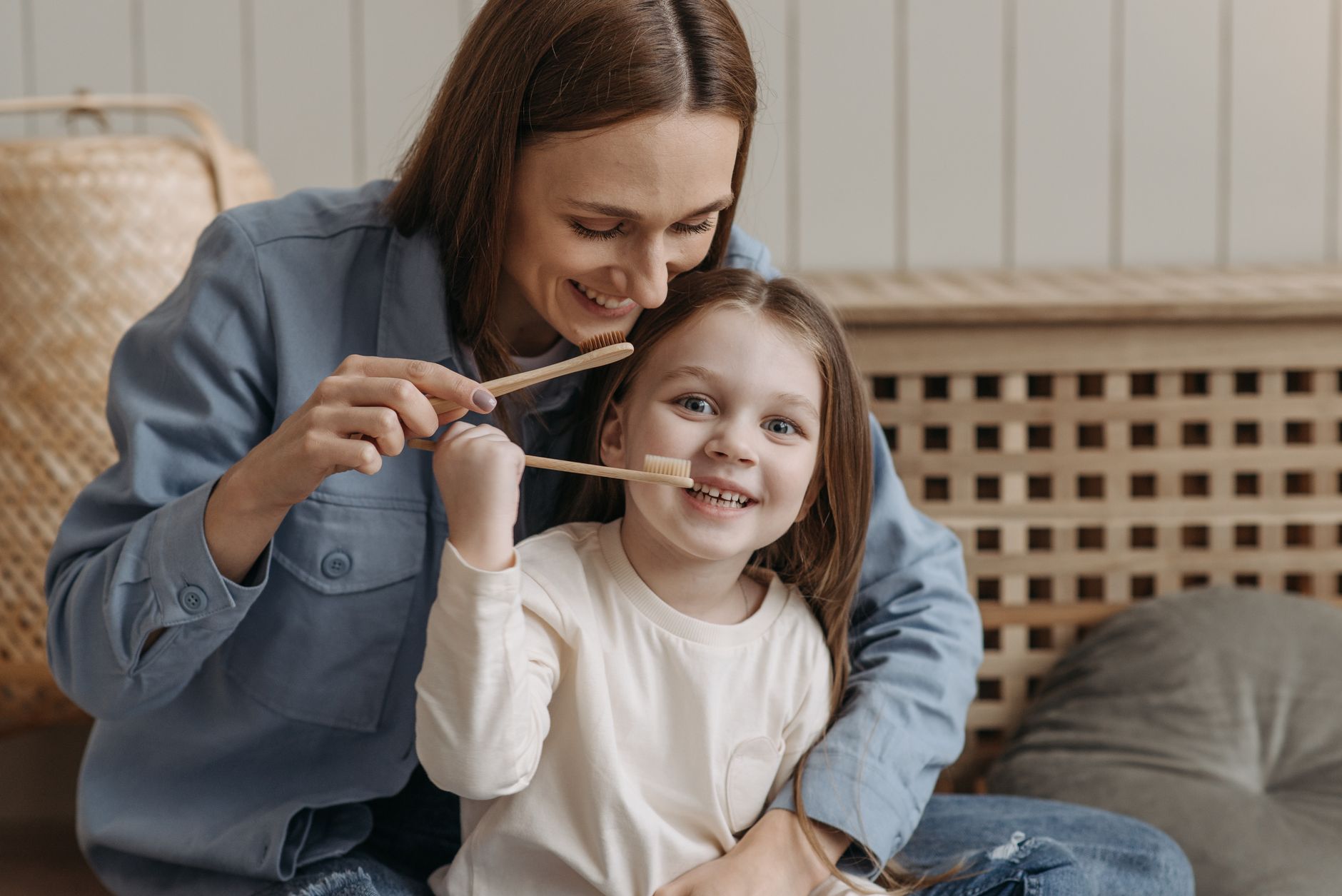
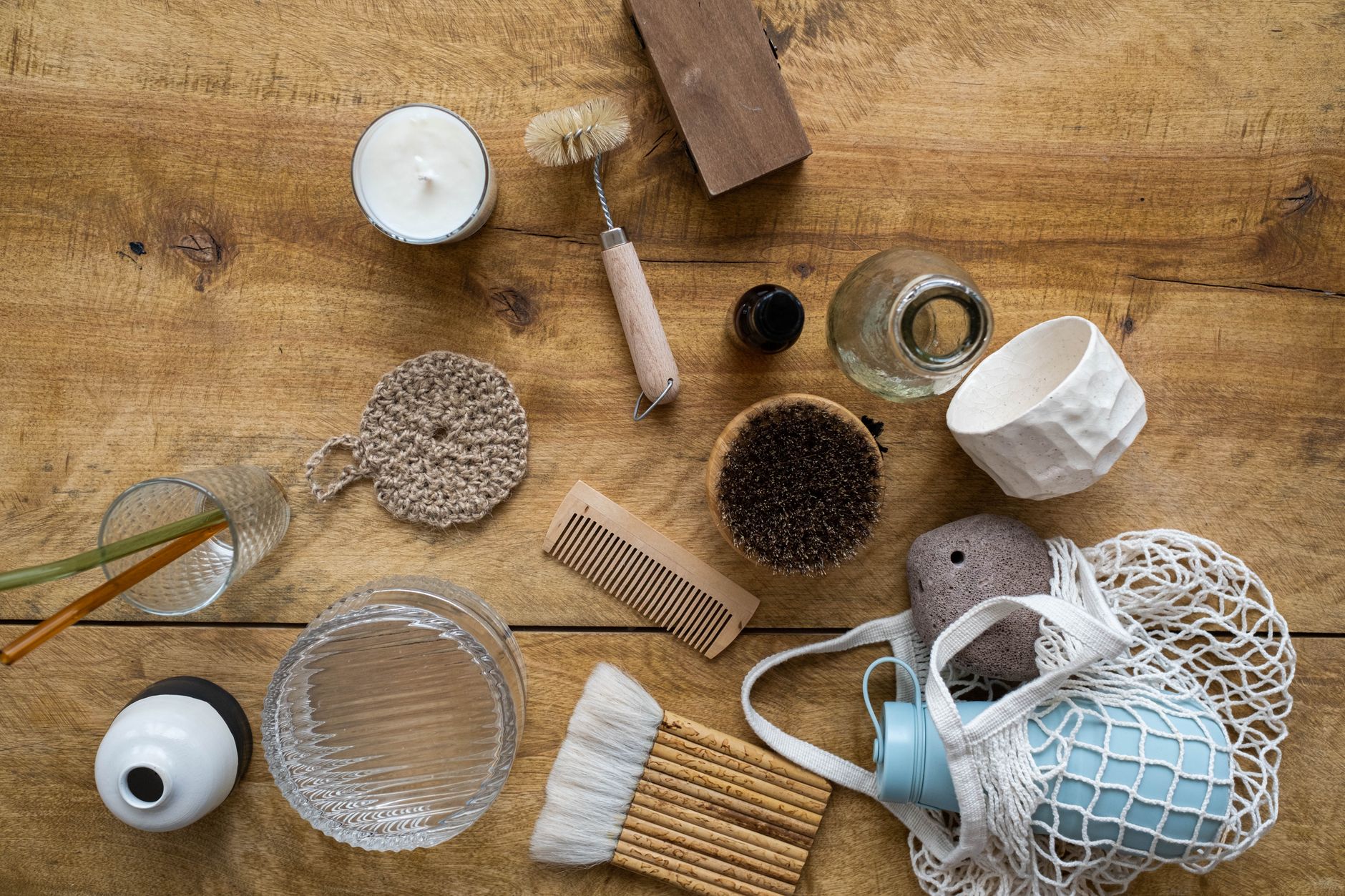
Don’t fall for “greenwashing.” Just because a product is labeled “natural” or “eco-friendly” doesn’t mean you need it. The most eco-friendly product is the one you already own. Before you buy that fancy bamboo set, check if you have an old plastic container that still works. Being a conscious consumer is about slowing down your purchasing cycle, not just changing the brand of the things you buy.
Summary and Moving Forward
Reducing household waste as a parent is a balancing act. Focus on the areas that provide the most benefit to your daily routine: managing food waste to save money, choosing durable items to reduce clutter, and utilizing community networks to avoid unnecessary purchases.
Be kind to yourself. You are managing a household, likely a career, and the daily demands of raising children. If you occasionally use a paper towel or forget your reusable bag, you haven’t failed. You are simply human. Focus on the long-term shifts, keep your systems simple, and remember that even small actions, when multiplied by millions of families, create significant change.
Frequently Asked Questions
Q: Is it really cheaper to live sustainably?
A: In the long run, yes. By reducing food waste, buying fewer single-use items, and opting for second-hand gear, you will see a reduction in your monthly expenses. However, there may be an initial “investment” phase when buying durable replacements for things you previously bought as disposables.
Q: How do I get my partner/kids on board without nagging?
A: Lead by example and make the sustainable choice the easiest one. If you put the reusable bags in the car, they will use them. If you make the “Eat Me First” bin, they will see the food that needs to be eaten. Avoid lecturing; instead, frame it as a way to make the house less cluttered and more efficient.
Q: What if I don’t have time to research every product?
A: Don’t. The best approach is to simply “buy less.” When you do need to buy something new, look for durability and longevity rather than a “green” label. If it lasts longer, it is inherently more sustainable.
For more information on reducing household waste and living sustainably, check out these resources: