The secret to “Quiet Luxury” in a family home isn’t about buying expensive designer furniture that you’re terrified to touch; it’s about choosing high-quality, tactile materials and a neutral palette to create a visual “off-switch” for your brain at the end of a chaotic day.
Three Key Takeaways
- Quality over quantity: Invest in a few durable, natural-material pieces rather than rotating through cheap, trendy decor.
- Texture is the new color: When you stick to a neutral palette, use layers of wool, linen, wood, and stone to create depth and warmth.
- Functionality is mandatory: Quiet luxury in a home with kids means “hidden” organization that keeps the visual noise of toys and gear at bay.
Do you ever walk into your house after a long day of work, school drop-offs, and endless errands, and feel like your walls are closing in on you? It’s not just the mess. It’s the visual noise. Between the colorful plastic toys, the mismatched storage bins, and the general clutter of life, our homes often feel like an extension of our to-do lists rather than a sanctuary.
This is where the “Quiet Luxury” movement—which took the fashion world by storm—is finding a very practical, very necessary home in interior design. But let’s be clear: we aren’t talking about marble floors that stain or silk sofas that can’t handle a juice spill. We are talking about a design philosophy that prioritizes peace, longevity, and intentional living.
What Exactly is ‘Quiet Luxury’ in a Modern Home?
If you search for Quiet Luxury on social media, you’ll see endless photos of monochromatic rooms that look like no one has ever lived in them. For a parent, that’s not just unhelpful; it’s alienating. In the context of a lived-in home, Quiet Luxury is defined by understated elegance. It’s the absence of clutter, the presence of natural materials, and a commitment to pieces that age gracefully.
Think of it as the “capsule wardrobe” approach to your living room. Instead of having twenty pieces of “fast furniture” that fall apart after two moves, you invest in a sturdy, well-made sofa in a neutral fabric. You prioritize lighting that warms the soul rather than harsh overhead LEDs. You choose textures like heavy linen curtains, wool rugs, or reclaimed wood tables that feel good to the touch.
The goal is to reduce the cognitive load of your environment. When your eyes don’t have to process a dozen clashing patterns or neon-colored items, your nervous system actually gets a chance to downshift. It’s not about being “fancy”; it’s about being calm.
The Architectural Shift: Why Neutral Doesn’t Mean Boring
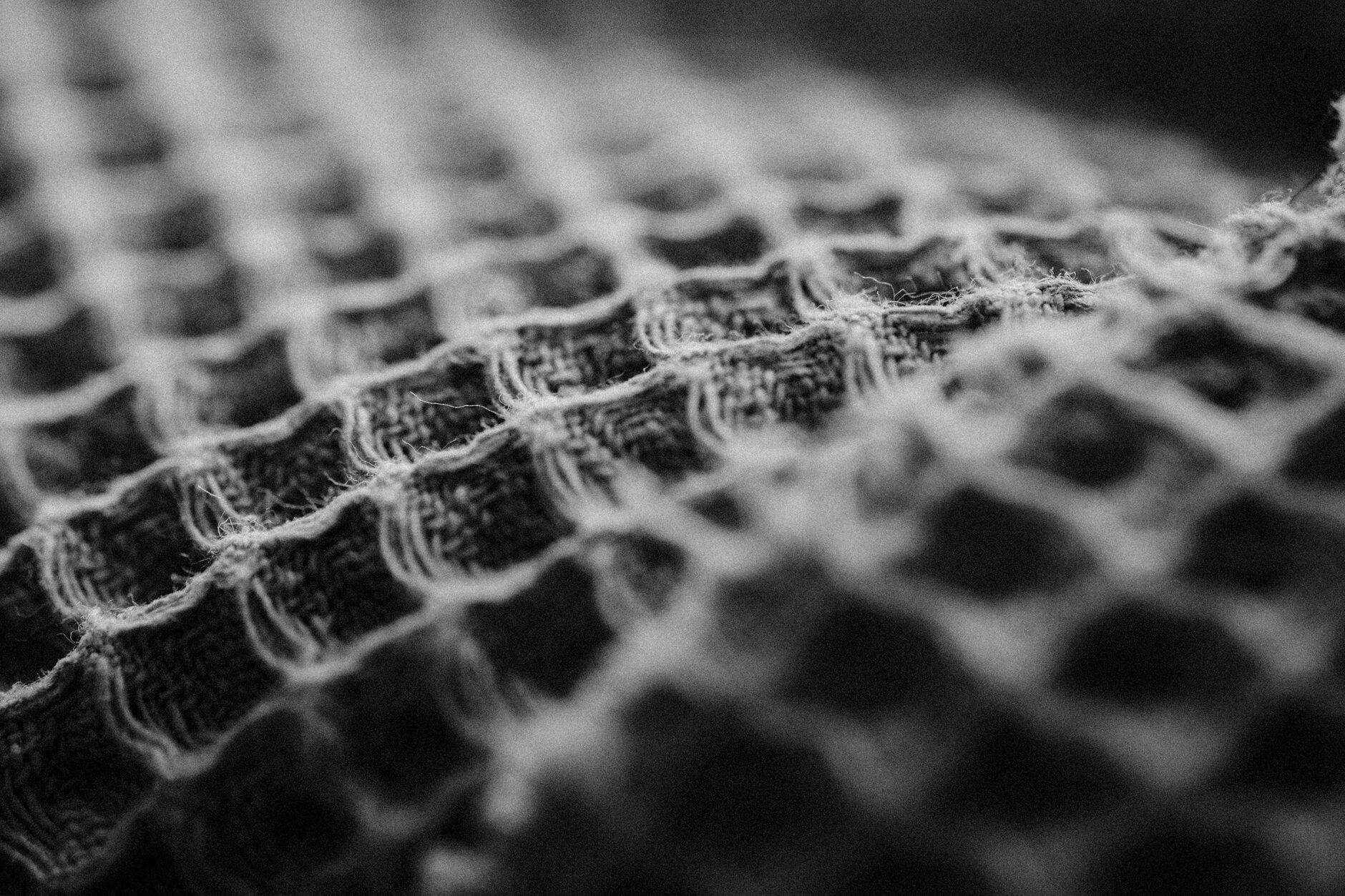
One common critique of the Quiet Luxury aesthetic is that it feels “sterile.” If your home is entirely beige, you might feel like you’re living in a waiting room. However, true Quiet Luxury relies on tonal layering. If you are going to use a neutral palette, you must introduce variety in texture to keep the space feeling alive.
Consider the difference between a flat, polyester-blend throw pillow and a heavy, hand-woven cotton one. Both might be “cream-colored,” but the way they reflect light and feel against your skin changes the entire atmosphere of the room. When you are decorating, follow the “Rule of Three Textures”: try to include at least three different tactile elements in every space. For example, a leather chair, a wool rug, and a wooden coffee table.
This approach also makes cleaning easier, which is a major win for parents. Natural materials like wool and leather often patina over time, meaning they look better with age—a sharp contrast to synthetic materials that just look “worn out” or “dirty” when they start to degrade.
Practical Strategies for the ‘Quiet’ Parent
How do we actually achieve this without hiring an interior designer or spending a fortune? The answer lies in editing. Most of us have far more “stuff” than we actually need, and that stuff is the enemy of a quiet home.
1. The Art of Hidden Storage
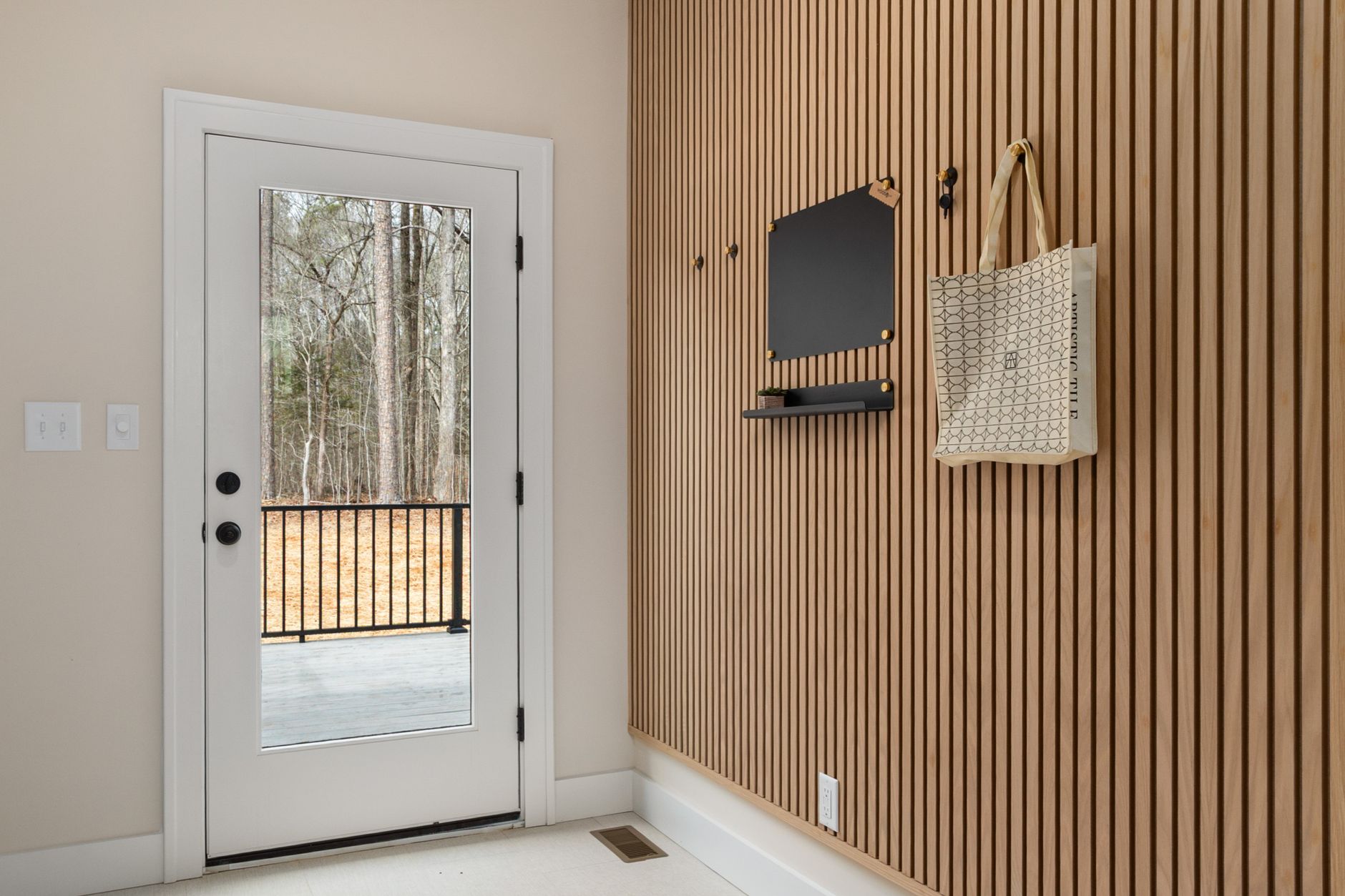
You cannot have a quiet home if every surface is covered in papers, mail, and remnants of the morning rush. The most important investment in a Quiet Luxury home isn’t an expensive rug; it’s closed storage. If you have kids, this means cabinets with doors, baskets with lids, and ottomans that double as toy chests. If you can’t see the clutter, you aren’t mentally triggered by it.
2. The Lighting Revolution
Nothing kills a luxury aesthetic faster than a single, bright, cool-toned overhead light. In the evenings, turn off the “big light.” Use lamps with warm-toned bulbs (look for 2700K on the packaging). Place them at different heights—on the floor, on a side table, and perhaps a wall sconce. This creates a “cocoon” effect that instantly makes a room feel more expensive and more relaxing.
3. Investing in ‘Hero’ Pieces
Instead of buying five cheap items from a big-box store, save up for one high-quality piece. A solid wood dining table, for instance, can be sanded and refinished if it gets scratched by a toddler’s toy. A cheap particle-board table, once scratched, is destined for the landfill. Quiet Luxury is inherently more sustainable because it favors longevity over the constant cycle of replacement.
| Feature | Fast Interior Trends | Quiet Luxury Approach |
|---|---|---|
| Materials | Synthetic, plastic, veneer | Linen, wool, solid wood, stone |
| Color Palette | High-contrast, trendy brights | Tonal, neutral, earthy |
| Durability | Designed for short-term use | Designed to age and patina |
| Storage | Open shelving (displays clutter) | Closed cabinetry (hides clutter) |
Addressing the ‘But I Have Kids’ Reality
This is the elephant in the room. How can you have a “quiet” home when you have three children under ten? It’s a valid concern. The reality is that Quiet Luxury for parents is about intentional mess management, not perfection.
It’s okay if there are toys on the floor during the day. The “luxury” comes from the fact that you have a system to clear them away in five minutes at night. It comes from having a living room sofa that is slipcovered in a washable, high-quality fabric rather than a delicate velvet that requires professional cleaning. It’s about choosing a rug that is durable enough for high traffic but sophisticated enough that it doesn’t look like a kindergarten playroom.
Remember that your home is a tool for your family’s life, not a museum. The “luxury” part of this trend is really about time. By choosing items that are easy to maintain and organizing your home to reduce daily friction, you are buying back time that would otherwise be spent cleaning, organizing, or worrying about the state of your living space.
The Psychology of Visual Silence
Recent studies in environmental psychology suggest that our surroundings significantly impact our cortisol levels—the hormone responsible for stress. Environments with high visual complexity (think: lots of small items, clashing colors, and disorganized surfaces) can lead to increased feelings of being overwhelmed. This is particularly pronounced for parents, who are already dealing with high cognitive loads throughout the day.
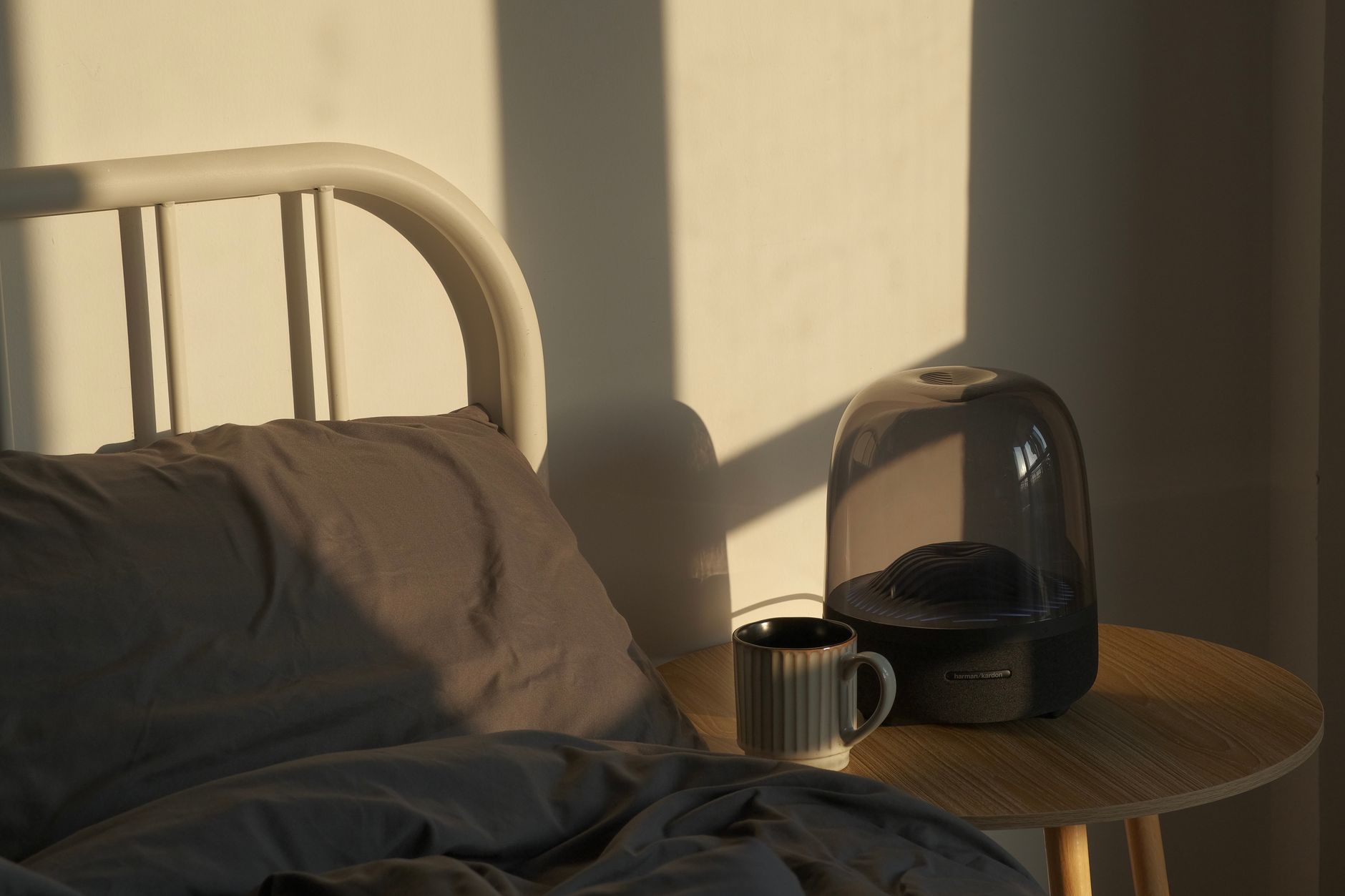
Quiet Luxury acts as a visual “reset.” By simplifying the visual input in your home, you are effectively lowering the noise floor of your life. When you walk into a room that feels “quiet,” your brain doesn’t have to work as hard to categorize the objects it sees. This is why hotels often feel so relaxing—they are masters of this exact principle. You can replicate this in your own bedroom or living area by simply removing 30% of the small decor items you currently have on display.
Where to Start: A Weekend Audit
If you want to move toward this aesthetic, don’t try to change everything at once. Start with a “Quiet Weekend” project:
- Choose one room: Start with your bedroom or the living room.
- Clear the surfaces: Remove everything that isn’t a “hero” piece or a functional item.
- Analyze the textiles: Are your curtains thin and synthetic? Replacing them with heavy, natural-fiber drapes is the single most effective way to change the “feel” of a room.
- Edit the color: If you have bright, primary-colored items, move them to a dedicated play area or tuck them into bins.
The goal is to move away from the “collecting” mindset—where we feel the need to fill every corner with something—and move toward a “curating” mindset. Ask yourself: “Does this item serve a function, or does it bring me genuine peace?” If the answer is no, it doesn’t need to be in your space.
Cautions and Considerations
While the Quiet Luxury trend is excellent for mental health, be wary of the “minimalist trap.” Some people interpret this style as an excuse to be cold or unwelcoming. Your home should still reflect your family’s personality. Don’t be afraid to display books, family photos, or art—just do it with intention. Group photos together in a gallery wall rather than scattering them across every surface. Use beautiful baskets to keep books organized. The key is in the grouping, not the removing.
Also, be mindful of the “luxury” price tag. You do not need to spend designer prices to achieve this look. Many high-quality, natural-fiber pieces can be found at thrift stores, vintage markets, or through mid-range retailers that focus on sustainable practices. The “luxury” is in the quality of the material, not the label on the tag.
Moving Forward with Intention
Embracing Quiet Luxury is less about an expensive renovation and more about a shift in perspective. It’s a commitment to creating a space that acts as a buffer against the outside world. For those of us in the thick of parenting and career, our homes should be the place where we recharge, not where we find more work to do.
Start small, focus on textures, and prioritize the peace of mind that comes from a clear, intentional space. Your home doesn’t have to be perfect; it just has to be a place where you can breathe.
Frequently Asked Questions
1. Is Quiet Luxury just another word for minimalism?
Not exactly. Minimalism often focuses on having as little as possible. Quiet Luxury focuses on the quality of what you have. You can have a fully furnished, cozy home and still achieve a Quiet Luxury aesthetic by prioritizing natural materials, muted tones, and high-quality craftsmanship over “fast” decor.
2. How do I maintain this look with young children?
Focus on “hidden” luxury. Use high-quality storage solutions (like wooden chests or stylish baskets) to hide toys, and opt for performance fabrics on upholstery that can be easily cleaned. The luxury comes from the ease of maintenance and the lack of visual clutter, not from having delicate, off-limits furniture.
3. Is this trend sustainable?
It can be, provided you avoid “fast furniture” that needs to be replaced in a year or two. The core of Quiet Luxury is longevity. By investing in well-made, timeless pieces that are built to last, you are naturally reducing your waste and supporting a more sustainable approach to home ownership.
For further reading on interior design trends and sustainable home practices, you may find the following resources helpful:
Architectural Digest – Design Trends
The Spruce – Home Improvement & Decor