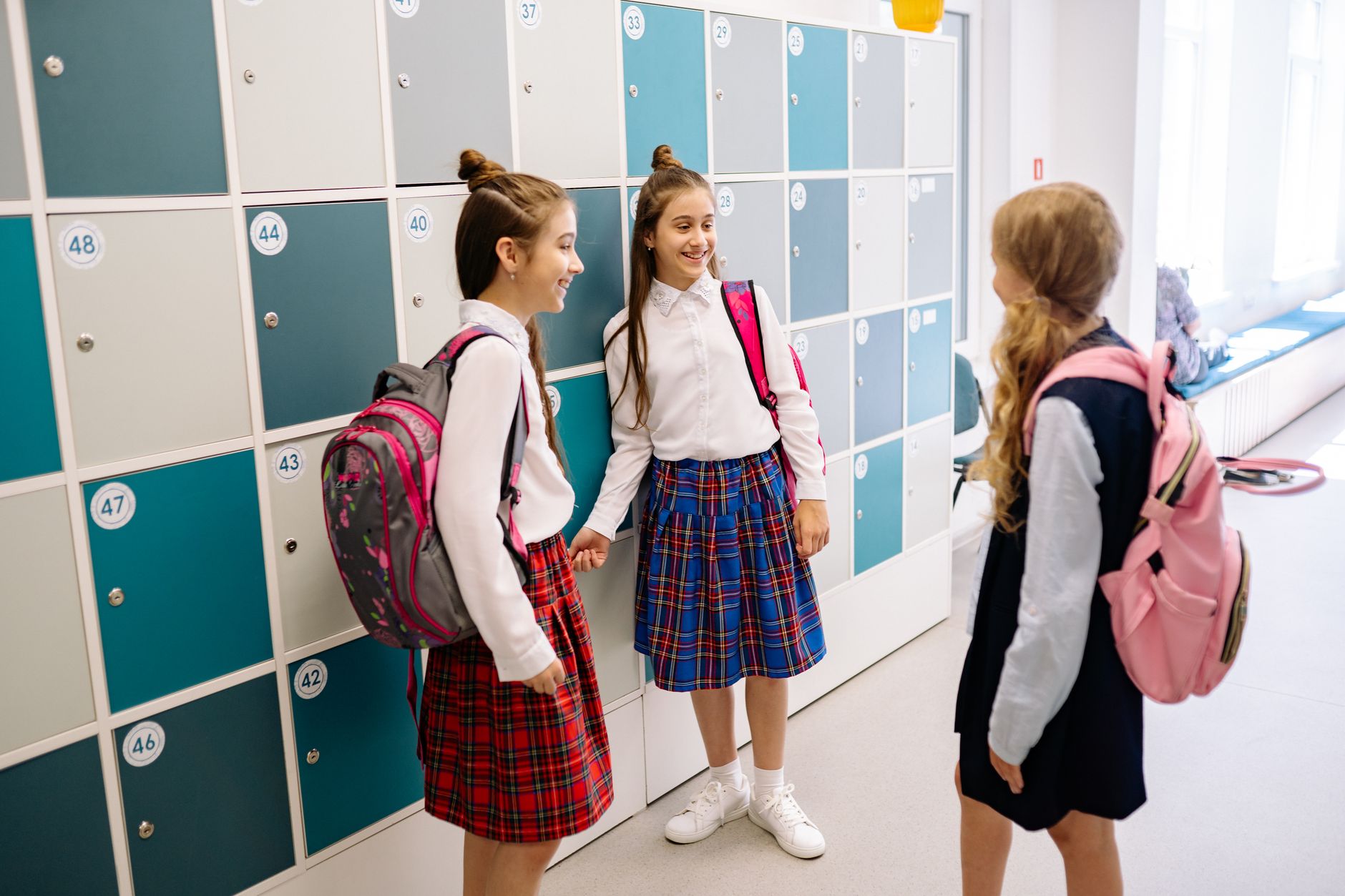
The most important thing to realize about middle school friendships is that the turbulence your child is experiencing is not a sign of failure, but a predictable, albeit painful, developmental milestone. As children transition into the middle school years—typically ages 11 to 14—their social landscapes shift from the structured, adult-supervised play of elementary school to a peer-centric ecosystem where social status, belonging, and identity formation take center stage. When your child comes home with stories of exclusion, shifting alliances, or the sudden loss of a “best friend,” your role is not to “fix” their social circle, but to provide a secure base from which they can navigate these complexities themselves.
- Normalization: Understand that friendship instability is a standard feature of early adolescence, not a personal flaw of your child.
- The “Co-Pilot” Approach: Move away from “fixing” social problems and toward coaching, helping your child brainstorm their own solutions to peer conflict.
- Emotional Regulation: Focus on maintaining a calm, non-judgmental home environment where your child feels safe to vent without fearing immediate parental interference.
If you have spent your child’s elementary years acting as a social facilitator—organizing playdates, mediating minor disputes, and ensuring everyone was included—the sudden shift to the “middle school silence” can feel jarring. Suddenly, your child may stop talking about their day, or worse, they may share details of social drama that leave you feeling panicked and ready to call the school or the other parents. Before you reach for the phone, take a breath. The middle school years are designed to be the “training ground” for adult independence. If you step in too quickly, you inadvertently signal that you don’t trust them to handle their own social ecosystem.
Understanding the Developmental Shift: Why Friendships Change
To support your child effectively, you have to understand the “why” behind the shift. In developmental psychology, the transition to middle school represents a move from “friendship as proximity” to “friendship as emotional intimacy.” In elementary school, friends are often those who live nearby or are in the same class. In middle school, friends become a reflection of the child’s evolving identity.
As children begin to develop abstract thinking, they start to compare themselves with their peers. They are looking for validation, shared interests, and a sense of belonging that is distinct from their family unit. This is why you will see “friendship groups” become more rigid and exclusionary. It isn’t necessarily because your child or their friends have become “mean”; it is because they are undergoing a process of social sorting to figure out where they fit in the larger hierarchy of their peer group.
Consider the following factors that contribute to this volatility:
| Factor | Impact on Friendship |
|---|---|
| Identity Formation | Kids change interests rapidly, leading to drifting apart from old friends. |
| Brain Development | The prefrontal cortex, responsible for impulse control, is still under construction. |
| Digital Integration | Social media and group chats create a 24/7 social environment with no “off” switch. |
| Academic Pressure | Increased workload can limit free time, making casual social interaction harder. |
When you see these shifts, try to view them as “social experiments.” Your child is testing out different versions of themselves. If they stop hanging out with a long-time friend because that friend is now into gaming and your child is into athletics, it is not a loss of character; it is a realignment of values. Supporting this means acknowledging their change without mourning the “old” friendship in front of them.
The Art of the “Co-Pilot” Conversation
When your child does come to you with a social problem—perhaps they were left out of a weekend plan, or someone said something hurtful in a group chat—your instinct will be to ask, “Did you talk to them?” or “Why don’t you just invite someone else?” These questions, while well-intentioned, often shut down the conversation because they feel like orders or dismissals of their pain.
Instead, try the “co-pilot” approach. This involves three distinct steps: Validation, Exploration, and Strategy.
Step 1: Validation
Start by simply acknowledging how much it hurts. “That sounds really tough,” or “I can see why that would make you feel left out.” Do not rush to offer a solution. Often, the act of being heard is enough to lower their stress level. If you jump straight to “here is what you should do,” you deny them the opportunity to process the emotion themselves.
Step 2: Exploration
Once the initial emotional charge has dissipated, ask open-ended questions that help them see the situation from a broader perspective. “What do you think was going on?” or “How have you handled similar things in the past?” You are not looking for the “right” answer; you are looking for their perspective. This helps them develop the social-cognitive skills required to navigate future conflict.
Step 3: Strategy
Only after they have explored the situation should you ask, “What are you thinking of doing next?” If they have no ideas, you can gently offer options. “You could talk to them directly, you could take a break from that group for a few days, or you could focus on a different group of friends. Which of those feels most comfortable for you?” By presenting options, you remain the consultant, not the CEO of their social life.
Managing the Digital Dimension of Social Conflict
Middle school social life is no longer confined to the hallway or the cafeteria. It lives in group chats, on social media platforms, and in gaming lobbies. This adds a layer of complexity that previous generations did not have to navigate. Digital communication lacks tone, facial expressions, and body language—three things that are essential for conflict resolution.
A simple, neutral message can easily be interpreted as an insult, leading to a cascade of drama that would never have happened in person. As a parent, you have to address this digital reality without being the “tech police.”
Establish clear, mutually agreed-upon boundaries for technology. For example, consider a “no phone in the bedroom after 9:00 PM” rule. This isn’t just about sleep; it’s about preventing late-night “doomscrolling” through social media, where your child might witness their friends hanging out without them, creating a false sense of isolation.
If your child is dealing with cyberbullying or toxic group chats, teach them the “Pause and Evaluate” rule. Before they respond to a hurtful message, they must step away from the device for at least 30 minutes. This allows the emotional brain to cool down and the rational brain to take over. Most of the time, when they come back to the device, the urgency of the response has faded, and they realize the conflict isn’t worth the energy.
When to Intervene: Knowing the Boundary
There is a fine line between supporting your child and overstepping. As a general rule, you should only intervene directly (by contacting the school or another parent) if the situation involves physical safety, sustained bullying that violates school policy, or illegal activity.
Middle school drama—even when it feels like the end of the world—is a normal part of the process. If you intervene every time your child has a falling out, you are teaching them that they are incapable of handling their own problems. You are also signaling to the other children (and their parents) that your child is not an independent actor.
If you do feel that an intervention is necessary, always loop your child in. Never go behind their back unless you fear for their immediate safety. Say, “I’m concerned about what you’ve told me, and I think we need to talk to the school counselor. How should we approach this together?” This keeps them in the driver’s seat and maintains the trust in your relationship.
Building a Life Outside of “The Group”
One of the best ways to insulate your child from the volatility of middle school friendships is to ensure that their entire sense of self is not tied to one group of peers. Encourage them to participate in activities that span different social circles. If they are on a sports team, in a robotics club, and involved in a community service group, they have different “social buckets.”
If things go south in the school cafeteria, they still have a sense of belonging in their sports team. This diversification of their social life is the best insurance policy against the pain of exclusion. It shows them that their value as a person is not defined by the opinion of a single group of classmates.
Furthermore, emphasize the importance of “cross-pollination.” Encourage them to invite friends from different areas of their life to hang out. This helps break down the rigid cliques that often form in middle school. It teaches them that they can be the bridge between different groups, which is a powerful social skill that will serve them well into adulthood.
The Role of the Parent as a Secure Base
Finally, remember that your home should be the one place where your child doesn’t have to “perform.” In school, they are constantly navigating hierarchies, social expectations, and the pressure to fit in. When they come home, they should feel like they can let their guard down.
This means being a “non-anxious presence.” When they share their frustrations, try to avoid the “parental panic” that comes from our own memories of middle school. If you react with, “Oh, that’s terrible, we need to fix this right now!” you are adding your own anxiety to theirs. Instead, try, “I hear you, and that sounds frustrating. I’m here if you want to talk about it or just need to veg out for a while.”
Sometimes, the best support you can provide is a distraction. If they’ve had a particularly rough day, suggest an activity that has nothing to do with school or friends—a family walk, a board game, or just cooking dinner together. Remind them, through your actions and your consistent, calm presence, that their worth is not tied to the fluctuating tides of middle school popularity.
Summary and Looking Ahead
Middle school friendship transitions are a rite of passage, not a crisis. By focusing on normalization, coaching rather than fixing, and fostering a balanced life outside of school, you provide your child with the tools they need to navigate these years with resilience. Keep the communication lines open, respect their need for privacy, and remember that this phase, like all others, is temporary.
Be patient with yourself as well. Watching your child navigate social pain is one of the hardest parts of parenting. You aren’t meant to be perfect; you are meant to be a steady, reliable partner in their growth. As they move toward high school, they will look back on these years—not as a time when you solved all their problems, but as a time when you helped them learn how to solve their own.
For more research on adolescent development, you can visit the American Psychological Association (APA) for evidence-based information on social-emotional learning.
Frequently Asked Questions
- How do I know if my child’s friendship issues are actually bullying?
Bullying is defined by a power imbalance and repetition. If your child is being targeted repeatedly by someone who has more social or physical power than them, and they are unable to stop it on their own, that is a sign to step in and involve school authorities. - Should I reach out to the other child’s parents?
Generally, no. Unless you have a pre-existing friendly relationship with the parents, reaching out can often escalate the conflict and make your child feel embarrassed. Always consult with your child first before making any contact. - My child has no friends. Is this normal?
It is common for children to feel isolated during the transition to middle school as friend groups shift. However, if your child shows signs of extreme withdrawal, changes in eating or sleeping habits, or a significant drop in academic performance, it may be time to consult with a school counselor or a professional therapist to rule out underlying mental health issues.
Disclaimer: This article is for informational purposes and does not constitute professional psychological or medical advice. If you are concerned about your child’s mental health, please reach out to a licensed professional.