The most important truth about bio-hacking is that for 99% of parents, the “hacks” that actually move the needle are the boring, foundational ones: consistent sleep, whole foods, and managing stress—not expensive supplements or experimental gadgets.
Key Takeaways
- Focus on Foundations: Bio-hacking isn’t about expensive technology; it is about optimizing your biology through sleep, nutrition, and movement.
- Avoid the Noise: Marketing often sells “quick fixes” in the form of supplements or devices that lack rigorous clinical backing.
- Parenting Context: Your “biological age” is less important than your “functional energy” to keep up with your children; prioritize recovery over optimization.
If you are in your 30s or 40s, you have likely seen the term “bio-hacking” pop up in your social media feeds. It is usually accompanied by images of someone in a hyperbaric oxygen chamber, wearing a $300 ring that tracks their every heartbeat, or gulping down a cocktail of twenty different supplements before their morning coffee. For a parent who is currently choosing between folding laundry and getting five hours of sleep, this can feel both intimidating and deeply insulting.
Is this just another way to monetize the anxiety of aging? Or is there something here that can actually help us be more present, energetic, and resilient as we navigate the chaos of raising children? Let’s strip away the marketing hype and look at what bio-hacking actually means for the average, sleep-deprived parent.
What is Bio-hacking, Really?
At its core, bio-hacking is the practice of using science, technology, and self-experimentation to optimize your body’s performance and health. Think of it as “life-hacking,” but for your biology. The term gained popularity in Silicon Valley, where professionals started treating their bodies like software—something to be debugged, upgraded, and tweaked for maximum efficiency.
For most of us, “optimization” sounds like a luxury. When you are waking up at 3:00 AM because of a toddler’s nightmare or stressing over school runs, the idea of “optimizing” your REM cycle feels like a joke. However, the principles behind bio-hacking—monitoring your data, controlling your environment, and making incremental changes—are actually quite practical.
The danger lies in the commercialization. Many companies sell the tools of bio-hacking (the rings, the expensive powders, the red-light therapy lamps) as if they are the solution itself. But if you are not sleeping, no amount of infrared light is going to fix your hormonal balance. The goal here is to identify which “hacks” are evidence-based and which are simply expensive placebos.
The Pillars of Biological Optimization
Before we touch a single supplement or wearable device, we have to address the “Big Three”: Sleep, Nutrition, and Movement. These are the boring, non-negotiable foundations of health. If these are not in place, you are not “hacking” your biology; you are just layering fancy gadgets on top of systemic exhaustion.
1. The Sleep Foundation
Sleep is the ultimate bio-hack. It is when your brain clears out metabolic waste and your body repairs tissue. For parents, “getting eight hours” is often physically impossible. The bio-hacker’s approach isn’t just about total hours; it’s about quality and circadian alignment.
Practical Tip: Use the “Temperature Hack.” Your body needs to drop its core temperature to enter deep sleep. Keeping your bedroom at a cool 18°C (65°F) is a scientifically proven way to signal your brain that it is time for recovery. If you cannot control the whole room, look into cooling mattress pads or simply taking a warm shower an hour before bed—the subsequent cool-down of your body is a powerful sleep trigger.
2. Nutritional Efficiency
Most of us eat whatever the kids leave on their plates. While we don’t have to be perfect, bio-hacking teaches us about glycemic stability. When your blood sugar spikes and crashes, your energy levels plummet. This is the “afternoon slump” that makes it so hard to play with the kids after work.
| Habit | Why it works | Parent-friendly level |
|---|---|---|
| Fiber-first eating | Slows glucose absorption | Easy: Just add greens to dinner |
| Hydration with electrolytes | Improves cellular function | Easy: Add a pinch of sea salt to water |
| Intermittent fasting | Autophagy (cell repair) | Hard: Not recommended for high-stress parents |
3. Movement as Medicine
You don’t need a two-hour gym session. Bio-hacking emphasizes “non-exercise activity thermogenesis” (NEAT). This is the energy you burn doing everything that isn’t sleeping, eating, or sports-like exercise. Walking with the stroller, taking the stairs, or playing tag in the backyard counts. The goal is to avoid prolonged sitting, which effectively “turns off” your metabolic health.
Fact vs. Fiction: Sorting the Trends
There is a lot of noise in the wellness industry. As a parent, your time and budget are finite. Here is how to filter the signal from the noise.
The Fiction: Expensive Supplements and “Smart Drugs”
Nootropics (supplements claimed to improve cognitive function) are a massive industry. While some ingredients like caffeine and L-theanine have proven benefits for focus, most “brain-boosting” stacks have little to no clinical evidence to support their claims. As a parent, you are likely already dealing with enough chemical fluctuations. Adding experimental substances can lead to irritability and increased anxiety, which is the last thing you need when dealing with a tantrum.
The Fact: Wearable Technology
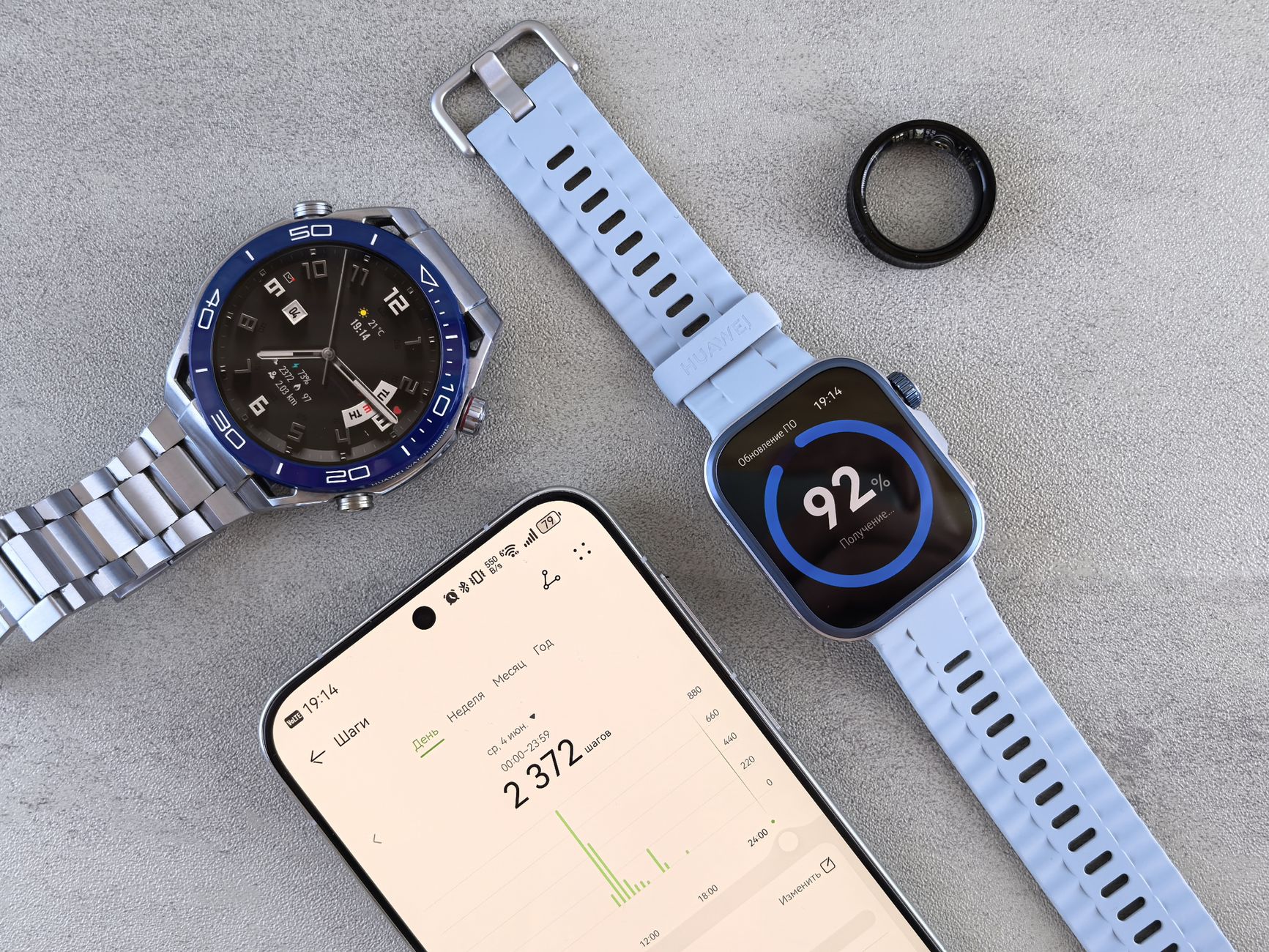
Wearables like smart rings or watches are genuinely useful—but only if you know how to read the data. These devices track your Heart Rate Variability (HRV). HRV is a measure of the variation in time between each heartbeat; a higher HRV generally indicates that your nervous system is resilient and well-recovered. If your HRV is consistently low, your body is telling you that you are overstressed. This is a cue to scale back your commitments, not to push harder.
How to Implement “Parent-Friendly” Bio-hacking
If you want to start, do not try to overhaul your life in a week. Bio-hacking works best as a series of small experiments. Try one variable at a time so you can actually see what makes a difference.
Experiment 1: The Morning Light Protocol
Getting natural sunlight into your eyes within 30 minutes of waking up is one of the most effective ways to set your circadian rhythm. It triggers a release of cortisol (the “awake” hormone) in the morning and sets a timer for melatonin (the “sleep” hormone) to be released about 14-16 hours later. It costs zero dollars and takes five minutes. Step outside, drink your coffee on the porch, and just breathe.
Experiment 2: The “Glucose Spike” Management
If you feel sluggish after lunch, try changing the order in which you eat your food. Eat your vegetables first, then your protein and fats, and save the carbohydrates for last. This simple sequence significantly reduces the blood sugar spike that follows a meal. It is a subtle change that requires no extra ingredients—just a different approach to your plate.
Experiment 3: Controlled Recovery
Parents are rarely “at rest.” We are either working or parenting. We need to build in “micro-recovery” periods. This might be five minutes of box breathing (inhale for 4 seconds, hold for 4, exhale for 4, hold for 4) while the kids are occupied. This practice manually shifts your nervous system from the “fight or flight” mode (sympathetic) into “rest and digest” (parasympathetic).
The Psychological Trap of Optimization
There is a dark side to bio-hacking: the “Quantified Self” trap. When you start tracking everything—your sleep score, your steps, your blood glucose, your productivity—it is very easy to start feeling like a failure when the numbers aren’t “optimal.”
If your sleep tracking app tells you that you had a “poor” night of sleep because your toddler woke you up three times, you do not need an app to tell you that. You already know. The danger is letting the data add to your stress. If a piece of technology makes you feel anxious about your health, it is time to turn it off. The goal of bio-hacking should be to increase your capacity to enjoy your life, not to turn your life into a spreadsheet.
Remember that your children do not need an “optimized” parent. They need a present one. If you are so focused on your morning ice bath or your specific nutrient timing that you are distracted during playtime, you are missing the point. The best bio-hack is the one that gives you more energy to be the person you want to be for your family.

Common Misconceptions About Health Optimization
One of the biggest myths is that “more is better.” We see this in the supplement industry, where people take dozens of pills hoping to cover every base. In reality, your liver and kidneys have to process all of those compounds. Overloading your system can actually cause more inflammation, not less.
Another misconception is that bio-hacking is only for the wealthy. While some of the gadgets are expensive, the most powerful interventions are free. Fasting (within reason), cold exposure (a cold shower), breathwork, and movement are accessible to almost everyone. You do not need a $5,000 sauna to get the benefits of heat stress; a hot bath or a vigorous workout can provide similar physiological signals to your body.
A Balanced Approach for the Long Term
If you are in your 30s or 40s, you are likely at a point where you are starting to notice that you cannot recover from a late night or a heavy meal as quickly as you did in your 20s. This is normal. Bio-hacking, when done correctly, is essentially a way of acknowledging that your body has different needs now than it did a decade ago.
The key is to stay skeptical. If a trend sounds like a “magic bullet,” it is almost certainly a marketing ploy. If a practice requires you to spend hundreds of dollars on a subscription service or a proprietary supplement, ask yourself what the actual biological mechanism is. Does it have robust clinical data behind it, or is it just anecdotal evidence from an influencer?
We are currently living through a golden age of health information, but that also means we are living through a golden age of health misinformation. The best filter you have is your own common sense. If a change feels sustainable, improves your energy, and doesn’t stress you out, keep it. If it feels like a chore, let it go.
Ultimately, you are the lead researcher in your own life. Treat your habits as hypotheses. Try something for two weeks, observe how you feel, and adjust accordingly. If you find that cutting out sugar in the afternoon gives you more patience with your kids, that is a successful experiment. If you find that tracking your sleep is just making you check your phone more at night, that is a failed experiment. Both outcomes are valuable.
As you move forward, keep the focus on what truly matters: your longevity and your daily vitality. You don’t need to be perfect to be healthy. You just need to be intentional.
Frequently Asked Questions
1. Is bio-hacking safe for someone with existing medical conditions?
No. If you have any underlying health conditions, you must consult with your physician before starting any new supplement regimen, fasting protocol, or intense physical training. Bio-hacking often involves pushing the body’s limits, and those limits can be dangerous for people with heart conditions, diabetes, or hormonal imbalances.
2. What is the one “hack” that has the most scientific evidence?
Without a doubt, it is sleep hygiene. Controlling light exposure, temperature, and consistency in your sleep schedule has more impact on your health, mood, and longevity than any supplement on the market. If you only do one thing, fix your sleep.
3. Do I really need to spend money on fancy gadgets?
Not at all. While gadgets can provide interesting data, they are not a requirement for health. You can track your “recovery” by simply paying attention to how you feel, your resting heart rate (which you can measure manually), and your energy levels throughout the day. Technology is just a shortcut for self-awareness; it is not a replacement for it.
For further reading on evidence-based health practices, you can visit the World Health Organization (WHO) for global health guidelines or the National Institutes of Health (NIH) for peer-reviewed research on nutrition and exercise.