The most effective way to slash your family vacation budget while gaining a more authentic travel experience is to stop booking hotels and start exchanging your home. By swapping residences with another family, you eliminate your single largest travel expense—accommodation—while gaining access to a fully equipped kitchen, laundry facilities, and the comforts of a real home, which makes traveling with children infinitely more manageable.
Three Key Takeaways for Home Swappers
- Trust is the currency: Home exchange platforms rely on verified profiles and peer reviews to ensure safety and reliability.
- Preparation is key: A comprehensive “Home Manual” is your best tool for setting expectations and ensuring a smooth guest experience.
- Flexibility wins: Being open to different locations and dates significantly increases your chances of finding the perfect match.
If you are in your 30s or 40s, you probably know the drill: you want a family vacation that feels like a break, not a logistical nightmare. You pack the kids, the gear, and the snacks, only to find yourself confined to a cramped hotel room where you pay a premium for breakfast and struggle to find space for a stroller. The “home exchange” model flips this narrative. Instead of visiting a city as a tourist, you get to live there like a local. But how do you actually pull this off without turning your life into a chaotic experiment?

Why Home Swapping is the Ultimate Parenting Hack
Let’s be honest: when you travel with children, the “vacation” part often feels like just parenting in a different zip code. Hotels are notoriously difficult for this. You have to navigate limited storage space, the lack of a proper kitchen for those midnight milk-bottle emergencies, and the constant stress of keeping quiet so you don’t disturb the neighbors in the next room. A home exchange solves these problems by design.
When you swap homes, you aren’t just getting a place to sleep. You are getting access to a home base that has likely already been child-proofed. You’ll have a kitchen where you can prepare healthy meals, a laundry room to handle the inevitable pile of dirty clothes, and often, a collection of toys or books that your kids will find fascinating because they aren’t their own. Beyond the convenience, there is the financial reality. In an era where inflation has driven hotel prices to record highs, home swapping allows you to redirect your budget toward experiences—museums, local dining, or excursions—rather than just a place to lay your head.
Choosing the Right Platform for Your Needs
The days of finding home exchanges through sketchy bulletin boards or word-of-mouth are long gone. Today, there are several robust, global platforms that act as intermediaries. These sites provide the structure, security, and verification processes that make the process safe for families. Most platforms operate on a membership model, usually costing between $100 and $200 per year, which is a fraction of the cost of a single night in a decent hotel.
When selecting a platform, look for features like “identity verification,” “insurance coverage,” and “member reviews.” Some platforms offer a “points” system, which is a game-changer. In a traditional “direct swap,” you and the other family must travel to each other’s homes at the same time. With a points-based system, you can earn points by hosting someone, and then spend those points to stay in someone else’s home whenever you want. This provides immense flexibility for families who may not have the ability to coordinate schedules perfectly with a counterpart.
Assessing Your Home for Potential Guests
Before you list your home, you need to look at it through the eyes of a guest. This doesn’t mean you need a luxury villa. Most people looking for a home swap are families just like yours—they want a clean, safe, and functional space. Start by decluttering. Clear out a few shelves in the pantry, a section of the fridge, and some hanging space in the closets. You don’t need to empty your house, but you do need to provide enough “breathing room” for your guests to feel comfortable.
Focus on the “essentials” that make your life easier. If you have a high chair, a crib, or a stash of board games, make sure these are accessible. A clean home is the baseline expectation; a thoughtful home is what gets you five-star reviews. Think about what you would want to know if you walked into a stranger’s house. Where is the water shut-off valve? How do you work the coffee maker? Is there a favorite local park nearby? These details make the difference between a “fine” stay and a “great” stay.
The Art of the “Home Manual”
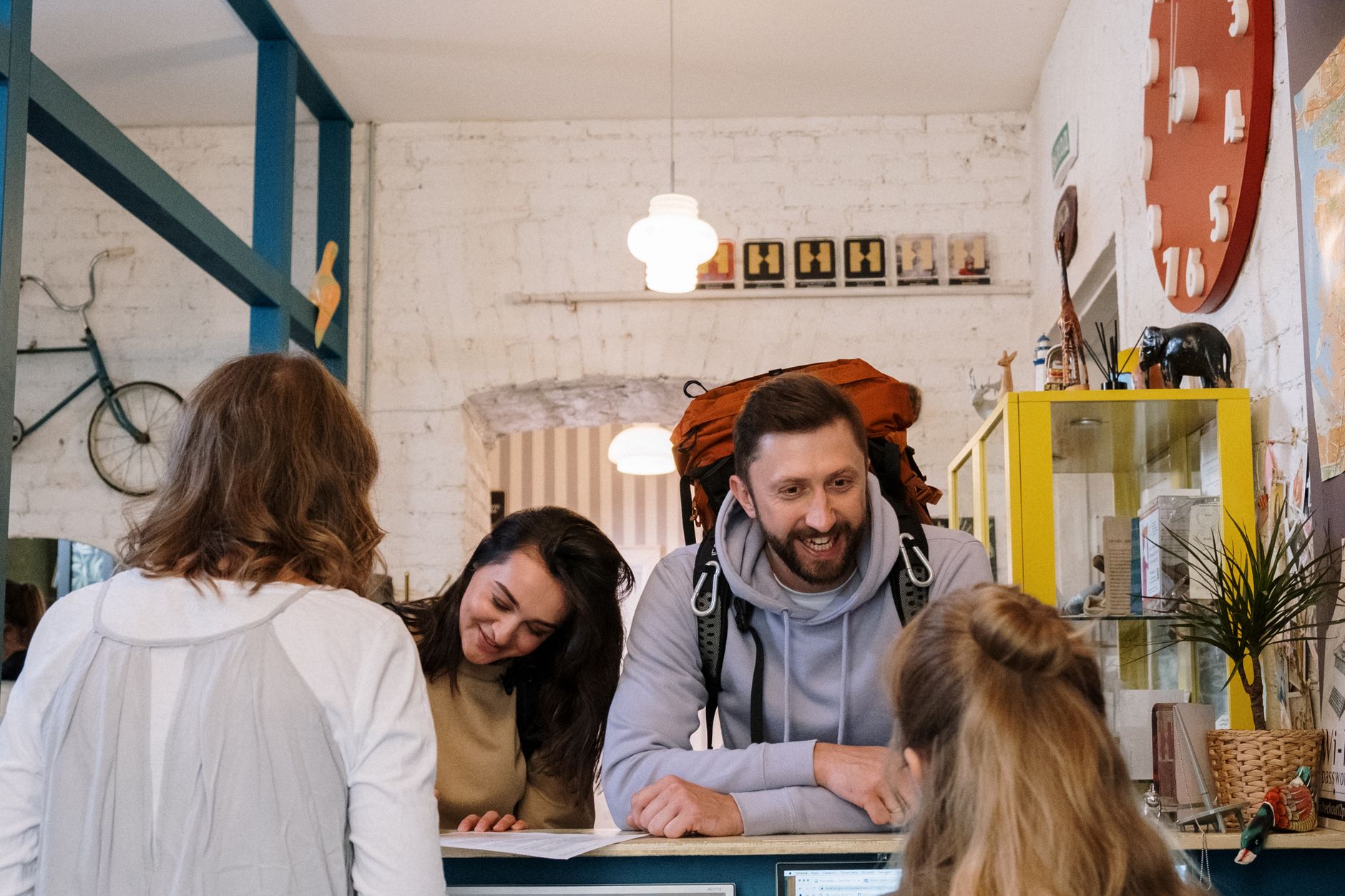
The Home Manual is the holy grail of a successful exchange. It is essentially your document of record for the swap. It should be digital or printed and left on the kitchen counter for your guests. A good manual covers everything from the mundane to the critical. Start with the “Quick Start” guide: Wi-Fi passwords, trash collection days, and how to lock the front door. These are the things that cause the most anxiety for travelers in a new space.
Next, move into the “Pro Tips” section. This is where you become a local guide. Recommend the best bakery that opens at 7:00 AM, the park where the playground is actually shaded, or the grocery store that has the best produce. For families, this local knowledge is gold. If you have specific quirks in your home—like a stubborn faucet or a specific way to turn on the shower—be honest about them. A little bit of transparency goes a long way in preventing frustration.
| Category | What to Include |
|---|---|
| Access | Key location, alarm codes, Wi-Fi login, parking instructions. |
| Appliances | Operating instructions for dishwasher, laundry, and coffee machines. |
| Local Tips | Emergency numbers, grocery stores, pharmacies, kid-friendly spots. |
| House Rules | Smoking policy, plant watering, trash sorting, neighbor etiquette. |
Managing Expectations and Building Trust
Communication is the foundation of a successful exchange. You are essentially interviewing each other. Don’t be afraid to ask questions. Are they non-smokers? Do they have pets? How many people are actually staying? The best exchanges happen when both sides feel heard and understood. Use the platform’s messaging system to establish a rapport before committing to the swap. Ask about their lifestyle—do they have young children who might be loud? Do they work remotely and need a quiet desk? Being upfront about your needs is not being “difficult”; it is being responsible.
Safety is often the primary concern for newcomers. It’s worth noting that the vast majority of home exchanges occur without any major incident. Platforms provide insurance that covers theft or damage, and the social nature of the community—where you are constantly reviewed—incentivizes good behavior. Most swappers are professionals or families who value their own homes as much as you do yours. They will treat your space with the same respect they expect you to show theirs.
Practical Logistics: From Packing to Cleaning
One of the most common questions is: “What do I do with my personal stuff?” The answer is simple: lock it up. Most people have a “private closet” or a room that they lock during the exchange. This is where you store your sensitive documents, expensive electronics, and sentimental items. It’s not about lack of trust; it’s about peace of mind. You don’t want to spend your vacation worrying if your passport is sitting out on the desk.
Before you leave, conduct a “deep clean.” This is the standard of hospitality. Your guests should arrive to fresh sheets, clean towels, and a kitchen that isn’t harboring leftovers from last week. If you have the budget, consider hiring a professional cleaning service for the day after you leave and the day before you return. It’s a small investment that makes the transition seamless and removes the stress of scrubbing the shower while you’re trying to pack for your own departure.

The Psychological Shift: Moving from “Tourist” to “Guest”
There is a distinct psychological shift that occurs when you stay in a home rather than a hotel. You begin to observe the rhythm of a neighborhood. You go to the local butcher, you learn the shortcut to the subway, and you start to feel a sense of belonging in a place that is otherwise foreign. This is particularly valuable for parents. Instead of feeling like you are constantly “on display” in a hotel lobby, you are tucked away in a residential area. Your children can run around in a backyard instead of being confined to a hallway.
However, you must maintain a “guest mindset.” You are a guest in someone’s sanctuary. This means respecting the space, being quiet during local “quiet hours,” and leaving the home in the same (or better) condition than you found it. If you break a glass, replace it. If you use the last of the dish soap, buy a new one. These small gestures of gratitude go a long way in sustaining the home exchange ecosystem. It’s a reciprocal economy, and your reputation as a guest is your most valuable asset.
No travel plan is without its hitches. What happens if the plumbing breaks while you are away? What if a flight is canceled and you need to extend your stay? These are the moments where your communication with your exchange partner matters most. Have a plan for emergencies. Provide the contact information for a trusted neighbor or a local plumber who knows your home. Most platforms also offer 24/7 support lines for members, which can be a lifesaver if you find yourself in a bind.
Another challenge is the “mismatch.” Sometimes, a home looks perfect in photos but feels different in reality. This is why reading reviews is so critical. If a host has 20 reviews and all of them mention how clean and well-stocked the home is, you are likely in good hands. If a host has zero reviews, proceed with caution—or at least, have a longer conversation with them to get a feel for their personality. Trust your gut. If something feels off during the negotiation phase, don’t feel pressured to go through with it.
The Long-Term Impact on Family Life
Beyond the immediate savings, home swapping can change the way your family views the world. It teaches children that people live differently in different parts of the world, yet the fundamental needs—a safe place, a kitchen, a bed—are the same. It fosters a sense of global community. You aren’t just consuming a travel product; you are participating in a peer-to-peer network of trust. For many families, these exchanges turn into long-term friendships. It is not uncommon for families to swap homes year after year, building a bond that transcends the transactional nature of the stay.
Furthermore, it forces you to slow down. You aren’t rushing to hit every tourist trap because you have a kitchen to cook in and a living room to relax in. You spend your mornings having breakfast at a leisurely pace, and your evenings winding down with a movie in a “real” home. This is the antidote to the “fast travel” culture that leaves families exhausted and over-budget. You return home feeling refreshed, not like you need a vacation from your vacation.
Summary and Final Considerations
Planning a home exchange is a process of preparation, communication, and openness. It is not for the person who wants the sterile, predictable service of a luxury hotel, but it is perfect for the family that values comfort, authenticity, and fiscal responsibility. By creating a welcoming environment for your guests and being clear about your own needs, you can unlock a world of travel that was previously out of reach.
Always remember that the success of a swap depends on the quality of your communication. Start early, verify your matches, and be as transparent as possible about your home and your expectations. If you approach this with a spirit of adventure and a bit of organization, you will find that the best travel experiences aren’t found in a brochure—they are found in someone else’s living room.
Disclaimer: Always check your local laws regarding short-term rentals and home exchanges, as some cities or homeowner associations (HOAs) have specific regulations. Ensure your home insurance policy covers third-party guests before listing your property.
Frequently Asked Questions
- Is it safe to let strangers stay in my home?
Yes, when using reputable home exchange platforms. These sites provide identity verification, member reviews, and secure messaging. Most members are families or professionals who treat your home with the same respect they expect in return.
- What if my home isn’t “fancy” enough for an exchange?
Most people looking for a home swap aren’t looking for a luxury estate. They are looking for a functional, clean, and safe space. If your home is well-maintained and you are a good communicator, you will find plenty of interested families.
- Do I need to be home when the other family stays there?
No, that is the beauty of the system. You can perform a “simultaneous swap” (you are at their home while they are at yours) or a “non-simultaneous swap” (using a points system), meaning your home is empty while you are traveling.
Official Resources for Further Research:
- HomeExchange Official Site – The largest global community for home swapping.
- TrustedHousesitters – Useful if you are looking specifically for pet care while you travel.
- FTC Consumer Advice – General tips on staying safe with online peer-to-peer services.