The “Third Place” is not just a sociological buzzword; it is a vital mental health necessity for parents in their 30s and 40s who find themselves trapped in the binary cycle of domestic labor and professional obligations.
Key Takeaways
- Redefining Space: The Third Place is any environment that is neither home (the first place) nor work (the second place), where you can exist without demands or expectations.
- Mental Health Impact: Regular access to these spaces significantly lowers cortisol levels and prevents the “burnout cycle” common in middle-aged parenting.
- Active Selection: You don’t need a fancy club; local libraries, parks, or quiet community workshops can serve as your essential sanctuary.
If you are a parent in your 30s or 40s, your day likely follows a rigid, exhausting rhythm. You wake up, manage the household, commute or log into your first job, pick up the kids, handle the “second shift” of parenting, and finally collapse into bed. Where in that timeline do you actually exist as an individual rather than a provider, employee, or caregiver?
Sociologist Ray Oldenburg coined the term “The Third Place” in his 1989 book, The Great Good Place. He argued that for a healthy society, we need spots that are neutral, accessible, and inclusive. For the modern parent, this isn’t just a nostalgic luxury—it is a survival mechanism.
The Erosion of the Third Place in Modern Life
In decades past, neighborhoods were built around hubs: the local pub, the corner barbershop, the church basement, or the neighborhood general store. These were places where people went not to be productive, but to be present. Today, many of these spaces have been replaced by high-rent commercial zones or have disappeared entirely under the weight of digital-first living.
For parents, the pressure to be “on” 24/7 is exacerbated by the fact that our homes have become offices, and our offices have become high-pressure environments that demand constant connectivity. When you lose the boundary between your roles, you lose your sense of self. The Third Place is that boundary. It is the geographic equivalent of hitting the “reset” button on your brain.
Why is this so difficult to maintain? It comes down to the “optimization trap.” We are taught that every hour must be optimized for productivity, child enrichment, or household maintenance. Taking an hour to sit in a park or a library feels “selfish” to many parents. We need to reframe this: it is not selfish; it is maintenance for the primary caregiver. An unmaintained machine eventually breaks down.
What Makes a Real Third Place?
Not every location counts as a Third Place. A crowded shopping mall, for example, is designed to extract money from you. It is a commercial space, not a social one. A true Third Place, as defined by Oldenburg, requires specific characteristics:
| Characteristic | Why it Matters for Parents |
|---|---|
| Neutral Ground | You aren’t the “boss” or the “parent” here; you are just a participant. |
| Accessibility | It must be easy to reach. If it takes an hour to get there, it’s a trip, not a sanctuary. |
| Conversation-Focused | The environment should encourage low-stakes social interaction or quiet observation. |
| Low Cost | Financial barriers prevent regular attendance. Access should be free or very cheap. |
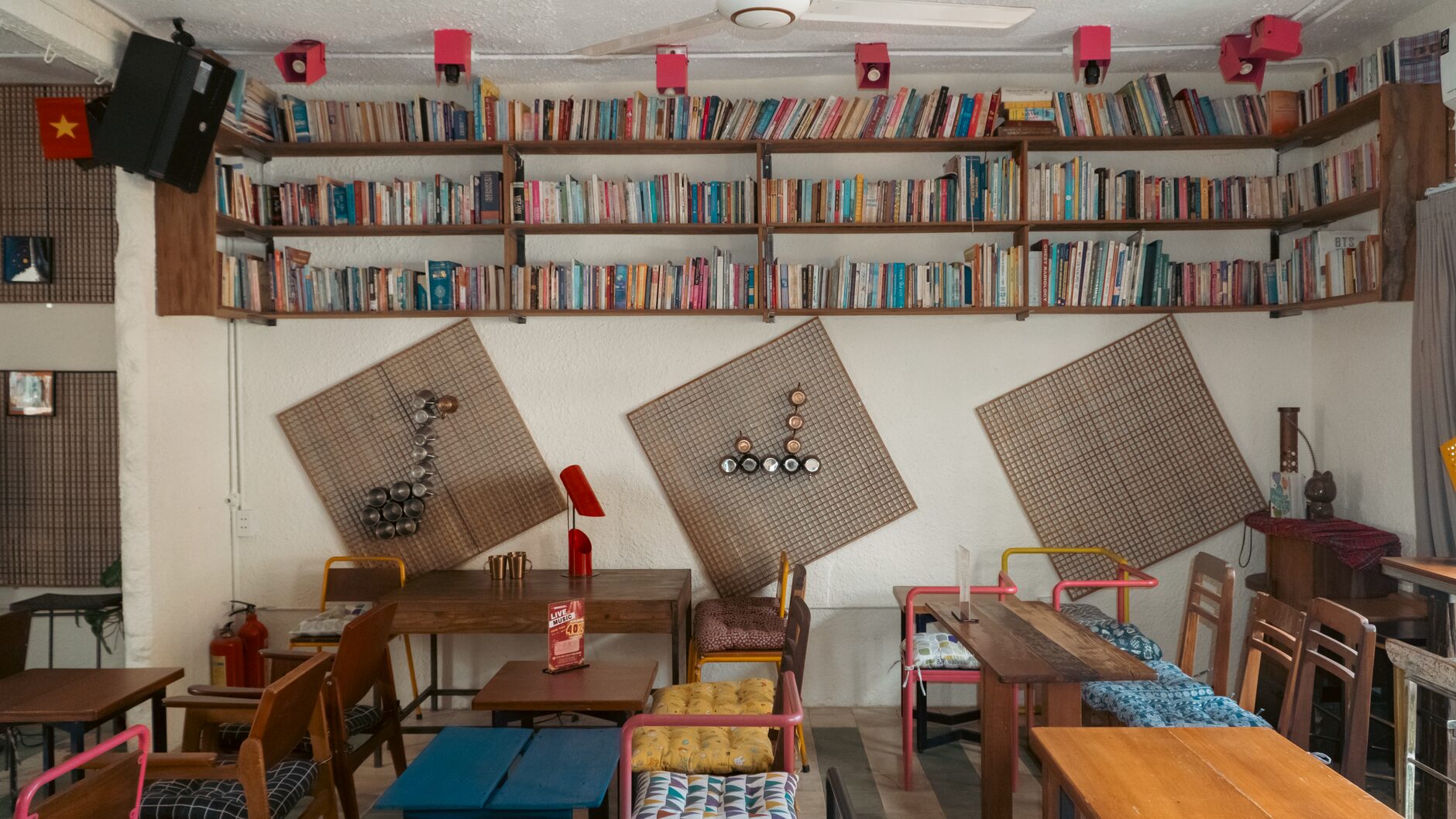
Think about a local community library. It is quiet. It is free. Nobody expects you to be “productive.” You can sit in a chair for twenty minutes, read a few pages of a magazine, and walk out. You are not a customer; you are a citizen. That distinction is profoundly liberating for someone who spends their day fulfilling the needs of others.
The Biology of Burnout and Why You Need to Escape
The “parental burnout” phenomenon is well-documented in psychological literature. It is characterized by emotional exhaustion, distancing from one’s children, and a sense of ineffectiveness. When you are constantly operating in “Home” or “Work” mode, your brain stays in a state of high alert. You are constantly scanning for problems (Did the kids eat? Is the deadline met?).
By stepping into a Third Place, you force your brain to switch gears. This is known as “Attention Restoration Theory.” Nature and quiet public spaces allow your directed attention—the kind you use to focus on spreadsheets or toddler tantrums—to rest. When you rest that specific cognitive muscle, you return to your roles with more patience and better emotional regulation.
It is not about finding a place to hide; it is about finding a place to reset. Even thirty minutes of sitting in a park without your phone can lower your cortisol levels significantly. It provides the “space” necessary to process the day’s events before you re-enter your home environment.
How to Cultivate Your Own Third Place
Finding a Third Place in a busy city or a suburban sprawl is not always easy. It requires intention. You don’t just “stumble” into a Third Place; you curate it. Here is how you can start reclaiming your time and space:
1. Identify the “Low-Friction” Zones
Look for places within a 15-minute radius of your work or home. If it’s too far, you won’t go. Look for public libraries, community gardens, or independent bookstores. These spaces are often ignored because they aren’t “destinations,” but that is exactly what makes them perfect.
2. The “Ritualize” Method
Make it a habit. If you go to the same coffee shop every Tuesday after dropping the kids off, or every Friday before you pick them up, it becomes a ritual. Rituals provide a sense of stability. When you walk through the door, your brain will recognize the environment and start to down-regulate your stress response automatically.
3. Set Clear Boundaries
If you go to a cafe, don’t bring your laptop if you can avoid it. If you must, treat it as a “reading room” rather than a “workstation.” The goal is to disconnect from the demands of the other two places. If you find yourself checking work emails, you haven’t left the Second Place; you’ve just moved it.

Addressing the Challenges: Time, Money, and Guilt
The biggest hurdle for parents in their 30s and 40s is the feeling of guilt. You feel like if you aren’t working or parenting, you are failing. This is a cultural trap. We live in an era that worships the “hustle” and the “super-parent.” We have to actively reject the idea that our worth is tied to our output.
Another challenge is the cost of living. Many Third Places are being replaced by high-priced luxury lounges. This is why public infrastructure—libraries, parks, and community centers—is so critical. Support your local library. Use the park. These are the last remaining spaces where you are not expected to be a consumer. They are the egalitarian foundations of our community.
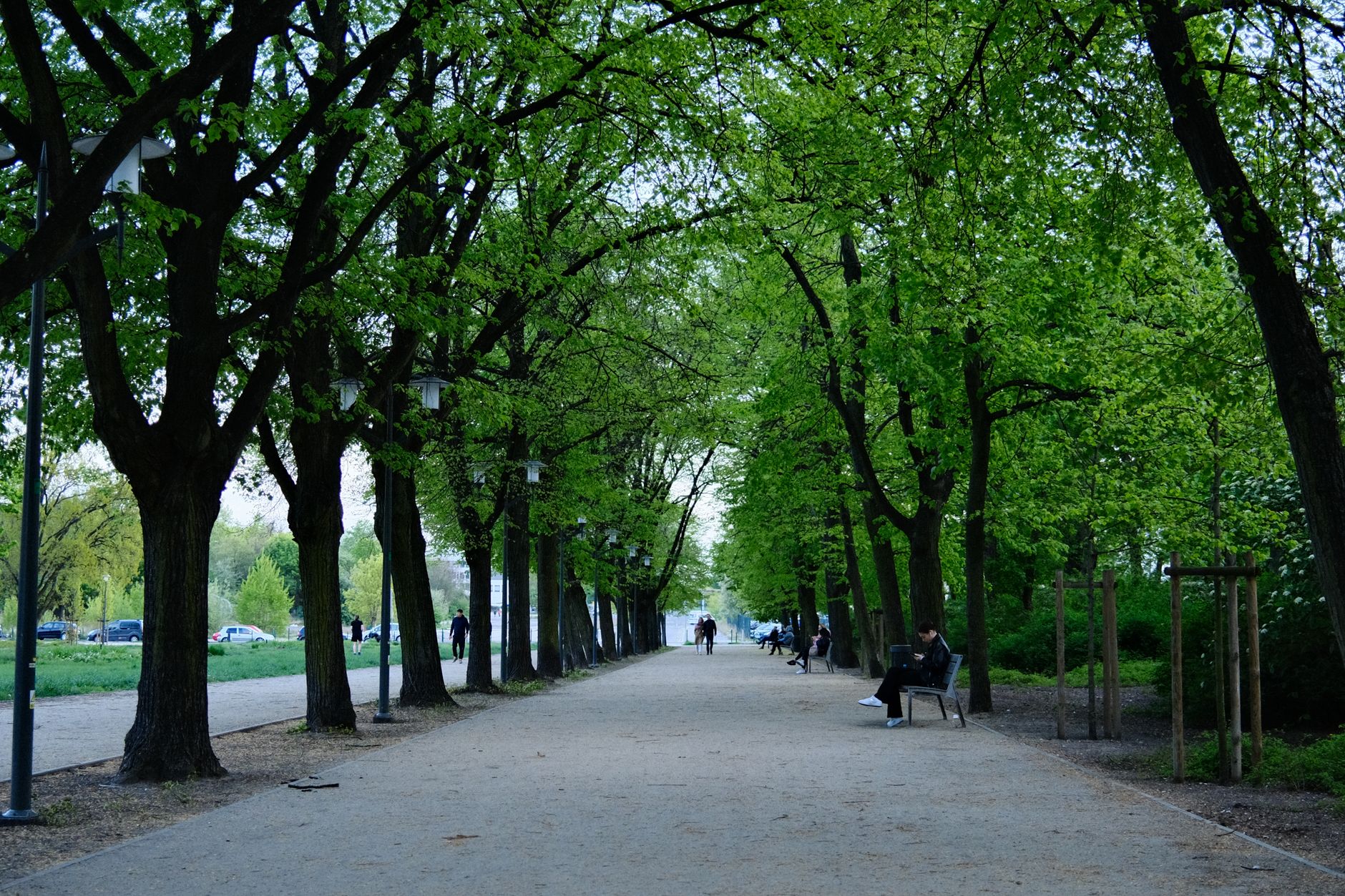
If you find that your neighborhood lacks these spaces, consider the “micro-Third Place.” Is there a quiet bench in a local park? Is there a walking path that you enjoy? Sometimes a Third Place isn’t a building; it’s a route. A 20-minute walk through a specific park every day can function as your sanctuary.
The Impact on Your Family Dynamic
It might seem counterintuitive, but taking time away from your family actually makes you a better parent. When you return from your Third Place, you are not just “coming home”; you are arriving with a refreshed perspective. You have had the chance to be an individual, which means you don’t need your children or your partner to fulfill every single one of your emotional needs.
This reduces the pressure on your relationships. When you have an outlet for your own thoughts and a space to decompress, you are less likely to lash out when the house is messy or the kids are acting out. You become a calmer, more present version of yourself.
We often hear the phrase “it takes a village,” but we rarely talk about the physical spaces that village needs to thrive. The Third Place is where the village meets. It is where you see your neighbors, catch up on local life, and realize that you are part of a larger community. This sense of belonging is a powerful antidote to the isolation that many modern parents feel.
Summary and Cautions
The evolution of the Third Place is a story of reclaiming our humanity in an increasingly automated and high-pressure world. For parents in their 30s and 40s, this is not just about finding a place to sit—it is about finding a place to be. Whether it is a local library, a community park, or a quiet corner in a neighborhood cafe, these spaces offer a vital reprieve from the binary demands of home and work.
However, a word of caution: do not try to “optimize” your Third Place. Do not feel the need to join clubs, start projects, or make it “productive.” The value of the Third Place is precisely that it is unproductive. Allow yourself the luxury of being bored, of observing, and of simply existing. If you try to turn your sanctuary into another item on your to-do list, you will lose the very benefit you are seeking.
Start small. Find one place this week. Spend 20 minutes there. Notice how your body feels when you leave compared to when you arrived. You may find that this simple act of carving out space for yourself is the most important parenting decision you make this year. You deserve a place where you are just you.
Frequently Asked Questions
1. What if I don’t have time to leave the house?
If you truly cannot leave the house due to caregiving duties, you must create a “micro-Third Place” within your home. This could be a specific chair in a corner that is designated for “you time,” where no work or chores are allowed. The key is to enforce the rule that when you are in that spot, you are off-duty.
2. Is a gym a good Third Place?
A gym can be a Third Place, but it often leans toward the “Second Place” (work/productivity) because of the focus on physical improvement and performance. If you go to the gym to socialize or relax, it works. If you go to hit a PR or follow a strict training program, it is likely just another form of labor.
3. How do I deal with the guilt of taking time for myself?
Remind yourself that you are modeling healthy behavior for your children. When they see you taking care of your mental health, they learn that it is okay to set boundaries and prioritize self-care. You are not neglecting them; you are ensuring that you have the emotional capacity to be the parent they deserve.
Official Resources for Further Reading: