The most effective way to navigate sensory overload in public spaces is not to avoid the world entirely, but to build a robust, predictable framework that empowers your child to self-regulate before the environment dictates their response.
Key Takeaways
- Predictability is your best tool: Use visual schedules and clear, advance communication to reduce the anxiety of the unknown.
- The “Sensory Kit” approach: Carry a curated bag of tools, such as noise-canceling headphones and fidgets, to give your child agency over their sensory input.
- Exit strategies are not failure: Having a pre-planned “escape route” or a designated quiet zone allows you to manage meltdowns with dignity and minimal stress.
If you are a parent of a neurodivergent child, you know the specific, sinking feeling of walking into a grocery store, a shopping mall, or a busy transit hub. For most, these are mundane chores. For your child, they can be a chaotic symphony of fluorescent hums, unpredictable movements, and overwhelming olfactory data. It is not just “being picky” or “acting out”—it is a physiological response to an environment that their nervous system cannot filter.
Managing this isn’t about coddling; it’s about engineering a supportive environment in a world that wasn’t built with their sensory processing differences in mind. Let’s break down how we can make these outings functional, manageable, and—dare I say—occasionally pleasant.
Understanding the Mechanics of Sensory Overload
To support your child, we must first demystify what is happening under the hood. Sensory processing is the brain’s ability to take in information from the environment, organize it, and respond to it. In neurodivergent children—including those with Autism Spectrum Disorder (ASD), ADHD, or Sensory Processing Disorder (SPD)—this process often hits a bottleneck.
Think of the brain as a funnel. A neurotypical brain filters out the background noise of an air conditioner or the flicker of a light. A neurodivergent brain often lacks this filter. Every input—the smell of perfume, the texture of a chair, the sound of a distant dog—is processed at the same volume. When the funnel becomes too full, the brain enters “fight, flight, or freeze” mode. This is the physiological state that leads to what we identify as a meltdown.
It is important to distinguish between a tantrum and a meltdown. A tantrum is often goal-oriented (the child wants a toy). A meltdown is an involuntary response to sensory or emotional overload. Recognizing this difference is the first step toward empathy and effective management.

Pre-Departure: The Architecture of Preparation
The success of an outing is often determined before you even step out the front door. Proactive planning is not about micromanaging your child’s life; it is about providing the safety net they need to explore the world.
The Power of the Visual Schedule
Anxiety is a massive multiplier of sensory sensitivity. If a child doesn’t know what comes next, their nervous system stays on high alert. A visual schedule—whether it is a simple list on your phone or a physical set of cards—demystifies the outing. “First we go to the store, then we buy the milk, then we go home.” When the sequence is clear, the brain can relax its defensive posture.
The “Sensory Kit” Essentials
Just as you wouldn’t head out without a diaper bag or a wallet, you should never leave without a sensory kit. This is a small, portable collection of tools that allow your child to modulate their input. Common, effective items include:
| Tool | Function |
|---|---|
| Noise-canceling headphones | Reduces auditory input in loud environments. |
| Tinted glasses/Sunglasses | Filters harsh fluorescent lighting or glare. |
| Fidget toys | Provides a “grounding” tactile outlet for nervous energy. |
| Weighted lap pad/vest | Offers deep pressure stimulation to calm the nervous system. |

Once you are on-site, the goal shifts from preparation to maintenance. You are essentially acting as a “sensory scout,” constantly scanning the environment for triggers and adjusting accordingly.
The “Early Exit” Strategy
One of the most liberating things you can realize as a parent is that you are allowed to leave. If you are at a birthday party or a crowded museum and you notice the signs of an impending meltdown—stiffening limbs, covering ears, or rapid speech—the best solution is often to remove the child from the stimuli immediately. This isn’t a failure of parenting; it is a successful intervention. By leaving *before* the meltdown, you prevent the nervous system from reaching a total shutdown.
Identifying “Safe Zones”
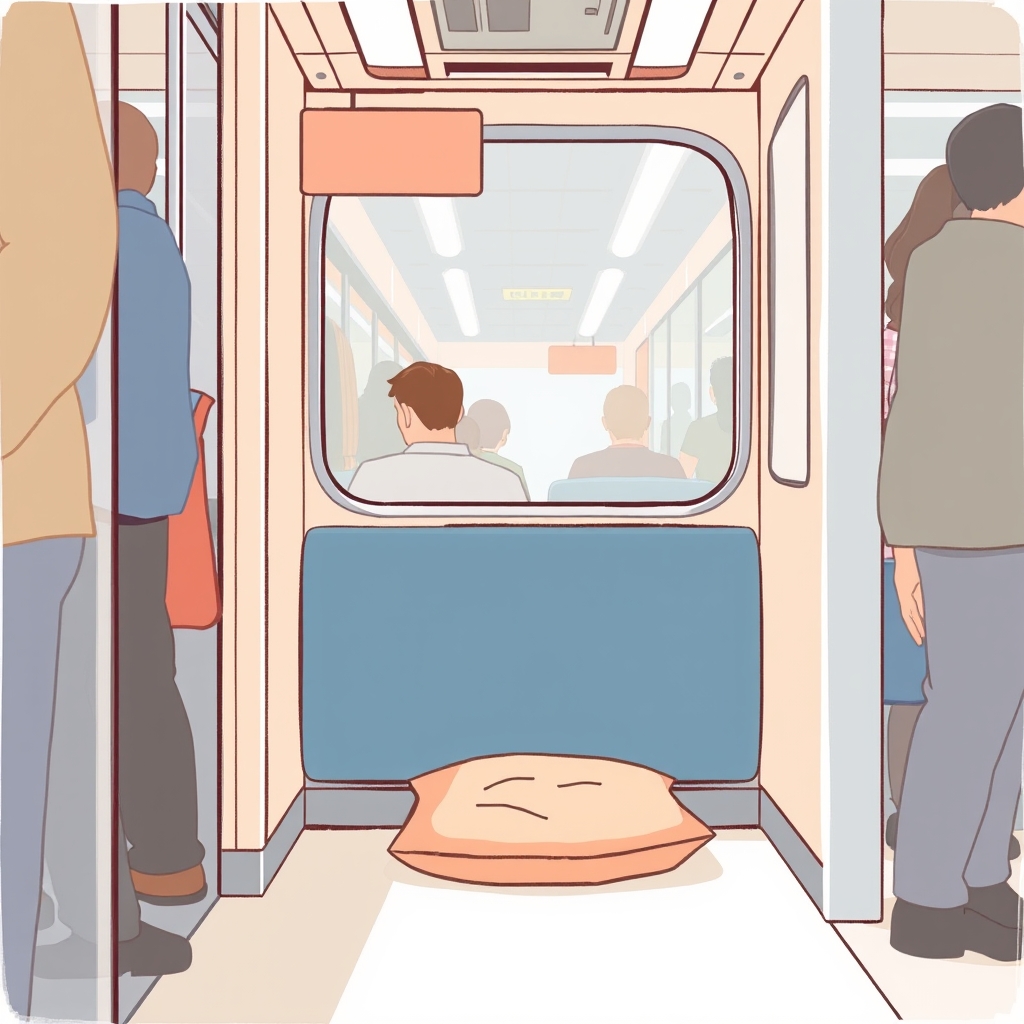
Before you commit to a long stay in a public space, identify the “low-sensory” areas. Is there a quiet corner in the library? Is there a park bench away from the main thoroughfare? Knowing where these areas are allows you to retreat for a “reset” break without having to abandon your plans entirely. A five-minute break in a quiet space can often provide enough regulation to continue the activity.
Communication: Managing Your Child’s Expectations
Communication should be simple, direct, and honest. Avoid “fluff” language that might confuse a literal thinker. Instead of saying, “We’ll be home soon,” which is ambiguous, say, “We have two more items to buy, then we are leaving.”
Furthermore, provide your child with a way to communicate their sensory needs. If they are non-speaking or struggle with verbalizing during stress, establish a simple non-verbal signal. A tap on the shoulder, a specific hand sign, or a card that says “I need a break” can empower them to advocate for themselves before the frustration boils over.
The Role of Sensory Integration Therapy and Professional Guidance
While DIY strategies are essential, they are not a replacement for professional support. Occupational therapists (OTs) who specialize in sensory integration can help you identify exactly which sensory systems (vestibular, proprioceptive, tactile, etc.) are most impacted in your child. They can provide a personalized “sensory diet”—a prescribed set of activities designed to keep the nervous system regulated throughout the day.
It is also worth noting that as children grow, their sensory needs change. A strategy that worked for a six-year-old might be obsolete by age ten. Regularly revisiting these strategies with an OT or a pediatrician ensures that your toolkit evolves alongside your child.
Managing Social Pressure: The Parent’s Burden
Let’s be candid: the hardest part of managing a neurodivergent child in public is often the judgment of strangers. When a child has a meltdown in a supermarket, the “stares” are a real phenomenon. It is easy to feel defensive or embarrassed. However, your primary responsibility is to your child, not to the comfort of the onlookers.
When you feel the weight of public scrutiny, remind yourself: you are performing a complex, invisible task. You are managing a nervous system that is under duress. If someone stares, it is a reflection of their lack of understanding, not your competence as a parent. Keep your focus on your child, use your calm voice, and move forward.
The Importance of Consistency and Routine
Consistency is the bedrock of neurodivergent stability. While it is tempting to try new, exciting places, doing so too frequently can be exhausting. Try to build a “repertoire” of safe, tested locations. If you know a specific grocery store has a quiet aisle or a specific park has a secluded area, prioritize those locations. You don’t have to be an explorer every day. Sometimes, the most successful trip is the one that is exactly like the one you took last week.
Advanced Tips for Challenging Environments
Some environments are inherently more difficult than others. Airports, for example, are a nightmare of sensory input: announcements, crowds, security lines, and bright lights. For these types of high-stakes environments, consider:
- Pre-visiting: If possible, visit the location at a quiet time before the big event.
- Using Disability Access Services: Many theme parks, museums, and transit hubs have specific programs for neurodivergent individuals to bypass long lines or access quiet areas. Never feel guilty about utilizing these; they exist to make the world accessible.
- Social Stories: Create a personalized “social story”—a small book or digital slideshow that outlines exactly what will happen during the trip. This uses the power of narrative to prepare the brain for the experience.
Reflecting on Progress
There will be days when, despite all your preparation, a meltdown happens. This is part of the territory. The goal is not to eliminate sensory overload—that is impossible—but to increase the child’s ability to cope and to shorten the recovery time. Each time you successfully navigate a difficult moment, your child gains a little more confidence, and you gain a little more experience. Over time, these moments of regulation become easier to manage, and the world becomes a slightly less daunting place.
Remember that your child is not “giving you a hard time,” they are “having a hard time.” By framing their behavior through this lens, you shift from being a manager of their behavior to a partner in their regulation. It is a subtle change, but it makes all the difference in the world.
Frequently Asked Questions
Q: How do I know if my child is experiencing sensory overload or just acting out?
A: Look for the “fight, flight, or freeze” signs. If the behavior is involuntary, sudden, and accompanied by physical indicators like covering ears, erratic movement, or a complete withdrawal, it is likely sensory-based. Tantrums are typically more targeted toward getting a specific outcome and often stop once that outcome is achieved.
Q: Is it “giving in” to leave a store early because my child is overwhelmed?
A: Absolutely not. It is an act of proactive regulation. By leaving before a full-blown crisis occurs, you are teaching your child that you respect their physical limits and that you are a safe person who will advocate for their well-being. This builds trust and long-term resilience.
Q: What should I do if a stranger makes a comment during a meltdown?
A: You are under no obligation to explain your child’s diagnosis or sensory needs to a stranger. A simple, firm “My child is experiencing a sensory challenge, we are handling it” is sufficient. If you don’t feel like engaging, you are well within your rights to ignore them entirely and focus on your child’s needs.
Resources and Further Reading
For more information on sensory processing and neurodiversity, consult the following official resources:
- STAR Institute for Sensory Processing Disorder: Offers evidence-based research and treatment resources.
- National Autistic Society: Provides excellent guides on navigating public spaces and sensory-friendly environments.
- American Occupational Therapy Association: Detailed information on how occupational therapy supports sensory regulation.
Managing the world for a neurodivergent child is a marathon, not a sprint. Take it one outing at a time, celebrate the small victories, and remember that you are doing the important work of helping them find their place in a world that is often too loud, too bright, and too fast.