The most significant shift in modern social culture for millennial parents isn’t a new parenting app or a revolutionary school system; it is the widespread, conscious move toward “zero-proof” living. If you’ve noticed that your weekend gatherings have started to feature more botanical sodas and alcohol-free spirits than traditional wine or beer, you aren’t imagining things—you are witnessing a fundamental change in how our generation prioritizes its limited energy.
- Reclaiming the Morning: The primary driver for zero-proof social events is the desire to wake up without the “hangover tax,” ensuring parents are fully present for their children.
- Sophisticated Alternatives: The market has moved far beyond sugary mocktails; high-end non-alcoholic spirits now offer complex flavor profiles that mimic the ritual of a cocktail without the alcohol.
- Social Inclusivity: Zero-proof events remove the pressure to drink, creating a more inclusive environment for guests who are pregnant, driving, or simply choosing a health-focused lifestyle.
Do you remember the days when a “night out” meant staying up until 2:00 AM and dealing with a foggy head the next day? For those of us in our 30s and 40s, the cost of that lifestyle has risen exponentially. When you have a toddler who wakes up at 6:00 AM or a teenager who needs to be driven to sports practice by 8:00 AM, the “hangover tax” is no longer just a headache—it’s a disruption to the entire family ecosystem.
This is why the “sober curious” movement has gained so much traction among millennial parents. It’s not necessarily about total abstinence for everyone; it’s about intentionality. It is about choosing to socialize in a way that respects your physical capacity and your role as a parent.
The Anatomy of the Zero-Proof Shift
The term “zero-proof” is more than just a marketing buzzword. It refers to a category of beverages crafted specifically to replicate the complexity, mouthfeel, and social ritual of cocktails—without the ethanol. Unlike the sugary Shirley Temples of our childhood, these drinks are often distilled with botanicals, spices, and adaptogens.
Why now? The data suggests a confluence of factors. Research from organizations like the International Wine and Spirit Record (IWSR) indicates that the no- and low-alcohol sector is growing significantly, driven by health-conscious consumers who are increasingly worried about the long-term effects of alcohol on sleep quality and mental health. As millennial parents, we are the first generation to have widespread access to high-quality health data and the first to be so heavily focused on “biohacking” our productivity and mental clarity.
When we host friends now, we aren’t just serving juice. We are curating an experience. We are selecting a non-alcoholic gin alternative, pairing it with artisanal tonic, and garnishing it with rosemary from the garden. It feels adult, it feels celebratory, and—most importantly—it doesn’t leave us wishing we were in bed by 9:00 PM.
The Social Dynamics of Not Drinking
One of the hardest parts of shifting toward zero-proof social events is the social pressure. For decades, alcohol has been the “social lubricant” that helped us navigate awkward conversations or unwind after a stressful week. When you remove alcohol, you are forced to engage with your friends and your environment in a raw, authentic way.
Surprisingly, this often leads to deeper connections. When everyone is clear-headed, conversations tend to stay on track, and people are more likely to remember the jokes, the stories, and the advice shared. For parents, this is invaluable. We spend so much of our time in a state of “partial attention”—checking emails while helping with homework, or listening to a partner while scrolling through news—that the ability to have a focused, alcohol-free conversation feels like a luxury.
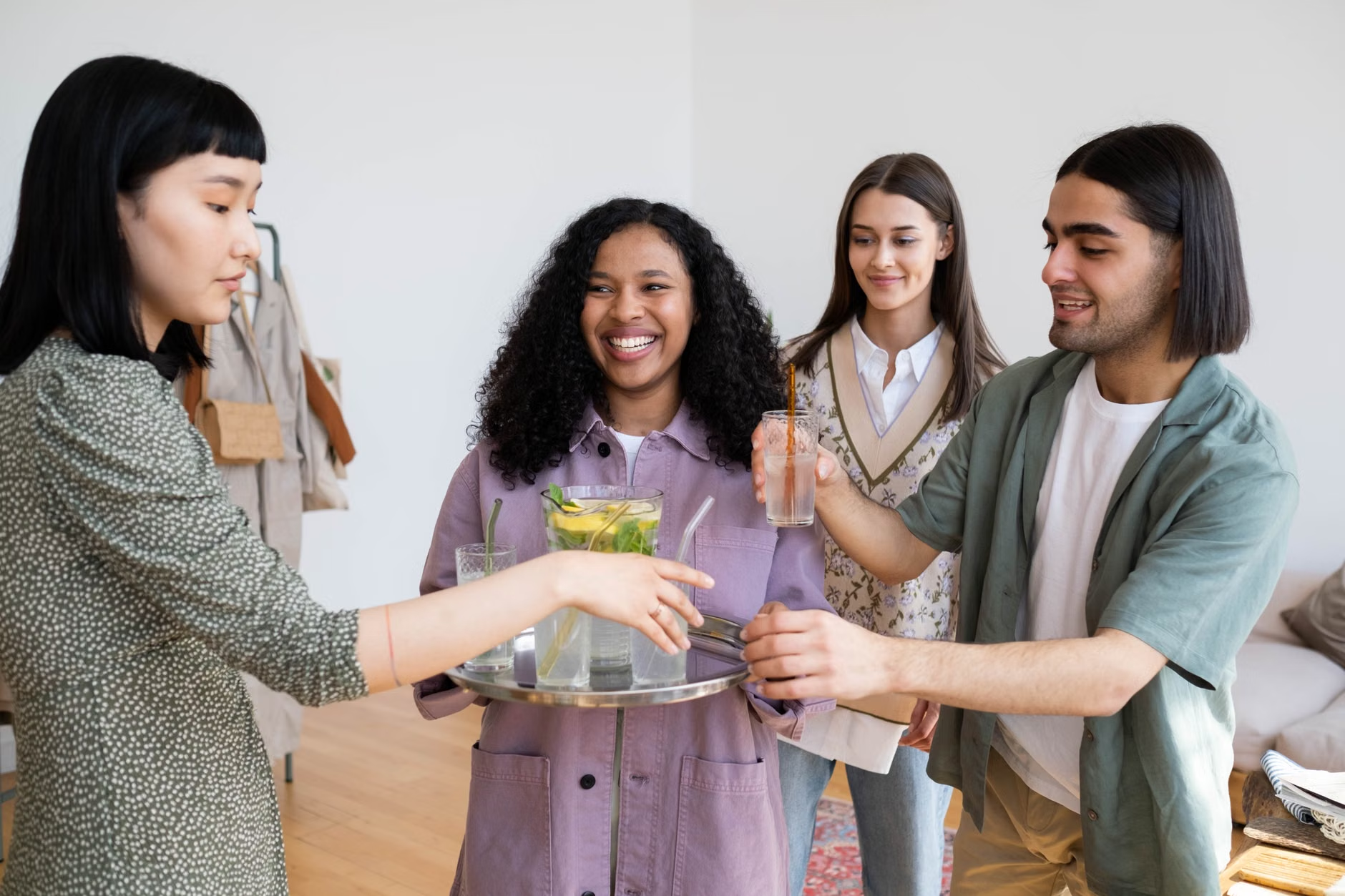
Hosting a zero-proof event also levels the playing field. When you invite friends over and state that you are keeping the evening alcohol-free, it often comes as a relief to others. You might find that your friends were actually looking for an excuse to drink less, but didn’t want to be the “odd one out.” By normalizing the zero-proof drink, you are essentially giving your guests permission to prioritize their own wellness without feeling like they are missing out on the fun.
How to Curate a Zero-Proof Home Bar
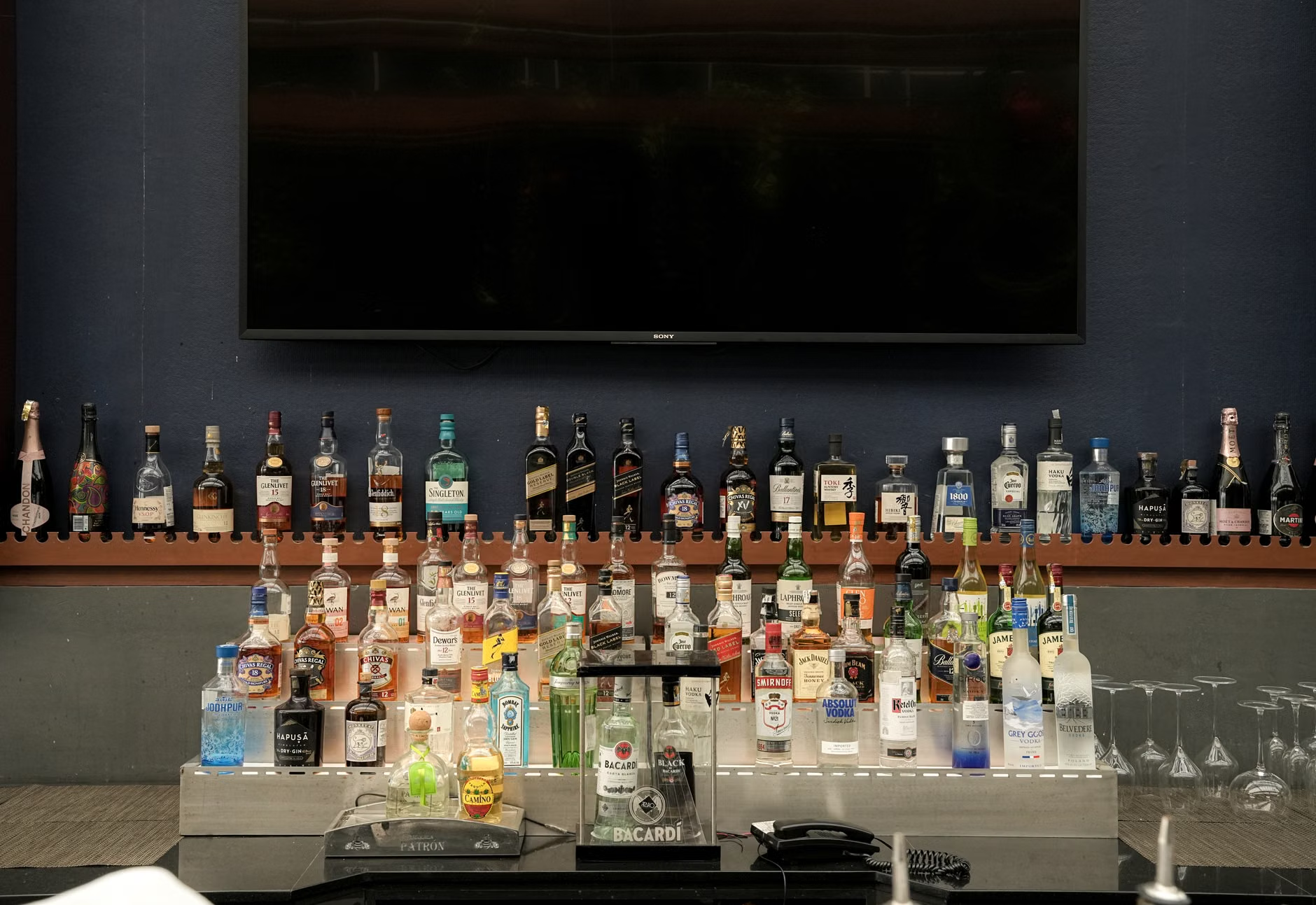
If you want to transition your home hosting to a zero-proof model, you don’t need to overhaul your entire kitchen. Start by focusing on the ritual. The physical act of mixing a drink—the sound of ice in a shaker, the squeeze of a lime, the visual appeal of a garnish—is 50% of the experience.
| Category | What to Stock | Why it Works |
|---|---|---|
| Botanical Spirits | Non-alcoholic Gin/Rum alternatives | Provides the “bite” and complexity of traditional spirits. |
| Mixers | Artisanal tonic, ginger beer, shrubs | Adds depth and flavor without excessive sweeteners. |
| Garnishes | Fresh herbs, dehydrated citrus, spices | Elevates the presentation and provides an olfactory experience. |
The key to a successful zero-proof bar is variety. Don’t just serve one thing. Offer a “bitter” profile (using a non-alcoholic aperitif), a “citrus” profile, and a “refreshing” profile (using sparkling water and infusions). By treating these drinks with the same care as you would a high-end cocktail, you signal to your guests that this is an intentional choice, not a compromise.
The Impact on Parenting and Productivity
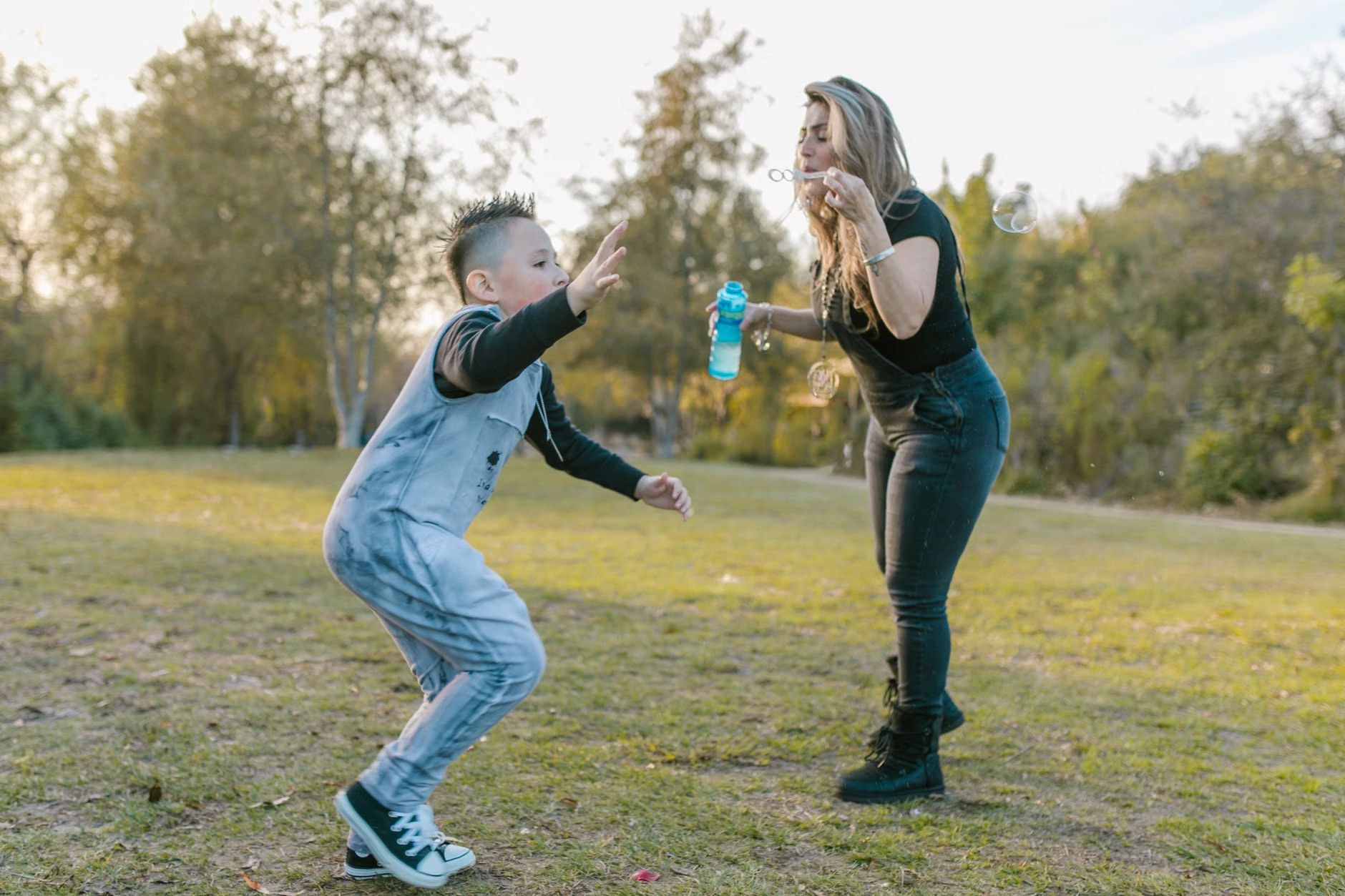
Let’s talk about the “next-day effect.” As parents, our weekends are usually the only time we have to catch up on household chores, engage in hobbies, or simply rest. A Saturday morning spent recovering from a Friday night dinner party is a lost opportunity. It means the laundry doesn’t get folded, the garden doesn’t get tended, and the energy levels for playing with the kids are significantly lower.
The shift to zero-proof events is, in many ways, an act of self-preservation. It allows us to reclaim those Saturday and Sunday mornings. It turns a weekend into a true reset period rather than a recovery period. When you wake up feeling clear-headed, you are more patient, more creative, and more engaged. You are essentially buying back your most valuable commodity: time.
Even with the best intentions, you might face some skepticism. Friends who are used to the traditional “wine and dine” format might feel like the atmosphere is “stiff” or “boring.” The best way to counter this is by focusing on the quality of the food and the atmosphere. If the snacks are great and the music is good, people rarely notice the absence of alcohol.
If someone asks why there is no alcohol, be honest but lighthearted. You don’t need to give a grand lecture on the health benefits of sobriety unless asked. Simply saying, “I’ve been loving how I feel in the mornings lately, so I’m experimenting with some really cool non-alcoholic recipes tonight,” is usually enough to disarm any defensiveness. Most people will be curious to try what you’re drinking, especially if it looks sophisticated.
The Long-Term Implications
This trend is likely here to stay. As the alcohol-free market continues to innovate, we are seeing more “functional” drinks—beverages infused with L-theanine, ashwagandha, or other adaptogens designed to help you relax without the sedative effect of alcohol. This is the next frontier of social drinking: beverages that don’t just mimic the taste of alcohol, but actually provide a mood-enhancing benefit.
As we move further into our 30s and 40s, we are becoming more aware of our bodies’ limitations. We are learning that “having it all” doesn’t have to include the physical toll of traditional social habits. By embracing the zero-proof lifestyle, we aren’t losing anything; we are gaining a higher quality of life, better health, and more meaningful connections with the people who matter most.
Frequently Asked Questions
1. Are zero-proof spirits just expensive juice?
Not at all. While some cheaper options can be overly sweet, high-end non-alcoholic spirits are distilled using complex processes—often using steam distillation—to extract essential oils from botanicals like juniper, coriander, and citrus. They are designed to be sipped and savored, not gulped down like fruit juice.
2. How do I explain my choice to friends without making them feel judged?
Focus on the “I” statements. Frame it as a personal experiment or a lifestyle adjustment that works for you, rather than a moral stance on drinking. By being enthusiastic about your new mocktail recipes, you shift the focus from what you aren’t doing to what you are enjoying.
3. Is this trend sustainable for the long term?
Given the growth of the global no-alcohol market, it is clear that this is a long-term shift. As more people realize that they can have a vibrant social life without the negative side effects of alcohol, the “zero-proof” category will likely become a standard offering at restaurants, weddings, and home gatherings everywhere.
Ultimately, the move toward zero-proof events is about one thing: agency. It is about taking control of your social life and ensuring that it serves your goals as a parent and as an individual. You don’t have to be perfect, and you don’t have to be a teetotaler. You just have to be intentional. So, next time you plan a get-together, consider putting the shaker to good use with something that will leave you feeling just as good on Sunday morning as you did on Saturday night.
For further reading on the science of alcohol and health, you can visit the World Health Organization’s portal on alcohol consumption or check out reports on the evolving beverage market from IWSR Drinks Market Analysis.